Selling Vinyl Records For Fun And Profit
How I Started Selling Vinyl Records
Back in the late nineties, vinyl records had gone out of style. Many people not only had stopped listening to them in favor of cd's, but seemed desperate to get rid of their old vinyl. It seemed like every garage sale I went to had at least two or three boxes of records. Auction sales I attended also quite often had whole collections of records that seemed to go for very reasonable prices.
I had a feeling that a lot of these records were probably worth more than what they were selling for, but because I didn't own a record store or have any other way of selling them, I didn't know how to take advantage of this. Then one day I decided to go to my local flea market. As I walked around looking at the various items for sale, including records, that's when it hit me. I could buy records at garage sales and auctions and sell them at the flea market. I didn't have to own a record store to be able to sell the bargain records I found at a profit.
So I started buying records whenever and wherever I found them. I didn't know then which records sold and which didn't so I bought pretty much every kind of record as long as it was in good shape and the price seemed a bargain. Most garage sales back then sold records for about fifty cents to a dollar each. When I had about a hundred records, I decided it was time to book a table at the flea market and start selling.
Pricing
I knew that a lot of the records I had bought were probably worth more than the fifty cents or dollar that I had paid for them, but I didn't know how much. I went to a bookstore and found a book by Jerry Osborne called Price Guide To Records. I later found out that this is one of two main price guides on the market, the other being Goldmine. I looked up some of the records that I had and was pleasantly surprised to find that they were indeed worth more that what I had paid. Then I read the part in the beginning of the book on grading (which I should have done to begin with). It explained that all prices in the book were based on the records being in NM or Near Mint condition. It went on to explain how to deduct from the price if the records were in less than NM. (The Goldmine books list different values for different conditions. I will include a special section on grading at the end of the hub because it is probably the most important part of record selling.)
Even with adjustments for condition, most of my records were worth more than I had paid, most in the $5 - $10 range and a few, (including a rare Roy Orbison record I had picked up for a dollar) in the $30 - $50 range. I then had to figure out how to clean and mark the prices on them. I had seen other record sellers at the flea market put their records in plastic sleeves and then put a small label on the sleeve with the price. I thought that was a good idea because the sleeves would protect the record covers and it would mean not having to put the price tag right on the cover which could potentially leave a mark.
My next stop was a large local used record dealer to buy plastic sleeves. They sold them in packages of a hundred for $10. I thought 10 cents each seemed like a bargain so I bought two packages. While I was there I asked the owner about the best way to clean the records. He said there are a variety of commercial products available, but what he finds works well is to use a solution of one part rubbing alcohol, four parts distilled water, and just a small drop of Ivory liquid. Then dip a soft sponge into the solution and ring it out, then wipe down the record.
So I went home, cleaned all the records, visually graded them under a bright light to determine their value and then put them each in a plastic sleeve and put a small label on them and wrote the price on the label.
Vinyl Records Stay In The Mix
I Find Out What Sells
My first time selling at the flea market was a moderate success. I had about a hundred records with me and made, clear, after paying for my table, about $60. I was successful enough that I was encouraged to keep doing it. I kept buying records, but after a few months selling at the flea market I got a little more discriminating in what kinds of records I bought as I began to see what kinds of records sold and what didn't.
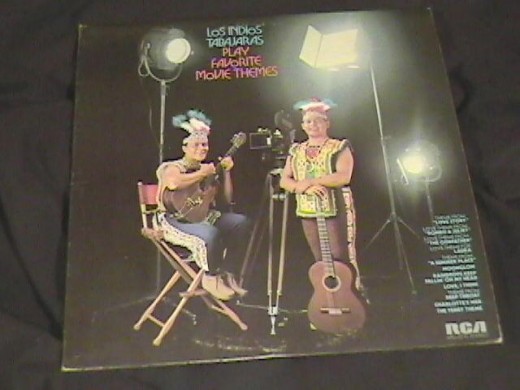
The best selling records were basically anything fairly rare and in good shape in the fields of rock, blues, jazz, and country. The Roy Orbison record I had found sold right away for a good price. What didn't sell and therefore what I quit buying, was anything in the easy listening or classical categories. Examples of easy listening records would be artists like Zamfir, Nana Mouskouri, The Living Strings, The Tijuana Brass, Roger Whitaker, The Ray Coniff Singers, Jim Nabors, Englebert Humperdinck, etc.... I soon realized that records in this category would rarely sell, and if they did would only sell for around what I paid for them, usually around one dollar each, even thought the price guides listed their value at around five dollars.
Another category of records that I found didn't sell well, or for much money is popular artists from the 70's and 80's. Examples would be artists like Billy Joel, Fleetwood Mac, Supertramp, Abba, Glen Campbell, Madonna, ...etc. The reason I realized that these records didn't sell was that there are just so many of them around. Any record that sold millions of copies is not ever likely to be worth much just because there are so many of them around.
The exception to this is popular artists from the fifties and sixties. Elvis and Beatles records for example can be worth a lot even though they sold millions, simply because it is very hard to find them in mint condition. In the fifties and sixties people didn't take very good care of their records. They rarely cleaned them before playing them and would play them on cheap portable record players or stereos that stacked records on top of each other. So finding an Elvis record from the fifties or a Beatles record from the sixties is not hard, because there are still a lot of them around, but finding one in NM condition is extremely hard and that is what makes them valuable. In the seventies people started to take better care of their records and that is why records by popular artists from the seventies and eighties aren't worth as much.
I Go Online
After selling at the flea market for a few years, and doing a few record shows, I started hearing more and more about something called eBay. This was just after the turn of the century, back in 2000. Many of my customers told me about rare records they had found on eBay and how if I sold some of my rare records online I could probably get more for them than I could at the flea market. It sounded in intriguing, so in early 2001, I bought a computer, got an internet account, and checked out eBay.
After a few early mishaps, I got the hang of how to sell records on eBay. My customers were right, I did sell some rare records and got more for them than I would have at the flea market. For example, I had two soundtrack albums from early 60's Brigette Bardot movies that the price guides listed at around fifty dollars each. I had been trying to sell them for several months at the flea market without any luck even though I had dropped the price on them from fifty dollars each to twenty dollars each. I put them on eBay and got $60 each for them! (I had paid 50 cents each for them at an estate sale.) The same person bought both of them and was extremely happy because he had been looking for them for a long time.
Soon, I was selling lots of records on eBay and getting a good price for them. I continued to sell at the flea market, but not every week. I concentrated more of my efforts on selling online. I tried a few other sites, but had, and continue to have, the best luck selling on eBay.
Who Buys Records
I expected most of my customers to be middle aged record collectors, and a lot of them were, but what surprised me was the number of young people, teen-agers and people in their twenties, who are into records. They consider vinyl to be much cooler than digital formats like cd's and mp3's, but what also surprised me is that they consider music from the sixties and seventies to be better than current music and like to listen to it in its original format.
Another category of customer I came across was middle age people who are not really collectors, but got rid of their vinyl back when cd's came in and now regret it and are trying to reassemble their record collections. I have had a number of customers in this category who truly regret getting rid of their records and regret even more how cheap they sold them for and how much they're having to pay now to get them back again.
Conclusion
This is how I began my adventure of selling vinyl records, something I continue to do to this day. It has been fun, I've learned a lot, and made a little money at it too. If you decide it's something you want to try, it's easy to do. Just start looking for deals on records at garage sales, flea markets (it's tough to find bargains on records at flea markets, but it can be done), auctions, estate sales, thrift stores, etc. Get a price guide, learn to grade and clean them, and you're ready to start. You can do like I did and get a table at a flea market, or sell on eBay, or do both.
Grading
As promised, here is a special section on grading. This is the most important thing in record selling. If you get a price guide there will be a special section in the front on grading records. Read it and reread it until you understand it thoroughly and then give it a try. The grading systems in the Goldmine and Osborne price guides vary slightly but they are basically the same so it doesn't matter which you use. Remember to grade under a bright light after the record has been cleaned. It won't take long to get the hang of it.
Here is what I say about grading on my eBay homepage:
I use the standardized system of record grading, used and endorsed by record sellers worldwide as follows:
MINT: A Mint record must be absolutely perfect. Nothing less can be described as mint. This rating is rarely used. Flawless records will usually be described as NM, or Near Mint, which allows for tiny blemishes. Unopened records are described as SS (still sealed).
VERY GOOD: Records described as Very Good , or VG condition, have a minimum of visual or audible imperfections, which should not detract much from your enjoyment of owning them. This grade is halfway between good and near mint. GOOD: G condition records will show definite signs of wear and tear, showing evidence that no protective care was given to them. Even so, records in good condition should play all the way through without skipping. I will not list records in G condition unless they are very rare.