Blood Clots and Birth Control: What You Need to Know

What's the big deal?
With fear-mongering about blood clots and birth control making the front page recently, I thought now might be a good time to take a look at what exactly birth control users are being warned about. What is a blood clot, how would you know if you have one or are at risk of developing one, and what can be done to mitigate the danger?
Well, let's find out!
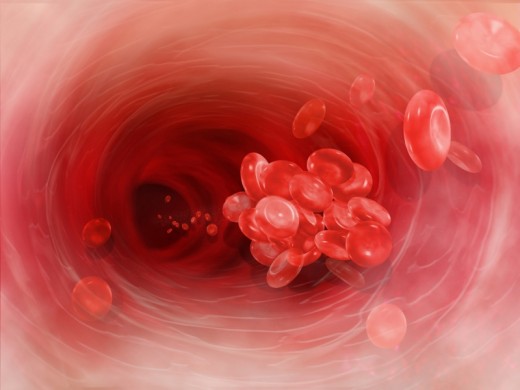
The Least Cringe-Inducing Clot Picture
Also Said to Prevent Varicose Veins!

What's a Blood Clot?
Well, the name pretty much says it all: it's a clot o' blood. This is what normally happens when you hurt yourself and is life-saving to the extent that it's this ability that renders most small cuts non-fatal. It would be utterly humiliating if we could bleed out from a paper cut! So there's that.
But the blood clots you're warned about in airplanes and by your doctor are the kind that form in arteries, veins, or organs and block the circulation of blood through your body and cause admittedly scary things like a heart attack, stroke, or deep vein thrombosis (this latter condition is largely genetic). Whoops...
Conditions which increase the likelihood of clotting are pregnancy, lupus, hemophilia, arthritis, heart disease, and of course your run of the mill obesity.
How would you know you have a clot? That depends on the location of the clot. If it's in your limbs/extremities, you'll experience some combination of joint pain, swelling, tenderness, and discoloration. If it's in your abdomen, you can look forward to vomiting, diarrhea, and wow-severe abdominal pain. In your lungs, you'll probably experience heart palpitations, a mild fever, severe chest pain, and may cough up blood. Head and heart clots, the culprits in strokes and heart attacks, could also be accompanied by weakness, hallucinations, and slurred speech.
Safe to say you'll probably know it's coming, which will give you a chance to call 911 and get thee to an ER. I found this rather comforting. Sudden unforeseen death remains the purview of motor vehicles and their incompetent operators. Whew.
And to this we can add some basic preventative measures:
- Don't sit around all day. "Prolonged sitting" (heh) is a contributing factor, and doctors recommend that you get up and walk around every hour or so. Set a timer if you like. Mine looks like a ladybug.
- Another excuse to wear comfortable clothing - excessively tight clothing (spanx, anyone?) has also been labeled a contributing factor.
- If you're already at risk for DVT (mostly determined by genetics), you can wear compression socks and sleep with your legs elevated above your heart. I have to say, the socks look great, and might be a good investment for anyone going an a long flight, or even bus ride.
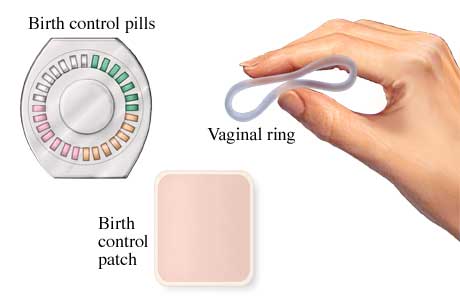
Birth Control Options and Their Reported Blood Clot Connection
Method of Birth Control
| Users Who Got Clots (out of 10,000)
|
|---|---|
The Pill
| 6
|
The Ring
| 7.8
|
The Patch
| 9.7
|
none
| 2-5
|
Data from BBC report of study
Birth Control Users, Calm On Down
So clots can be scary, but guess what? If you get pregnant, your risk rises significantly more and that risk remains for the first postpartum year - remember that a pregnant woman has a whole bunch more blood coursing through her veins than normal (the source, I believe, of the "tell-tale glow"), and that will put some serious strain on her poor circulation system. Anyway, it seems like the vast majority of the world's population has survived this terrible blight, so I'm going to go ahead and not freak out. There are warning signs for most kinds of blood clots, which means there's time to get thyself to an ER.
The numbers are to the right for the major forms of birth control, and here's the BBC report cited in the table.
I hope this will help you sleep soundly at night once more. And poo poo to the fusty BBC fellow who made the study's findings seem horribly shocking.
Ladies!
Does the risk of clotting (or any other listed side effects) make you hesitant to go on birth control?
Related
How to Fly Safely After a Pulmonary Embolism or Blood Clot

Reasons Why the Birth Control Pill May Fail
Getting Pregnant After Depo-Provera Shots

Arguments For and Against Birth Control
Birth Control After a Pulmonary Embolism, DVT, Blood Clot, Factor V Leiden, Thrombophilia, or Other Clotting Condition