Afghanistan Foreign Policy: Differences Between Obama's and Bush's

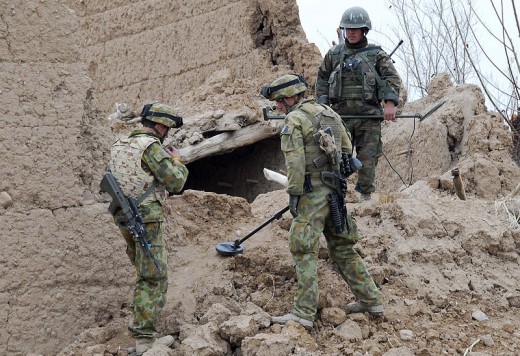
The military situation in Afghanistan is sensitive, calling for firm executive U.S. leadership with regards to what the Middle Eastern culture wants and needs. In the previous presidency, former President Bush’s foreign policy decisions were rather “lofty,” with aims to build nations serving as pillars of democracy in the Middle East (Cooper & Schmitt, 2009). As somewhat of an internationalist, Bush encouraged the nation to take a moral stand against terrorism by intervening in Afghani affairs (Heiser, 2007). Some might say his reasoning was rather neo-imperialist, meaning the methods his administration took to attempt to eliminate terrorism and rebuild nations were similar to colonial expansion. Furthermore, others might consider Bush’s stance on Afghanistan to be isolationist, as he originally opposed introducing peacekeeping troops within the country, he only visited the nation once during his presidency, and he was somewhat distracted from events in Afghanistan because of his interest in Iraq (Myers, 2008).
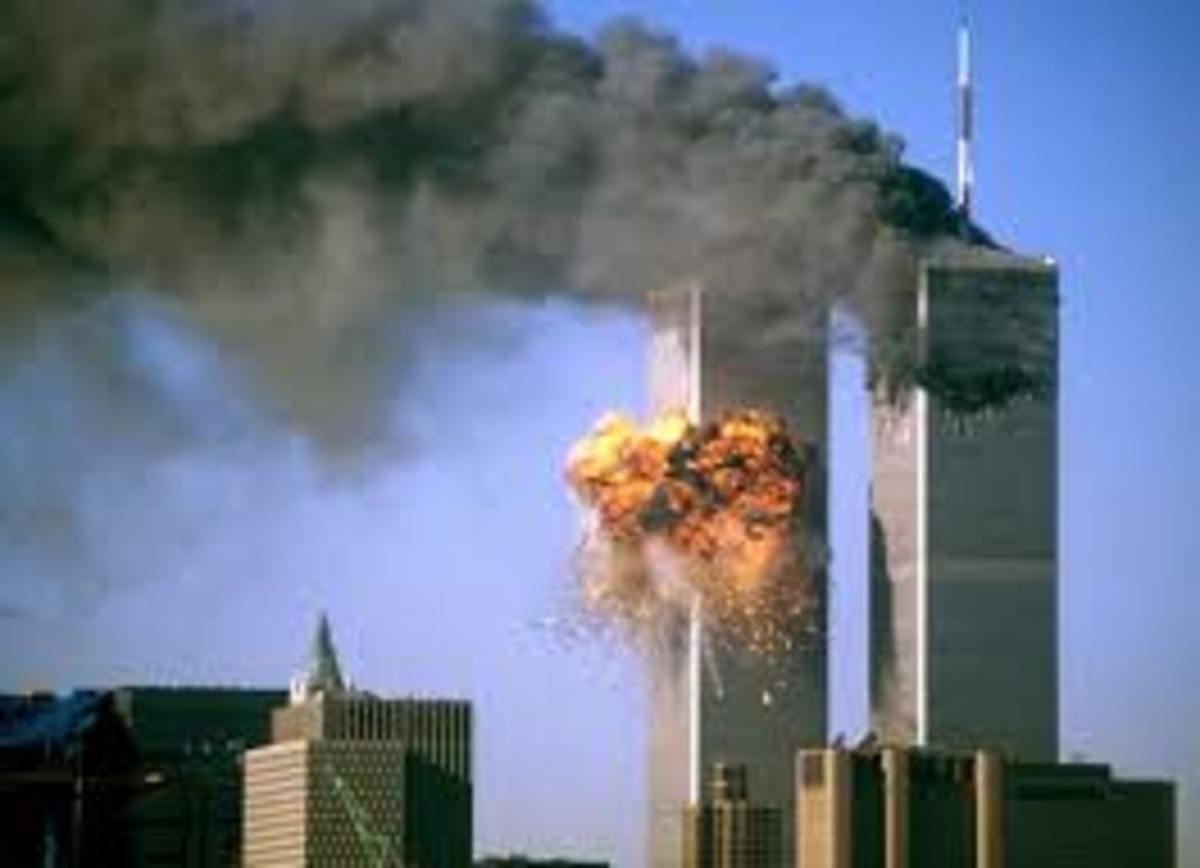
On the other hand, President Obama and his administration plan to widen the involvement of the United States in Afghanistan, while at the same time narrowing its aim at Al Qaeda rather than follow Bush’s expansive approach at nation-building (Cooper & Schmitt). It seems as though Obama is only continuing the internationalist work Bush started in his presidency, as it would be unwise to immediately withdraw all troops from Afghanistan without any follow-up. However, he is using a more isolationist reasoning, attempting to keep the United States out of war with the nation; he has promised 17,000 troops with the intention that they would not serve combat missions but would only train the Afghan Army and national police (Cooper & Schmitt). He also indicated at a White House press conference that his priority in Afghanistan foreign policy is to protect Americans from terrorist attacks like that of September 11, 2001 (Cooper & Schmitt). Lesson No. 3 of “The Fog of War”, which states, “There’s something beyond one’s self,” seems to describe Obama’s foreign policy approach, as he recognizes that this situation is not about glorifying himself or the nation, but about protecting as many people as possible from danger, whether it be American citizens from terror, or Afghani civilians from regional fighting.
I tend to agree with President Obama’s approach to foreign policy in Afghanistan because it seems more well planned; Obama plans to send a large number of diplomats and civilian experts in the nation, and his strategy is much more focused (Cooper & Schmitt). Additionally, I agree with his priorities to keep the nation safe – and potentially save taxpayers a lot of money. The average annual costs of war-on-terror operations in Afghanistan have been about $2.6 billion, and supplemental requests by the presidential administration could bring total funding to $223 billion (Belasco, 2009). With the current state of the economy and joblessness, among other national issues, it seems that that money could be spent on a number of other things to improve aspects of our own nation.
It’s clear that the media has been critical of Bush’s foreign policy in Afghanistan, especially compared to that of Obama. The text refers to “increasing attacks” on Bush’s policies, with the media focusing on “internal fissures over American troop levels, how billions of aid dollars are spent, and how to cope with a deteriorating security situation” (Schmitt & Shanker, 2008). Bush’s policy is set in a bad light when even news sources like The New York Times laments that Obama’s Afghanistan policy is similar to his predecessor’s , calling the situation in the nation a “quagmire” (Cooper, 2009). There seems to be a dearth of information about Bush’s foreign policy in Afghanistan, with shorter lengths of stories on the topic (the longest story being around 1,000 words, while the average story on Obama’s policies hovered around that number). Additionally, the sources in the articles seem strikingly one-sided, with a number of comments from political figures criticizing Bush’s Afghan policy: Andrew Bacevich, an international relations professor at Boston University, was quoted as saying, “There’s clearly a consensus that things are heading in the wrong direction” (Cooper, 2009). The types and tones of stories favor Obama, with titles like “Bush Urges Patience in Afghanistan” and “Bush Administration Reviews Its Afghanistan Policy, Exposing Points of Contention,” as opposed to “Global Views of U.S. Helped by Obama, Survey Says.”
Works Cited
Belasco, A. (2009, May 15). The Cost of Iraq, Afghanistan, and Other Global War on Terror Operations Since 9/11. Congressional Research Service. Retrieved July 25, 2009, from http:// fas.org/sgp/crs/natsec/RL33110.pdf
Cooper, H. (2009, January 24). Fearing Another Quagmire in Afghanistan. NYTimes.com. Retrieved July 25, 2009, from http://www.nytimes.com/2009/01/25/weekinreview/25cooper.html?scp=7&sq=Obama%20bush%20afghanistan&st=cse
Cooper, H., & Schmitt, E. (2009, March 27). White House Debate Led to Plan to Widen Afghan Effort. NYTimes.com. Retrieved July 25, 2009, from http://www.nytimes.com/2009/03/28/us/politics/28prexy.html?scp=3&sq=Obama%20Afghanistan&st=cse
Heiser, M. (2007). Two contrasting views of foreign policy. Etudes. Retrieved July 25, 2009, from https://etudes-ng.fhda.edu/portal/site/9b3221fb-87c8-4d20-8013-799e0ccc42d9/page/5a93f5f9-ea36-4041-0044-3689b170c79e
Myers, S.L. (2008, December 15). In Surprise Visit, Bush Affirms Commitment to Afghanistan. NYTimes.com. Retrieved July 25, 2009, from http://query.nytimes.com/gst/fullpage.html?res=9900E4D9153FF936A25751C1A96E9C8B63&scp=2&sq=bush%20afghanistan&st=cse
Schmitt, E., & Shanker, T. (2008, September 22). Bush Administration Reviews Its Afghanistan Policy, Exposing Points of Contention. NYTimes.com. Retrieved July 25, 2009, from http://www.nytimes.com/2008/09/23/washington/23policy.html?_r=1&scp=5&sq=bush%20afghanistan&st=cse
Foreign Policy Summit 2008
Related
LBJ, Nixon, Ford, Carter, Reagan, and George H.W. Bush: The Influences Upon Their Foreign Policy
Changing Dynamics of Chinese Internal Politics and Foreign Policy Under Xi Jinping
True Reasons Iraq Was Invaded
Why the World Views America so Differently Than Americans Do
Donald Trump: America’s Greatest President