create your own

African Fat Tail Gecko

83
rate or flag this page

By Whitney05


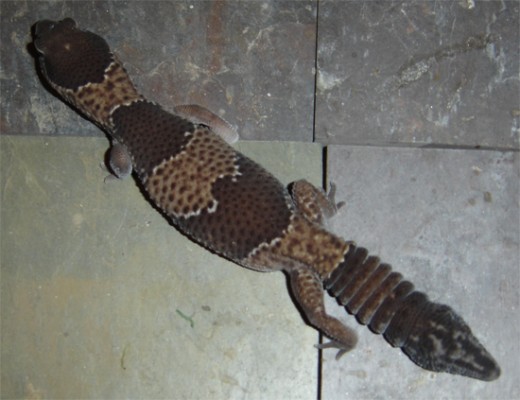
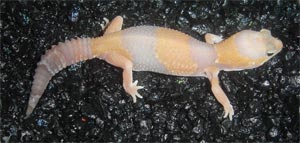
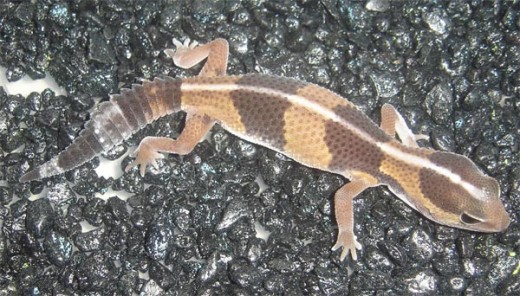
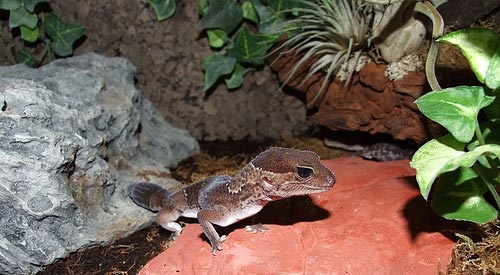
AFT Morphs

Click thumbnail to view full-size
Standard Banded
Standard Banded

Hemitheconyx caudinctus

African fat tail geckos originate in West Africa. They live in dry, arid regions of Senegal and Cameroon.

Being nocturnal reptiles, AFT's spend a lot of their time during the day in dark, humid places. AFT's are terrestrial geckos that find crevices under and between rocks to hide. Although, they can climb a little, they are very clumsy at it.

African fat tail geckos are similar to the leopard gecko except for a few differences. AFTs are stockier, have slightly smaller feet, and bulkier heads. They, also, require more humidity than their leopard gecko cousins.


AFT's as Pets

This particular species is very docile, even more calm than leopard geckos. They rarely bite or show any aggressive nature. Although, they may hiss when they are spooked, African fat tails rarely bite.

Although they are very docile and withstand handling, you must be careful of their tails. Never grab an African fat tail by the tail because when they are frightened, they will drop their tails. Their tails do grow back, they do not grow back nearly as pretty.

Be weary when handling baby and juvenile geckos, they can be spooked easier than an adult and are more willing to drop their tails. Never allow young children to play with reptiles unsupervised.

African Fat Tail Lifespan

African fat tails can live an average life of 15 to 20 years with the proper care and husbandry. The earlier years of an AFT's life are the most important because without the proper care, young geckos can suffer health concerns later in life. Proper heating, supplements, and diet, must be provided for a gecko to have a long and healthy life.

AFT Size

AFT's grow anywhere from 6 to 10 inches on average.

Females tend to be slightly smaller than males at an average length of 6 to 8 inches, where males tend to average 8 to 10 inches.

African Fat Tail Shedding

AFT Enclosure

A 10 gallon aquarium is the minimum size for one African fat tail, whereas a 20-gallon long aquarium is more sizeable for one.

NEVER house more than one male together because they are territorial and will fight, to which one or more of the geckos will end up seriously hurt or killed.

Unlike males, you can house more than one female in the same enclosure, and with adequate housing, several females can live with one male for life, but this is not recommended because this can cause undo stress and bullying amongst the geckos.


African fat tail Set Up
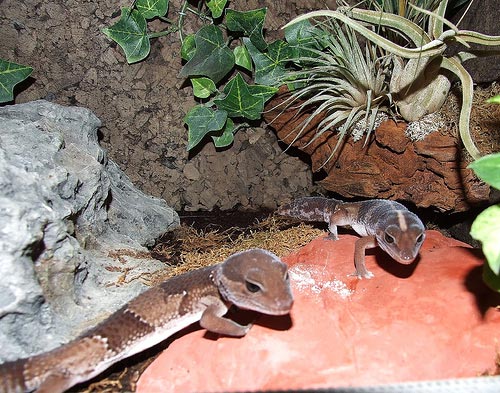
Filling the Enclosure

Substrate:

African fat tail geckos should be housed on solid surfaces such as paper towels, tile, or reptile carpet. You should not house any reptile on loose substrates such as playsand, calci-sand, wood shavings, etc. Loose substrates can raise the risk of impaction.

Decor:

Because African fat tails are nocturnal, you will need to make sure to include shelters and hides in the enclosure. Put at least two shelters in the cage- one on the warm side and one on the cool side.

Because AFTs require more humidity, you will need to add a humid hide in the enclosure. You can make a humid hide by taking a tupperware, cutting an access hole in it, and filling it with moist moss, vermiculite, or perlite. You can even put damp paper towels in it as well. Make sure to always keep it damp.

Reptile hammocks can, also, be added, allowing more room to roam.

Make sure to have plenty of room so the gecko can maneuver around the terrarium with ease; without adequate room to walk comfortably can cause stress on the gecko.

Lighting

Since African fat tail geckos are nocturnal, they do not require any UV lighting, and it is really up to you as to whether or not you want to use a regular light.

Using a day light, creates a day and night scenario for the gecko, but is not necessary. Having a light will not increase the enclosure temperatures too much; it may affect the air temperatures, but not the substrate temps that the gecko will be getting the most of.


Heating

The proper daytime temperatures should range from 82 to 88F, and the proper nighttime temperatures should range from 75 to 82F.

The best way to provide an AFT the proper heat is by using an under tank heater, since they acquire most of their heat through their bellies. Make sure to follow the directions on the package, because if not followed properly, they can cause stress cracks to the aquarium.

When using under tank heaters, I recommend not attaching them to the bottom of the enclosure, as it makes cleaning easier not having to worry about it.

During the cooler months, in the wild African fat tail will adjust to the cooling temperatures and limited food by going into a hibernation, or brumation, state, in which they eat less and become more lethargic. If the brumation period is not done correctly, it can be detrimental to your gecko, so it is NOT recommended that you attempt to lower the temperatures.

DO NOT use heat rocks as exposure will burn your gecko.

Humidity

African fat tails need a slightly higher humidity than that of a leopard gecko. In order to achieve this do not mist the cage, as misting can make the humidity level too high. High humidity levels can cause mold formation and health concerns such as upper respiratory infection in the gecko.

To achieve a good humidity level, provide a humid hide in the enclosure, making sure to keep it moist as all times. The AFT will go to the humid hide when he feels he needs to. Do not force an African fat tail gecko to stay in his humid hide.

Remember that too low and too high humidity can be detrimental, but as long as you provide a humid hide, your AFT will be able to get the proper humidity that he needs.

African Fat Tail Diet

African fat tail geckos are insectivores, meaning they eat insects. The diet of an African fat tail gecko can be based mainly on crickets.

Remember that any feeder insecet needs to be size appropriate; insects must be at least half the width of the gecko's head and no longer than the length of the gecko's head.

Do not get insects from your backyard because insects travel and can carry pesticides and chemicals used by either you or your neighbors, which can be detrimental to the gecko's health, even killing the gecko.

Gut-load any insect that you decide to use to feed your gecko. This gives the insect more nutrition that can be passed on to your gecko. Even though you gut-load, you still have to dust the insects with calcium and/or a multivitamin.

Water should be provided at all times. When keeping a baby African fat tail gecko, do make sure that the bowl is not so large that the baby can drown.
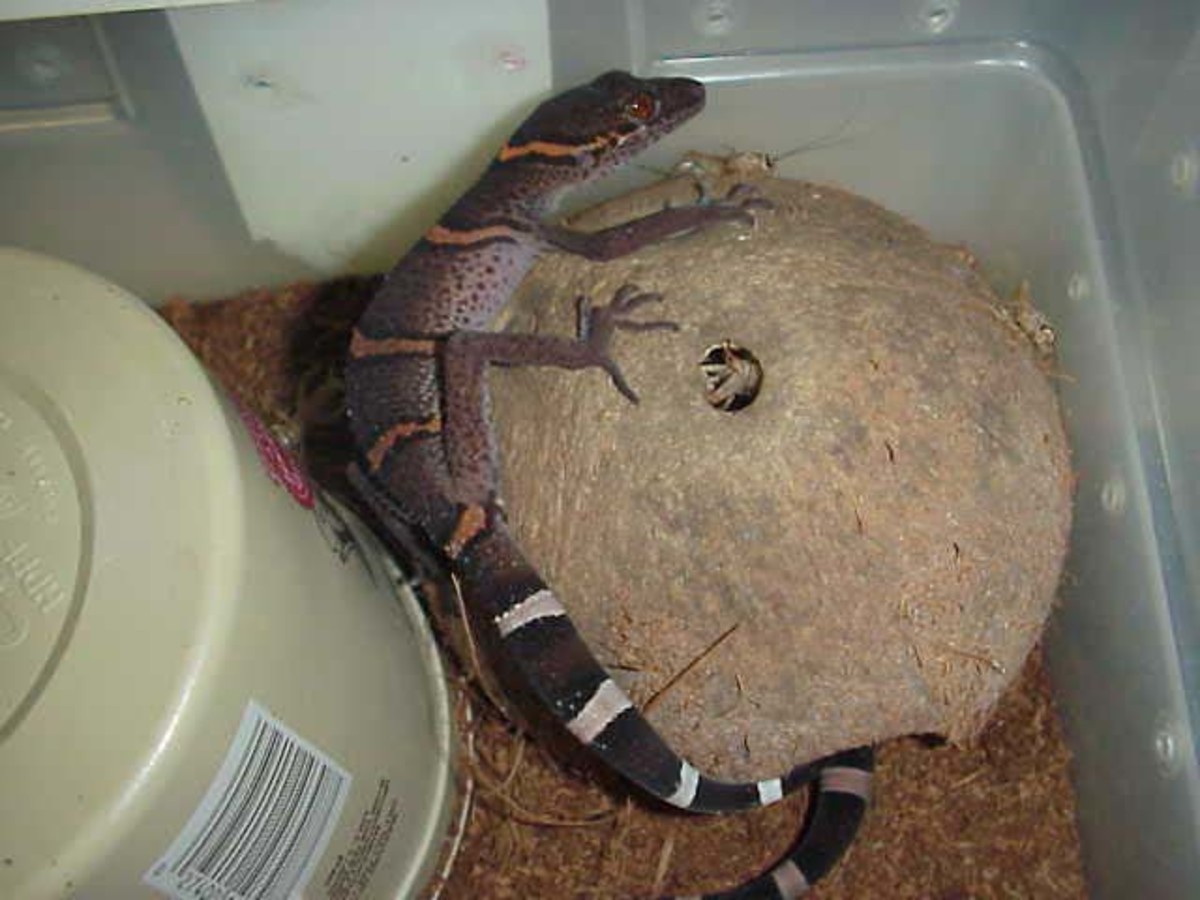
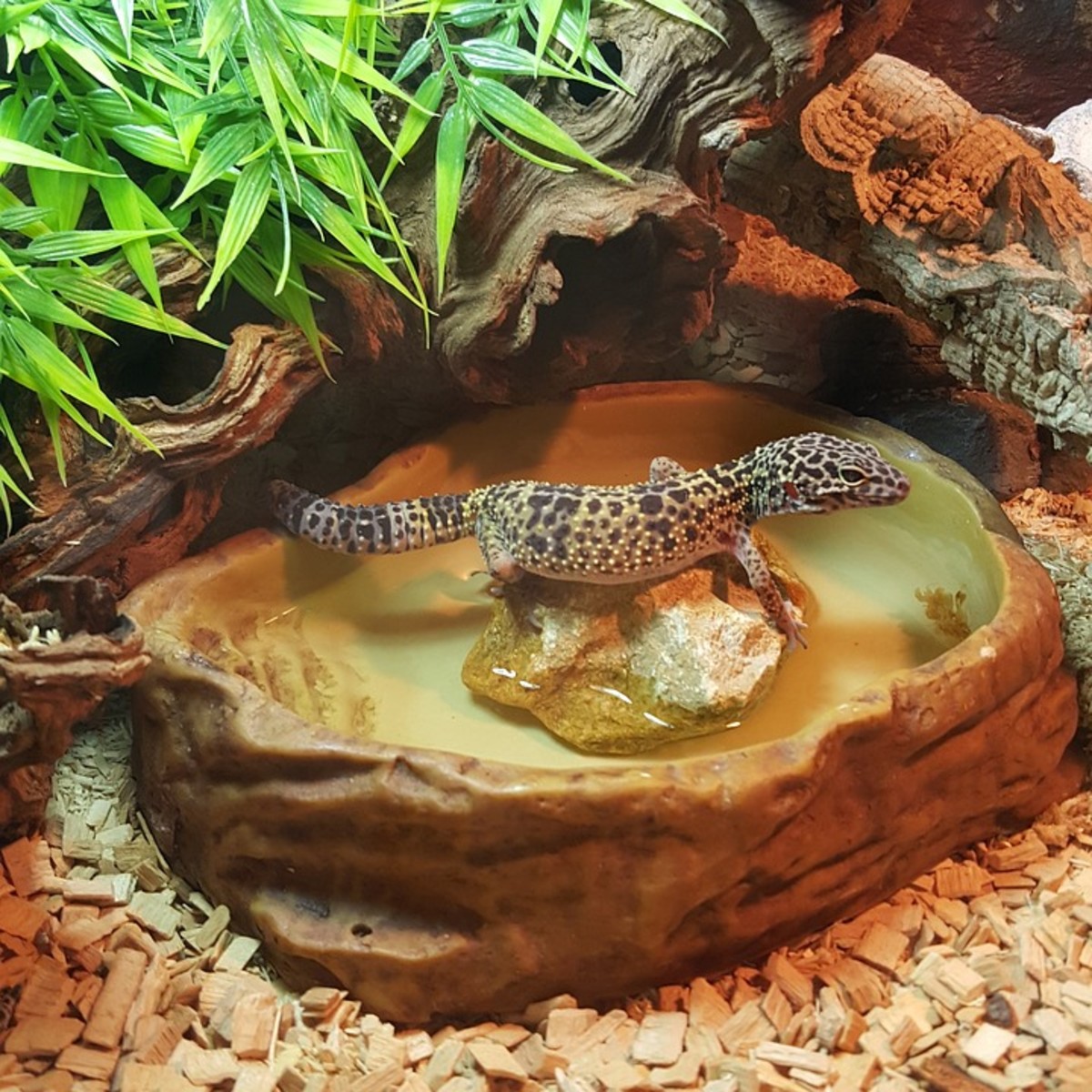
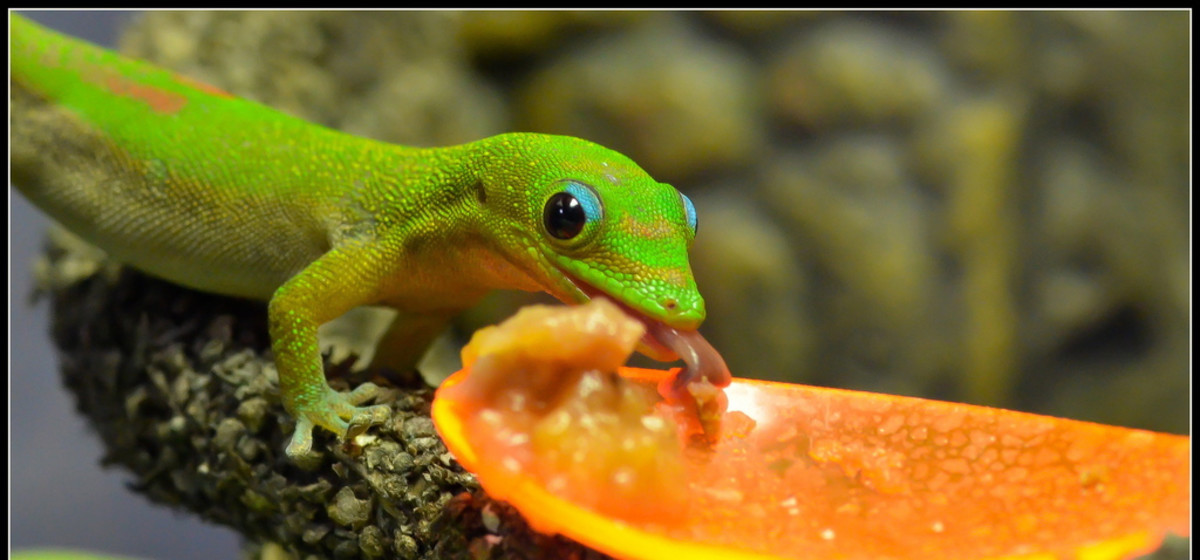
African Fat Tail Eating Crickets

Comments

RSS for comments on this Hub

Krista 07 profile image

Krista 07  says:
2 years ago

 Wow! African Fat tailed Geckos are so beautiful.

I wanna get one

Whitney05 profile image

Whitney05  says:
2 years ago

They are gorgeous. I find them much more docile that leopard geckos, although the leopard gecko does come in many more morphs than the African fat tail.

The three pictured at the top are three of my girls. I need to get an updated picture of the Amel. She's brightened up a good deal since that picture.

Krista 07 profile image

Krista 07  says:
2 years ago

awww.. really?

Whitney05 profile image

Whitney05  says:
2 years ago

Yea. I have the top one on a breeding loan right now.

JazLive profile image

JazLive  says:
2 years ago

Exotic animals are as pleasing to the eye as flowers.

NUN MAN  says:
2 years ago

Is That even a Fat tailded Gecko!

Whitney05 profile image

Whitney05  says:
2 years ago

Yes. All the pictures on this page are of African fat tail geckos.

Patty Inglish, MS profile image

Patty Inglish, MS  says:
2 years ago

Cute fat-middled beings!

bob  says:
2 years ago

u guys i love animals i have a fat tail geckoe his name is (RALPH)

dirty  says:
2 years ago

do u need two hiding spots such as one over the heat pad and one away from the heating pad

also i only have one dish with water in it ,so should i put another in there for cooling

Whitney05 profile image

Whitney05  says:
2 years ago

dirty you need at least 3 hides for African fat tail geckos. 1 dry hide in the hot side, 1 humid hide in the hot side, and 1 dry hide in the cool side.  You should have the water dish on the cool side to prevent evaporation. Having the bowl on the hot side, the water will evaporate faster than in the cool side.

martyn  says:
2 years ago

awww, well cute, i love the way they shake their tails when they eat crickets ,and it just seems to be with crickets and nothing else.. lol~i have a 3 y.o male, called eric xD

Bex  says:
17 months ago

heya! i have a baby boy gecko called bob (XD) i was wondering if they can swim...... just curious .......

Whitney05 profile image

Whitney05  says:
17 months ago

I wouldn't put the gecko in a filled sink, but you can put just a little water in a bowl and the gecko will waddle around. But there's no reason to do that.

Bex  says:
17 months ago

Cheers! I was just curious anyways.....

julie  says:
16 months ago

i have a fat tailed gecko and she's beatiful she is named mango]

Corey  says:
15 months ago

I just bought one to add to my collection of animals, named him Dr. Bob just for the heck of it. Cute little fellow, quite friendly too!

Krissy  says:
15 months ago

we just bought a female and the pet store told us a way diffrent than what is told to us on this web page. what should we do?

Whitney05 profile image

Whitney05  says:
15 months ago

What did the pet store tell you? For the most part what I've outlayed is pretty accurate. Please remember that most pet store employees really don't know what they're talking about and get most of their info from outdated care sheets. But, what did the employee tell you, maybe I can clear something up if I know specifics as to what differs from my caresheet to what they told you.

Carolina  says:
14 months ago

I have a fat tailed gecko and i want to know what gender it is do you by any chance know how? and i noticed that the pictures of you african fat tails have longer and skinnier tails than mine does and i was woundering if that was normal.

Whitney05 profile image

Whitney05  says:
14 months ago

Adult males have dark pores in the shape of a V at the vent. They also two bulges. The pictures I have above are of younger AFTs. They also have their original tails, except for hte first one.

Carolina  says:
14 months ago

thank you so much :))

Bex  says:
14 months ago

do you know anything about pregnancy in geckos? How many eggs will she lay? What do I do? HELP!

Whitney05 profile image

Whitney05  says:
14 months ago

Bex, I know plenty. Females lay typically 2 eggs every 2-4 weeks for about 3-4 months. The first breeding is typically much smaller and less productive than any other breeding thereafter. You need an incubator to properly incubate the eggs, and should go ahead and remove the male from the enclosure.

mike09  says:
13 months ago

do you know anywhere i can buy an adult female fat tail gecko , i work in an exotic reptiles shop so i have the knowledge and easy access to things such as vivariums . i have a male gecko and i hope to breed , so do you know anywhere ?

Whitney05 profile image

Whitney05  says:
13 months ago

Try various breeders n the internet. More than likely, it'll be easier to find a juvie than an adult. I know lately I've only seen amels and stripe amels, which are quite pricey, and you will end up with normals possibly het for amel. I just sold my one and only adult female, and it took a good while to sell her. Try reptile shows, as AFTs are a dime a dozen at most reptile shows.

I will add that it is typically very hard to sell normal AFTs, but since you work at a reptile shop, you could probably just sell through the shop. I don't understand, though, why you can't order female AFTs through your shop.

mike09  says:
13 months ago

because unfortunately the groups we order from are out of the adult females and are extremely limited on there stock and the next time we could get one could be 7 months from now :(

Whitney05 profile image

Whitney05  says:
13 months ago

Well, it's always best to wait and not rush into things anyway. You need to make sure to have the incubator, housing for hatchlings, quarantine time for the female, etc. I'd just suggest a reptile show, as like I said before they really are a dime a dozen there for wholesale purposes, but that doesn't mean that they're of good health or anything like that. Try online classifieds, but then you'll have to pay shipping, but more than likely you'll get a better specimen.

May I ask why you want to breed?

Josh  says:
13 months ago

My female AFT has stopped eating for the past severl days to 1 week. We live in a northern climate where the nights are getting coller but we have a heat lamp and tank heaters for her. She shares the tank with a slightly larger male. They get along fine and we have removed the male for feeding time in hopes that she has less competition for her food and eat but that has not helped. Any ideas?

Whitney05 profile image

Whitney05  says:
13 months ago

I would keep the two separated unless you are breeding, and even still it is not breeding season. Is the female losing weight? if so definintely consider stress and bullying. he's probably trying to mate with her and hse doesn't want to. How old are the two? How long have you ahd them? what is the actual temperature on the surface of the tank, where they spend most of their time?

Josh  says:
13 months ago

Come to think of it Hobbes (the male) has been acting funny - digging holes and climbing everywhere. When is breeding season? We'll separate the two for now.

P.S. is Eco earth (cocnut fiber) a good substrate for AFT?

Whitney05 profile image

Whitney05  says:
13 months ago

Nope. you should have them on paper towels with a humide hide for humidity, as they can ingest the loose particles and become impacted, which is fatal.

Breeding season is typically spring and summer. They should be separated throughout the year. If you want to breed, then have them together for just a few months.

ashleyxliz  says:
12 months ago

where did you buy the regular aft?

and how much did it cost?

Whitney05 profile image

Whitney05  says:
12 months ago

I got her at a reptile show from a breeder for about $40 I think. I don't remember, it's been a few years since then.

ashleyxliz  says:
12 months ago

how can i go about finding a breeding show?

Whitney05 profile image

Whitney05  says:
12 months ago

It's not a breeding show, but a reptile/herp show. You will need to do a search for reptile shows in your area.

KAM  says:
9 months ago

Hey a have two leopard geckos, and just bought a fat tail gecko, I'm getting mixed signals about whether or not I can mix them together. I know as for climate, the fat tail needs a humid hide. I had one leopard originally and added the second a month ago... do i just need to worry about sex and size?

Whitney05 profile image

Whitney05  says:
9 months ago

You cannot house them together. You need a separate enclosure for the AFT. Just because they are closely related, they are not from the same origin, and do not have the exact same enclosure requirements. Do not house them together.

minpin21  says:
9 months ago

hey! we are buying an aft on the weekend from a pet store, it's probably a baby, is there any info you can give me to make sure she does well when we bring her home? i'm getting a little put out by all the mixed info on these web pages! some say tropical some say not, some say mist some say don't! very confusing! i just want to make sure we give it the best home possible so she can live along life! what is gut loading? which vitamin supplements would you recomend, we have a 30 gallon tank, is that to larg for a juevenile? i know it's alot of information to ask, but i realize now that i was grossly uninformed by the pet store, and want to make this a safe and healthy transition for this little beauty!

On a lighter note My son wants to name her DEER RAINBOW so cute! (yes it's deer like the animal i don't know why!)

Whitney05 profile image

Whitney05  says:
9 months ago

You don't necessarily need to mist the tank. Just make sure that the humidity is a good level, and that you constantly have a moist humid hide available. Do not mess with the gecko for at least 3 days after bringing it home. a 30 gallon is a little large, but I'm not sure how big the gecko is. It may do fine, as essentially a 30 gallon has the same floor footage as a 20 galon long, so it's really not that big a deal. The main difference between the two tank sizes is that 30 gallons are taller. Be very careful about purchasing from pet stores as reptiles from pet stores are commonly ill.

WarDawg117  says:
8 months ago

About 1 week ago, one of my friends just gave me a AFT. I'm not sure if he's a standard banded( he's that color) but he's design looks like the striped het amel with the white stripe. He said he is only about 5 years old. He gave me everything he had for him. I think he's extremly stressed and is getting sick. I don't know why, I'm being very good to it. We always plyed with him at my friends; he always hunted in front of us, and always clawed around on us. Now he never lets us see him hunt, and he never comes out of coconut cave. He's tail does seem chapped and deflatted. Why? He has planty water and its always cleaned. The temp is around 83 at day and 65 at night. HELP!

Whitney05 profile image

Whitney05  says:
8 months ago

It's prbably stressed out. As for the morph, if purchased from a petstore it's probably just a standard. The bands can vary they're not going to look identical to what the one picture looks. Bump up the temperatures and make sure that you're measuring with a digital thermometer with a probe for the most accurate reading. If he's losing weight, consult a vet as soon as you can.

vato bobs owner  says:
7 months ago

DO you have any suggestions as to where i can get a female fat tail ive havnt beeen able to find a good site.

Whitney05 profile image

Whitney05  says:
7 months ago

Check kingsnake.com Right now most breeders are out of available AFTs because the new season is just really starting.

nicko guzman profile image

nicko guzman  says:
7 months ago

Sorry for my ignorance,but I am new to AFTS.What are the differences between them and leopard geckos.

Whitney05 profile image

Whitney05  says:
7 months ago

Native habitat; enclosure requirements- humidity and temps; temperament is a little different. AFTs are slightly more docile.

Christopher  says:
7 months ago

Hmm, I don't think thats true about substrates. From my experience with fat tails you can use particle bedding. Of course it depends if you have adequate lighting, eating habbits, etc. My two afts have been on "desert blend," by zilla, which are basically ground walnut shells. No impaction. There are others who use every other particle substrate under the sun and no problems. I don't know, I'm just saying don't rule anything out unless you have good cause. Thats just me.

Whitney05 profile image

Whitney05  says:
7 months ago

AFTs are under that same rule. They cannot digest the material, and if they consume too much it can and will cause impaction.

Consider that you have a moderate humidity reptile on DESERT substrate. Desert equals low humidity.

Just because you haven't experienced any problems, doesn't mean others haven't. If you do the research on impaction, you will easily come across a number of people how have experienced problems. No reputable breeder will use loose substrates.

lukes  says:
7 months ago

i cant decide my gecko jackson's (i think hes a guy) sex!! :\ please HELP!!

Whitney05 profile image

Whitney05  says:
7 months ago

Here is a link for breeding leopard geckos, but there is a picture showing the difference between male/female. It will be te same for your AFT.

http://hubpages.com/_reptiles/hub/Breeding_Leopard

Kenny G.  says:
4 months ago

I have 3 Leo's but I am a huge fan of your Fatty's. I also love how you take time out your day to keep us educated. Thank you Sooooo much

Heather  says:
2 months ago

I just bought two AFT and neither one of them will eat. I'm really worried... i've only had them 3 days... but they wont drink and they wont eat... they just hide under their log... any suggestions?

Whitney05 profile image

Whitney05  says:
2 months ago

You've only had them for 3 days, it's normal for them to not eat for a few days while adjusting. I'm assuming they're housed separate, as that's best housing for AFTs. They will nearly always hide except for at night. AFTs are nocturnal and roam at night, sleep during the day.

Heather  says:
2 months ago

they are housed together.. they were housed together at the pet store... they get along fine... i know they are nocturnal, lol so am i. if they dont start eating by sometime next week, when should i start to worry?

Whitney05 profile image

Whitney05  says:
2 months ago

pet stores can generaly house together because it's short term. You can't guarantee there's no bullying unless you stay up all night to watch them. Same with drinking. You can't guarantee they're not drinking unless you're watching them all night. Eatin is different. They should be feeding on crickets by this time; you've had them for almost a week now, right?

Double check surface temps. and consider a vet to rule out parasites. Pet stores are high risk source of parasites. Even if they say they were vet checked, generally they're not unless they feel the animals are sick. I've worked at a pet store and have known many people who have worked at other stores. Animals aren't checked unless they show signs of illness there.

heather  says:
2 months ago

My male ate two crickets in front of me tonight... my female i havent seen eat... thank you for your help... i will check into a local vet and have them checked out.

heather  says:
2 months ago

one more question, since the pet store didnt know how old they were.. how can i tell how old they are?

Britt&tedo  says:
2 months ago

Hey, im brittany ! I have a african fat tailed gecko at home and hes about 7.But then again i dont know how old he was when we purchased him.He is so funny,but i dont think has that good of eyesight,and has only bit once,His name is tedo and he is a joy!?

Whitney05 profile image

Whitney05  says:
2 months ago

Heather, if you have both the male and female housed together. you need to seaprate them. They will breed, and it is very stressful on the female's body if not bred correctly. You will shorten the lifespan and cause great stress on the female. If they are fully grown, then you won't know. If they're still growing, then length and weight can estimate the age.

Britt AFTs can make great pets. Glad you've been able to successfully keep yours for 7 years.

Heather  says:
2 months ago

Thanks for the advice... I seperated them 2weeks ago... her tail is awfully thin and it looks like it shrunk... she does stay in the humid hut i have for her.. i've seen her drink water from her bowl...i'm still a lil worried about her diet.. i tryed wax worms and meal worms... my male wont eat the meal worms... he licks it then walks away from them lol... he seems to be doing better.. he ate 6 crickets today. i just changed his bedding... i'm about to change hers... my male seems to be in love with his reflection off the tank.

heather  says:
2 months ago

so mindy is sneezing... i'm sure thats normal... but how much is normal?

Whitney05 profile image

Whitney05  says:
2 months ago

I don't understand sneezing. I don't think that it's possible. Sneezing like a person? And, no that's not normal by any means.

It could be something respiratory, which means you need to see a vet.

I'd use paper towels as bedding. Most AFTs prefer crickets over worms.

Michelle  says:
6 weeks ago

whitney, you're a great source of info! I've had my guys for about 4 years now and think I'm ready to breed. I just purchased a female from www.jmgreptile.com. I'm going to quarantine her for about 3 weeks. is this long enough?

Whitney05 profile image

Whitney05  says:
6 weeks ago

It's best to quarantine for at least 30 days, 60-90 is best. They are best house separately, even after the quarantine period.

Michelle  says:
6 weeks ago

Whitney, I'll definitely keep housing her separately. I got her yesterday. She's about 5 months old, and she keeps running up and down the side of her tank. Looks like she's trying to get out. She even kind of "jumps" up, stands up and wiggles against the side of the tank. Is she just getting used to this new place? Should I cover her tank for awhile so she will quit thinking she can get out? Thanks again!

Whitney05 profile image

Whitney05  says:
6 weeks ago

She's probably just exploring and getting adjusted to the tank.

Jerome  says:
6 weeks ago

hey whitney thanks for all the info on the aft's and i am going to get 1 asap (at least when school is over :P). I just have a couple questions my dad says that we will use sheet rock for our geckos surface of his tank (What size tank should a juvie tank have and what size should maybe a 3 year old gecko have?)and my dad is a diplomatic veterinarian so i would think to believe him he said that "If the gecko gets hot he will go to the other side of it's tank, and what i have learned about gecko's are that you CAN have play sand in it's tank but you have to take it out to feed it. I just need a little heads up on aft's before i get one. And if i leave for vacation i need to know what to do!

Heather  says:
6 weeks ago

Ok so Mindy has stopped eating, her tail has shrunk... her body is starting to grey, but her nose and front of her face is very dark brown.. and i notice her face looks a little deformed... She didn't look like that when i bought her... i did seperate her from the male... i don't have money to take her to a vet and there isnt an exotic vet locally. what should i do?

Whitney05 profile image

Whitney05  says:
5 weeks ago

Jerome, I'm not sure if sheet rock is a good idea. 20 gallon is optimum so that you have room for hide on hot and cool side as well as a humid hide. Yes, they will go to the cool side if too hot. Not all veterinarians are fluent in reptiles. Sand can and will cause impaction. Sand is also a BAD idea for AFTs because it can lower the humidity level. Not all adults know what they're doing with reptiles, and not all veterinarians know how to treat or raise them.

Heather, I would definitely seek assistance of a reptile veterinarian. The stress or potential illness that she has is not getting better. You can try force feeding, but if there is a true illness behind this, force feeding just isn't going to solve any problems. I have a slushy mix for leopard geckos that you may want to try, but like I said it's not a fix all by any means.

http://hubpages.com/_reptiles/hub/My_Leopard_Gecko

Jerome  says:
5 weeks ago

well my dad would know because he has been a veternarien for 40 year's

Whitney05 profile image

Whitney05  says:
5 weeks ago

Is he a reptile veterinarian? If not, then he may not know.

I've gone to a few vets who have been vets for many, many years, and they'll tell you they don't see dogs and cats. Even some that partially see reptiles, do not fully understand their care.

If he does not treat reptiles, then he probably doesn't know all the care for them.

Trust people who have raised them for years. Sand can and will cause impaction, which is fatal, meaning it can kill your pet. Sand for AFTs, will cause the humidity to lower, which is not in proper husbandry.

jerome  says:
5 weeks ago

yea he does

Whitney05 profile image

Whitney05  says:
5 weeks ago

I'm sorry but if your father is saying that reptiles do not get impacted from sand, then he is wrong. If he's saying that AFTs can live long healthy lives on sand, he's wrong.

Explain to me how this leopard gecko died from sand impaction, if sand as a substrate cannot harm reptiles?

http://hubpages.com/_reptiles/hub/Impaction

Anonymous  says:
4 weeks ago

Whitney, you have really great advice and are an experienced AFT owner. Don't let a child get under your skin :) They like to irritate.

Whitney05 profile image

Whitney05  says:
4 weeks ago

The kid's not bothering me. I'm just trying to help him understand that he's father may be smart, but if he's telling him things that have been proven incorrect, he needs to know the proper way to care for the animal before he takes advice that can potentially kill the pet.

Amanda  says:
3 weeks ago

I need help with my AFT. She's about a year and a half old, I got her last April, she was doing greattt up until a few weeks ago when I noticed she had stopped eating. She was a fatso, and now she's starting to loose weight and her colour! With her last shed I guess trying to rub the skin off her nose she rubbed her entire front of her nose off, and so I talked to people at a Reptile store and they told me to start putting KIDS polisporin on her nose and feed her Chicken baby food to give her some nutrients. I'm very concerned about her, she just shed again two nights ago again, and today I noticed she is losing her colour, it has gone to a dull orange and her brown has faded to grey.

If anyone can give me anything to help that would be fantastic!

Thankssssssss

Whitney05 profile image

Whitney05  says:
3 weeks ago

Check your temperatures. Make sure your humidity hide is good. Also consider a vet. If nothing has changed, then it's probably sonmething simple. Make sure that your under tank heater is still working properly and the temperatures are sufficient. You may consider changing what you've been offering to another food; if you usually feed crickets try worms or small dubia roaches.

Anonymous  says:
3 days ago

Rubbed the front of her nose off? Sounds like mouth rot. That is not something simple, but serious. She needs to get to a vet where they can prescribe Baytril to her. Sylvadine cream and UVB lighting will help.

Submit a Comment

Members and Guests

Sign in or sign up and post using a hubpages account.


optional


  • No HTML is allowed in comments, but URLs will be hyperlinked
  • Comments are not for promoting your hubs or other sites

working