Beginning Beekeeping

The Job of Beekeeping
The decision of whether or not to keep bees is a personal one. Not everyone is cut out to keep small, stinging insects, even if they love honey. Bees require a lot of attention, especially if you're considering doing this in a suburban or city location. It is important that you educate yourself on the art of beekeeping before you begin your journey in this line of work. If you're prepared, you'll be more likely to be successful at it, and have a lower chance of getting stung by your hive of bees.
From Pollen to Honey
Click thumbnail to view full-size


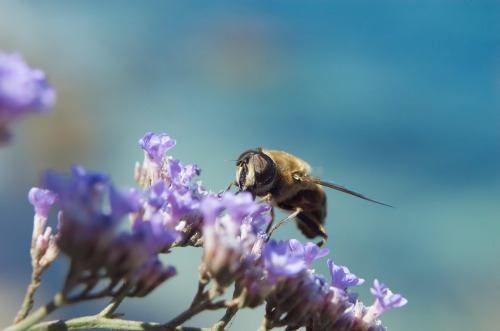
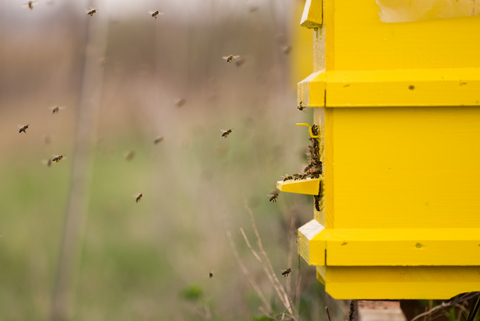
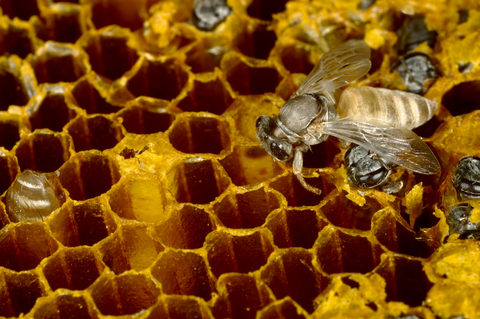
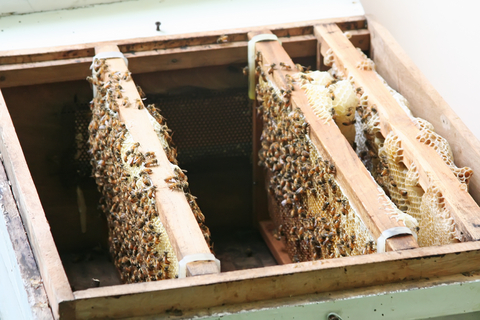
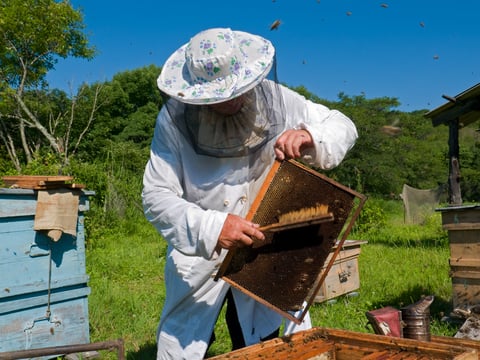
Beekeeping Essentials
First, find a beekeeping group nearby or talk with someone through your Cooperative Extension office about your intentions. They can help you avoid the many pitfalls of beekeeping and may also be able to provide you with free materials on the subject. In addition, clubs can help you learn, hands-on, how to care for your bees and the proper methods of honey collection.
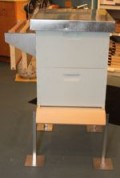
Next, before you get your first bees you'll need some real hives. If you live in an area where beekeeping is prevalent, speak with a local beekeeper to find out where they get their hives and supplies. If none is available, go online and look for "beekeeping supplies" or "beehives." A complete hive setup can be found new, for less than $100. Don't buy used hives unless you're sure you can do all of the repairs necessary to bring it up to standard.
Buy the equipment you'll need early on. Start with buying your beekeeper clothing (gloves, hat, suit- if you want one) and a smoker. Next you'll need to start buying honey collection equipment. The scope of your project will help you determine the size of the equipment. This part of beekeeping is probably the most expensive. Used equipment may be found through beekeeping clubs or online.
Buying or Moving Bees
In order to start your hive, you'll need some bees and a queen bee. Believe it or not, you can obtain these through the mail or from a source online. Additionally, by contacting a local beekeeping club you may also find people who want to get rid of some bees in their home, barn or a tree. While this is one way to get bees, it is better to use these bees to add to your existing hives. Bees collected from other sites to start a new hive don't always stay, especially if you find you didn't get the queen when you moved them.
It is also important not to move bees right before fall and winter set in. Bees need to collect enough honey to live on for the winter. If you move bees too late in the season, you run the risk of your bees starving and dying over the winter. It is better to move hives early in the spring.
How to Start Beekeeping
Beekeeping Supplies and Resources
- Michigan bees
Michigan beekeeping information - Arnold Honeybee Services | Bees For Sale
Arnold Honeybee Services is a comprehensive source for all apiary products and services - from honey and pollen to crop pollination and bee removal. - Beekeeping Journal Beekeeping Equipment & Supplies Beeswax Candles Apiculture Equipment
Dadant & Sons Inc. specializes as a Beekeeping Journal. Dadant & Sons Inc. offers Beekeeping Equipment & Supplies, Beeswax Candles, and Apiculture Equipment
© 2009 Charlotte Gerber
Related
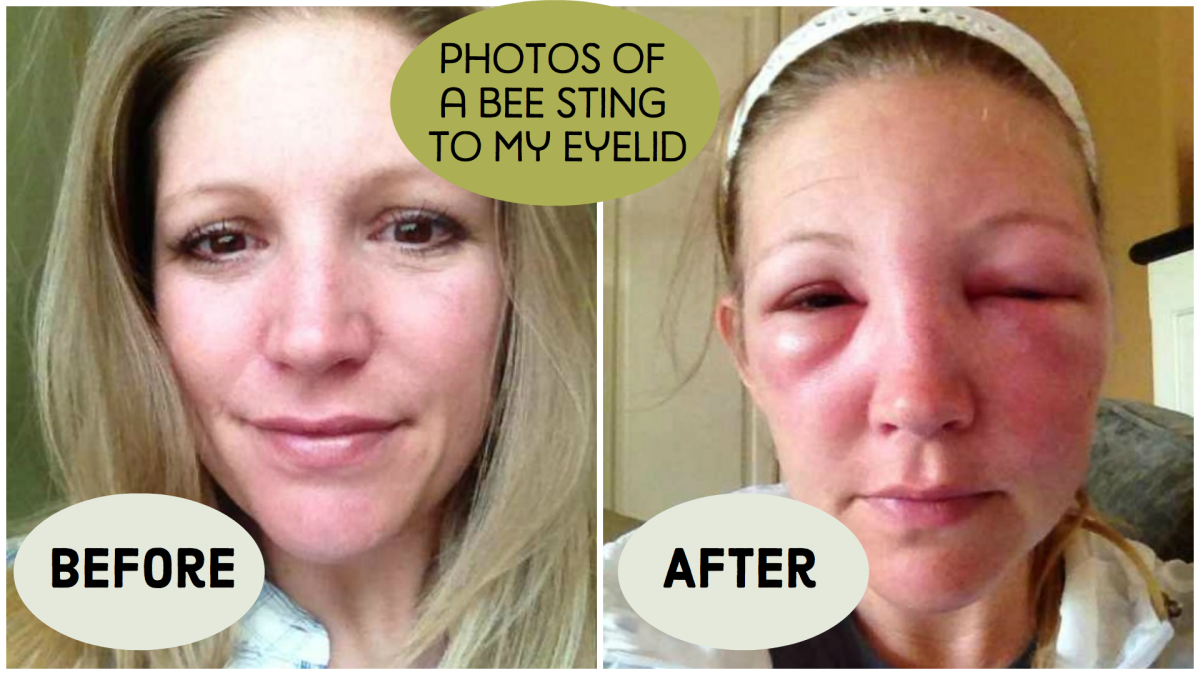
My Experience of a Bee Sting Near My Eye (With Photo Progression)

Where Have All the Honey Bees Gone? The Mystery of the Disappearing Honey Bees
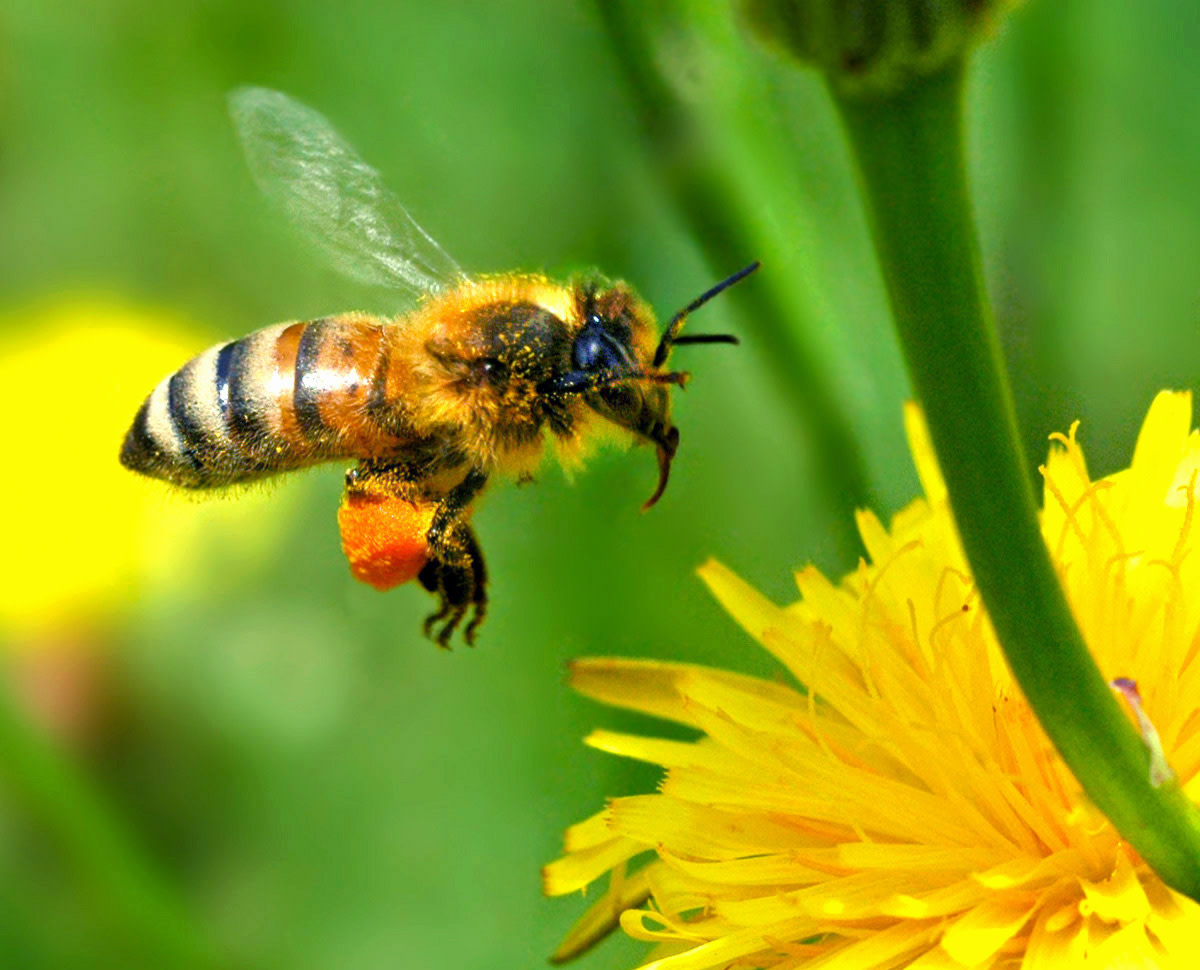
Benefits of Natural Honey Enterprises – Beekeeping for Profitable and Diversified Farming
Invasive Insects—How Dangerous Are Killer Bees in the USA?
A Swarm Landing on My Hive! But Is It Bees Swarming or Bees Robbing?