Brazilian Jiu Jitsu Techniques vs. Aikido Techniques: Blending

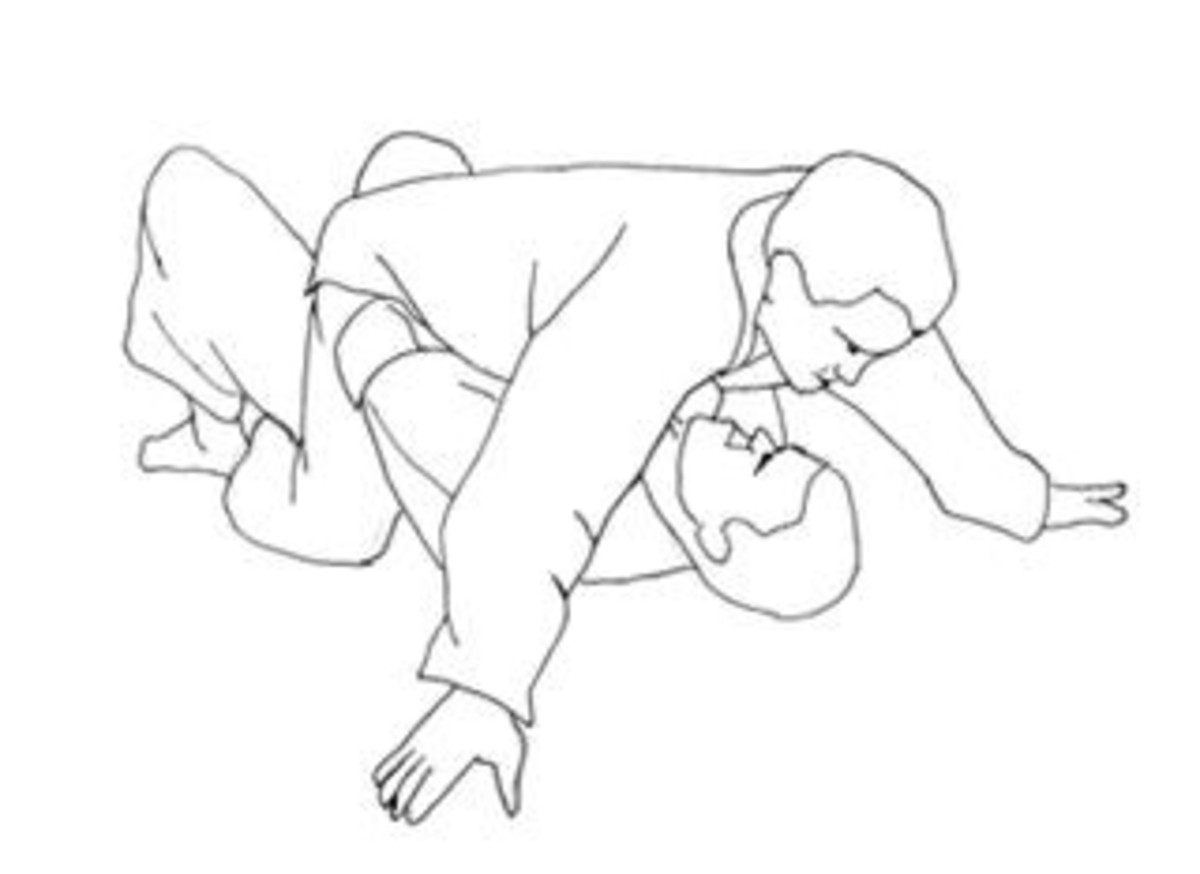
80BJJ: Triangle Choke
Is Blending or Harmonization Possible in BJJ?
While Blending or Harmonization is a fundamental component of Aikido techniques, can such principles be applied in Brazilian Jiu Jitsu techniques? The short answer is yes. Blending focuses on:
- Not meeting the momentum head on or in direct opposition.
- Finding areas or "openings" where resistance is minimal.
- Exploiting the weaknesses with a countering technique to achieve the desired outcome with an effective technique.
Aikido Techniques and Philosophy: Aikido411.com
- Aikido411.com: The Aikido Techniques and Philosophy
The Ultimate Aikido Source for information on Aikido techniques, and philisophy. Contains video footage as well as articles relating to the practice of this art in our daily lives.
O'Sensei Demonstrating Aikido Techniques
BJJ Supplies on Amazon.com
|
Strategic Guard: Brazilian Jiu-Jitsu - Details and Techniques
Price: $23.40
List Price: $36.95 |
|
Jiu-Jitsu University
Price: $22.13
List Price: $39.95 |
|
Cesar Gracie Brazilian Jiu-Jitsu & Gracie Jiu-Jitsu Grappling Instructional Series
Price: $44.99
List Price: $59.99 |
Aikido Techniques and Blending
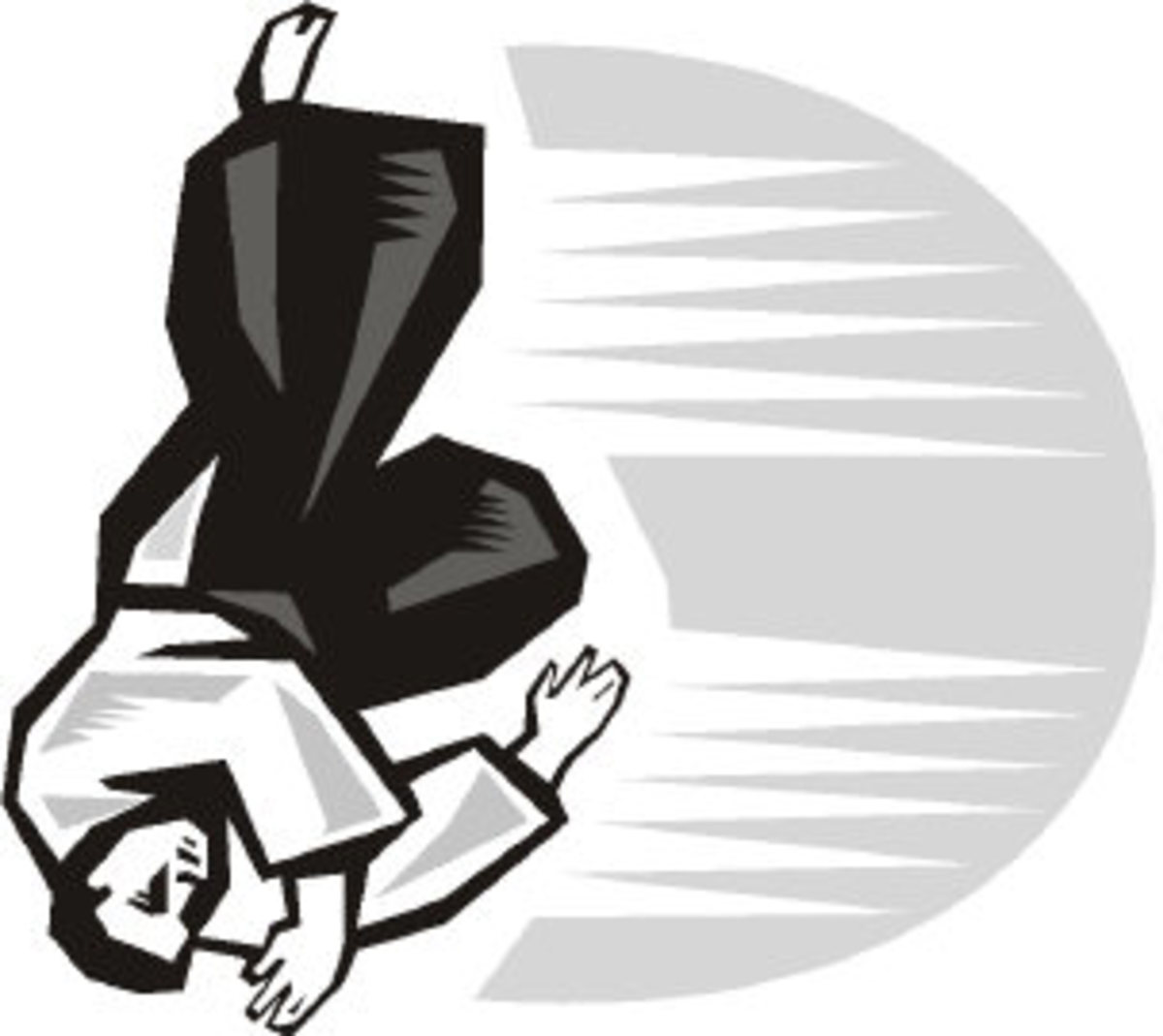
Off the Line: As previously mentioned, blending is a central focus of Aikido techniques. The initial attack is not met directly. Rather, nage (the defender) steps off the line of attack so as not to meet force with force. In the Aikido defensive technique referred to as kokyunage (loosely translated as timing or breath throw) from a shomenuchi attack (an overhead blow), the defender step to one side of the attacker so as not to absorb the direct impact of the blow.
Leading Ki: The ki or energy of the attack is then harmonized with in a way that permits nage to lead uke (the attacker) in a manner that will disturb balance. This often involves applying ki energy through a lead in the same direction causing a disturbance in balance. In the above attack, nage moves his whole body to flow with the direction of the overhead blow and applies ki (force) in the same direction as the overhead blow.
Redirecting Ki: Once balance is upset, the attacker loses stability and power. At this point the technique, whether a throw or a joint lock can be applied. In the kokyunage defense, the attacker's energy is redirected so as to throw him out of balance creating the opening for the kokyunage with minimal effort.
BJJ in the News
- BJJ raises profile on GuamPacific Daily News1 second ago
At a time when Guam competitive martial arts ventures are soaring and succeeding, a parallel evolution is taking place with Guam Brazilian jiu-jitsu and its development toward bigger ventures.
- Local teen wins jiu jitsu tournamentSimcoe.com22 hours ago
Matt Bonwick, 16, trains at Barton's Martial Arts and was crowned champion of the heavyweight division.
The Sprawl
BJJ Supplies on eBay
|
|
Grappling Jiu Jitsu Protective Ankle Wrap Guard NEW! FS
Current Bid: $.99
|
|
|
Hayabusa Haburi Rashguard MMA BJJ Jiu Jitsu Training
Current Bid: $59.95
|
| No Photo |
SPARTAN Rash Guard BJJ/ MMA jiu jitsu bjjzone
Current Bid: $24.00
|
Can Aikido Principles be Applied to BJJ Techniques?
While the Aikido technique of shomenuchi kokyunage involves the blending and redirecting of the attacker's energy, can any of these concepts be applied to the explosive and dynamic nature of Brazilian Jiu Jitsu techniques? In short, the answer is yes.
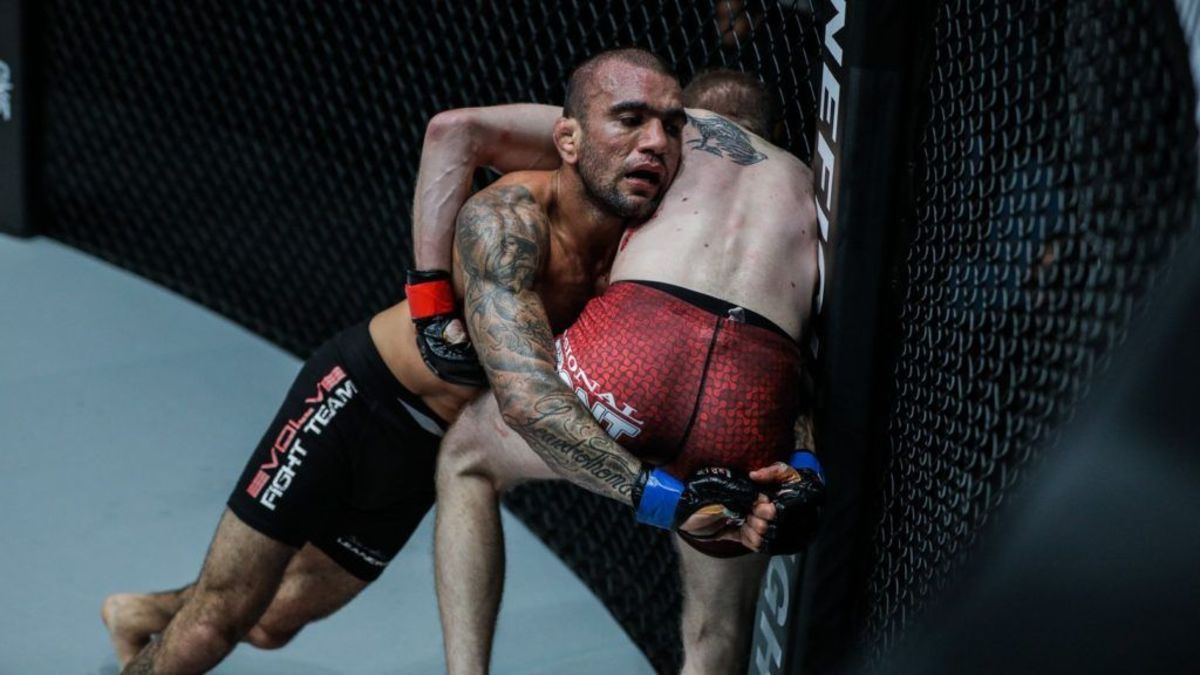
Take the defense against a single or double leg takedown. One could try to meet the force head on like a sumo wrestler's initial contact. However, if the attacker's force is below the the defenders center, the takedown will succeed unless the defender does something else to counter the attack. In reality, one of the most effective defenses is the "sprawl", which is the same as that used in wrestling.
Blending with and Redirecting: If one looks closely, the sprawl involves a beautiful blending with the force and momentum of the attempted takedown. The defender's lower body moves with, and often ahead of the attacker's upper body preventing a solid grip around the leg or legs. In addition, the move involves a redirection of the movement from a drive straight at the defender to a downward direction allowing the defender to prevent the force from driving him off balance onto his back. In addition, a properly executed sprawl may break the grip on the defender's legs permitting him to take a potentially superior position on the back of the attacker - another example of redirecting of force and the advantage that can be gained from it.
In conclusion, the techiques and application of Aikido techniques may not seem to be related to those of Jiu Jitsu. Yet, key fundamentals make them more similar in the net effect than different.
PrintShare it! — Rate it: up down flag this hub
Comments
I agree. I think Aikido techniques would be a good addition to other martial arts as well.
"Aikido techniques may not seem to be related to those of Jiu Jitsu."
Well, the word of importance is "seem". In reality Aikido derives from Jiu Jitsu or Ju Jutsu, as it is also called.
Today Jiu Jitsu, Ju Jutsu, Ju Jitsu may be individual martial arts styles, originally, however, Jiu Jitsu is a general expression for Japanese self defense of former times. Later it was converted into Judo for competitive means, leaving behind all the punches, kicks and weapon techniques.
During 1905-1907, Takeda Sokaku, founder of Daito-ryu Aiki Jutsu and teacher of Ueshiba Morehei, refused to join the soft competition rules of Kodokan-Judo.
Ueshiba's Aikido is a rather late development of martial arts styles. Influenced by the horror of World War II it was designed to be a rather pacifist style with the educational intention to create a better human.
Today of course there are different Aikido styles with different philosophies. Brasilian Jiu Jitsu excels in ground combat which Aikido does not really teach. So there is a big difference. The basic principles of martial arts, however, do apply to both of them. If somebody likes to join the styles, be my guest. It is certainly not an easy enterprise.
Ju Jutsu Master: Thank you for your very insightful comments and providing your historical insights.
AIKIDO AND TANG SOO DO IS THE BEST FIGHTING SYSTEMS IN SEREET FIGTS AND rUSSIAN SAMBO IS BETTER THEN JUJISU
AIKIDO SAVED MY LIFE STEVEN SEAGAL WOULD BEAT ANY MMA AND ALL THE GUYS IN MMA ARE USULLY NOT MARTIAL ARTIST STEVEN SEAGAL WOUD BEAT ANY MMA FIGHTER AND DANA WHITE YOURE SPORT IS FIXED FIGHTER
My friends, very good comments. Each has truth in it. Just remember, any martial art in the hands of a skillful individual can be very powerful and effective. For example, jiu jitsu can be quite effective one-on-one, but may have some limitations if there are multiple attackers or weapons involved. Jeet Kune Do or Karate may be devastating unless the individual is taken off their feet. Aikido can be quite effective in the hands of a skillful practitioner. Many argue that it is "too soft". However, if an eye gouge was used in the place of an atemi (a distracting hand movement) that can be a very effective set up for a kokynage (momentum throw). You might find my post on "The Best Martial Art".
As an Aikido blackbelt that moved over to BJJ, I can say that Aikido will change the way you approach BJJ but it wont make you an instant god at it, it helps/contributes to the way, you mold your game.
Aikido tang soo do and russian sambo are the best steven seagal can beat any mma fighter.


sukkran says:
10 months ago
i am first time hear about this subject. interesting.