Budapest

Location of Budapest

Budapest is the largest, and capital city of Hungary.


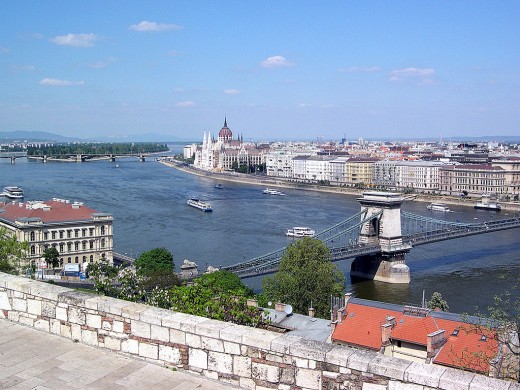
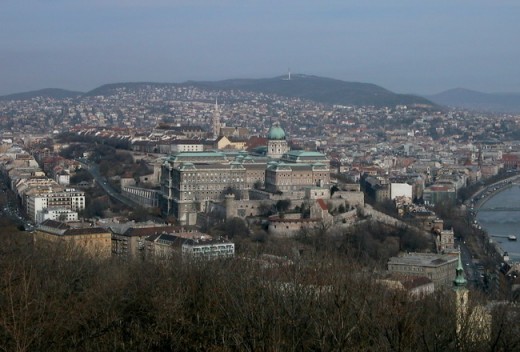
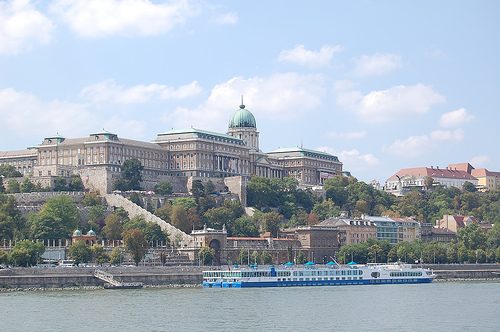
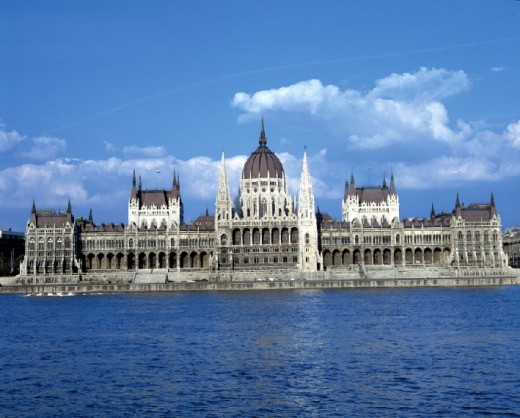
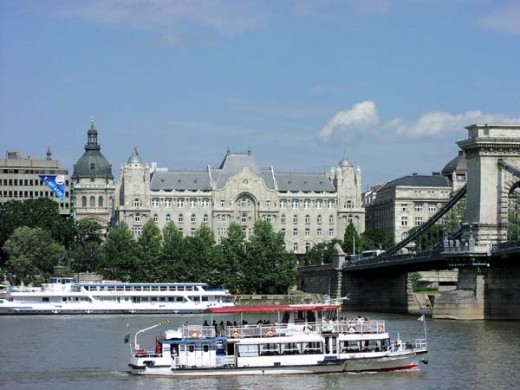
Budapest is the capital city of Hungary. Budapest is the largest city in the country and also serves as the political, educational, cultural, industrial, commercial, transportational center of Hungary. Budapest is a renowned spa city, and rich in thermal waters. Budapest currently is the 9th largest city of the European Union in terms of population. The city is located on the two shores of the Danube river, at the meeting of the hills area and the Hungarian Great Plains.
This area has been prehistorically inhabited. The direct precessor of the city was Aquincum, which was founded by celts. Aquincum was appointed as the capital of the Roman province called Lower-Pannonia. Magyars tribes reached the area at around 900 A.D. Their settlement was destroyed in 1241 by the invading Mongols. The settlement was rebuilt, and in the 15thcentury became one of the humanistic centers of Europe. The city was occupied for nearly one and a half century, and the city started to development again only following the departure of the Ottomans, in the 18thcentury. Its real bloom period arived only during the following, 19th century, when industralisation of Hungary began on a large scale. In 1873, three separate cities (Pest, Buda, and Óbuda) were unified forming Budapest.
Modern Budapest has become a world city in the last third of the 19th century. 1951 January 1. was of great significance to the city; 23 neighboring settlements became part of Budapest. As a result, the area of the city grew to be two and a half times as much, and its population grew to be one and a half times as much as previously. The current municipality structure of Budapest is like this: there are 23 district municipalities and 1 municipality for the whole of the city.
In 1989 city recorded its highest population ever; 2 113 645. Since early 1990s Budapest’s population, however has been gradually decreasing (by about 400 000 people between 1990 and 2005). This is due to two reasons, the natural decrease in population (more deaths than births), and emmigration to neighbouring agglomerate settlements.
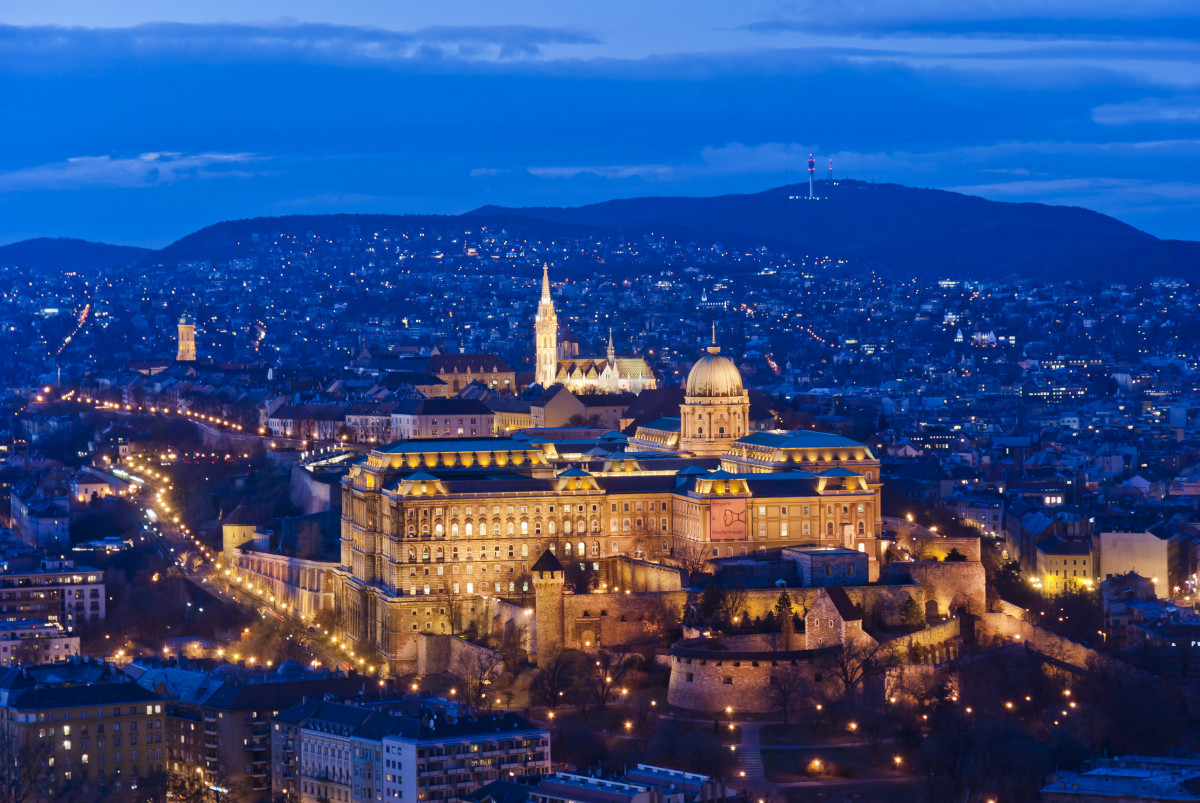
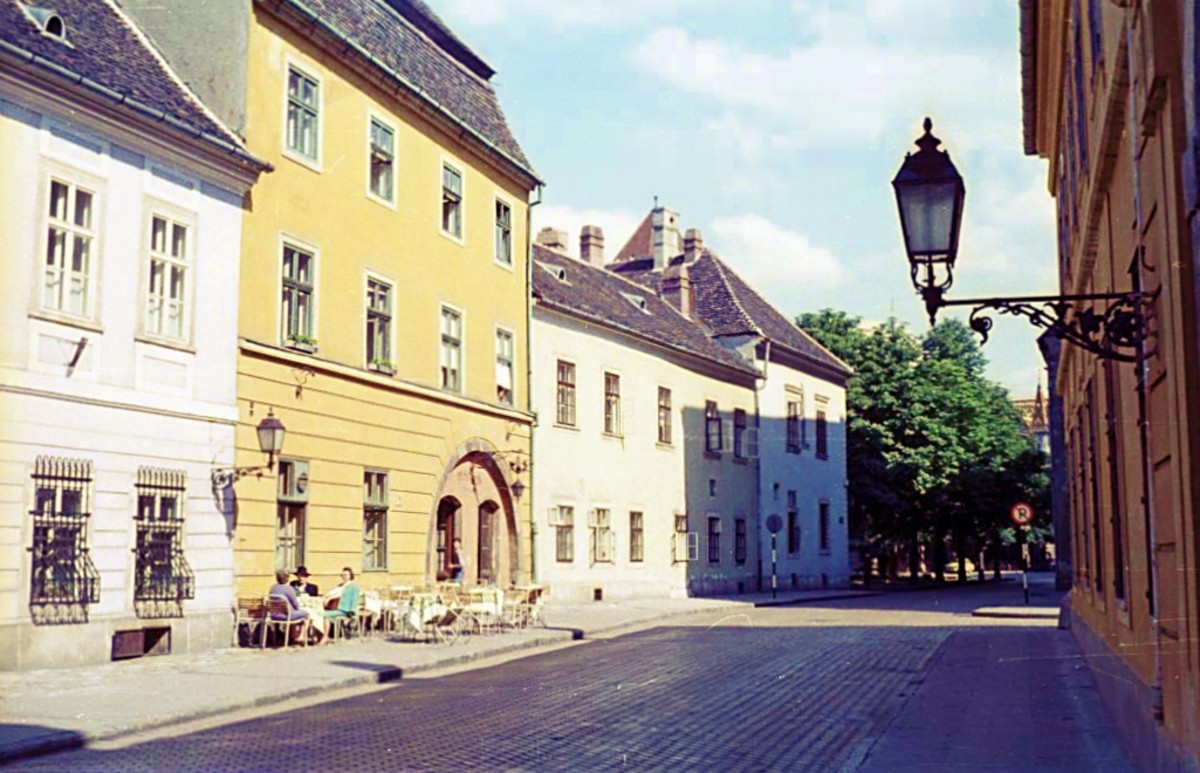
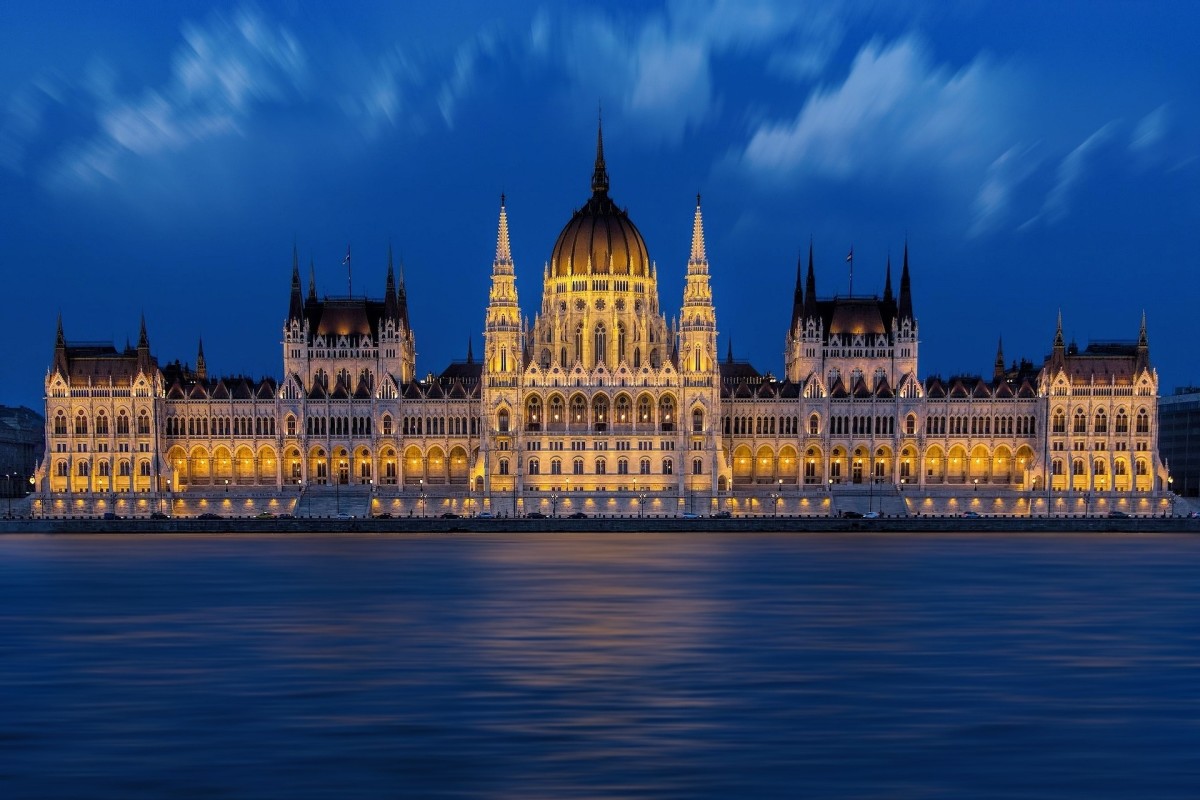
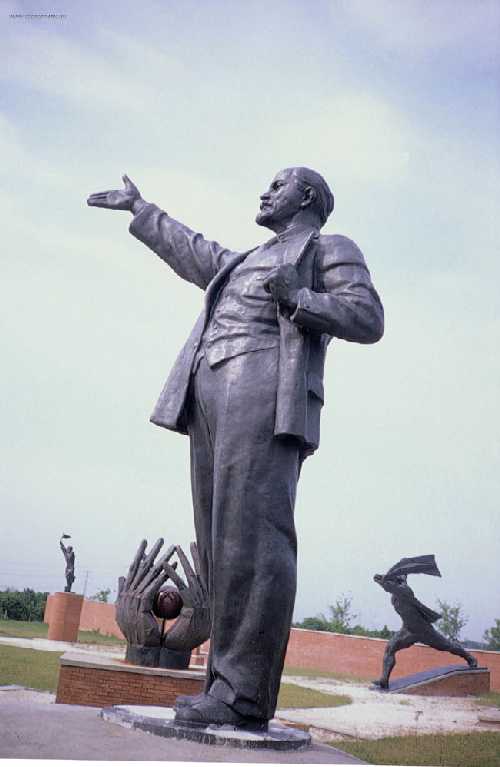
Budapest currently has three world heritage sites: the view at the Danube River, the Buda Castle Quarter, and Andrássy street and its historical surroundings. The city has many other tourist attractions and sites like churches, castles, ancient and medieval Ottoman era sites, historical bridges, and statues. Budapest has buildings in the following architectural styles: baroque, classicism, romantics, neorenessaince, eclectic, and in art nouveou. Budapest has 223 museums and galleries (many of them are internationally renowned). Then "Statue Park", is an open air exhibition of the the once communist (propaganda) statues. Budapest also has a bob park, and a paintball park.
The area of Budapest is 525 km². It is surrounded by Pest megye, 81 settlements of which belong to the agglomeration of Budapest. In north-south direction, Budapest is 25 km, and in east-west it is 29 km. Its lowest point is the water level of the Danube River, which at medium water level is 96 meters. The highest point of Budapest is the János-hill at 529 meters above sea level.
Budapest plays a central role in the transportation of Hungary, as motorways running in rays meet at Budapest, as well as the international railway routes. Budapest is divided into two distictive parts, Buda and Pest, by the Danube River. On the left bank of the Buda hills are located, and on the right shore the plains of Pest. Buda basicly is a residential part of Budapest, whereas Pest is a political comercial, and industrial center.
The Danube River has three island on the territory of Budapest. The largest of the three is the Csepel Island, of which only the northern tip, about a third of the island, is within the legal boundaries of Budapest. Towards the center of the city is the Margareth island, which has a historical significance. At the northern part of the city is the Óbudai Island, also called the Hajógyári Island, as it used to have a ship factory and a drydock on it.
Budapest has many natural riches. Budapest has one of the longest system of caves in any major cities of the world. The city also has many springs, parks and two nature reserves. The Gellért-hill is in the heart of the city. Budapest is the only capital city in Central Europe that has hot springs. In 1934 Budapest won the title of a bath city, and in 1937 it was proclaimed as an international bathing city by the I. International Bathing Congress. The city has 80 thermal water-, and mineral water-, and more than 400 sour water springs with temperatures between 24 and 78. °C. Sulfur water and is capable of curing many deseases.
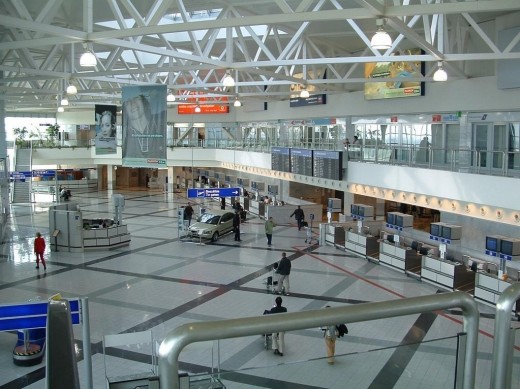
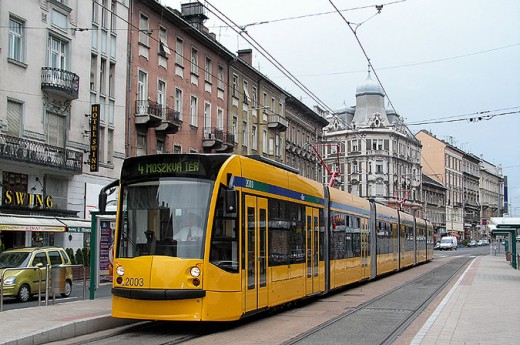
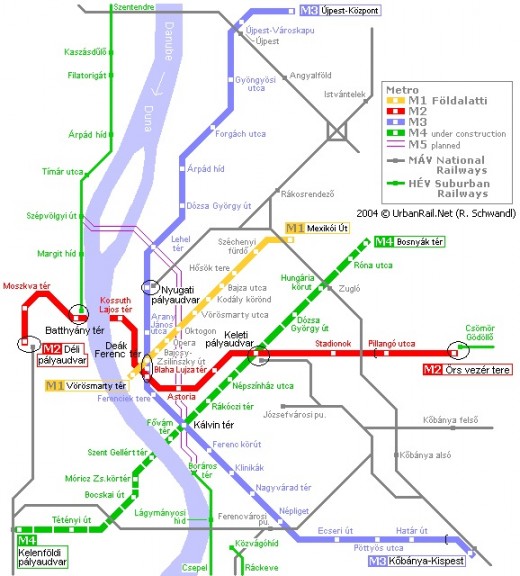
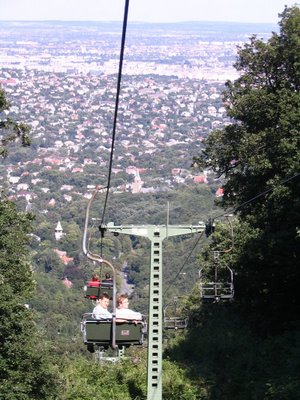
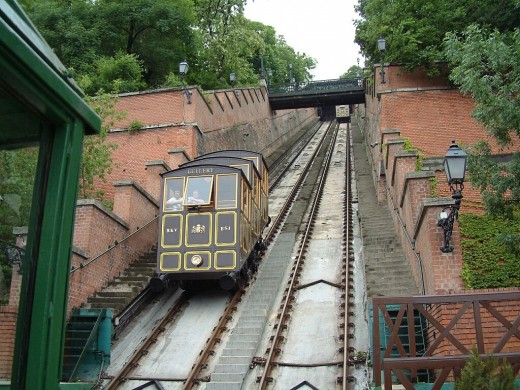
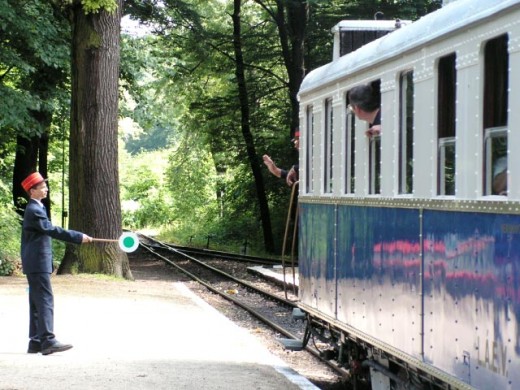
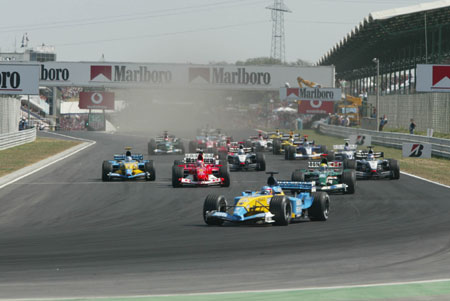
Budapest has 11 types transportation vehicles. These include 3 subway lines (plus 1 more under construction and 1 more in planning phase), 4 suburban railway lines, 29 tram lines, and over 200 bus lines, 16 trolley buses, 3 boat lines. Transportation for tourists include a funicular, a chair-lift, a narrow-gauge Children's railway line (which is operated by children aged 10-14 with adult supervision), cog-wheel railway. Budapest also has a number of tourist boat lines. The international airport is 15 km from downtown. The airport currently has 3 terminals. Budapest currently has 9 road bridges. 3 major railway stations are in operation in the city. Budapest is hosting the Hungarian Formula 1 Grand Prix.
Recommended Links for more informantion on Budapest
- Budapest Travel Information and Travel Guide - Hungary - Lonely Planet
Budapest tourism and travel information such as accommodation, festivals, transport, maps, activities and attractions in Budapest, Hungary - Lonely Planet - Tourism Office of Budapest on Twitter
Official Tweets of the Tourism Office of Budapest. - Budapest Airport Zrt.
- English version - - Budapest Airport - Public Transportation Company of Budapest
Official Website of the Public Transportation Company of Budapest. Operates: buses, trams, suburban railways, subways, funicular, chair-lift. In English. - Statue Park
An outdoor exposition of Communist statues, which once stood at public squares of Budapest. - Children's Railway
Railway line operated by children. - Budapest - Wikipedia, the free encyclopedia
General information on Budapest. In English. - Official Website of Budapest
Official information by the Municipality of Budapest. In English.