- HubPages»
- Food and Cooking»
- Cooking Ingredients»
- Vegetable Ingredients
Cabbage


Introduction
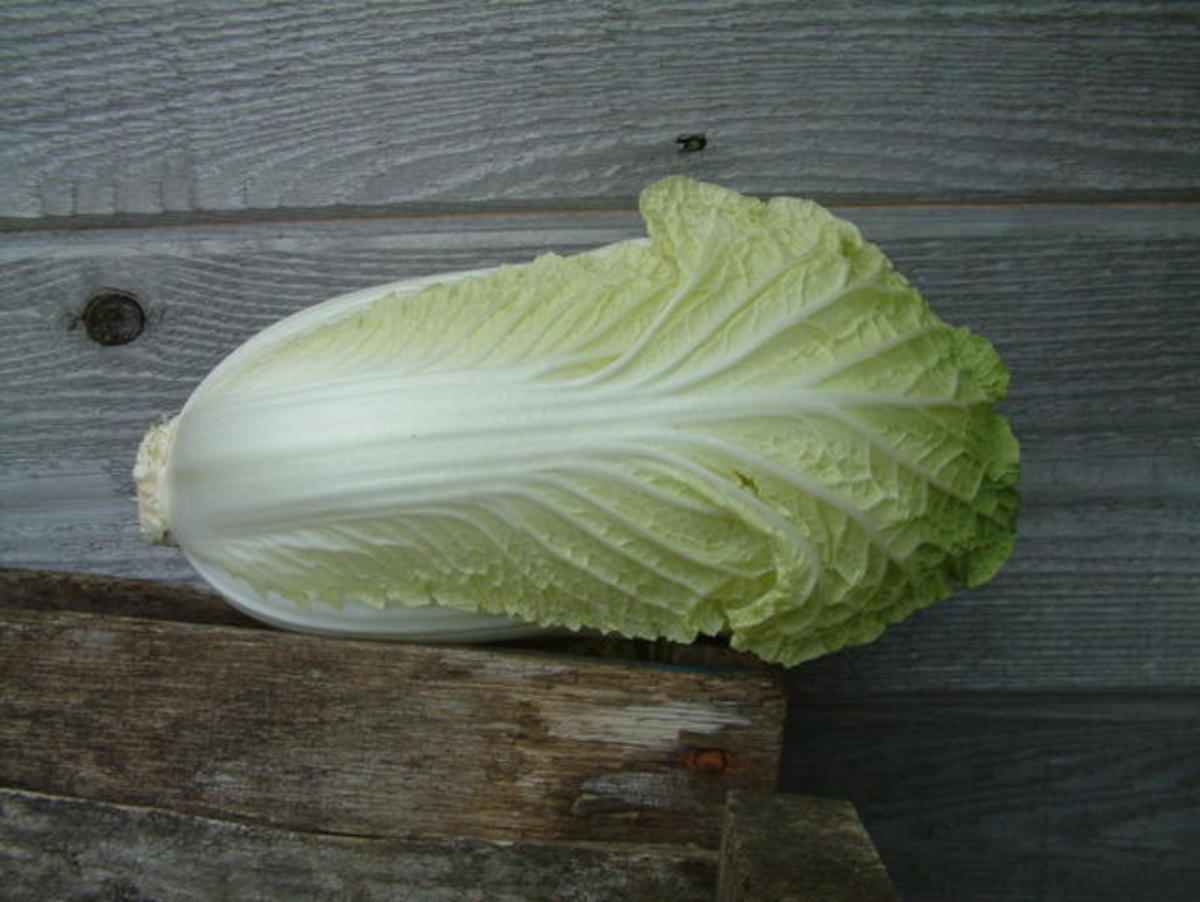
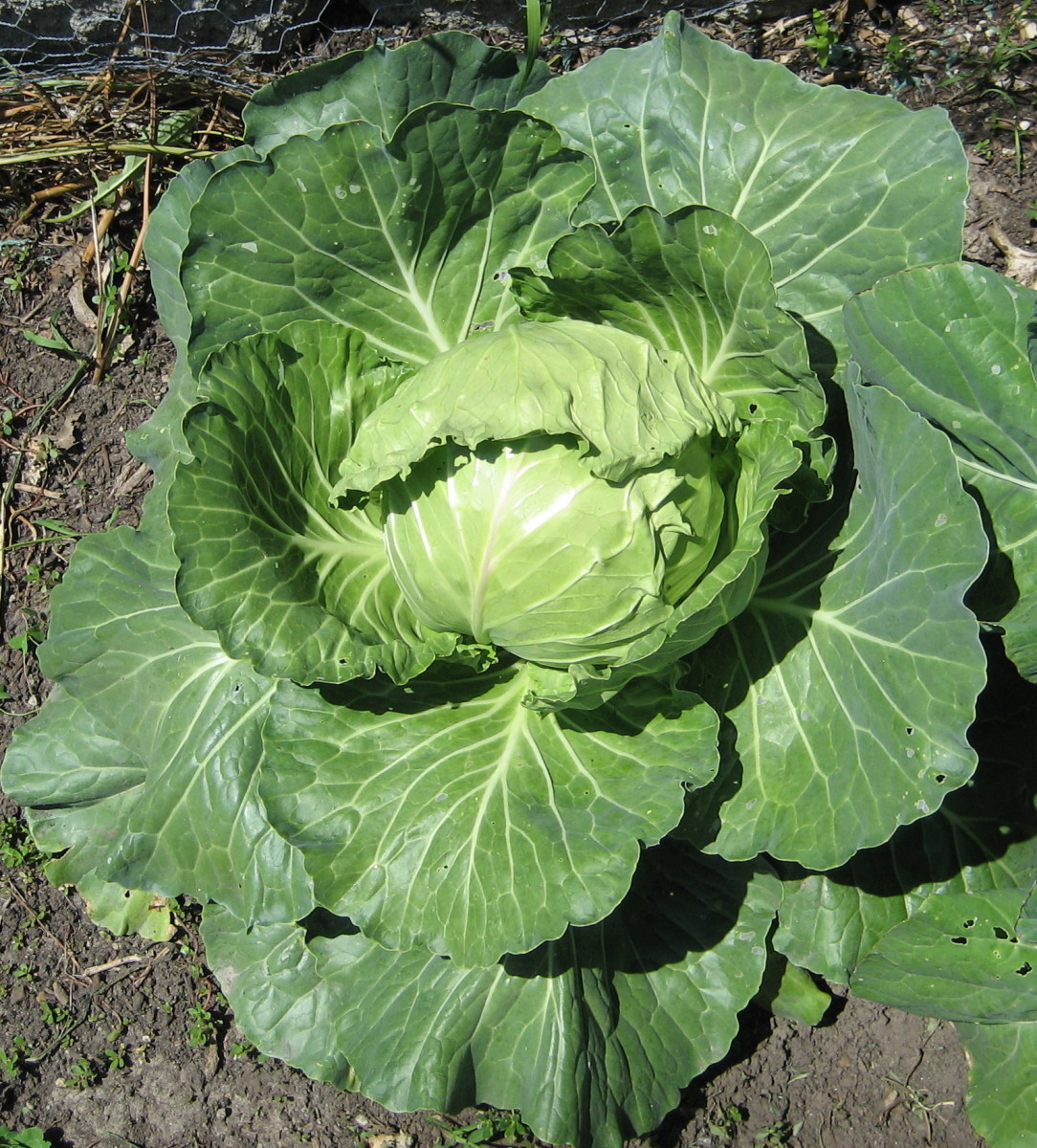
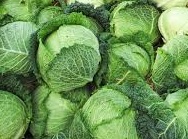
Cabbage is leafy plant believed to have originated ten thousand years ago. Cabbages haves layers of leaves inside and are usually white, green, or light yellow in color. China is the largest producer of cabbage in the world and supplies a huge quantity worldwide. Cabbage takes two years to grow fully. However, after the first year they are ready for picking and human consumption. Only those cabbages which are to be used for seeds are left to grow for a second year. Pests, fungus and many bacteria can destroy entire cabbage crops. Cabbage contain a cordate and a taproot. When they are planted, leaves develop in an egg shape fashion. During the first year, cabbage heads grow in between half to 5 kilograms. During the second year, inflorescence develops, above ground which grows up to one meter. Inflorescence contain the flowers , ovary, stigma and other seeds necessary for regrowing the cabbage. The leaves of cabbage grow in a wide varieties, ranging from rosettes to loosely headed leaves. Cabbages are believed to have originated in Europe in Britain and other European countries and was domesticated later on. Cabbages were known to Egyptians, Greeks and Romans as well. Portuguese introduced cabbage in India. In the 16th century cabbage was introduced in American sub continent and later on in Australia. Cabbages are grown in large fields which receive good sunshine.

Cabbage Farming
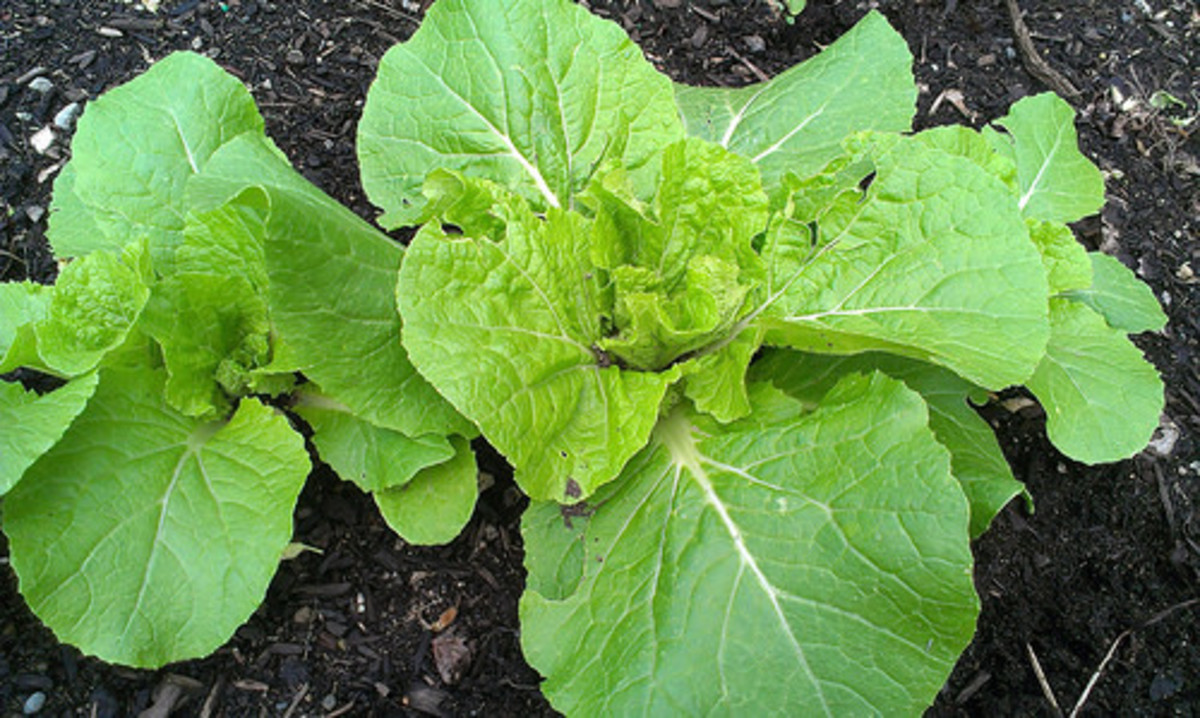
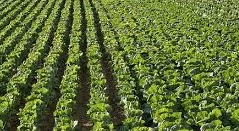
Clay and sand soil are good to grow cabbages. Slightly acidic fertile soils are generally preferable. Nitrogen, phosphorus and potassium are essential for good growth of cabbage. Fertilizers are added to regulate nitrogen level in the soil. Moderate temperatures are best for cabbage growth. Fluctuation in temperature can cause premature flowering. Planting is done at an appropriate time and seedlings start emerging within a week. When cabbages grow to a desired size, they are transplanted. Cabbages mature into adult state. And the stem grows to a diameter of 5 millimeters. To harvest the cabbage, stalk is cut below bottom leaves. Sunshine, temperature, fungus, area availability around the cabbage in soil determine the final size and crop value. Cabbage need highly rich soil in minerals else they are vulnerable to nutrient deficiency. Wire-stem, Fusarium yellows, blackleg are fungus diseases which affect the cabbage crop. Moths, bacteria and fungi severely damage cabbages destroying seeds and rendering them unfit for consumption. Pests are a major hazard for cabbage drops. So insecticides are regularly applied to cabbage fields and pests control is actively monitored to prevent destruction of crops. China and India are world’s largest producers of cabbages and South Korea, Ireland and Japan have the best yield per hectare.

Uses and Benefits
Cabbages have a good shelf life and are stored in refrigerators. The temperature for storage is carefully monitored and is around the freezing point of water. The nutritional value of cabbages is around twenty five kilo calories per hundred grams. Cabbages are consumed all over the world according to their region. They are chopped and used as vegetables by boiling or frying. They are used in soups, stew , fillings, and vegetable dishes. They are added in salads, Chinese, rice and potato in dishes or meals. In Britain, Poland, China, India, Hungary, United States, cabbages are used prominently in their cuisines. Vitamins B, C and K are present in cabbages and they are rich in minerals and fiber. Consumption of cabbage reduces the risk of colon cancer. Cabbages was used in healing mushroom poisoning in ancient times and as a medicinal herb. Cabbages were also used to reduce hangovers and fevers. However eating cabbage has certain disadvantages as well. Over consumption may lead to bloating of small intestines.

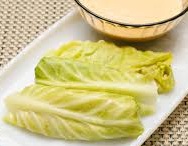
Famous Cabbages dishes
Bacon and Cabbage is a dish bacon is used with cabbage and boiled with other ingredients like carrots. Bubble and Squeak is a British dish in which potato, cabbage, pea and leftover vegetables are fried in pan and served. Golabki is a Polish dish. Cabbage leaves are boiled and pork along with onion is stuffed inside the cabbage leaves. Coleslaw, which originate in Netherlands, is a popular cabbage salad. Cabbages are rich in anti oxidants which reduce risk of prostrate cancer and reduce blood cholesterol. Cabbages contain goitrogens which can cause the thyroid gland to swell. So a person with thyroid dysfunction is not recommended to consume cabbage. Cabbages are related to broccoli and brussels sprout. Savoy, Spring Green, Red and White are certain cabbage varieties that are popular and consumed all over the world. The biggest consumers of cabbage are Russia, Belgium, Spain, United States and Holland. Contaminated cabbage pose certain risks to human consumption and soil infestation. Contaminants from cabbage are regularly transferred in humans causing illness or promote pest growth in soil which destroys the crop. So when cabbages are harvested, experts make sure that cabbage are contaminant free and do not harm the soil they are grown in.