Chemotherapy Treatment for Dogs

82- Dog Cancer Guide
For more information about signs of cancer, treatment options, alternative medicine as a treatment option, and dietary changes, check this out.
Dog Cancer
It’s never a good day to hear that someone you know has cancer, but have you ever really thought about what you would do if your vet sat you down and told you that your beloved dog has cancer, whether that be bone cancer, abdominal cancer, mammary cancer, etc.
The common answer is probably, “No, but I would probably let him live until he starts suffering, to which point I’ll have him humanely euthanized,” but would you ever think to put your dog through chemotherapy treatments or another form of cancer treatment in attempts to fight the cancer?
I used to be in the first group. I mean, although I’ve never really thought about it, I have just always assumed that my answer would be, “let him be until he starts to suffer," but after doing my research, I think that I would consider the chemotherapy route.
Anyway, I never realized that chemotherapy was an option for dog cancer, which led me to some research that I hope you will find helpful in you and your dog’s battle against dog cancer.
Dog Chemotherapy
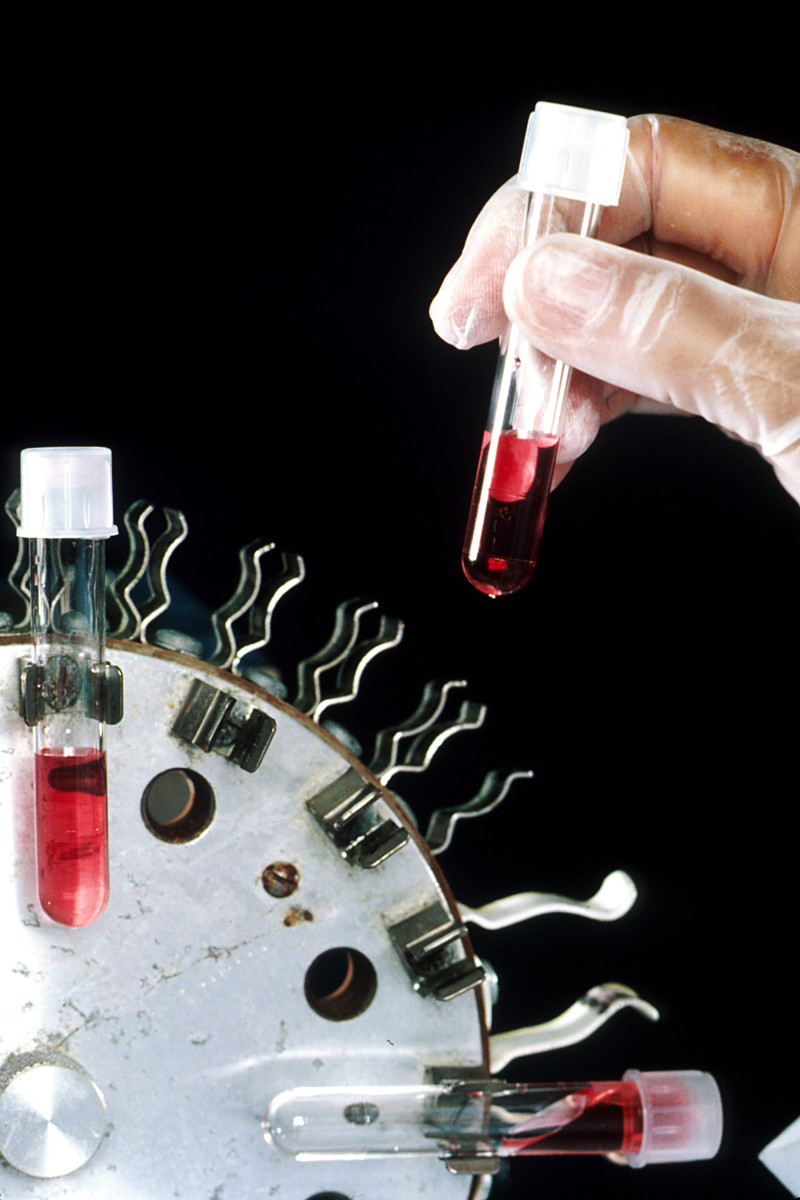
Chemotherapy is a common treatment for dog cancer because it is a means to help control cancer cells. The cancer cells keep dividing and multiplying, and the anti-cancer drugs help to destroy the cancer cells by stopping them from growing and multiplying.
The main problem with chemo treatments is that it not on destroys the cancer cells, but the healthy cells as well, which is what is causing the side effects of the chemotherapy treatments. Luckily, though, when the treatments are finished, the healthy cells usually repair themselves.
Chemotherapy is basically the use of different types of medications, called "anti-cancer drugs." Depending on the type of cancer, extent of the cancer, and your dog's overall health, there are different drugs that your vet may prescribe. In some cases, your vet may prescribe multiple different medications.
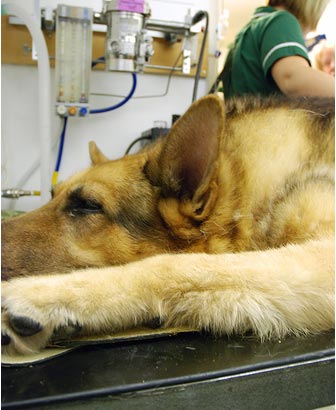
Some of the drugs are oral drugs that can be given at home, but others may be injections that will require outpatient visits to the vet, and in some cases, your dog may have to have several treatments throughout one day, which will require you to leave the dog at the vet for a day or two. The treatments are typically repeated weekly to every third week for about 12 weeks. Your vet will probably also do regular blood tests to monitor the treatments.
|
Pets Living With Cancer: A Pet Owner's Resource
Price: $3.96
List Price: $11.50 |
|
|
Cancer and Your Pet: The Complete Guide to the Latest Research, Treatments, and Options
Price: $11.18
List Price: $18.95 |
|
|
The Natural Vet's Guide to Preventing and Treating Cancer in Dogs (Natural Vets Guide)
Price: $9.81
List Price: $16.95 |
|
Help Your Dog Fight Cancer: What Every Caretaker Should Know About Canine Cancer, Featuring Bullet's Survival Story, 2nd Edition
Price: $15.65
List Price: $24.95 |
"Anti-cancer Drugs"
There are actually over 50 different chemotherapy drugs that can be considered for your dog's chemo treatments. Some of the more common chemo drugs may include some of the following. Remember that with each different drug, you dog may experience different side effects, so you want to make sure that you discuss with your vet which chemo medications he thinks will be best for your dog.
Azathioprine(Imuran)- used with immune mediated diseases, where the immune system is inappropriately active and damages the body.
Carboplatin(Paraplatin)- is a platinum-containing drug that is used to treat malignant cancer.
Chlorambucil(Leukeran)- used most commonly for chemotherapy to treat cancer and some immune mediated diseases such as pemphigus or inflammatory bowel disease.
Cisplatin- is an important weapon against cancer, but can cause complications.
Cyclophosphamide(Cytoxan)- is the most successful drug to treating cancer and immun mediated diseases because of its ability to kill rapidly dividing
Cytarabine- used to treat certain cancers, most notably leukemia.
Dexamethasone(Azium, Voren)- is used in the treatment of lymphoma
Doxorubicin(Adriamycin, Rubex)- is a very serious medication that has serious potential to do great harm as well as good because it impairs DNA synthesis, which is crucial for cell division.
Fluorouracil(5-fluorouracil, Adrucil, 5-FU)- is an antineoplasti or cytotoxic chemotherapy drug that is an anti-metabolite
L-Asparaginase(Elspar)- is helpful to treat lymphatic cancers because asparagine is an important amino acid for lymphatic cancer cells and the medication destroys that amino acid, which only affects the cancer cells
Lomustine- is a drug that binds DNA to other DNA strands or protein so that the double helix cannot reproduce, and it generates a by-product that prevents normal DNA function
Piroxicam- is commonly used for transitional cell carcinoma of the urinary bladder, as well as prevention for mammary adenocarcinoma, squamous cell carcinoma, and transmissible venereal tumors
Vincristine(Oncovin, Vincasar)- is a multi-drug combination that is used against lymphoid and round cell tumors
How Successful is Chemotherapy on Dog Cancer
Just like you'll find in people, the actual success rate of chemo on your dog will vary per patient. Your vet will be able to give you his best estimate as to how well your dog may respond to the chemo treatments but the type of cancer, the treatment that is available, and your dog's overall health before treatments.
But, for the most part, your vet or oncologist will tell you that the odds are pretty much a 50/50 shot as to whether your dog will make it past the first year after chemo treatments. If you dog makes it past the first year, it's another 50/50 shot for the second year, and so on. There is about a 5-10% chance for 100% cure and survival. It's up to you to decide whether the money for the treatments is worth the odds.
Side Effects of Chemotherapy
There are potential side effects with any procedure that your dog will every undergo. He may have a reaction to regular vaccinations or get an infection from a spay surgery, and this is no different with undergoing chemotherapy treatments for cancer.
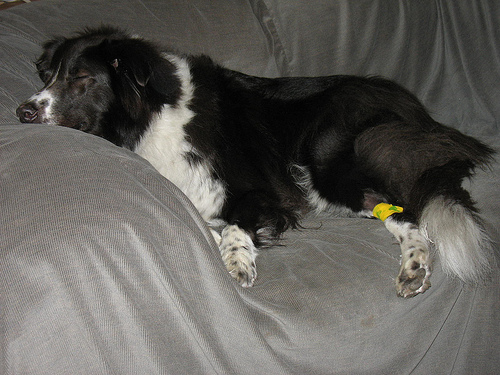
Common side effects can include nausea, diarrhea, appetite loss, weight loss, skin discoloration, urine discoloration, low white blood cell count, and fatigue.
You'll find that many vets will prevent the potential side effects by using antibiotics and anti-nausea drugs as needed. And, for the most part, most dogs only experience mild side effects, if any at all.
You will notice that for the first day or two after the initial treatment, your dog may be show signs of fatigue and appetite loss.
Another concern may be with hair loss, and unlike chemotherapy treatments for humans, dogs tend to only experience slight hair loss. In some cases, hair that has been shaved may not regrow and your dog may lose hi whiskers, but for the most part most of the hair will grow back after the chemo treatments are finished.
Also, remember that amongst the concerns of the chemotherapy treatments, dogs can have different, unexpected reactions to different drugs.
The Cost of Dog Chemotherapy
The cost of the treatment is probably one of the main concerns that you may have for whether or not you are going to put your dog through chemotherapy. And, unfortunately the cost is going to vary on the type of cancer that your dog has, the drugs that are used, the size of your dog, the duration of the treatment, the type of chemo that is used, and procedures that your dog has to undergo.
But, don't worry about getting blindsided with a bill that you can't pay. The vet will always give you a price quote in the beginning, so that you can decide if you will be able to afford the cost of the chemotherapy treatments.
Disclaimer: Please be aware that the advice in this article should in no way replace that of a licensed veterinarian. The methods outlined above may or may not work for your pet. If you have any concerns, you should consult a veterinarian.

PrintShare it! — Rate it: up down flag this hub
Comments
It will depend on your money situation and want to do the chemo. I would do it, becuase there is still the chance that it can completely get rid of the cancer cells for good. It's not always just to prolong the life. Granted that is the case sometimes. Whether or not you want to put your dog through chemo or holistic medicines is up to you. I think that you will get more results with chemo, but I haven't dont much research about holistic medicines to 100% cure cancer. Remember that it will also depend on the extint of the cancer and the age of the dog as to how well the chemo will take.
Tina, I just had chemo done on my rat terrier on Tuesday for the same thing. He became violently ill (throwing up blood) and wouldn't eat anything. He became severly dehydrated and had to have IV's. Now, our vet recommends that he be put down unless he shows greater improvement. Giving my George, this treatment was the worst mistake of my life because I have now probably shortened his.
My dog Kojak was diagnosed with intestinal lymphoma when he was 9 years old. I was devastated, but listened to the recommedation of my vet and the oncologists at the veterinary college and put him through chemo. He became very sick, weak, and anorexic. He was a rottweiler/lab mix and weighed 89 pounds when he started chemo. He lost 40 pounds as a result of the chemo and every bone in his body was visible. He was so weak and dehydrated. I spent many nights at the emergency vet just hoping he would make it through the night. The vet and oncologist kept telling me he was "fine" and this was "normal". I ultimately halted his chemo treatments, but he passed away three weeks later. My four year old boxer was just diagnosed with mammary cancer which has spread to her vascular system. My vet is pushing chemo, but I have decided that I will not do it to her. If I would have known what was going to happen with my first dog, I never in a million years would have put him through such suffering. The choice to give your dog chemo is ultimately yours to make, but I thought I would share my story to give some insight as to what can happen. Just be sure that you have a vet that you can trust and are well informed as to the side effects and the type of chemo drugs that will be used to treat your dog.
You are right in that some dogs suffer side effects, but statistically more dogs don't suffer any side effects than those that do. It's always a decision that one must make, and the oncologist will always discuss the side effects and the different chemo drugs.
My APBT showed minimal signs of side effects with her first two treatments; she will resume treatments next week.
The oncologist can also use different drugs, as you've mentioned, some have more side effects than others. Carboplatin is a lesser chemo treatment that has fewer side effects. The oncologist suggested that we actually alternate the next chemo treatments with carboplatin and another chemo with stronger side effects because she already had the two treatments which could have built up resistance cells.
My beloved dog Louie was just diagnosed with anal gland cancer and he had his left anal gland removed 2 weeks ago. His blood work and xrays came back and they were good so I'm now torn as to what to do next. I've already spent $1200 on the surgery, tests etc...and would find a way financially to pay for the chemo if I felt better about it. Bottom line is that while the dog may not be vomitting or showing outward signs of sickness while on chemo, it does not mean that he/she is feeling well. Dogs hide their weakness/sickness so it would break my heart if he was suffering through the treatments to end up just prolonging his life for a year or so.
We just began our dog on chemo. She was recently diagnosed with lymphoma. We had to make a quick decision, with hardly any time to do proper research on this because this is an agressive cancer. Basically, if we did not do this, she would go downhill really fast and we would be putting her to sleep soon.
I try to look at it as practically as possible. First, we will give the chemo a shot. If she starts to get really sick from it and develops other health complications, then we put her to sleep, just like we would with other illnesses. We won't put her through any more chemo treatments. If it begins to benefit her, then we successfully extended her life for a temporary period of time. It gives us more time to adjust to the fact that she does have a terminal illness and will eventually have to be put to sleep. It gives us more time to appreciate her, give her a few more weeks or months of life (but only if it has quality), and to prepare for what we will have to eventually face, when we do have to put her to sleep.
My dogs was just recently diagnosed with GI Lymphoma - stage 5. Aside from Leukemia it is the worst kind you can have. I've been struggling with whether to do chemo or not and have decided not to do chemo. Cancer in a dog can never be cured. It can go into remission once for a short time with a second remission nearly impossible to achieve. While they say and the internet says that they don't experience side effects I've read more and more stories of ones that have and do. Chemo would prolong his life for maybe 8 mos. Maybe. Prednisone will maybe give him 3 mos. For an additional 5 mos. to me it is not worth him not living life feeling good. If he were a stage 3 I might have considered it. It is a tough decision and there is no right or wrong answer for anyone.
You are correct in that it is a tough decision that each person must make for themself and their dog.I am sorry to hear that your dog was diagnosed with cancer, as it is a tough thing to find out. My APBT has bone cancer, which is also one of the worst cancers that a dog can get, and she was diagnosed at 17 months old, which means she has a very aggressive case. I have opted to do chemo because of her age and her wonderful temperament. It's just a decision that each person must make for themselves.
She has had very little side effects from the treatment. The last few she may have had one or two bad days and that was it. She is a strong and sturdy dog that is taking to the chemo well, but that does't mean that all dogs do and will.
I just lost my beloved Sascha, a 7 year old pure German Shepherd from Acute Lymphoblastic Leukemia. I should have left her on the prednisone which made her feel better and increased her appetite. She was almost a normal dog until after her 1st chemotherapy treatment. It was only days when she became severely ill, leading to several emergency visits and finally had to put her to sleep last night. Never again will I subject my dog to chemotherapy. I realize now that prednisone will make them feel better and extend their life a little, not a cure and will only give you a little more time. In the future, I will let my dog get sick on her own without a push from poison. Then when it is time, I will give my dog the peaceful end they deserve. Please don't make the mistake I made with my precious Sascha which I lost on June 7th, 2009.
I'm sorry to hear about yoru dog. I haven't had anyu problems with the treatments with my dog, and it's not the best idea to tell everyone not to do it, as not all dogs have the same reaction. Also remember that prednisone does not extend life just removes pain.
I am so sorry to hear about all these dogs. But feel better that there are other people going through what we are now. Our 8 year old retriever was diagnosed as having 2 tumors on her spleen. Given a 50/50 odds of either a normal life after a spleen removal or a 4 month to live verdict. We removed her spleen on the Friday and today got the news that it was a Splenic haemangiosarcoma. We got the 4 month verdict. I have been in absolute turmoil over whether to put her through chemo or not. After reading these comments, I just can't risk it. I will go the homeopath way and also pray for a miracle. I wasn't really too much a dog person, until I was faced with losing her. Now I want to appreciate her, and putting her through possible effects of chemo for the last months of her life is not what I want as my last thoughts of her. We had been told that chemo will only possibly lengthen her life by a few months. If it could have cured her, then it might have been worth a shot. Thanks to all, for helping me come to a very difficult and painful decision.
My 8 year old lab has just been diagnosed with stage 4 lymphoma. I took him to the oncologist yesterday, and they started the wisconsin protocol chemo. He was very ill all last night, vomitting, diarhea, panting, restless, etc. Today he is very lethargic, and will only eat small amounts of boiled chicken. I don't know if this is a common reaction to the first treatment, or not. If this is not going to improve, then I don't want to continue with it. If you stop the chemo, will they have any 'good' days after?
I would give it a try before giving up on chemo. Although it isn't the answer for all dogs, chemo can be very beneficial and have little side effects and complications. Talk with the oncologist about the type of chemo and there may be a different form that your dog can receive. Good luck.
When we heard our beautiful chihuahua Tinkerbelle had stage 5 lymphoma we were devastated. Diagnosed in Oct 08 by our local vet we were then referred to a specialist veterinary hospital, Anderson Sturgess in Winchester. Tinkerbell was hospitilised over a weekend where a number of tests were carried out and a treatment plan formulated. Initial prognosis for Tinkerbelle was that she may not see 2009 which left us all feeling terribly sad and concerned for her. Although just a little chihuahua Tinkerbelle had to be sedated each time to have chemo admistered as she wanted to eat the vet! The day after the treatment she was a little off her food and a bit tired but overall was much the same as normal. She has continued with chemo being administered both intraveniously and in pill form although the need to sedate her was no longer required after about the 5th visit. Apart from two sessions of large dosage chemo that have knocked her back I would say that I am glad we decided to get her treated. For a little dog of 3.8 kg's she has put up a considerable fight against her disease and continues to do so. It is only the last two week-ends (June 09) that Tinkerbelle's health seems to be going downhill and I have monitored her and feel it is time for her chemo to stop. In the past she has had more good days than bad, but the last two sessions have resulted in her being quiet poorly. She has been very brave throughout her whole ordeal but I believe that as she has never gone into complete remission there is not much more we can do for her. I am looking at her sleeping in her basket now and know that in a short while I will have to take her to the vet for the final time and this will be one of the sadest moments in my life. If Tinkerbelle could talk I am sure she would say she is glad she had the treatment even if it gave her only a few more months to bark at the cat next door.
I'm sorry to hear about your dog. She does sound like a fighter that's for sure. No many small dogs of that weight would have been able to pull through as she did, even if not for a full dog lifespan, I'm sure you helped her through additional months that she would not have seen otherwise.
My Springer Spaniel just had a Biopsy today to determine what type of cancer she has. Two weeks ago I noticed her lymph glands in her neck were extremely large. I was hoping that it could be a thyroid problem. She doesn't seem sick at all. I guess this is the calm before the storm. I was very apprehensive on doing the surgical biopsy as the doctor told me that he would try to take out as much of the mass a possible which I know can sometimes start cancer to progress through out the body. After reading these comments I have come to the conclusion that as long as she is still happy and not showing signs of severe illness, I will not do the Chemo and just administer the steriods. I prefere to let her have the best life possible with out side affects that could take her strength away. What good is Chemo if there are side affects that do not give you quality of life. I remember that old saying it's not how much time but the quality of that time.
I'm sorry to hear that your dog has been diagnosed with cancer. Remember that chemo isn't for every dog but you never know how your dog is going to react until you try. There are more dogs that have absolutely no problems with chemo that those who do. When we opted to give my APBT chemo treatments the oncologist told us that about 9 of 10 dogs have no problems and no side effects when on chemo.
Whitney, thank you so much for posting this. My Shepherd was just diagnosed with lymphoma last week. He is such a sweet boy & the diagnosis just broke all of our hearts. We've been doing lots of research to help guide us in our decision. It was really fantastic to hear of how great things are going with your dog.
Thank you for to everybody who is sharing their stories, because it really, really helps people who are just going through it now.
Best to all your dogs.
We've decided to go ahead with chemo, but haven't yet had the first treatment. Fingers crossed.
I'm sorry to hear your diagnosis. Definitely try chemo as it doesn't affect all dogs the same, so no one should tell you not to do it because it affected their dog adversly, and I'm certainly not going to say you should 100% try it because my dog didn't have any problems. It's always worth a try for at least one or two treatments to see how your dog reacts. Good luck and don't give up.
Two days ago I got the unbelievable diagnosis of an acute lymphocytic leukemia in my 6 year old amazing Australian Cattle Dog. We lost an 11 year old ACD in February to Acute lymphoblastic lymphoma in which we only used prednisone to treat (she wasn't in good health to start with - I didn't think chemo would improve her quality and her time was short even before cancer). This dog however; is my doggy soul sister, she lays right next to me when I nurse my baby, and runs down the hall to where my daughter sleeps to let me know when she has awaken from a nap. She is an amazing light that I would do anything to help live one more day. So we opted for chemo. Yesterday was her first treatment of Elspar and prednisone. She went from pretty ill yesterday not wanting to go for a short walk or eat (prior to treatment) to today eating and playing with very good spirit. She is almost 75% herself. I am very optimistic with how she is handling the treatment thus far. I am praying for the miracle of long survival - I really can't imagine not at least trying to keep her here longer. But, I will when the time comes let her go - just not yet while there is still a chance that we can beat the odds. For Dagney...
I'm sorry to hear the news. Prednisone isn't a treatment, but to just help with pain until the cancer worsens. I've never heard of Elspar. Pain medicines do not really lengthen lifespan or treat the cancer. A chemo would help potentially treat the lymphoma.
My beautiful Australian Kelpie has just been diagnosed with Lymphoma and I think she is at stage III although that is yet to be confirmed by the Vet. She appears in perfect health although I have noticed she is more tired than usual. She has very enlarged lymph nodes which have appeared suddenly in several areas. I am heart broken and don't know what course of action to take - considering chemo - but I don't want to spoil her quality of life in her last weeks. Today, she was out running around the paddocks enjoying a beautiful winter afternoon. What options do I have other than chemo?
I am sorry to hear about the diagnosis. Chemo won't necessarily cause the dog's life to get bad. I have heard many dogs, mine included, that chemo did not affect her at all. I have suggestion for other methods in the dog cancer guide link at the top.Chemo is just the most proven method for preventing the spread or worsening of cancer.
Our 4 year old Bullmastiff had a tumor removed from his spinal cord 2 weeks ago. The tumor was chrondosarcoma. After being evaluated by the oncologist he has no signs of any spreading and his white blood cell count is normal along with his liver panel. These were somewhat elevated at the same time as surgery. He has been treated at the University of Tenn Vet. Hospital, all the tumor was removed and he is recovering wonderfully. Due to limited information on this type of tumor being located in the spinal cord I am looking for any type of information anyone can offer. We are researching the options that are available and have decided not to do the radiology treatment but our considering chemo. Chrondosarcoma according to what I have learned from doing research is typically a slow growing, not real aggressive, non spreading type of cancer. We have been told that there is no way to tell how long the tumor had been forming and no cases to compare our pets cancer to. The oncologist was very
pestimistic due to the amount of information available. Does anyone have experience with chrondosarcoma in their pet that would email us with their story to help us better educate ourselves to the different options that may have been used by them. Thank you to anyone that may offer any insight.
If your oncology suggest chemo as one of the treatment options, then try it. Radiation is a good option; why have you discounted it if it was one of your options? Chemo doesn't affect all dogs the same, and most of the time you'll never know that a dog is even on chemo. If you do see major complications with chemo that don't seem to clear up within a few weeks and your vet has prescribed an antibiotic and whatever other medicines, andthe dog is still ill from the chemo, it may be that the dog isn't going to be able to handle the full course of treatment, but you'll never know how you're dog will react unless you try it. There is a link above for dog cancer guide, you may be able to find answers there; it has a little more info on that page.
Because I really appreciated being able to read everyone's stories, I thought I should add mine too. My three-year-old mixed breed (retriever and cocker) dog Bella was diagnosed a few weeks ago with acute lymphoblastic leukemia. We only caught it because we were monitoring her blood to make sure that she didn't have side effects from her Rimadyl, which she was taking for hip dysplasia pain.
We opted to try chemo (the Wisconsin protocol), figuring it couldn't hurt to try it -- the internist gave her only a few weeks without it. So far, she's handling the treatments really well. The prednisone was hard on her at first, with lots of panting and an insatiable appetite, but as we've tapered down the side effects have eased up. All we've noticed after chemo is maybe a little tiredness the next day, and loose stool for a day or two -- but not too bad. It's so hard to reconcile this horrible diagnosis with a dog that really doesn't seem very sick. The only sign that we see on a regular basis is that her tail's down all the time, and she seems a bit lazy.
Prognosis isn't good, maybe 3-4 months with chemo, but the vet's aware of cases where dogs have beaten the odds and survived twice that long. At the first sign that pain is keeping her from enjoying her life, we'll stop treatment and say goodbye. But for now, she's happy and feeling pretty good, and I can't ask for more than that.
I would recommend TCM for dogs with cancer. Think carefully before ever letting your dog go through chemo as there are side-effects involved. Some dogs may handle them better than others. My dog did not.
Jamie, I'm sorry to hear that. Chemo is a good start, but cancer is very tricky. Hopefully, her treatment will be more successful than the prognosis.
Esther, There are side effects with any treatment just about, but you have to weigh the pros and cons. You never know how chemo will effect a dog until you try it. 9 out of 10 dogs do not show any signs of even being on chemo treatments. I'm sorry that your dog did not handle his treatments well, but you should still consider chemo with any other dog because you don't know how it will react on the premise of another dog showing the side effects. All dogs are different, and you can't base one's effects on another.
Bella has handled all of the drugs well except for one, adriamycin, which she got last week. The side effects were pretty awful, with lots of vomiting and diarrhea, and she looked absolutely miserable. I took her to a holistic vet for acupuncture and fluids with B12, which seemed to relieve the nausea somewhat, but the effect didn't last. She ended up getting injections of Anzemet and Cerenia, which made a huge difference. I have since learned that dogs who have those side effects can be pretreated to handle the nausea with a drug called Zofran -- has anyone had luck with that? I really don't think I can put Bella through that again. When her prognosis is only 3-4 months, I don't see the point in making her feel crappy for a whole week after each adria treatment.
She's in remission right now, whatever that means. I was happy to hear it, but apparently it doesn't change the 3-4 month prognosis.
It is good to hear that your dog is in remission. Remission means the cancer is gone, sort of...
My 7 1/2 year old boxer was diagnosed with lymphoma end of July. He was not eating and had severe diarrhea. We started chemo and prednisone begining of August. 3 days after chemo max started feeling alot better (I know alot was due to prednisone). He was in remission after first chemo treatment. He has know had four treatments and will continue for the next few months. Also he has been taking less and less prednisone down to one pill every other day.
I feel if he did not start chemo he would have died within two months because he was so sick before. he has had on diarrhea after some of the chemo treatments, but for the most part he is back to his old self. I am glad we gave chemo a shot even if it only extends his life for few more months it has made his quality of life better.
My 6 year old boxer was diagnosed with lymphoma. we just found out today and I am devasted. We do not have much time to decide what to do and because of that I feel rushed and unprepared. The vet told us we could do prednisone and she would have about 3 months or we could do the chemo treatments and she might have 9 months to a year. I noticed patti you did both did that make a difference? I am trying to research as much as I can about all of this. My dog is still eating and going to the bathroom normal, other then looking a bit more tired I really didn't notice any differnce in her. She is the best tempered dog and I would hate to put her down. I do not even know if she is suffering or hurting over this. I would hate to keep her around for my selfish reasons but I just can not see doing nothing at all either. Any help would be so greatly appreciated.
I'm sorry to hear about your dog's diagnosis. It is a hard thing to find out.
If the dog is not suffering, there's no reason to put her down yet, unless you want to do so before she starts to suffer.
It's your choice for what treatment you opt for. Chemo has potential to lengthen the lifespan of a cancer patient, but not all dogs react well. But, even still you don't know how your dog will react. You may not even know that the dog is on chemo except you're paying the vet for the treatments. It's your decision, and no matter what decision you choose it will be the right one. (That's what out oncologist told us about our dog.)
Our dog had a surgery about four weeks ago to remove a mass found in her mouth. The report shows that it was malignant melanoma. We have visited an oncology animal care center twice in the past two weeks and they have said the prognosis is poor......5-10 months with radiation and chemo and half that time if we opt to do nothing. I have asked about the survival rate outside this range and it is only 20%. I've also been told that our dog is a good candidate as she is currently in good health and not showing any symptoms. The mass was found when she had her teeth cleaned and it has not spread into the bone or lymph nodes (or not evident). I am really TORN on what to do. Does anyone know of any pet owners who have experienced something similar? It would be helpful to talk to someone else. My heart is breaking as my husband and I try to decide what to do.
Ultimately it is your decision. Treatment can be expensive, but in some cases it is definitely worth it to give your pet that extra time (of course given the pet doesn't have the adverse effects, which is actually not as common as you may think). No matter what choice you make, it will be the right one.
my beautiful english springer spaniel girls is only 2 years old and has just been diagonised with Follicular Centre Cell Cancer, she is in the early stages but all her lymp nodes are swollen but only slightly.. I noticed it at first as she had a lump under her neck and then the vet found a lump under her shoulder so the vet did a biopsy and blood tests, she also has hip displaysia. the vet then did a xray and a ultrasound which did not show any masses inside her which is a good sign as she is still really happy and not showing any signs of being ill. the vet said without treatment she would last 6-8 weeks and if we got her chemo then she would last at least 12 months maybe longer as we have caught it early. My Winter (that is her name) is a fighter and never complains or crys even with her hips that i believe she will pull through this with the chemo...i will do everything possible to help her no matter what the cost...she is like my child and i love her very much and am devestated with this news. As long as she is not in pain i will do everything i can to help her and just hope that the chemo will help her and give her an extended pain free life. Has anyone else had a dog with this type of cancer and in the early atsges that can tell me how there dog went and with the chemo if they had it as i will do anything to help my baby..
Thanks
Kylie
Our 7 yr old Basset Hound was disagnosed with lymphnoma. Because our vet did not recommend that we see an oncologist vet he was just put on prednizone and in a couple of weeks he got really sick and his lymph nodes really swelled up. We finally took him to an oncologist and had to immediately put him on chemo, didn't have a lot of time to think about it and I'm pleased to say that he has taken the chemo really well and is now in complete remission, with so far hardly any side affects. He is on a 26 week protocol so we'll see how long he stays in remission but it has been worth it to see his quality of life so good right now.
It is good to hear that your dog has been doing so well. Good luck.
Yes, Carolyn during treatment chemo and the prednisone made Max feel better. He acts like a puppy again, but he was really ill before starting the chemo and it was like one day he was fine the next on his death bed. I'm sure you've aready made your decision on what to do, it's a hard choice. If you can afford chemo I would give it try. I think most chemo treatments include prednisone, I think it makes your dog feel better, but does not treat the cancer. Also, remember one or two extra quality years is a long time when you think about the overall life expectancy of a dog.
Has anyone CM for dogs with cancer? How was it?
sorry, I meant if any dogs with cancer had tried TCM (traditional chinese medicine) and acupuncture? I heard it works, but I would like to hear a real-life experience?


Tina Landau says:
12 months ago
My dog was recently diagnosed with a mast cell tumor on one of his toes. One surgery was done to remove the tumor, second to remove the toe and the margins are still not clean and the cancer has spread but he's in awesome health and eating well. I just am so torn if I go the route of chemo which they said will only prolong his life or do I go the route of supplements and holistic medicine or do both? Someone give me some insight as to how they feel. This is driving me crazy and I just love my Golden. He's my best friend. Thanks for any input.
Tina