Understanding Good and Bad Cholesterol: High HDL and Low LDL Made Simple

Cholesterol has an undeservedly bad rep. A fatty alcohol that resides in your bloodstream and your cell membranes, cholesterol is by no means the bad guy. Without cholesterol, you'd be in a sorry state - it's essential to the functioning of your body. Directly or indirectly, cholesterol affects the digestive, endocrine (immune), and circulatory systems of the body. Cholesterol is both eaten as food and manufactured by the body. Learn the essential role of cholesterol and what can go wrong when people have high cholesterol levels in their blood.
Cholesterol is Essential to Cell Health
Here is what cholesterol does in your body:
Cholesterol gets transported throughout your body by lipoproteins. Lipoproteins consist of both protein and cholesterol. One type of lipoprotein is HDL, the "good cholesterol," which stands for high-density lipoprotein. It's the job of HDL to carry cholesterol to the liver so that it can get removed from the body. When you have high levels of HDL cholesterol, the implication is that any cholesterol your body doesn't need is taking the fast exit out.
LDL is low-density lipoprotein. LDL transports cholesterol into your bloodstream. Since your body needs cholesterol for many systemic processes, including the production of sex hormones and maintaining cellular structure, LDL, too, is essential for your health.
The problem comes when the ratio of LDL to HDL is too high - that is, if not all the excess cholesterol entering your bloodstream is also exiting your bloodstream. The result is high blood cholesterol, and the accumulation of waxy cholesterol in your arteries.
Doctors use the cholesterol ratio mentioned above, as well as your triglycerides and other factors, to diagnose how at risk you are for developing heart disease.
What is a Cholesterol Test?
A cholesterol test is performed from a blood draw. There may be a period of fasting before the test; this depends on the test, the patient, and other factors. Your health care provider will let you know what fasting you need to do. Read more about the cholesterol test at MedLine Plus.
What is High Cholesterol?
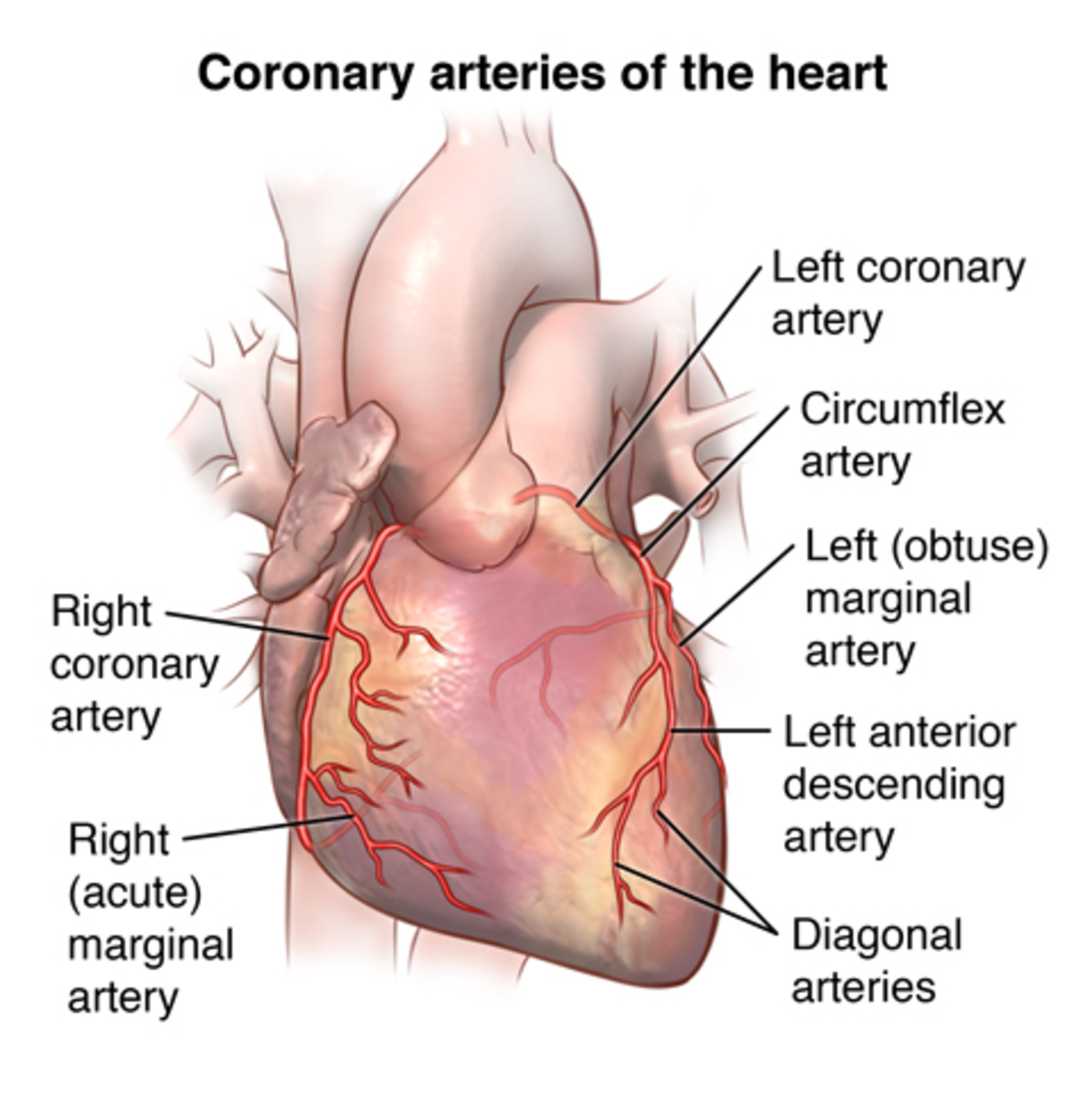
High blood cholesterol is a medical condition in which a person's blood cholesterol levels are above 240 mg/dL. It is symptomless and occurs when the cholesterol builds up as plaque in human arteries. With atherosclerosis, which is an excess of cholesterol accumulated in the arteries, your blood has trouble transporting oxygen throughout your body, and less blood to your heart means you're at risk of heart disease. The Centers for Disease Control put the incidence of high blood cholesterol at slightly less than one-fifth of the people in the U.S. over 20 years old.
What Causes High Cholesterol?
Researchers know less about cholesterol than they'd like. They don't know why some people have high cholesterol and others have low cholesterol levels.
Genetics and heredity seem to play a part in blood cholesterol levels, as does diet and the rate at which an individual metabolizes the cholesterol in his body.
High cholesterol levels are associated statistically with age, sex, being overweight, and inactivity. Though this author would claim that the actual research on this is sketchy, the National Heart Lung and Blood Institute does state that eating saturated fats, trans fatty acids, and foods containing dietary cholesterol affect blood cholesterol levels.
However, that doesn't mean that saturated fat, trans fats, and dietary cholesterol are necessarily causes. They're associations. Just because you don't exercise does not necessarily mean you'll develop high cholesterol. Not everybody who eats red meat has high blood cholesterol levels. When I removed 90% of the carbs I was eating from my diet and replaced the calories with saturated fats (though not trans fats), my high blood cholesterol went down 50 points to well within the normal range.
For cardiac patients or people who do have high cholesterol, treatment is tricky. For some people, dietary changes, either positive or negative, have little effect on their blood cholesterol levels. For others, they have a noticeable effect.
As much as we'd like to think the cholesterol in our blood follows simple rules, it doesn't - as far as modern science understand so far, anyway.
How to Manage Your Blood Cholesterol Levels
- Both to lower your blood cholesterol level and achieve a more optimal cholesterol ratio, eat a healthy diet.
- The official advice by health professionals is to eat "good" fats, the polyunsaturated and monounsaturated fats, such as those in extra virgin olive oil and pumpkin seed oil, and reduce your intake of saturated fats. Anecdotally, following a low-carb diet, this author, who is not a medical professional reduced her cholesterol by 50 points after adding coconut oil, tallow, and lard - all saturated fats - to her diet. There is some debate as to which saturated fats, if any, are bad. For example, saturated fats from non-hydrogenated coconut oil may not cause cholesterol increases, and some research, such as that presented in A Review of Fatty Acid Profiles and Antioxidant Content in Grass-Fed and Grain-Fed Beef, suggests that saturated fats from 100% grass-fed beef or fatty fish like wild Alaskan sockeye salmon, both high in omega-3 fatty acids, do not raise blood cholesterol levels.
- Eliminate trans-fats (hydrogenated oils) from your diet.
- Get a fasting blood cholesterol check once every five years.
- Reduce your intake of simple carbohydrates; choose instead complex carbohydrates. That's the official advice. Unofficially, you might consider reducing even complex carbohydrates and replacing them with healthy fats.
- Get plenty of physical activity.
- Don't drink too much alcohol.
- If you have high cholesterol, your physician may prescribe statin drugs or other cholesterol medications to lower your cholesterol.
- Keep up with the research on cholesterol. What we know is always changing. For example, it's recently come out that gender plays a role in the success of statin drugs for preventing diseases associated with cholesterol. Search PubMed for "statins men cholesterol" and "statins women disease" to unearth some of these provocative studies.
Additional References:
See the author's disclosure statement about compensation for this article.