Choosing an Alternative Lawn

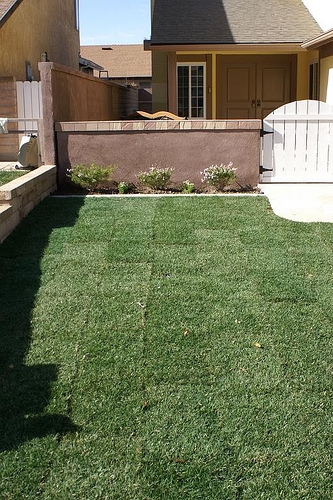
Alternative lawns can range from a traditional bluegrass or bermuda grass lawn managed organically, to alternative turf grasses or groundcovers, to a full-scale habitat restoration or permaculture project, with many options in between.
What kind of alternative lawn is best for you?
Here are a few questions to consider:
Organic Lawns
Alternative Lawns

How do you use your lawn?
Do you maintain your lawn because you need to, or because you feel it is expected? Many families with young children maintain an area of lawn in the front or back as a play area for the children, while others enjoy lawn sports like croquet or bocce, or frequently entertain outdoors. For these families, an organic lawn or alternative turf grass such as zoysia or buffalograss might be the best option.
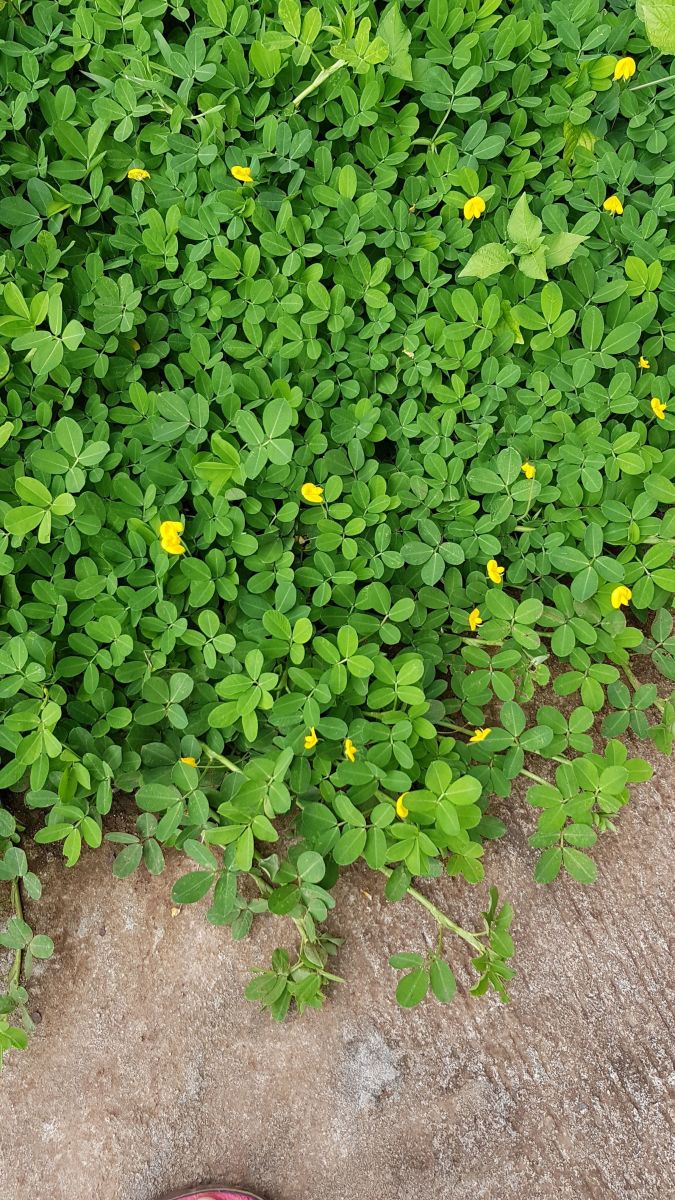
If you maintain a lawn primarily for decorative reasons, consider replacing your lawn with one or more low growing groundcovers,such as clover, moss, or creeping thyme. Most groundcovers tolerate low to moderate foot traffic and are a decorative (often flowering!) lawn replacement option that, depending on the species, often requires little or no mowing or extra watering, once established. Many groundcovers also grow well between flagstones, making them an excellent choice to add interest to a patio or other area used for entertaining.
For those who love gardening and design (or can afford to have others do it for them), landscaping, permaculture, and habitat restoration are beautiful and environmentally friendly options that can be used as a full lawn replacement or in combination with groundcovers, alternative turf grasses, or organic lawn management. An especially popular choice in these difficult economic times is "edible landscaping" - growing food plants such as vegetables, herbs, fruits, and nuts as ornamentals to add beauty to your yard and save money on your food bills simultaneously.

How much sun does your yard receive?
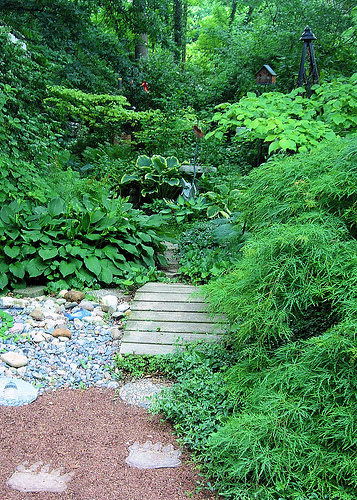
Most grasses are happiest in full sun, so if you have been struggling to maintain a healthy-looking lawn in the shade of trees or shrubs, an alternative lawn may come as a huge relief. Many groundcovers grow quite happily in shade, and there is a growing movement in many areas of the country, particularly the Northeast and Pacific Northwest, towards shade gardens that emphasize naturalistic plantings of shade-loving flowers, shrubs, and understory trees to beautify shady areas. One school of permaculture, known as "edible forest gardening," also emphasizes shade plantings.
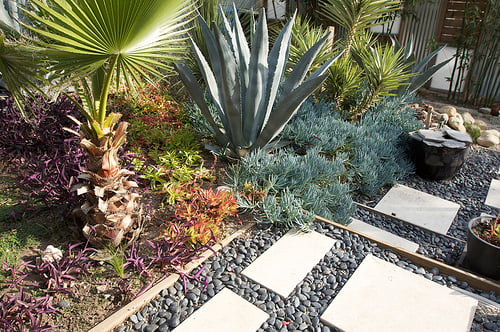
If, instead, you get so much sun that it bakes your cool-season lawn grasses to a crisp every summer, consider a heat and drought tolerant warm season grass or groundcover, or convert the area to a xeriscaped desert or grassland garden.

How much rain does your yard receive?
In some areas, it is possible to maintain a healthy lawn on natural rainfall, but these areas are few and far between in the United States.
In drier regions, rather than pay expensive water bills (or let your grasses die, if water use restrictions have been put in place by your city or county), choose water-wise groundcovers or warm season turf grasses, or xeriscaping.
If you live in a very wet area, a rain garden or water garden might be a better choice, or a moisture-loving groundcover such as moss.
More Inspiration

Learn More
- Less Lawn
Want a low-maintenance, ecologically friendly landscape? Chemical free? Want to do it yourself? Find information and inspiration here at LessLawn. We'll help you shrink your lawn and grow your pleasure! - Native Plants of the United States
Provide habitat for wildlife and create a beautiful, low maintenance landscape with hardy native plants. This lens offers information and resources about native plant gardening in all major regions of the United States. - Money-Saving Garden Tips
A beautiful garden doesn't have to be an expensive garden. Here are some tips to save money in the garden.