Common Edible Wild Plants - Part II

Day Lilies For Dinner
Wild Dinner Time Surprises
There were times in my childhood when we were probably poor, but I certainly didn't know it. I didn't connect the right dots, when wild rice cakes, dandelion salad, fried milkweed pods, and day lily fritters showed up on the dinner table.
The only dots that connected in my mind, were that "my family's a little weird," and that was only because the other kids in school pointed it out to me. Without these juvenile food critics, I would have never known the difference.
Here are a few more common wild edible plants for you to become better acquainted with, and some family recipes:
Burdock (Arctium Lappa)
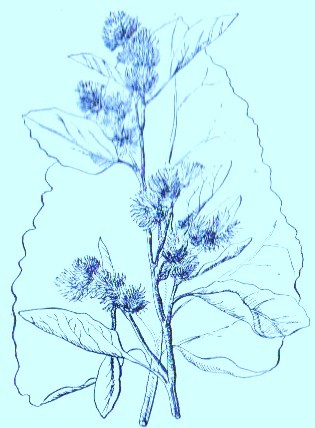
Burdock
Found: Burdock is found world-wide, especially in open waste land. The stems are available in the United States both in spring and summer.
Eaten: The tender leaf stalks of this weed are peeled and eaten raw, or cooked as a green. The root is also edible.
Interesting facts about Burdock:
- The taproot of burdock plants is a popular Asian root vegetable in many dishes.
- Dandelion and burdock is a soft drink in the U.K.
- Burdock has long been used in traditional folk medicines for many ailments. The oil from it is also used as a scalp treatment and for other skin ailments, such as acne, eczema, and psoriasis.
- The burdock plant seeds are how Swiss inventor, George de Mestral, came up with the concept of “Velcro.”
Warning!
It is very easy to mistake burdock with another plant, the Deadly Nightshade (aka Belladonna or Atropa belladonna). Therefore, burdock is better bought from reliable companies unless you are an wild edible plant expert.
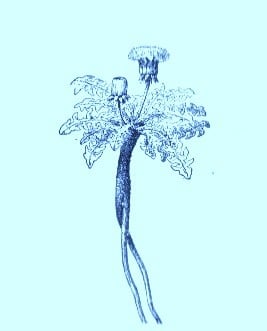
Dandelion
Found: This weed is found in most of the world.
Eaten: The young leaves can be cooked. More popular, the flowers and the roots may be eaten raw in salads.
Interesting facts about Dandelions:
- Dandelions are important plant foods for some butterflies and moths.
- Dandelions can often be confused with cat sears, or false dandelions.
- The name “dandelion” is an English distortion of the French word dent de lion (lions tooth).
- Dandelions are vital to bees in terms of being an important nectar and pollen necessary to bee survival.
- My Gronpere used mashed dandelions for wart removal.
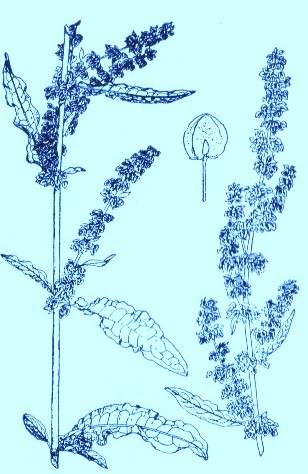
Dock
Found: Dock is also considered to be a weed, and is commonly found in the United States, in both southern and northern climates. Look for it in the fall and spring.
Eaten:Usually, you are looking for the young tender basal leaves, which can be eaten boiled or raw.
Interesting facts about Dock:
- Beauty is as always in the eye of the beholder, dock to some people are nuisance weeds, but to others, they are deliberately grown for their edible leaves.
- In folk medicine, dock has many uses, such as in a tea for cancers, digestive problems, fever, and scurvy.
- The leaves of the larger variety of dock, has even been used in the old days, for wrapping and conserving home-churned butter.
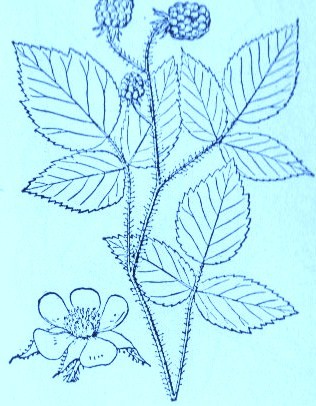
Wild Raspberries
Found: These shrubs are found almost world-wide. In the United States, look for them in the summer, in open land and forested margins.
Eaten: They are delicious both raw or cooked.
Interesting facts about Wild Raspberries:
- Wild raspberries have been used for centuries by weavers to achieve a purple to dull blue dye from the fruits.
- In traditional Cajun healings, the leaves and roots of the raspberry have been used for a wide variety of illnesses. Popular Cajun uses were as a decongestant, and as an anti-inflammatory remedy for arthritis.
- Raspberry teas have been used for centuries by many folk healers. In these you mix the berries into a juice and combine with a small amount of honey, and sip on them when you have a fever. Others make a thicker, more syrupy mixture of honey and raspberry fruits for heart ailments.
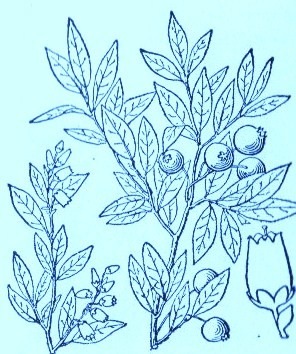
Blueberries
Found: These shrubs are found in a variety of regions, from the Arctic to north temperate, to even tropical areas. In the United States, harvest them in the summer and fall, but remember blueberries can also be found in the winter.
Eaten: Delicious either raw or cooked.
Interesting facts about Blueberries:
- Like the Giant Sequoia trees, blueberries in the wild used to depend upon natural forest fires to increase their numbers.
- Scientists are now advocating putting blueberry powder into burgers.
- Few food sources have more antioxidants, beta-carotene, and vitamins than the blueberry.
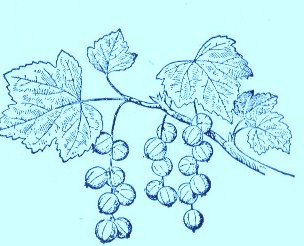
Golden Currants
Found: These low, sometimes prickly shrubs are found throughout the Americas, as well as, Europe, Asia, North Africa, and Australia.
Eaten: The berries are eaten raw or cooked.
Interesting facts about Golden Currants:
- The Golden currant is also known as the Buffalo currant and the Clove currant.
- It’s small yellow flowers are heavily scented and depending upon the variety can smell like cloves, or vanilla.
- Cajuns and native Americans used the Golden currant bush as a snake bite remedy.
- Cajuns and native Americans used the fruits as dyes, both for weaving and for painting clay pots.
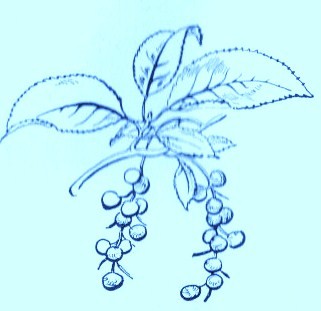
Wild Cherry
Found: Wild cherries are found in both north and south temperate zones in the U.S. during the summer and fall.
Eaten: This fruit, containing a single seed, is eaten raw or cooked in a variety of ways.
Interesting facts about the Wild Cherry Tree:
- The Wild Cherry is also known under a wide variety of common names, such as -- Chokecherry, Choke Cherry, Bird Cherry, Jam Cherry, Sloe Berry, and Bitter Berry.
Warning: Parts of the Wild Cherry are extremely poisonous, especially the seeds. Do not neat the seeds, leaves, or stems!
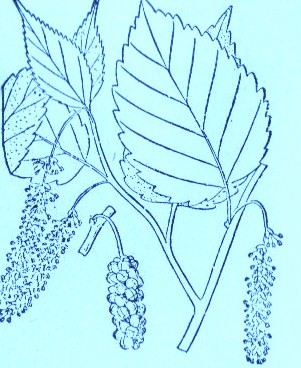
Mulberry
Found: Mulberry trees are always found in northern temperate regions. However, they are also found in subtropical areas in the summer.
Eaten: Raw or cooked.
Interesting facts about the Mulberry Tree:
- This once very popular wild fruit was used exclusively in pies, tarts, and home-made wines.
- It would surprise many to know that mulberry fruit come in both white and black. Black mulberries are native to North America. White mulberries are native to Asia.
- Native Ingenious peoples often used unripened mulberries and the green leaves as an intoxicant, and for it’s hallucinogenic properties in religious, or other important ceremonies.
- Most school children know that mulberry leaves are the sole food of the silkworm, and if you missed that fact -- it’s time for you know it.
- In folk healings, it is an important tea drink for colds, coughs, and respiratory ailments.
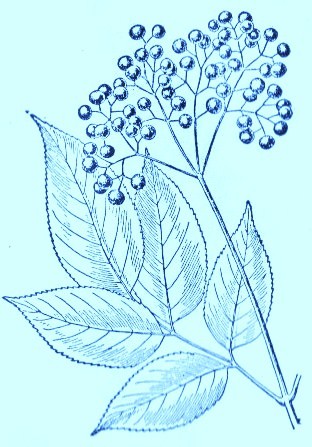
Elderberry
Found: These bushes are found in North American, South America, Europe, Asia, and Australia.
Eaten: The reddish or purple berries are eaten raw or cooked.
Interesting facts about the Elderberry bush:
- Elderberries are members of the honeysuckle family.
- Native Americans and Acadians have used the hollowed out elderberry twigs as taps on maple trees for getting maple syrup.
- Elderberries are not only important to birds, but also butterflies and moths as a food source.
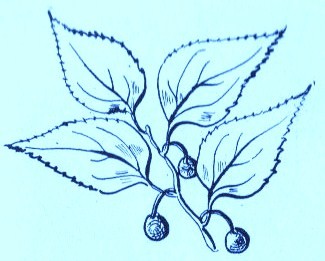
Hackberry
Found:The hackberry tree is found in North America, temperate Asia, northern India, and Europe. They can be found in both arid or moist habitats. Look for them in the U.S. in the fall or winter.
Eaten: Eat them raw or cooked.
Interesting facts about Hackberry:
- If you are in an old Southern church, chances are you are sitting on a pew made from the hackberry tree.
- The seed is so hard that it can break your teeth.
- The hackberry seed is important to several species of squirrels, quail, pheasants, wild turkeys, grouse, and many other birds.
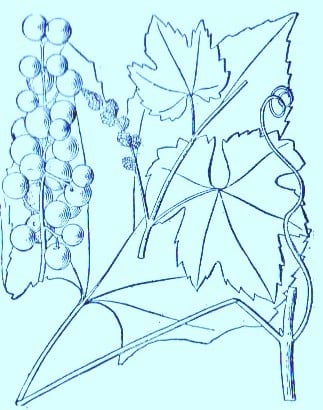
Frost Grape
Found: These climbing vines are found nearly world-wide. Look for them in the U.S. in the fall and winter.
Eaten: Raw or cooked.
Interesting facts about Frost Grapes:
Warning: The fruits of the Frost Grape are very similar to that of the Canada moonseed (Menispermum canadense), which is potentially fatal.
This is one of the wild edible foods that you need to be very careful in knowing which plant you have!
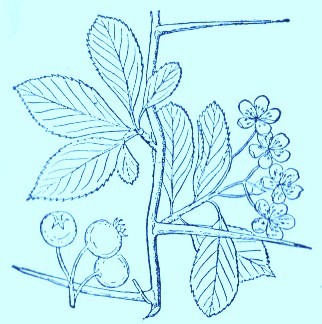
Hawthorn
Found: These bushes are found in open waste lands of temperate Asia, Africa, Europe, North America, Mexico, and the East Indies. In the U.S. look for them in the fall and winter. During the winter, look on the ground beneath the bushes.
Eaten: These tiny red or yellow apples are eaten raw and cooked.
Interesting facts about Hawthorn bushes:
- In the old days, the Hawthorn was an effective cattle and other livestock restraint. It was deliberately planted and eliminated the need for fencing.
- Other old-timers used it as sort of a burglar alarm under their unmarried daughter’s bedroom windows. The thorns (spines) and close branching make it an effective restraint against late night rendezvous.
- In folk medicine, a tea of hawthorn is standard for heart disease and circulatory ailments.
- There is no better home-made wine that that made of haws (hawthorn fruits).
- The Chinese use dried out hawthorn fruits as treats (candy). They also use it in flakes and jellies, to be consumed when eating meat for good digestion.
- Many cultures in the past believed the hawthorn tree’s wood to be a death sentence for vampires, and made stakes from the wood to exterminate them.
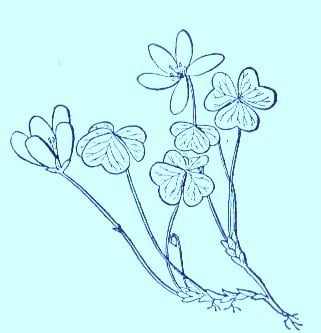
Sorrel
Found: Sorrel is a small plant that is found nearly world-wide.
Eaten: The leaves are eaten raw as a salad. The tubers are cooked.
Interesting facts about Sorrel:
- Another common name for sorrel is “spinach dock.”
- It is often an ingredient in some culture’s in soups and sauces. It is said to have a flavor similar to kiwi or wild (more sour) strawberries. Other cooks use it in omelets and salads.
- It is a member of the buckwheat family.
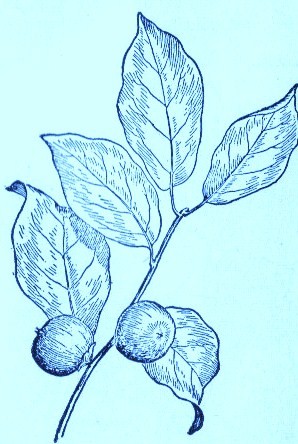
Persimmon
Found: Persimmon trees are found in North America, South America, Asia, Africa, Australia, and the Pacific Islands.
Eaten: Eat persimmons when ripe (very soft). Eat the fruits only! They can be eaten raw or cooked.
Interesting facts about Persimmon trees:
- The ancient Greek fruit of the gods, in the unripe Ned state is high in tannin. Old timers used it for tanning hides.
- In some countries, the varieties of persimmons are inedible.
- Unripe persimmons taste chalky. Only eat persimmons when they are very soft.
- Folk medicine uses include a tea of the dried leaves and fruit. It is never taken on an empty stomach and can be hazardous to your health if eaten green.
- Cattle and horses have been known to develop a taste for the fruit, and it can cause their death or at the very least, serious illness in livestock.
- Many old-timers, including those in my family, used the persimmon as a predictor of winter weather. By slicing the seeds, you’ll see what the future holds. If it looks like a knife -- the winter will be cold and windy. If it looks like a spoon, you’ll be shoveling lots of snow. If it looks like a fork -- you’ll be enjoying an early spring.
Persimmons
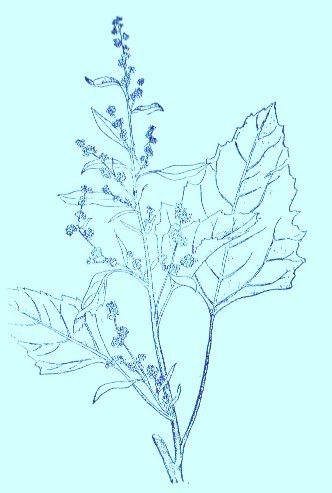
Goosefoot
Found: These weeds are found in all temperate and tropic regions of the U.S. Look for them in the spring and summer.
Eaten: The leaves are cooked as greens and the seeds are roasted.
Interesting facts about Goosefoot:
- Goosefoot is also known by another common name -- fat hen.
- A prolific seed producer (each plant has thousands of seeds), the seeds are good toasted, but should be eaten in moderation. Moderation also applies to the leaves and shoots, cooked or raw.
- Goosefoot is a long time old time feed for poultry.
- The Chinese used the hardened stalks as walking sticks for the frail, handicapped, and elderly.
- Goosefoot is one of those plants, that is either a weed or a beloved cultivated plant -- depending upon where you live in the world.
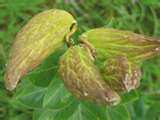
Fried Milkweed Pods
Ingredients:
- 1 1/2 to 2 quarts water
- 25 small milkweed pods, cut at around 3 1/2" in length
- 3 medium garlic finely chopped garlic cloves
- 2 tablespoons melted butter
- 2 tablespoons extra virgin olive oil
- 1/2 teaspoon pepper
- 1 tablespoon balsamic vinegar
- 1/2 tablespoon Goya Adobo
Instructions:
- Bring water to boil
- Add milkweed pods and return to boil for three minutes
- All pods should be immersed completely
- Drain and reserve pods
- Add butter and oil to pan
- Saute minced garlic cloves
- Add milkweed pods
- Add seasonings
- Saute for about ten minutes
- Add balsamic vinegar for last half minute
Serve immediately. Serves 2.
Milk Weed For Tinder
Milk Weed
Found: Milkweed varieties are found in North America, Africa, and Asia.
Eaten: Cooked, fried, or blanched. Often found in rice casseroles.
Interesting facts about milkweed:
- Milkweed may be considered a nuisance to some, but without this important food source, we would lose even more bees.
- Milkweed is the sole food source of the Monarch butterfly larva, which is why it shouldn’t be a “weed.”
- Some varieties of milk weed are poisonous in different parts of the world.
- Milkweed floss is a better insulation than down feathers, and was often used by past generations in pillows, bedding, life-jackets, and mattresses.
- Ancient mariners, Cajun traiteuse’s and Native peoples have long used milk weed nectar as a sweetener.
- Cajun and Native Americans also used the fibrous floss for insulation in shoes.
- My Gronpere used milkweed sap for wart removal and for poison ivy itch relief.
Useful Plants - Milkweed
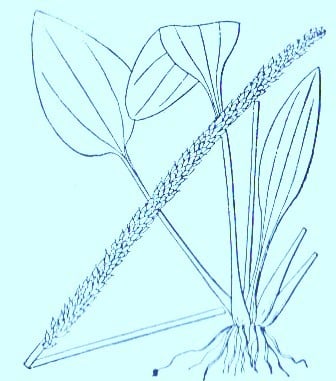
Greater Plantain
Found: They are found in all of the Americas, Europe, Asia, New Zealand, and some Pacific islands. In the U.S. look for them in the spring and summer. They were originally not native to this country, but traveled with man as he explored new continents.
Eaten: The young leaves of this common weed may be boiled or eaten raw. They are bitter tasting, and best harvested when young for less of an after-taste. The dried leaves make an excellent tea.
Interesting facts about Greater Plantians:
- Other common names for the Greater Plantain are many, among them are, Soldier’s Herb, White Man’s Footprint, Broad-leaf Plantain, Cart Track Plant, Dooryard Plantain, Healing Blade, Hen Plant, Lambs Food, and Way bread (to name a few).
- In folk remedies it has been used as a field dressing for battlefield wounds, blood problems (which is controversial), and should never be used by those taking blood thinners.
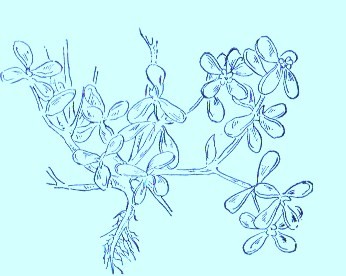
Purslane
Found: This fleshy plant is found world-wide. Look for it in the United States in the summer and fall.
Eaten: The fleshy leaves, flower buds, and stems are consumed boiled or eaten raw. It's taste is somewhat sour and often almost salty.
Interesting facts about Purslane:
- Purslane is also known under the common names of - Verdolaga, Pigweed, Little Hogweed, and Pulsey.
- Australian Aborigines use purslane seeds to make seed cakes.
- In alternative medicines it is used for constipation, urinary tract infections, and fevers.
- In Chinese healings it is used as an anti-dysentery medicine, for urinary tract infections, bleeding problems, snake bites, insect bites, and sores. In China, it is known as Ma Chi Xian (horse tooth amaranth).
Day Lily
Found: Worldwide, usually in shady spots.
Eaten: The flowers of Day Lilies open at sunrise and wither by sunset, so you have to act fast if you are intent on eating them or cooking with them. There are exceptions, who do open at night. Always remove the stamen before eating. Other parts of the Day Lily can be toxic, and some people have problems with allergies when handling them.
Interesting facts about Daylilies:
- Another common name for the Day Lily, is the Orange Ditch Lily.
- Some varieties in the world will cause nausea, diarrhea an vomiting if ingested in large enough quantities.
- Never eat the green stem attached to the flower base.
- Mountain women sometimes make Day Lily Wine, and pickle the flower buds, both of which I find very tasty.
Louisiana Day Lily Fritters
Ingredients:
- Dozen fresh picked day lily flowers
- 1 cup flour
- 1 tablespoon Goya Adabo
- 2 eggs
- 1/2 cup heavy cream
- 1/4 cup grated Parmesan
- 1/4 cup grated Asiago cheese
- 1 1/2 cups butter
Instructions:
- Steam day lilies until wilted
- Drain lilies
- Add Adabo to flour and sift
- Dredge Day lilies in mixture
- Beat eggs, cream, and cheeses
- Melt butter in frying pan
- Dip flowers into egg mixture
- Place flowers into butter
- Keep turning until brown on all sides
- Drain on paper towels
Serve immediately. Serves 4

Warning!
These are simple old time folk remedies and food sources. I make no guarantee as to either their effectiveness, or their safety. Information provided is strictly for general knowledge.
Consult your physician before deciding, if these remedies or wild food choices, or any other such treatments are right for you.
If You'd Like to Know More!
- Bloom Where You are Planted.
Bloom Where You Are Planted.As much as I love watching my Spring Garden I love to watch my summer garden even more; because that’s when the flowers I have planted bring forth their fruit. Summer is the... - Day Lily Wine
Over 200 winemaking recipes requested by viewers of the Winemaking Home Page. How to make a delicious homemade wine from the common day lily. - Delicious Dandelions
If you're tired of trying to get rid of the dandelions in your yard, you might want to try cooking with them instead! Try these delicious and healthy dandelion recipes. - Enhance Your Health with Grapes
If you are looking for ways to improve your diet you may want to consider adding grapes to your diet on a regular basis. Grapes have many health enhancing ingredients including saponins, resveratrol,... - Foraging and Ethnobotany Links Page
A page of annotated links to sites on foraging and ethnobotany. Also has sub-page on Clams and Clamming. - Gooseberry Energiser For All
Gooseberry is one of the excellent sources of Vitamin C. Fresh gooseberries are available only during 2-3 months a year. But it can be preserved using honey, and thus used throughout the year. I will explain... - Growing Blackberries
How to grow organic blackberries. I will cover all the essential aspects for those of you new to growing blackberries, your own food, or just new to growing your own plants in general. - Harvesting and Eating Dandelions
They grow everywhere or so it seems, you do not have to tend them, water them or feed them, all you need to do is appreciate them and harvest them. Then enjoy them as wine, tea, in a salad or deep fried as... - Herbal Remedies For High Blood Pressure
Herbal remedies for hypertension are very common in Europe. In fact, doctors there are more likely to prescribe herbs for high blood pressure instead of prescription drugs. Many studies in Europe have shown... - Herbal Remedies To Ease Hay Fever
Most people can enjoy the Spring and Summer sunshine, but for those who suffer with hay fever, it can be a miserable time. Hay fever is caused by an allergic reaction to tiny airbourne particles of pollens... - How to Grow Four Berry Fruits
These four - Rumex crispus page (Dock)
- Silkworms
Silkworms are a great staple feeder for your reptile. They are packed with nutrients. They have no smell, can't jumb or run away, cannot bite, and are slow moving. They are one of the better feeders for your... - The Health Benefits of Berries
Berries give your diet a health punch because they are so full of nutritional benefits. These small bursts of flavor do more than please your tastebuds, they also: contain antioxidants help combat heart... - What's all the Craze About Cranberries For the Holid...
Since there's no way that we can communicate with our quadruple-great grandmothers, we'll probably never know the full reasons why that we always have cranberry sauce sitting at our tables during the... - Wild Cherry - Choke Cherry