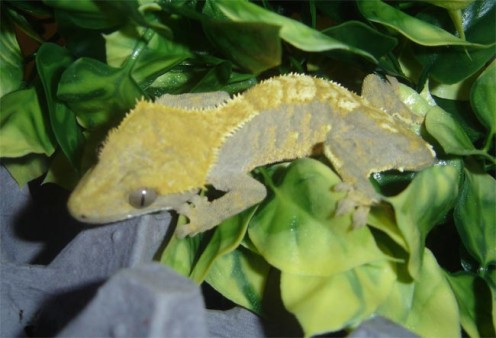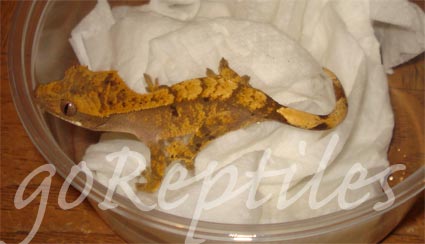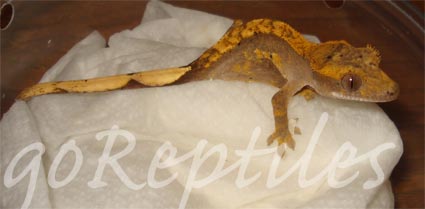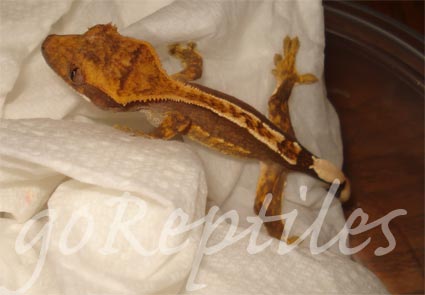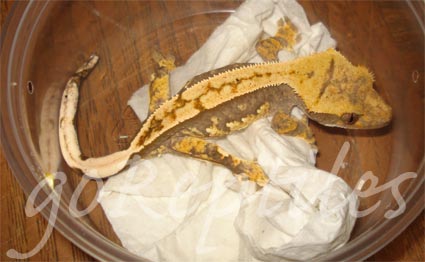
Crested Gecko Care

84
rate this page

By Whitney05


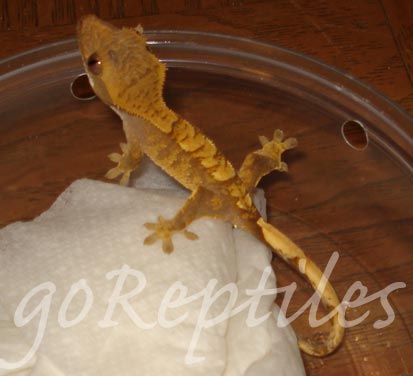
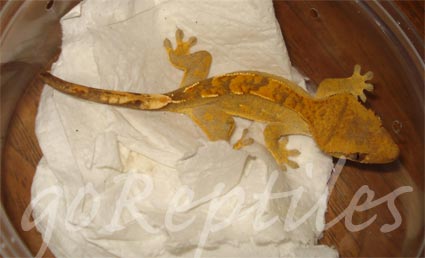
Crested Gecko

Rhacodactylus ciliatus

Crested Geckos are native to New Caledonia, located approximately 900 miles east of Australia. They are indigenous to the island, Grand Terre, and the Isle of Pines to the south.

Because crested geckos weren't reported being seen in their native environments, many believed they had gone extinct. In 1994, the species was found on the Isle de Pins.

Crested geckos are arboreal, and since they are nocturnal, they spend their days hiding amongst leaves and branches.


Crested Gecko Lifespan

It is assumed that crested geckos have a similarly averaged lifespan as other geckos. It is unknown for sure, as they have only been in the reptile market since 1994 when the Europeans discovered the gecko on the Isle de Pins. But, is is thought that crested geckos will live about 15-20 years.

Crested Gecko Size

As adults, crested geckos can reach 4-4.5" snout to vent, or about 8" to the tip of the tail.

Crested Geckos as Pets

Crested geckos make great beginner reptile pets. They are very docile and can be handled with care.

They are a very, very jumpy reptile. So it's best to let them jump hand to hand without any force. Limit handling baby and juvenile geckos, until they are used to you. Excessive handling will cause unnecessary stress.

If you grab the gecko suddenly by force or by the tail, you risk the gecko dropping its tail, and unlike many gecko species, crested geckos don't regrow their tails.

Crested Gecko Books

Rhacodactylus: The Complete Guide to their Selection and Care Rhacodactylus: The Complete Guide to their Selection and Care
Price: $37.95
List Price: $39.95
Crested Geckos: From the Experts at Advanced Vivarium Systems Crested Geckos: From the Experts at Advanced Vivarium Systems
Price: $6.68
List Price: $8.95
Crested Geckos (Complete Herp Care) Crested Geckos (Complete Herp Care)
Price: $3.75
List Price: $9.95

Floppy Tail Syndrome

Floppy Tail Syndrome is caused by enclosures that lack climbing sources. When the gecko hands upside down on the walls of the enclosure, the tail is left flopping over it's back. This can deform the gecko's pelvis and give them a crooked appearance.


Crested Gecko Housing

Enclosure Size:

First off NEVER house more than one male gecko together, as they are territorial and will fight, causing severe injuries and even death. One male can be housed with up to 3 females, but be prepared for mating and eggs. Or, you can house multiple females together, but do watch for any signs of bullying or stress when housing more than one gecko in an enclosure.

Crested geckos are arboreal and need an enclosure that is taller than it is long. One crested gecko can live in a 15-gallon tall aquarium (18"W x 18"D x 18"T), or 3 in a 29-gallon aquarium (30"W x 12½"D x 17"T ).

*Note: 3 crested geckos in a 29- gallon is really pushing it.

Decor:

You can make an simplistic or naturalistic enclosure setup. Make sure to utilize the space effectively, in either case. Add ample climbing and hiding places, including plants and branches.

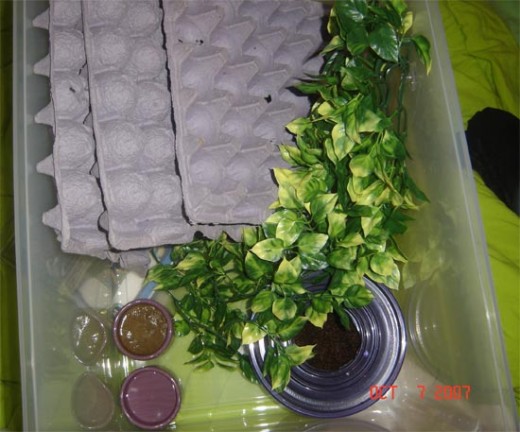
The simplistic approach is more practical than it is aesthetically pleasing. This approach includes egg cartons; they are cheap and provide ample hiding places and climbing surfaces. If you do not want to use egg trays, you can use fake or real (potted) plants, branches, and cork bark.

The naturalistic approach is more aesthetically pleasing than it is practical. If you choose this method, it is always best to buy a larger enclosure for you gecko because you will need to add plants and branches. This approach involves the use of loose substrate and mosses as floor covering. Live plants are added either in pots or planted in the substrate with branches and bark. The advantage of a naturalistic type enclosure is that it provides the geckos with amply hiding places and climbing sources. But, on the other hand having loose substrates creates the risk of impaction.

Lighting:

Being nocturnal, crested geckos do not require supplemental lighting. Do not place the enclosure in direct sunlight, but indirect lighting can be beneficial in creating a day/night scenario.

Heating:

Daytime temperatures should NEVER reach higher than 80F; the daytime temperatures should range from 72-80F. At night, the temperatures can drop to the high 60s to the low 70s.

Humidity:

The enclosure can stay fairly dry during the day. With thorough misting once or twice a day, the humidity will rise. Strive for average humidity levels between 70-80%.

For babies and juvenile geckos, mist the enclosure twice a day: once in the morning and once at night. For adults, mist the enclosure once at night.

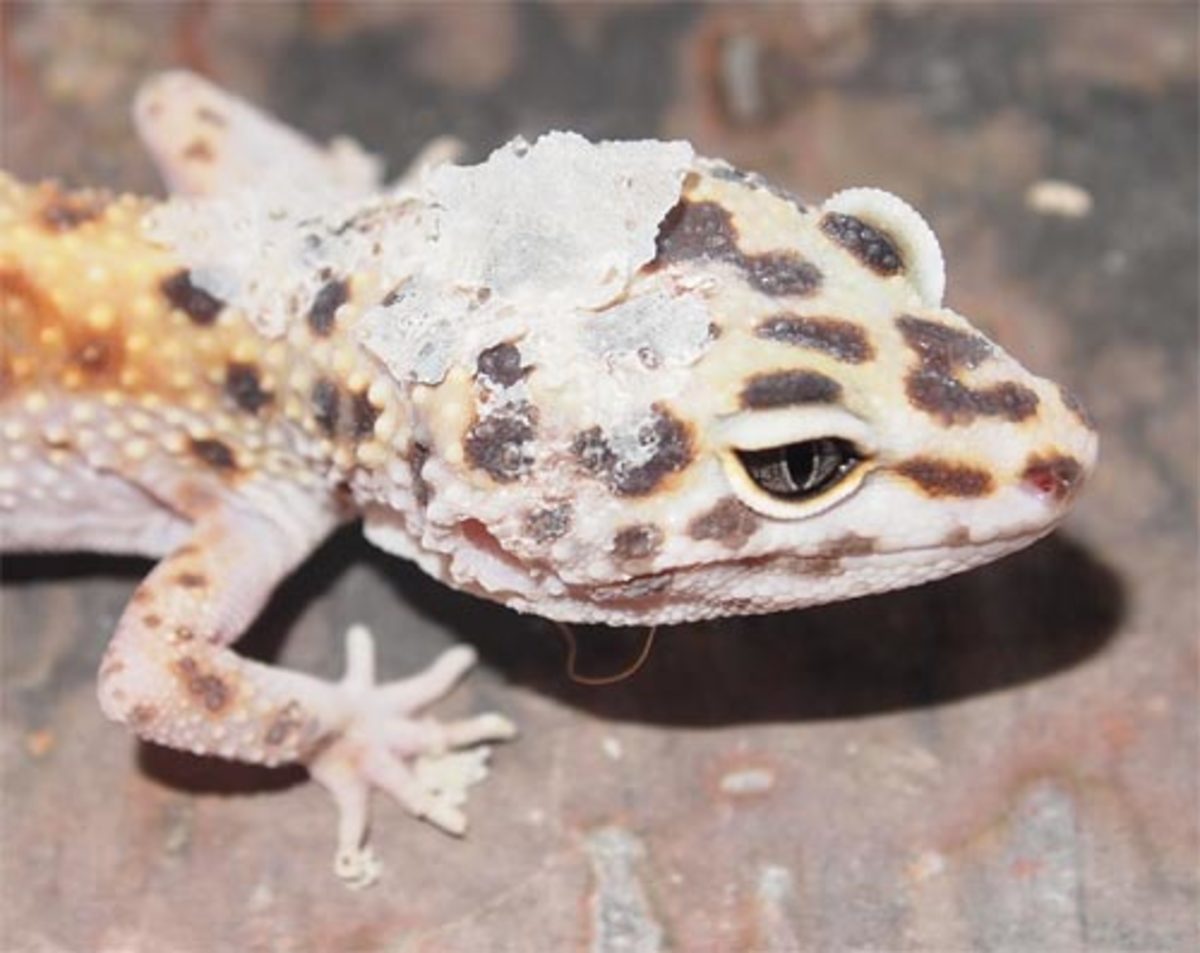
Keeping too high humidity will increase the chances of fungus, but low humidity can cause shedding problems. So, by misting the enclosure, you create a balanced humidity level.


Reptile Substrate

Many people use Bed-A-Beast, Repti-Bark, or some other type of naturalistic bedding, but using loose substrates can cause impaction, severe constipation, can be fatal.

Other options:

  • Paper towels
  • Reptile carpet
  • Slate
  • Roll out tile
  • Butcher paper
  • Newsprint with a non-toxic ink.

Avoid using:

  • Cedar, pine, other wood shavings
  • Hard wood and bark chips
  • Gravel
  • Crushed corn cobs or walnut shells
  • Kitty litter
  • Potting soil
  • Silica sand
  • Calci-sand

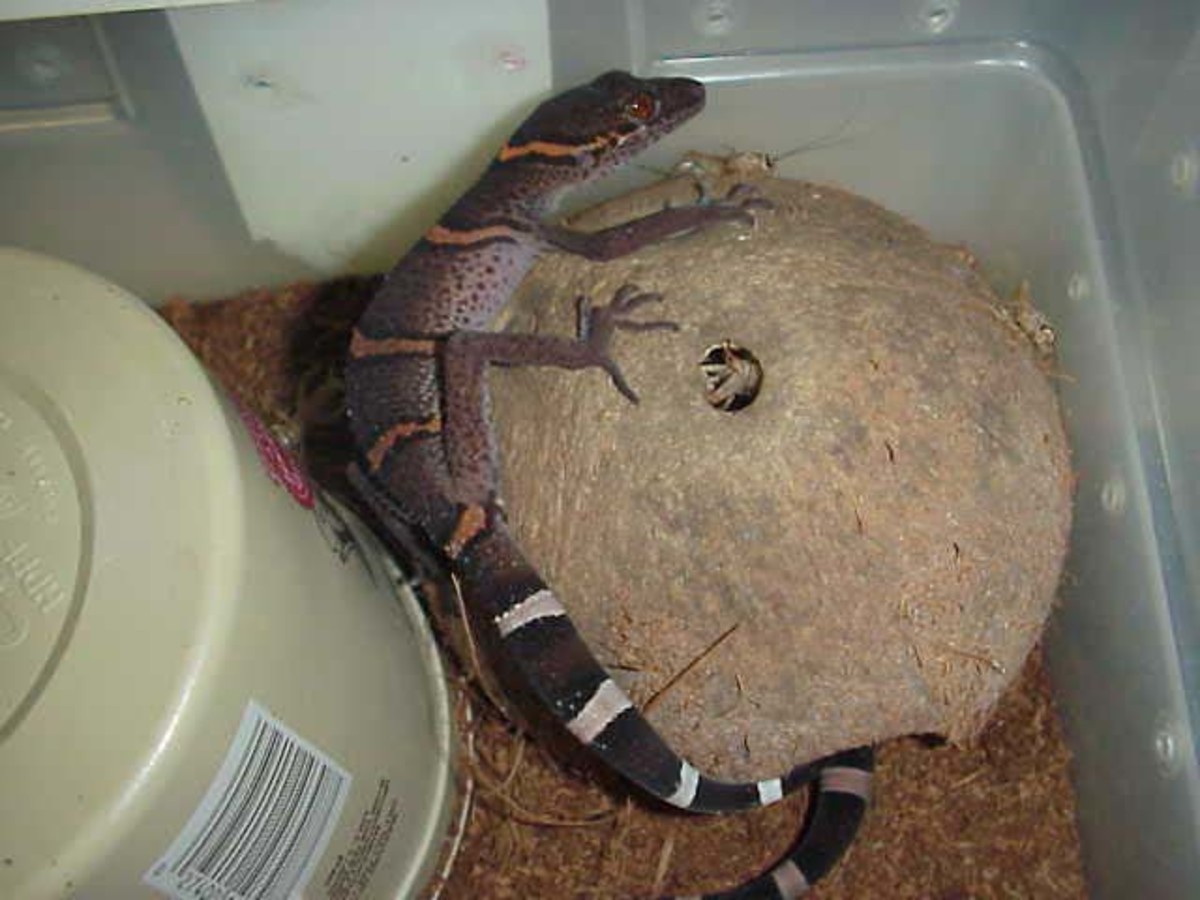
66 Quart Sterlite Tub. Simplistic enclosure.

Gutloading Crickets

Crickets must be gutloaded at least 24 hours before you feed them to your crested geckos. It's an easy procedure. It just means to make sure that the crickets are fed prior to feeding them to your geckos.

If you purchase your crickets in advance, keep them in a critter keeper with a pice of egg carton to climb on. To gut-load the crickets, place either store bought cricket food, fish flakes, oranges, potatoes, or carrots, in with the crickets.

If you purchase crickets just for the meal, most petstores provide their crickets with some sort of feed before you bring them home. In this case, you wouldn't have to worry about it. Just dust them, and put them in the enclosure.

By feeding the crickets, they become nutritionally balanced, which is passed on to the gecko. You must still coat the insects for added minerals!

Crested Gecko Diet

Crested geckos have simple dietary concerns: Crested Gecko Diet (meal replacement powder) and crickets. You can feed crested geckos fruit baby foods, but only at limited amounts. Excessive baby food, can create calcium deficiency as there is little nutrition in the baby food.

The meal replacement powder (MRP), Crested Gecko Diet (CGD), was created by Allen Repashy. It provides crested geckos with all the nourishment and that it needs. You can purchase CGD at most pet stores and Amazon. CGD should be provided to the gecko daily; usually it will last a few days before you have to remake it.

Crested geckos should be provided crickets once or twice a week, depending on their size and age. Younger geckos should be provided crickets at least twice a week, in addition to the daily CGD. Coat the crickets in a calcium supplement.

If you choose to give your gecko baby food, make sure that it is only a supplement to the CGD. Crested gecko approved baby foods include:

  • Peaches
  • Apricots
  • Applesauce
  • Bananas

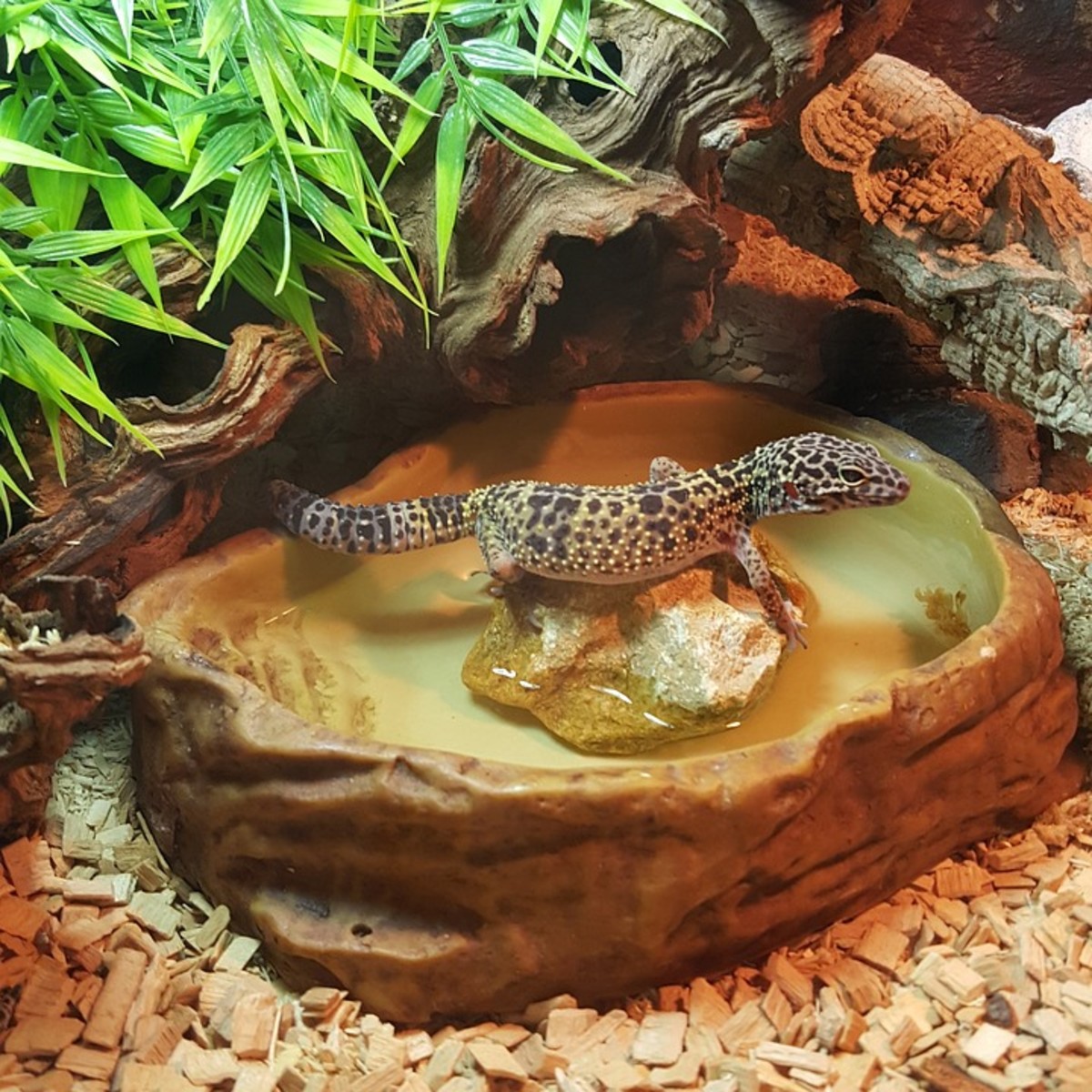
For the most part crested geckos prefer to drink water off the enclosure walls and decor. You can provide the gecko with a water bowl in addition to daily sprays.

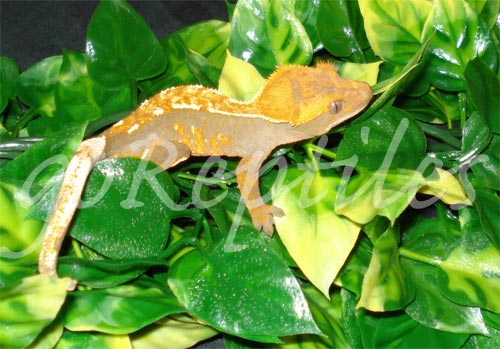
Crested Gecko Morphs

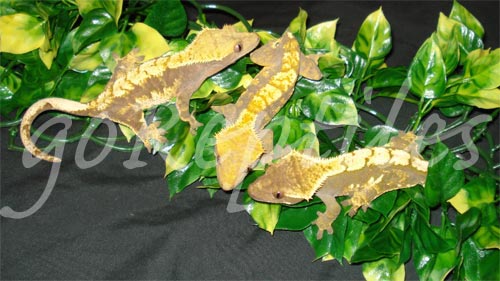
Harlequin
Harlequin

Click thumbnail to view full-size

Comments

RSS for comments on this Hub Small RSS Icon

compu-smart profile image

compu-smart  says:
6 months ago

Well, This HAS answered my questions Whitney but I was thinking of something a bit larger.!!

seth  says:
4 months ago

i have heard of crested geckos but i just never have had time to look into them. i have been trying to take care of my iguana and turtle. and my super hypo tangerine leopard gecko that i bought at a pet store as a normal leopard gecko i now believe has MBD. and he won't eat.

Whitney05 profile image

Whitney05  says:
4 months ago

Sounds like you have a lot on your plate. You may want to consider liquid calcium for the leopard gecko. Make sure to dust all feeder insects and to leave a small bowl of calcium in the cage.

gecko man  says:
3 months ago

ta ta

rlimbo*  says:
3 months ago

Thanks i am going to get a crested gecko and that is all i need to know. but what does having loose subtrates creates the risk of impaction mean? i am only 10.

Whitney05 profile image

Whitney05  says:
3 months ago

Rlimbo*- I'm glad you're doing your research before you get a reptile. Loose substrates are any substrate matter that is not solid. Examples: sand, bark, wood chips, etc. Anything that the reptile can accidently injest should be kept away from a reptiles enclosure because you run the risk of impaction. Impaction is severe constipation that tends to result in death. The reptile may grab some of the sand or dirt when chasing a cricket, and over time this begins to build and block the intestines, which can cause a painful death. Depending on the size and age of the reptile, the impaction process can be short or long before you start to notice signs.

ryan mcdonough  says:
2 months ago

i recently bought a crested gecko 1 week ago. but he is not eating his crickets. what i did was i got a recipe for a smoothie for him from the petshop where i bought him. but he didn't eat that either. so what i did was i got a little smoothie on his snout and when he went to lick it off and his mouth was open i took a cricket and put part of it 1/4 in his mouth. thats the only way he will eat please help, thank you

ryan mcdonough  says:
2 months ago

please post asap of if any one else knows what to do plz help.

ryan McDonough  says:
2 months ago

oh and while i am here... I have my 4 moth old crested gecko in a basic 10 gallon aquarium tank with loose soil and a 55 watt heating; all from Petco. Petco said this was fine but alot of places online said otherwise. please tell me what to do, and how big of a deal is this if its not what i should be doing and tell me if it should be done immediately, thanks again, Ryan

Whitney05 profile image

Whitney05  says:
2 months ago

Ryan- You need to make sure toprovide the crested gecko with the crested gecko diet. There's no smoothie mix that he should be getting. the CGD just mixes with water and there you have it. I'm assuming the 1st gecko is a younger one, so you will want to jut provide a little bit or you'll end up wasting a lot of the powder.

Remember that crested geckos are nocturnal so you won't always see them eating. Plus if you are providing a lot of the crested gecko diet, you may not notice the gecko eating anything. Try giving the geckos smaller amounts of the CGD and you will be able to monitor how much is appropriate. I start with gatorade bottle caps and when they eat all the CGD in the cap, I upgrade to a bigger bowl, until they get the normal bowls that I prefer.

As for heating, just make sure that the temperatures are about 70F. You may not need the 55 watt bulb. I use undertank heaters on the setups that I have in my room, as I run the AC at night. But for my larger setup in my reptile room, I don't use anything, and the temps are fine. The best way to measure the temperatures is a digital thermometer with a probe.

The 10 gallong will not be big enough. You will need to upgrade to a minimum 15 gallong tall for one crested gecko. Make sure to house them separately. Both enclosures should be 18"x18"x18"

Don't always trust pet stores for your information. Most of the time they are wrong.

It's natural for a gecko to not eat for a week or two when you first bring it home. It will take time to adjust to the new surroundings.

How do you have the enclosure set up? Make sure to have plenty of fake plants and climbing things. You need to mist the enclosure twice a day until they are adults at which point once a day will be fine. Avoid using dirt bedding because the gecko may eat it when it goes after crickets. Use paper towels.

ryan mcdonough  says:
2 months ago

thank u so much, but yea i have stufff for him to climb on

ryan mcdonough  says:
2 months ago

and is the 10 gallon to small for my gecko, even though he is about the body length of my pinkie

Whitney05 profile image

Whitney05  says:
2 months ago

For now it's fine, but you will need to upgrade.

Crestie03  says:
2 months ago

Is it possible to mix calcium dust in the water dish to provide my geckos with calcium if I haven't had the chance to get them crickets? I don't want to leave them too long with out any.

Whitney05 profile image

Whitney05  says:
2 months ago

You should provide a calcium dish in addition to daily crested gecko diet meal replacement. Crickets are just once or twice a week for adults. They're main diest should consist of the crested gecko diet.

Crestie03  says:
2 months ago

what should i do for now if i don't have a calcium dish?

Whitney05 profile image

Whitney05  says:
2 months ago

If you have calcium, you can put it in a small gatorade type container lid. If you have crested gecko diet, then don't worry about the crickets for now. You should provide crested gecko diet daily.

ryan mcdonough  says:
2 months ago

its me again i just bought sand as a substrate its called zoo med vita-sand. is that bad. i think it is i foget thay shouldn't have sand wen i bought it. and worst is that it says it is ultra fine sand. should i immediately swap it out. and is it bcuz when they eat they might get sand because if i am giving him cgd that shouldn't b a problem... should it

ryan mcdonough  says:
2 months ago

o and another thing since it seems like u no alot about reptiles. could you recomend a reptile to buy that is inexpensive and can llive in the crestedd gecko setup that i have(the one with sand) since i am buying another tank for my crestie. and the one i mean now i mean not have to modify it too much. specifically a reptile that can have a sand substrate. thank!!!

Whitney05 profile image

Whitney05  says:
2 months ago

Ryan- don't use vita sand in any reptile's enclosure. Especially a crested gecko's. It will dry out the gecko. The sand will suck the water out of the air. It will be a problem if you keep him on it. I'd remove it ASAP. The gecko still needs crickets occassionally, so even if the sand doesn't dry out the enclosure, you risk the gecko ingesting it.

As for what reptile can you house with a crested gecko... Nothing... You should NEVER house multiple species together. You cannot provide 100% accurate husbandry for both geckos. It's never recommended and you shouldn't NOT do it by any means necessary.

No reptile should have sand substrate. Just through it in the yard.

ryan mcdonough  says:
2 months ago

i said i ws going to take the crested out. i no not to house multiole species. and thnx bcuz on the bag it says its ok for beardies and it says it is vetanarian reccomended. and about a week ago. my crested got out of my hands and lost in my room and i couldnt find him. the next morning i found him and he had this black stuff on his gums. i dont know what it is but it hasn't come off and i have very gently tried to get it off but it is still there. wut should i do.

and that stinks lol because i spent 18.99 on hazardous sand!!

Whitney05 profile image

Whitney05  says:
2 months ago

I'm sorry then. I misunderstood what you were asking. I really do hate that they even sale sand, but it can't ever really be used safely. Well, knob tail geckos are ok on sand, but their expensive and need a different stil enclosure than a crested gecko.

Most reptiles that are desert animals are desert in terms of rocky terrain not sand, so it's usually just not a good option. I'm not sure why you would use it in a crested gecko enclosure as they're not desert animals, but you did. Just remove it.

I'm not sure what the black stuff is that you're speaking of, but just let it be for a few days and check again.

As for what can go in a crested gecko enclosure without a crested gecko... not much. even gargoyle geckos which have similar habitats, need a larger enclosure. I'm not sure what size enclosure it is, but if it's the average bare minimum, then not much else will go in it that I'm aware of. Or rather that's fairly inexpensive.

ryan mcdonough  says:
2 months ago

THANK!

the sand is in the pale. And the black stuff has been there for a week now. its almost like wet dirt but its like stuck to his gums. i thought maybe it was something significant like a scab or rotting, but thats y i asked u, thank. how do you tell the sex of geckos? and i thonk my gecko is shedding. is there anything special i should know about? and for substrate iam thinking of buying "Zilla Green Terrarium Liner For Reptiles" from Petco. and thanks alot if it wasnt for you my gecko would be dead.

ryan mcdonough  says:
2 months ago

me again for the 1088793646383784 time.

i was at petco today(wen i bought the sand) and came across house geckos, green anoles, and chinese water dragons. because the anoles were all in a smal 10gal tnk and there were about 10 of them. and same with the house geckos, so thats why i asked for about small cheap inexpensive reptiles, $5.00-$7.00 a piece. and do you know anything about hte chinese water dragon because i was wondering about investing in one.(if you made a hub about the chinese water dragons just tell me)

Whitney05 profile image

Whitney05  says:
2 months ago

It's hard to tell you what it is without a picture or being able to see the gecko. You may need to take the gecko to a vet jsut to make sure. Males will have visible prenal pores, "balls" so to speak. As long as you mist the cage like normal, you shouldn't have a problem with it shedding- twice for younger geckos and once for adults. The reptile carpet is fine; you just have to worry about geckos getting their mouths caught in it when catching crickets.

Pet stores house multiple geckos in small enclosures because it's temporary. You may be able to get away with one anole in a bare minimum crested gecko enclosure, but I'm not 100% on anole care. House geckos are fairly small, so you could get away with one in a crested gecko enclosure. Sorry I didn't think of them before. I really don't see them as pets, as you can normally find them outside (at least in my area).

ryan mcdonough  says:
2 months ago

OH ok

i went to petco the day i bought the sand and they didn't have cgd. and yesterday i went to another petco and they were out of cgd too. :( i dont know what to do about it is it bad that he hasn't had cgd since i got him(which was probably a week before i first wrote on this wall) .petco said that the manufacturer might be short on supplies if you have any suggestions that would be great. and when you say a vet do you mean just any vet. because i don't know how muck vets will know about a new caledonian crested gecko.

Whitney05 profile image

Whitney05  says:
2 months ago

I would suggest you buying it online. It's essential to every crested gecko's diet. They cannot survive on crickets alone, and should really be provided CGD daily. I have posted a link above, if you want to check that out.

I don't recall saying vet, but if I did then I did mean a veterinarian. You need to have a reptile vet that you can take the gecko to in case of an emergency. Anyone who owns a pet or any kind needs to know a vet that can treat the animal and that includes reptiles. You have little faith in vets if you think that they don't know anything about your pet. Granted the average cat and dog vet may not, but a reptile vet will. I'm not sure why you specified "new caledonian crested gecko" but yes a reptile vet can help you with any reptile even the Rhacodactylus species. You really should have one in mind for emergencies. You can't always rely on a reference book or the internet for help. You need to have a reptile vet that can help you with your pet.

Jennifer  says:
2 months ago

I'm looking to buy a crested gecko, but first I need to know the basics of what I need. Can you help me?

Whitney05 profile image

Whitney05  says:
2 months ago

If you follow this care guide, you should be fine in your understanding for caring for crested geckos. What exactly do you need help with? I will try to further help you. Remember that this care guide is taken from personal experiences and research.

Reading throught the care guide, you should find all the things that you will need- enclosure at least 15 gallon tall, decor, crested gecko diet, and gecko. Depending on where you live, you may want to invest in an under tank heater. Do all your research before buying the gecko. If you have any specific questions, I'd be glad to answer them for you.

Kellie  says:
2 months ago

I have a beautiful crested gecko that got out of his home last night. I am almost 99.9% sure he is in my room and unable to get into the rest of the house. I have had him for several years, and this has never happened. I am so upset. Any ideas of how I can get him back safe and sound?

Whitney05 profile image

Whitney05  says:
2 months ago

I've only lost one of mine and it was for less than 15 minutes. I found her behind my mini fridge. Look for dark and semi- warm places. He could be anywhere. Keep looking though. You may want to set out his normal portion of crested gecko diet. Look around the cage and around where he got away.

ryan  says:
2 months ago

kellie the 2 times that this happend to me he was still in my room. 1st i found him in a coke can under my bed, so what you should do is put dixie cups under your bed. and the 2nd time he was in my closet under a pillow so the chances are hes probably on the ground

ryan mcdonough  says:
2 months ago

JUST GOT MY 29 GAL. YEAH!!!!!!!!

Whitney05 profile image

Whitney05  says:
2 months ago

Sounds good Ryan, now all you need is the crested gecko diet.

kayla  says:
2 months ago

when u feed ur BABY gecko do u want to feed it by putting ithe food on ur finger and let it lick the food off ur finger,or do u want 2 put the food in the cage and let the gecko find it and then eat it.(im talking about baby food and fruit.Not crickets)

Whitney05 profile image

Whitney05  says:
2 months ago

You need to put the CGD in the enclosure, to allow the gecko to eat when he wants. You don't know when he's had enough to fill him if you're feeding him off your finger, plus he may get used to it, and prefer to be fed this way as an adult. DON'T feed baby food unless mixed with CGD and if it's a treat. Mix the CGD with water daily. I only provide baby food to my adults once a week. Usually only to females during breeding season. The gecko shouldn't have a problem finding the food unless it truly is a baby and he's being housed in a large 29 gallon plus enclosure. If it's a baby in a 10 gallon or 15 gallon tall, he should be fine. If you're worried about him finding the food, you can use an aquarium divider to portion off the enclosure. I house hatchlings in small-medium kritter keepers, but I have used 10 gallon aquariums for 1 hatchling gecko, and have never had problems with them finding food.

ben  says:
2 months ago

hey,

i have just got a crested gecko and she is not eating her crikets or her baby food the place were i got her from didnt have any crested gecko diet should i try getting some asap could she die with out eating crix?? (she is only 5 months old ) :( :'(

Whitney05 profile image

Whitney05  says:
2 months ago

Ben, you need to try not to feed baby food, and buy CGD as soon as you can. The gecko is new to the enclosure, and sometimes it can take time to adjust to a new surrounding. Give the egecko time to adjust; it can take a few weeks. Otherwise, just make sure to provide CGD daily (order it online if you have to- there's a link above).

Some crested geckos don't really like crickets; I have one that doesn't prefer them.

ben  says:
6 weeks ago

hey again,

thank you! also how could i make my tank warmer could u post a picture of ur tank set up please. do they like bark as their substrate??

thanks :D

Whitney05 profile image

Whitney05  says:
6 weeks ago

I'd stay away from bark as crickets can hide under the bark and your gecko can ingest it. But personally I like simple enclosures and not naturalist ones. Many people do use the bark, I just don't like the possible risk of ingestion and hidden crickets.

I don't use heat in my enclosures. I have my crested geckos in a reptile room that is heated naturally around 74F from my bearded dragon enclosure, 2 reptile racks, and a computer server. Otherwise, I tend to put a small UTH on the side of the enclosure (not attached just sitting next to).

AP  says:
5 weeks ago

Hello,

I have a female cresed gecko about 2 ½ years of age that I bought from pet kingdom and she is diagnosed with metabolic bone disease. The first time I noticed something was wrong with her was about two months from now and I took her to an exotic animal hospital (Avian and Exotic Animal Hospital). Dr.Jenkins (Jeffery R. Jenkins, D.V.M.) <http:drexotic.com/bio_jenkins.htm> suggested I inject her with pure calcium, put her under a 100 – 120 watt heat lamp, and put her also under a UVB lamp. The same day I went to Pet Kingdom and spoke with their crested gecko breeder who said he has delt with metabolic bone disease with crested geckos and when I mentioned Dr.Jenkins the breeder told us to not listen to a word that man tells you because he has no clue what he is talking about and he mainly works with birds. The breeder suggested we give the gecko no light, and feed her “Neo cal glucon” (calcium glubionate) mixed with baby food (apple, pair, mango..) and plain flavored yogurt. He said if you inject shots of calcium, it will just form clumps on her body but if you feed her that mix she will actually digest the food, be able to swallow, and grow back to normal. The breeder also said if you put her under a 100 – 120 watt light she will burn to death!

So I went with the breeders suggestions and for the past two months or so I have been feeding her the babyfood-neocalglucon-yogurt mix but so far there have been no signs of my gecko improving or getting worse. I am not sure what side of this conflict to choose! I need all of the help I can get! If you have any suggestions please feel free to contact me!

Whitney05 profile image

Whitney05  says:
5 weeks ago

I would NOT listen to the specialist. The breeder is right in that if you subject a crested gecko to that wattage, it will burn. The breeder is again correct about the calcium shots forming clumps in the body.

Depending on how bad the MBD is, it may take longer to correct. Just stick with what the breeder suggested, as it will be your better option. You may also want to make sure to provide calcium coated crickets once or twice a week.

Another good option is to instead of using baby food/ yogurt mix, as that really doesn't have any nutritional value what-so-ever, is to use Crested Gecko Diet mixed with the Neo Cal Glucon. It will be much healthier for the gecko. The CGD is a balanced meal for the gecko.

When you notice improvements with the MBD, you'll want to leave out the NeoCalGlucon and just provide CGD with added calcium powder.

Brandon  says:
4 weeks ago

Just bought a Crested Gecko today. I am reading online alot about this CGD. The store at which it was ourchased said it would be fine with crickets and baby food (fruit: peaches, apricots, bananas) and the calcium power. Is this true? I'm sure the CGB is easier and more nutricious but also more expensive. If the crickets and fruit alone with use of calcium poweder is fine, how often should I be feeding with each? Thanks

Whitney05 profile image

Whitney05  says:
4 weeks ago

Brandon, the CGD is much better than baby food. I would avoid baby food as a staple diet. You should always use CGD as a staple daily, not fruit.

You should feed CGD daily with crickets once or twice a week, depending on the age of the gecko, but on average, once or twice a week. I'd add calcium powder twice a week and vitamin powder once a week. Leave it plain the rest of the week.

If you want to feed baby food, I'd go with once a week, but nothing else.

Mike  says:
2 weeks ago

Baby food is the biggest no for crested geckos there is way to much sugar and preservatives in it to make it healty and like high sugar foods obsity follows and the deadly side effects that obsity has on humans also applies to crestys so beginners as much as you may hear from people to feed crestys babyfood I cannot stress enough DO NOT feed

Whitney05 profile image

Whitney05  says:
2 weeks ago

Mike, you are absolutely correct. But, you can feed all natural baby foods as a treat. I'd say no more than once a week, so in that case it's really not worth it as you'd waste nearly an intire bottle unless you have a large collection.

Submit a Comment

Members and Guests

Sign in or sign up and post using a hubpages account.


optional


working