Oil Byproducts ~vs.~ Alternative Fuel Sources

The Catch 22 Factor: Why We Will Never End Oil Dependency
The recent discovery of a massive oil field in the Gulf of Mexico has crude oil refinery companies projecting its potential output to be well over 15 billion barrels. If these projections are true the impact of this discovery will be much greater than the actual discovery itself and may have encouraged continued crude oil dependency in the midst of a universal push for alternative fuel sources. It would certainly have a significant impact on crude oil consumption in the United States. According to the US Energy department, Americans consumes roughly 5.7 billion barrels of crude oil annually with reserves of 29 billion barrels.
The new discovery appear promising in meeting human needs for oil consumption however, when we do the math we conclude that the new discovery, while significant, is a somewhat useless find - in the long run. If the United States currently has 29 billion barrels in reserves with an estimated 15 billion barrel output from the new field then that’s a low total of 44 billion barrels. With 5.7 billion barrels a year of current usage annually, with an expected increase according to the US Energy Department. Therefore the US total reserves, counting the new field, would equal a little less than 8 years of oil usage, provided there are no significant usage increase.
So what’s the real excitement about the discovery?
Well, perhaps the excitement is not the crude oil itself but the value of its byproducts. This value drives Research and Development (R&D) budgets. It’s estimated that billions of dollars are pumped into R&D each year to determine oil byproduct usage thereby creating a long lasting dependency on oil for generations to come, despite President Obama’s great speeches on government research for Alternative Fuel sources.
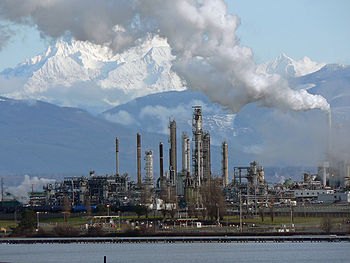
Raw Oil - or unprocessed "crude” oil was discovered over a million years ago and has become the indispensable ingredient of modern life. Crude Oil is not very useful in its raw form – or as it comes out of the ground. Therefore, it needs to be processed and separated into parts and refined before use. Crude oil is mostly a mixture of many chemical compounds of carbon and hydrogen – or multiple hydrocarbons. During processing these different hydrocarbons, (a major source of energy) are separated in the confinements of an oil refinery. Hydrocarbons are often burned for domestic and industrial heating. It is the main ingredient which fuels our SUVs and illuminates our cities. Crude Oil and its byproducts fertilize our food produce; pave our roads, and make plastic possible. Therefore, our dependency on oil is not necessarily for the oil itself but for its byproducts which, like some defunct social programs - causes generational dependency.
So exactly what are some of Crude Oil’s byproducts causing generational dependency?
As mentioned earlier, Crude Oil produces multiple Hydrocarbons which fuel most land vehicles, including ships and airplanes. It’s used widely in petrochemical processes to form materials such as plastics, and foams. Hydrocarbons have many other uses, and are a raw material of various byproducts essential to modern day survival which include but are not limited to the following:
Air conditioners, ammonia, anti-histamines, antiseptics, artificial limbs, artificial turf, asphalt, aspirin, awnings, balloons, bandages, boats, bottles, bras, bubble gum, butane, cameras, candles, car batteries, car bodies, carpet, cassette tapes, caulking, CDs, chewing gum, cold, combs/brushes, computers, contacts, cortisone, cosmetics, crayons, cream, denture adhesives, deodorant, detergents, dice, dishwashing liquid, dresses, dryers, electric blankets, electrician’s tape, fertilizers, fishing lures, fishing nets, fishing rods, floor wax, footballs, glues, glycerin, golf balls, guitar strings, hair, hair coloring, hair curlers, hearing aids, heart valves, heating oil, house paint, ice chests, ink, insect repellent, insulation, jet fuel, life jackets, linoleum, lip balm, lipstick, loudspeakers, medicines, mops, motor oil, motorcycle helmets, movie film, nail polish, nylons, oil filters, paddles, paint brushes, paints, parachutes, paraffin, pens, perfumes, petroleum jelly, plastic chairs, plastic cups, plastic forks, plastic wrap, plastics, plywood adhesives, purses, refrigerators, roller-skate wheels, roofing paper, rubber bands, rubber boots, rubber cement, rubbish bags, running shoes, saccharine, seals, shirts (non-cotton), shoe polish, shoes, shower curtains, solvents, solvents, spectacles, stereos, sweaters, table tennis balls, tape recorders, telephones, tennis rackets, thermos, tights, toilet seats, toners, toothpaste, transparencies, transparent tape, TV cabinets, typewriter/computer ribbons, tires, umbrellas, upholstery, vaporizers, vitamin capsules, volleyballs, water pipes, water skis, wax, wax paper, Drugs and creams (e.g. Vaseline), Ammonia, Anesthetics, Antihistamines, Artificial limbs, Artificial Turf, Antiseptics
The items above represent a partial list of some of the byproducts made from Oil. Nearly everything in our lives is made from oil, by machinery and systems dependent on oil, and transported by oil as either gas or diesel fuel. Industrialized Nations use of oil byproducts will forever make them dependent on oil whether the oil comes from rogue or friendly nations. As a result, wars such as the Iraqi war will remain pending possibilities until alternative fuel sources are discovered – and implemented to replace current crude oil byproducts. Unfortunately, reducing dependency on oil will reduce advances in technology, medicine, and science – and if alternative sources are located will it make a significant difference in our oil consumption?
When it comes to oil dependency we may have backed ourselves in a Catch 22 situation for generations to come!