Deadly Cocktails: The Dangers of Mixing Prescription Drugs

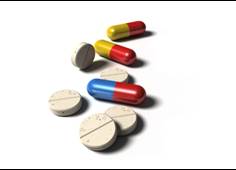
Oscar winner Heath Ledger's death has brought nationwide attention to the dangers of mixing prescriptions with other medicines.
You can now add the singer and performer Michael Jackson to the list of victims of improperly administered prescription medications.
Celebrity deaths: A comprehensive list of over 250 overdose/drug related deaths
Number of Poisoning Deaths* Involving Opioid Analgesics and Other Drugs or Substances --- United States, 1999--2007
Death can occur when patients mix any combination of prescription drugs, over-the-counter drugs, herbal supplements or alcohol.
Accidental deaths involving medications are most often not from the medications themselves, but an unapproved combination of medications and/or alcohol. Alcohol mixed with any medication can have negative side effects. However, the most dangerous medications mixed with alcohol include sleeping aids, anti-anxiety drugs, antihistamines, and anti-depressants.
To help avoid a lethal combination of medications patients should try to use the same pharmacy and consult their pharmacist about any changes to their medication regimen. Patients should also provide their doctors and pharmacist a full list of medications they are taking and have taken in the past. Such patients taking an active role in their healthcare will increase the likelihood of detecting any potentially dangerous drug interactions.
Los Angeles Times
A Federal Program was Designed to Help Solve these Problems for Medicare Recipients
Medication Therapy Management or MTM was coined by Congress in the Medicare Modernization Act of 2003 to describe services by pharmacists that help consumers get the best results from medications through:
- Enhanced consumer understanding of medications
- Increased consumer adherence to medication directions
- Prevention of drug complications, conflicts and interactions
A safe and effective medication taken improperly, or in a bad combination, can be harmful or even disastrous. MTM prevents these complications and improves health care quality while reducing avoidable medical expenses.
There is a network of Personal Pharmacists that is highly trained in MTM. Their trusted and reliable services can be the difference between improved health and serious medication-related complications.
Help for Seniors Enrolled in a Federal Medicare Prescription Program
As a practicing pharmacist, I know how critical it is for patients to manage their medication therapy appropriately. Several states reimburse participating pharmacists who conduct comprehensive medication therapy reviews on eligible patients' first visits, and on follow-up consultations.
The goal is to identify and educate participants at risk for adverse health events as a result of taking multiple medications. The services are provided in a semiprivate or private setting.
Depending on the individual needs of the patient, services may include:
1) Patient-specific services provided directly by a network pharmacist.
2) Identification of Medicare Prescription Drug Program participants who should receive Medication Therapy Management services.
3) Face-to-face interaction between the patient and the pharmacist, independent of medication dispensing.
4) Comprehensive Medication Review to identify, resolve and prevent medication-related problems. Pharmacist will:
a. Counsel patients regarding clinical appropriateness, dosing regimen, adverse effects and potential problems with concomitant medications (two or more medications that are given at or about the same time)
b. Monitor and evaluate patient response to therapy, including safety and effectiveness
c. Formulate a medication treatment plan
d. Provide verbal education and training designed to enhance patient understand and compliance with his/her medication regimen
e. Document the care delivered and communicate essential information to the patient's other primary care providers
In North Carolina you can visit: http://www.checkmedsnc.com/ to learn more.
Much of this information is taken from their web site.
This program makes it easier to get your pharmacist's help in going over your medicines to make sure they work well for you. A pharmacist will meet with you and look at all of your medicines. Then he/she will make sure you know:
- When and how to take your medicine
- If there are ways you can save money by making some changes
- If you need to change the drugs you are taking (due to side effects or if there are drugs that can't be taken at the same time)
Then the pharmacist will talk with your doctor about any changes that are needed in the drugs you take.
Are You Eligible?
If you are 65 years of age or older, live in North Carolina and take part in a Medicare Prescription Drug Plan, you can get this free service
This federal program is currently available in most states.
Bob Diamond R.Ph
The Charlotte Christian Patriot
.