How To Design A Small Garden

The Basics of Small Garden Design
Designing your garden should follow some basic guidelines for success. These guidelines include taking into consideration how we plan to use our garden.
Usage: Think about how people and vehicles move around on your property. There may be times when people need to drive vehicles onto your property. You would not want your garden to be in the way of vehicle traffic.
Pets and children have their special space needs to in your yard. Think about where they usually are when they are outside and locate the garden away from high activity areas.
Look at different area when picking the garden location and think particularly about breezy conditions and sunlight.
Do you have any porches or decks that would be improved by having a good view of the garden?
Think about who will be viewing or using the garden and what their needs would be regarding the best vantage point for viewing, or assessing the garden.
Are you designing a functional garden? What landscape feature do you have that may have to be included in your design? Is your driveway near the garden location? What about drainage? Drainage is often overlooked, but oh so vital to the success of your garden. Will you have to screen out undesirable views or to allocate for weather conditions? These things all need to be taken into consideration when designing your garden.
A screen can keep out salty breezes, dust or other environmental undesirables.
You also need to think about what sports are played in or around the garden area. Basketballs are not garden friendly.
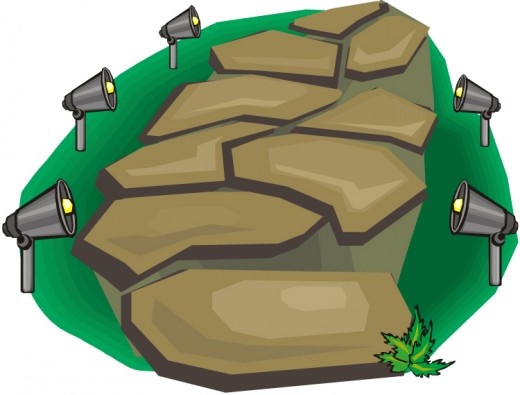
Lastly, remember to consider how you and your guests will be moving around in your garden and also how you will be maintaining it. Think about what it will be like when it comes time to mow the grass surrounding your garden. Beds should be designed so that it is easy to mow around them. Stepping-stones provide ease of maneuverability. Hose guides are very useful and will keep the hose away from fragile plant stems.
The design of your garden should be pleasing to the eye, functional, and allow for other family activities as well as for ease of maintenance.
Now that you have all the routine basic garden designs planned out, it is time to think about scale - how big should the garden be? How does the size of your garden relate to the surrounding buildings? You will also want to consider themes. Are you going to plan your garden around a theme such as particular plants, wildlife needs, certain colors?
Other considerations when planning a garden are: existing features such as paths, trees & shrubs, walls etc. and also environmental factors like sunlight, breezes, moisture, shade, soil composition. Don't forget that another major consideration especially when deciding size and content of your garden is: how much time do you have to devote to maintaining the garden? What are your capabilities or are you hiring a professional?
Small Garden Design Ideas
The Benefits of Designing Your Garden
You want to grow some plants or flowers. Why not just throw together what ever you find and call it a garden? You could very well do just that and be happy with the results of your throw together garden. Most gardeners take the time to design their gardens because designing a garden allows for blending the garden in with the present landscape, or allowing the house, or other building to blend in with the theme or appearance of the garden. A well-designed garden can add value to the property. You can also use the garden to seclude certain areas of your land or buffer the property perimeter. You can use the garden to add color or to contrast a visual object on the property.
You can design you garden around a work area, storage space, patio, barbecue pit or a play area for the kids. You garden can be used as a place of rest or a place to come to when you want to enjoy the company of wildlife, birds or butterflies.
The designing stage allows you to plan what plants, and flowers to purchase, gives you a chance to think about the purpose of the garden and how members of the family will use it.
Include such things as fountains, fences, mulch, rocks and other ornamental objects in your design of your garden.
When designing your garden think about how others will use the garden. Is your garden the center of the yard and will be used for entertaining guests? Is your garden a wildlife sanctuary or butterfly habitat? How you plan on using the garden will determine the selection of foliage, flowers and objects to be placed in the garden. The purpose of the garden will help to determine the size of the garden. Taking the time to design your garden allows you to really think about all the ways you can use the garden. While you are planning, you will be gathering fuel for your imagination and your garden will take shape in your mind first, then on paper and finally in the soil.
One benefit of designing the garden in advance is that you can make decisions based on location of the other structures on your property such as the relationship of the garden to your house. When designing the garden colors think about how far the garden is from the house. You want to place cooler colors such as blues and purples in gardens that are close to the house and colors such as yellows, oranges and reds in gardens that are far away from the house. If you were not taking the time to design your garden you might plant purple flowers in a garden that is far from the house and the color will not been seen well from the house.
The design will give you a chance to visualize the garden so that you can make good decisions about where to place it, what to grow in it, how to use it and how big to make it. Designing your garden gives you a chance to make better choices when it comes to your time, resources and money.
Small Vegetable Garden Design Ideas
The Elements of Good Garden Design
Most gardeners will agree that the key elements to good garden design are: color, texture and form. The overall design should complement the landscape, and reflect the personality of the gardener. Keep the landscape in mind and add your own personal touch to the design and you should have a winning combination. A garden design should reflect the use for the garden as well as the members of the family (kids and pets are necessary considerations).
Color is perhaps the element that gardeners spend the most time on when designing their garden. When choosing the colors for your garden you must take in to account the distance from the house your garden will be because putting blues and purples in a garden that is far from the house will mean that you won't be able to see them very well from the house. The best place for blues and purples are close to the house. If your garden is far from the house but within sight of the house then you should include yellow, orange and red in your garden design.
Texture is like the artist's brush and can give your garden a unique personality. Your choices are in leaf size and shape as well as height. It allows for an almost 3 dimensional look to your garden.
The form of your garden is in part decided by your landscape and hardscape (non-growing structures). You may have a stone path, a trellis or wall to include in your design. Think about the buildings that surround your garden and how they will look as backdrops to it. How can you make use of the existing architecture of your garden?
The garden should not stand out from the surroundings, but rather it should blend in to what surrounds the garden and complement the environment the garden is in.
The design of your garden should express your personality and your desire. If you love vegetables, then plant the ones you enjoy eating; if you love watching butterflies than design a butterfly habitat in your backyard. There are many different varieties of garden designs including: herb gardens, rose gardens, Zen gardens, rock gardens and hummingbird gardens just to name a few.
You can design a front yard garden that will welcome visitors to your home, and then have a vegetable garden in the backyard to provide fresh vegetables for the guests to eat. A flowerbed along the fence can be seen from the house and provide a beautiful view. Place garden furniture, arches, pathways or stepping stones that lead to a birdbath in your garden design to give pleasure and places to relax with family and friends.
Related
How to Start a Small Garden on a Tight Budget
Companion Planting: Tomatoes, Marigolds, and Basil
Garden Design: Hiding a Wall and Ugly Floor on a Shoestring
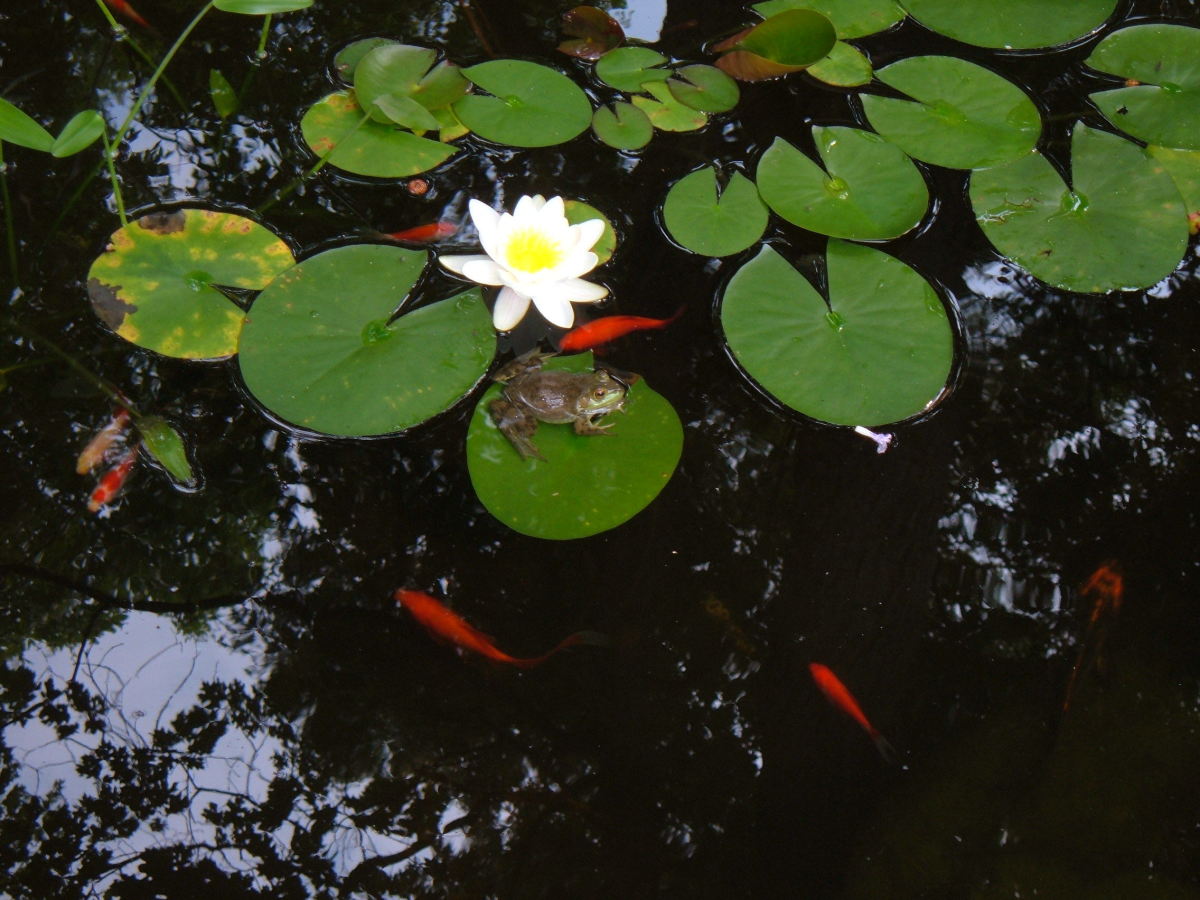
Building a Backyard Koi Pond: How We Built Our Little Water Garden Around Rocks and Under Trees

Find the Best Ornamental Grasses to bring Drama to your Garden Design