Eat Better and Live Longer With Traditional Food Cultures

62
French Women Don't Get Fat. Japanese Women Don't Get Old or Fat. Chinese Don't Count Calories. Traditional food cultures are hot right now, and for very good reason. People from cultures with very strong food traditions eat tastier foods than Americans and, frequently, more food than Americans, yet they are thinner, healthier, and live longer.
How can this be?
The answer lies in both the foods consumed in traditional food cultures, and the attitude of traditional food cultures towards food.
Traditional Foods Bestsellers
|
Japanese Women Don't Get Old or Fat: Secrets of My Mother's Tokyo Kitchen
Price: $7.38
List Price: $15.00 |
|
|
French Women Don't Get Fat
Price: $5.99
List Price: $12.95 |
|
Why the Chinese Don't Count Calories: 15 Secrets from a 3,000-Year-Old Food Culture
Price: $5.97
List Price: $12.95 |
The Mediterranean Diet
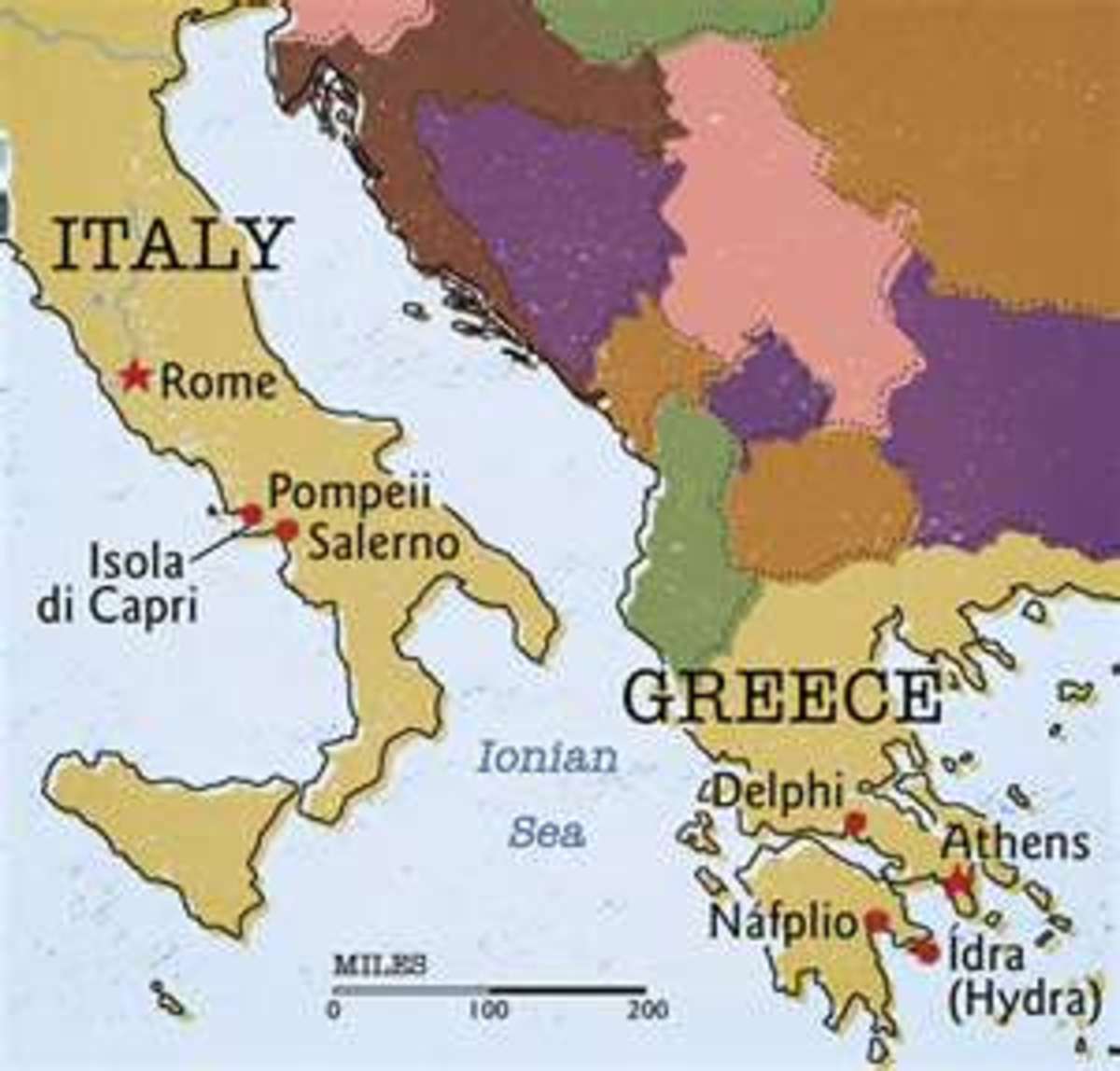
One of the most popular traditional food cultures is that of the Mediterranean regions of Southern Europe and the Near East. The traditional Mediterranean diet has been recognized since the 1960's as one of the healthiest in the world.
|
|
The Mediterranean Prescription: Meal Plans and Recipes to Help You Stay Slim and Healthy for the Rest of Your Life
Price: $14.48
List Price: $25.95 |
|
|
The Omega Diet: The Lifesaving Nutritional Program Based on the Diet of the Island of Crete
Price: $3.81
List Price: $14.99 |
|
Mediterranean Harvest: Vegetarian Recipes from the World's Healthiest Cuisine
Price: $18.99
List Price: $39.95 |
How to Reap the Benefits of Traditional Food Cultures
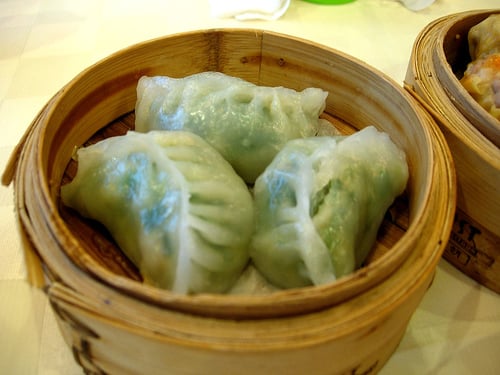
In order to take advantage of the benefits of traditional food cultures, you first need to decide on a food culture. Although the best known food cultures are Mediterranean (including French) and Asian, almost any traditional food culture will do.
You can also create a fusion of different food cultures. Although the dishes may vary wildly, most strong food cultures have a number of characteristics in common.
- Traditional diets emphasize local foods, eaten in season at the peak of freshness, or preserved in ways that preserve or enhance nutritional value, rather than reducing it.
- Traditional diets treat red meat as a condiment or special treat, rather than the main event.
- Traditional diets consume animal products primarily from organically fed, pasture-raised animals.
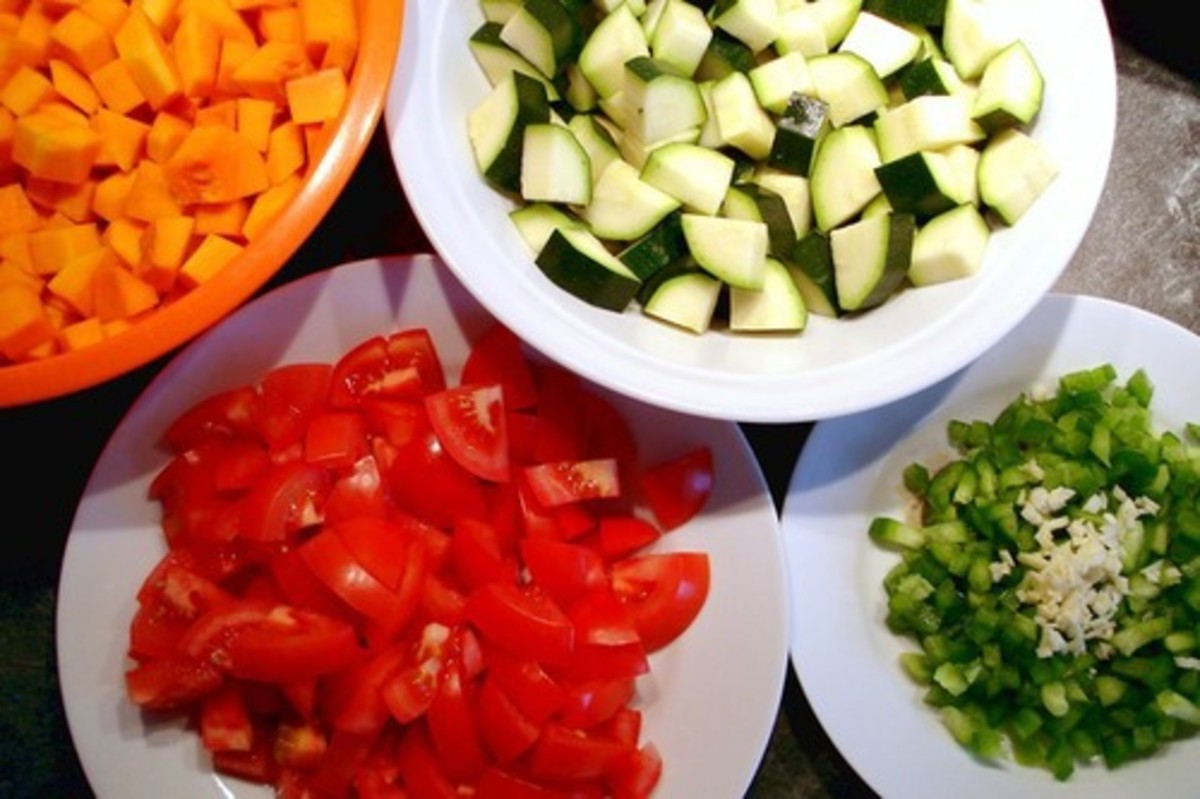
- Traditional diets emphasize nutrient-rich whole foods, including whole grains, fresh vegetables and fruits, and whole dairy products.
- Traditional diets consume many fermented products, such as yogurt and soy sauce.
The healthfulness of traditional diets is further increased by traditional lifestyles.
- Traditional lifestyles emphasize portion control by the simple method of eating until you're full, and then stopping.
- Traditional lifestyles emphasize meals as social affairs.
- Traditional lifestyles treat food as a pleasure, not a source of guilt and stress.
- Traditional lifestyles are active, with lots of walking, bicycling, or other physical activity.
Rediscovering American Food Traditions
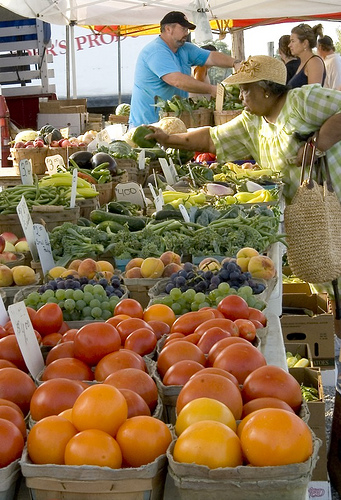
Although America's food traditions have been overshadowed in recent decades by the explosion of fast food, convenience food, and other quick fixes that devalue the principles of traditional diets, America once had a number of thriving regional food cultures.
Like Old-World food cultures, American food cultures valued local foods eaten in season at the peak of freshness, or preserved in ways that enhanced their natural value.
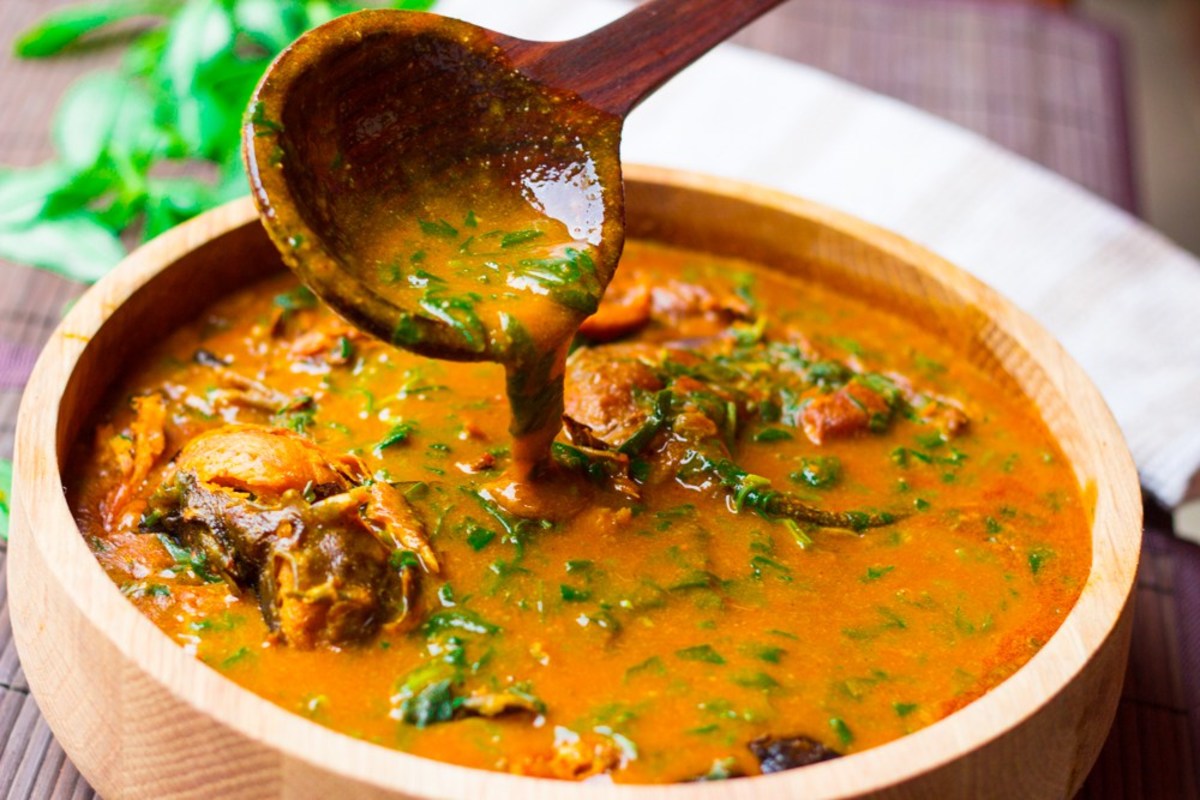
One of America's most famous food traditions is "Soul Food," which is descended from the cuisine of Southern slaves. Soul Food is a fusion of African, Creole, Spanish, American Indian, and European cuisines. In its modern form, many traditional Soul Food dishes are notoriously unhealthy. However, during the slavery era and its aftermath, Soul Food cookery was a model of drawing nourishment from unlikely sources, with little or no waste. Traditional Soul Food relied heavily on nutrient-dense, wild-gathered greens and game animals. Slaves and sharecroppers also became masters of drawing nutrition from the "leavings" of their white masters and neighbors. Water used to boil vegetables for the master's family was incorporated into soups, as were offal and other low-quality, yet nutritious meat by-products. Soul Food has its roots in deprivation and oppression, but it is also testament to the human ability to rise above circumstance to produce something unique and extraordinary.
Other uniquely American food traditions include Creole, Cajun, Tex-Mex, and Pennsylvania Dutch, all of which fuse Old World tastes and techniques with New World ingredients.
The traditional diets of most North American Indian tribes were also extraordinarily healthy, due to their reliance on nutritious preparations of wild game, wild plants, and native American crops such as corn and squash. The diet of the Plains tribes was considered especially healthy.
Food Culture Resources
- Slow Food International | good, clean and fair food
Slow Food is a non-profit, eco-gastronomic member-supported organization that was founded in 1989 to counteract fast food and fast life, the disappearance of local food traditions and people's dwindling interest in the food they eat. - Renewing America's Food Traditions
RAFT is an alliance of food, farming, environmental and culinary advocates who have joined together to identify, restore and celebrate America’s biologically and culturally diverse food traditions. - Weston A. Price Foundation
The Foundation is dedicated to restoring nutrient-dense foods to the human diet through education, research and activism.
PrintShare it! — Rate it: up down flag this hub
Comments
What do you mean Japanese women don't get old? Do they all just go to Mount Narayama before that? :O
Mmm... I'm really hungry now! Great hub about a very important topic. I think the three things that contribute most to obesity in America are high fructose corn syrup, sugar, and the overabundance of nutritionally-void, overly-processed and chemically preserved food-like items served up in the fast food industry and lining the shelves of our neighborhood grocery stores. I'm glad you touched on the emotional aspect of our relationship with food also. I used to be a strict vegan, ate a cup of oatmeal for breakfast and a pb & j sandwich on sprouted grain bread with some almonds for lunch. Then I'd eat soy-based "meat" products for dinner along with way too many vegan chocolate chip cookies from Trader Joe's. Needless to say, my weight ballooned up during my two years as a vegan--then I read a book, called "The Only Diet There Is" which is about a diet from negative thinking about food--eating whatever you want, and loving whatever you're eating. The excess pounds I had packed on during my misguided adventures in veganhood literally slid off after reading that book. When you change your relationship with food, it becomes a lot more difficult to mindlessly stuff your face with chemicals and byproducts instead of taking the time to prepare wholesome, nourishing, and truly delicious meals.
Loving what you eat does help a lot - adding cultured food products to your food like yogurt, kefir, etc help even more!
Misha....you are soooooo funny!!! :)
qlcoach, I think simply not stressing out so much about food will help us reduce our emotional eating! But you're absolutely right.
misha, hee! Just quoting titles...
Shalini, I eat more yogurt than Michael Westen! My husband is very fond of kefir, and I am trying to develop a taste for that too. The aftertaste bothers me a little, not sure why.
Melissa G, I hear similar stories from ex-vegetarians and vegans all the time. It's kind of sad, because there is a lot to be said for both diets, though I've decided neither is for me. I'm a firm beliefer in quality over quantity with meat, though, and usually eat red meat and chicken once or twice a week, fish and seafood a bit more. High-quality foods (especially meat and dairy, but grains,vegetables, etc. too) are so much more satisfying than cheap, heavily processed ones, I end up eating a lot less, yet feeling more satisfied. And my taste buds certainly appreciate it!
I agree with you, kerryg--I wish I could be a vegetarian because of how much animal cruelty there is in the food industry, but I do much better with small amounts of meat, fish, and poultry in my diet. Michael Pollan has a list of great resources for local, sustainable food sources on his website at http://www.michaelpollan.com/link.htm There is a site called "Eat Wild" in particular that you can use to find local sources of grass-fed, ethically raised beef, in an age when most cattle spend their lives in tiny, indoor pens, and are raised on a diet of cornmeal and antibiotics before being mindlessly shot in the head at the end of their short and uneventful lives.
I'll look into adding more cultured foods to my diet, thanks for the tip!
I make an effort to eat as much grassfed meat, eggs, and dairy as possible. Gotta put my money where my mouth is! And they really do taste better, too. I am especially fond of bison, and am currently browsing local farmer's markets trying to find a lamb producer I like. My parents get some of their egss from a family friend who keeps her hens on pasture with some milking goats. Brightest yolks you ever did see. They're divine!
Quite honestly, I'm not too fond of kefir either - it is an acquired taste I guess! My husband's company deals in dairy ingredients so we do eat a lot more yogurt than most too :)
Yes, grassfed is so much better. I try and avoid chicken in Inidia as it's almost totally commercialised. Beef and lamb are not and being grassfed, they tend to be leaner and for me, much healthier. And Melissa, I also like the fact that they're free to roam till their time comes!
Actually Japanese totally do get fat once they switch to a fast food diet. I won't call that an American diet, because I view fast food as a global evil that just happened to take root in America first. Check out my local megadinner slide show, http://food.dorkage.net/2008/09/mega-local-dinner/ Last night I had friends and neighbors for a meal that was as much local as we could. There was one dish containing local pasture fed beef, the rest were based on whole local products.
|
Coming Home to Eat: The Pleasures and Politics of Local Foods
Price: $7.00
List Price: $15.95 |
|
Everything I Want To Do Is Illegal: War Stories From the Local Food Front
Price: $13.46
List Price: $23.95 |
|
Plenty: One Man, One Woman, and a Raucous Year of Eating Locally
Price: $5.00
List Price: $24.00 |
|
|
Pasture Perfect: The Far-Reaching Benefits of Choosing Meat, Eggs, and Dairy Products from Grass-Fed Animals
Price: $10.95
List Price: $14.95 |
|
Nourishing Traditions: The Cookbook that Challenges Politically Correct Nutrition and the Diet Dictocrats
Price: $15.78
List Price: $27.00 |
|
|
The 100-Mile Diet: A Year of Local Eating
Price: $19.94
|
|
In Defense of Food: An Eater's Manifesto
Price: $8.00
List Price: $21.95 |
|
|
The Omnivore's Dilemma: A Natural History of Four Meals
Price: $7.92
List Price: $16.00 |
|
Slow Food Nation: Why Our Food Should Be Good, Clean, And Fair
Price: $12.90
List Price: $22.50 |
|
|
Animal, Vegetable, Miracle: A Year of Food Life
Price: $14.50
List Price: $26.95 |
|
Real Food: What to Eat and Why
Price: $8.96
List Price: $15.99 |
|
Harvest for Hope: A Guide to Mindful Eating
Price: $12.67
List Price: $14.99 |


qlcoach says:
15 months ago
Wonderful information on this Hub about eating healthier! But it seems Americans overeat for emotional reasons. So we also need to search for better ways to maintain that healthy balance between mind, body, and spirit. Feel free to see how I try to help others in new ways. Sincerely: Gary Eby, author and therapist.