How to Get Rid of Fleas

Keep Fleas From Annoying Your Pet
My pet has fleas! Now what?
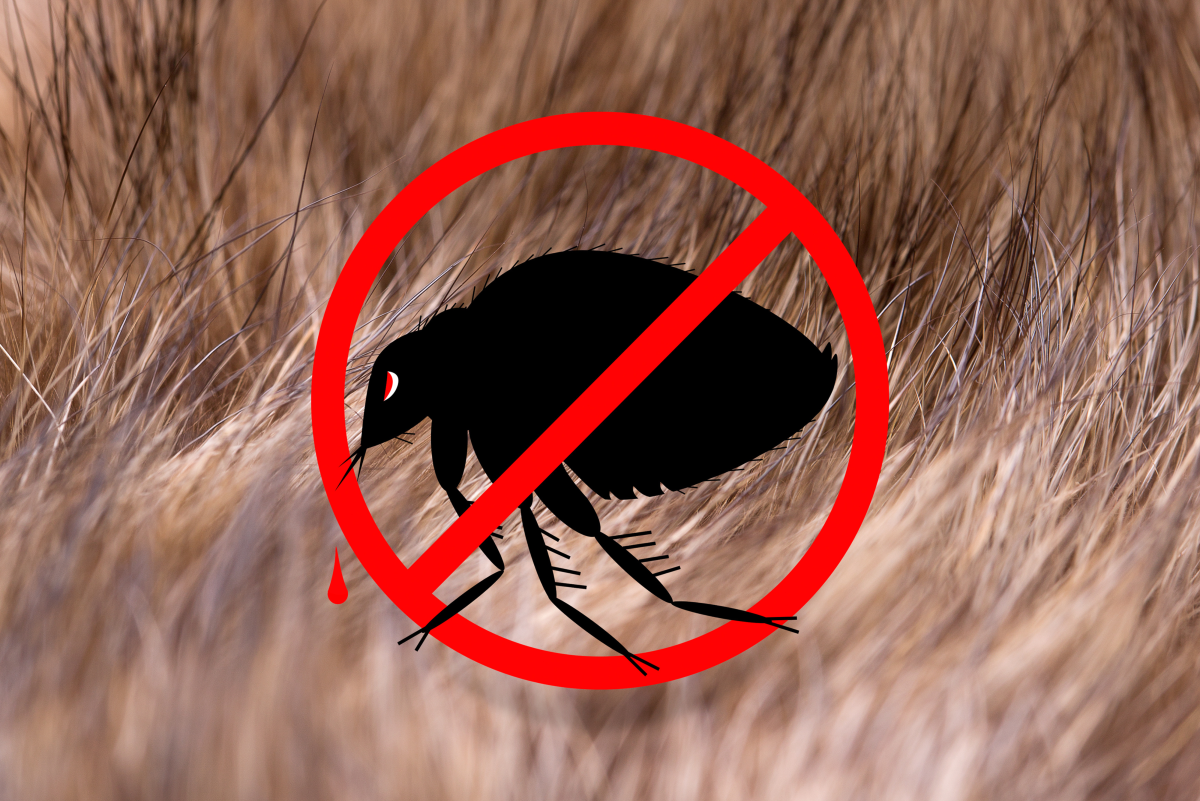
When your pet has fleas, chances are your entire house will soon be flea-infested. It's no fun, particularly when weighing the need to eradicate the fleas with keeping a healthy house. Flea control methods are, in general, toxic methods, at very least to the flea. Fortunately, there are things you can do to eliminate them, and still maintain a healthy household environment.
Household flea eradication is a three element process:
1. Treatment of the home, particularly the pet's bedding area;
2. Treatment of the home's exterior, including yard and garden, garage and car;
3. Treatment of the pet.
Treatment of the Home
Everything washable should be washed, particularly the pet's bedding. If your pet sleeps with you, that means everything on the bed needs to be washed. Vacuum the mattress. Pay particular attention to cracks and crevices where flea eggs might hide. Other things that need to be washed or cleaned:
- Throw rugs
- Curtains
- Shoes
- Clothes
Clothes, such as jeans and jackets that may not normally be washed every day, should be washed as part of the flea eradication program. Eggs could be hiding in cuffs or pockets. Shoes can generally be thoroughly vacuumed.
Carpets should be professionally steam-cleaned. Steam cleaning will kill adult fleas and most, if not all, of the eggs. Should any eggs be left behind, vacuuming daily over the next week or two should pick up any remaining adult fleas.
Prior to steam-cleaning, vacuum the carpet completely, paying attention to edges, baseboards and furniture. Remove the pet from the home before you steam-clean and treat the pet before bringing him back into the home.
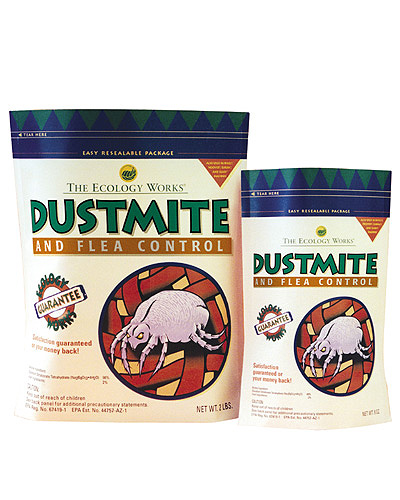
If you have been battling fleas for some time, and want a more aggressive cleaning approach, you could try Dustmite and Flea Control by The Ecology Works. This is a Boron-based product that is water-soluble, and that can be added to the cleaning solution used for carpet steam-cleaning. It can also be sprayed onto upholstered surfaces.
Clean Those Throw Rugs
Is It Toxic?
For more information on the relative toxicity of the pesticides and insecticides mentioned here, see the following resources:
- Agency for Toxic Substances and Disease Registry (article on Boron): http://www.atsdr.cdc.gov/substances/boron/index.html
- Wikipedia: http://en.wikipedia.org/wiki/Boron
- Center for Disease Control: http://www.cdc.gov/niosh/npg/npgd0058.html
- National Pesticide Telecommunications Network (article on imidacloprid): http://npic.orst.edu/factsheets/imidacloprid.pdf
- Study on safety of fluralaner chewables: http://www.ncbi.nlm.nih.gov/pmc/articles/PMC3975339/
Exterior Treatment
If your pet spends time outdoors, it is important to treat your home's exterior - your yard, garage, and car. You won't be able to protect your pet completely, but you will be able to reduce flea populations to give some relief to your pet.
Possibly less toxic alternatives for yard and garden flea control includes:
- The use of pyrethrums, a pesticide derived from chrysanthemum
- The use of beneficial nematodes. Nematodes can be applied by spraying them onto the lawn and shrub areas. They are naturally occurring and not toxic to humans or animals.
- The use of Insect Growth Regulator. This is a product that is similar to an insect growth hormone. It works by interrupting the flea growth cycle. It is not currently available for purchase in some states, including California.
Two treatment areas that are often overlooked include the garage and car. If your pet has spent time in the garage, passes through it, or if you have had recurrent flea infestations, it is possible that flea eggs may have been carried from the pet into the garage or your car. Vacuum the car completely, paying particular attention to crevices between seat cushions.
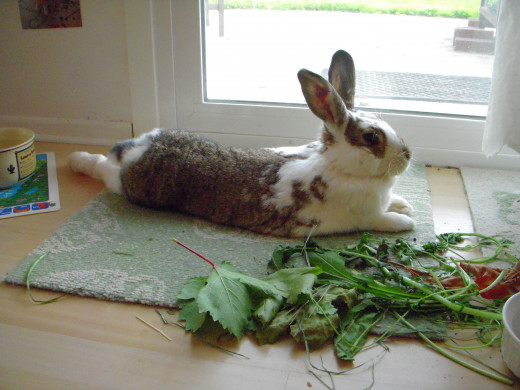
Bunnies Can Get Fleas Too!
Pet Treatment
Before bringing your pet back into your (freshly steam-cleaned, laundered and vacuumed) home, it is important that the pet be flea-free. A vet will "flea-dip" a pet, but can't guarantee that a flea won't immediately jump onto the pet after the pet is dipped, setting off the flea-cycle again.
Some pet owners rely on a prescription medication called Advantage, which uses an insecticide called imidacloprid to immobilize and kill fleas. Advantage is generally applied monthly. While Advantage is made for dogs and cats, some veterinarians also prescribe Advantage for rabbits, making it a possible option for rabbit owners.
Another potential option is a prescription in chewable form, Bravecto®, that keeps your dog flea-free for up to 12 weeks. The medication also works to kill ticks, which may be an important consideration. Check with your own veterinarian for options that work best for you and your pet.
Final Thoughts
The key to success is to hit the problem hard and fast, and to take care of all treatment areas (home, exterior, and pet) at the same time. Keep in mind the flea life cycle - if you are not diligent, you may need to re-treat in two weeks if you find that new eggs have hatched and your pet is unhappy again.
Fleas cause great misery to pets and their people, but with diligent oversight and careful decisions, it is possible to eradicate fleas in a relatively healthy way for both pets and pet owners. Before taking any action, do basic research on the chemicals you plan to use, and ask your veterinarian for advice.