Exotic Pets and the Exotic Pet Trade

I am the owner of exotic pets, and I plan on obtaining more. Why? Because there is something inherently special about being able to touch the wild while contributing to animal conservation. Captive breeding of exotic species does great work in continuing species that might not be able to be maintained in the wild, and exotic animal ownership has proven to improve private captive breeding programs.
There are laws that regulate and govern the captive breeding and sale of exotic animals as pets, however, and there are more laws being proposed all the time which will further regulate the breeding and trade of these animals. Large snakes become difficult to handle as they grow and are often discarded, disrupting native wildlife. Exotic mammals, released into the wild, can wreak havoc on the environment. Non-native birds cannot survive and adapt in local climates. And this says nothing of the larger exotic mammal species and the dangers of ownership.
If, like me, you're interested in exotic animal ownership, please read on.
Reptiles as Pets
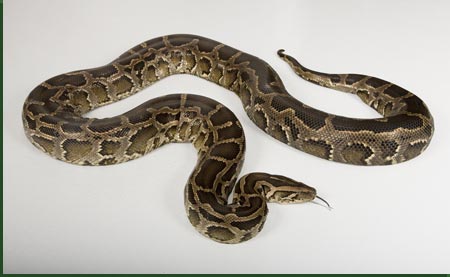
Reptiles are one kind of exotic pet that is extraordinarily common. Most commercial pet stores carry several species of reptile, and some of them even carry animals such as the Burmese Python pictured to the right and even Caimans (a form of crocodilian). On occasion even baby alligators can be found at exotic pet shows!
Around the United States reptiles and invertibrates are popular exotic pets, and many of the animals seen sold en masse at shows are wild caught or captive born. This means that not only is the purchaser bringing home an animal that is (and always will be) wild, but one which was brought in from the outside environment and which also may be diseased or have health issues that cannot be controlled as is possible with controlled captive breeding of these animals.
However, regardless of whether or not these animals are wild caught, captive born or captive bred, reptiles remain wild animals. These animals cannot be "tamed" and will very likely at some point bite. Some species are able to cause more damage than others. Large reptiles are potentially incredibly dangerous, but hobbyists continue to collect these animals.
There is currently no licensing legislation in most states regarding the keeping of large reptiles. There have been proposals due to the frequency of abuse cases and the fact that in many cases these non-indigenous animals are released into the local environment and are very destructive to the habitat.
Potential keepers should be very aware of the decisions they are making with regard to their choice of pet. Please see my reptile hubs listed below for more information.
Hubs about Reptiles
- Venomous Snakes of North America: The Vipers
You won't find a lot of people choosing to own venomous snakes, but some collectors choose to collect the more dangerous venomous snakes. This hub describes the North American Vipers with pictures included. Not pet related! - Thinking about a Reptile Pet? Some Things to Consider!
This hub talks in some detail about the things that one should consider before deciding to purchase a reptile pet. This article is very relevant to the hub that you are currently reading and I feel that anyone thinking about exotic pets should read! - How to Choose Your First Pet Snake
This hub relates directly to choosing which reptile pet is best for you. If you are considering purchasing a snake, this article should help you out in a big way! Keep in mind that the contents of this article are based on my own experience!
Wolves as Pets
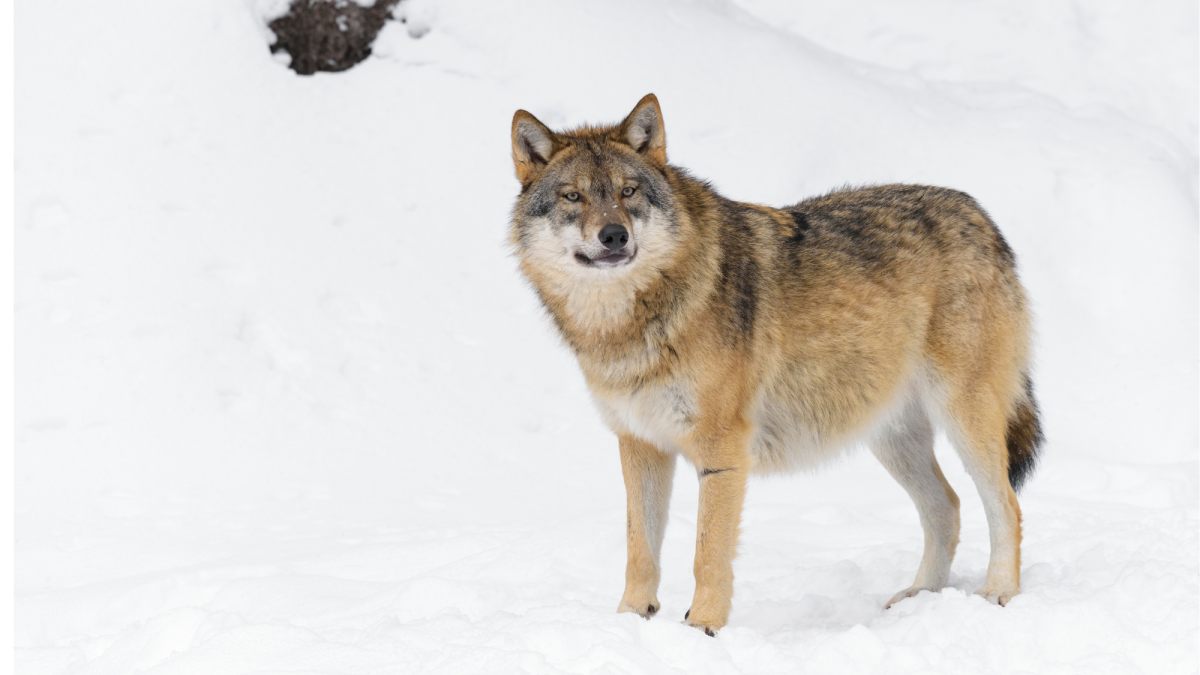
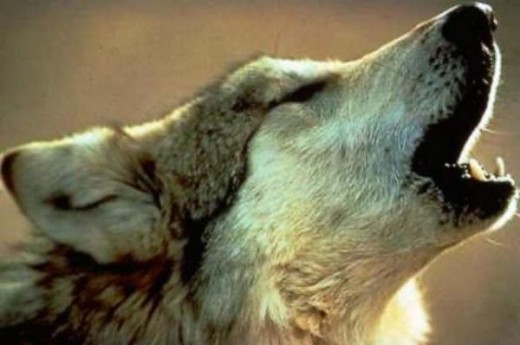
Wolves are becoming more and more common as pets, whether hybrid or pure wolf cubs being sold or given away as pets. They make fascinating, if often difficult to train, animals even in captivity and may be the forerunner of our domestic dogs (research appears to be indicating otherwise, however!).
There is no question that wolves are wild animals. A wolf is not going to "evolve" into a dog simply because it is the first generation that has been bred and born in captivity. While these animals can be tamed to a certain degree, they do remain wild animals and keepers must guard themselves in their ownership.
To the best of my knowledge at the time of writing, there is little legislation controlling the keeping of wolves as pets. If you choose to keep a wolf as a pet, please make yourself as aware as possible of the behavior of wolves in captivity and ensure that you have a good support network of other keepers and breeders!
This behavior is normal in "pet" wolves!
Wolf and Wolfdog Resources
- Wolf Trust - Pet Wolves
A very frank and honest assessment of ownership of wolves. The article does state that a license is required but this has not been my personal experience here in the United States (except for standard licensing laws).
Cat Person? Wild Cats in Captivity
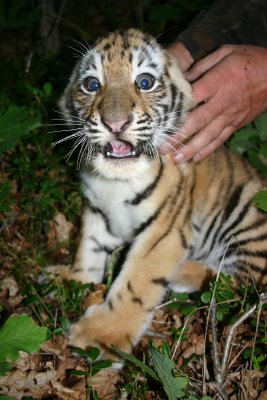
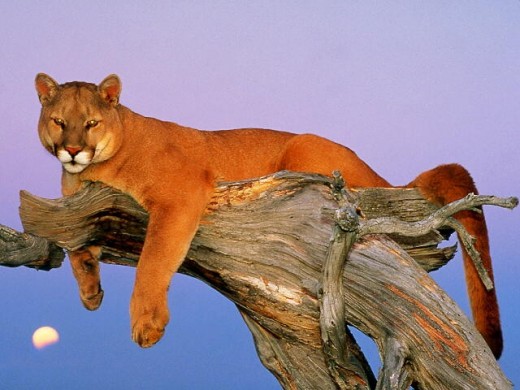
Many "cat people" are fascinated by the big cats, and even some of their smaller cousins like ocelots (featured in the video to the right) and cougars. These are beautiful animals who often closely resemble their captive relatives. History tells us that cheetahs were once domesticated as hunting animals and you may know the history of how the cat was brought into our human lives in Ancient Egypt.
But what about modern times. Do people own big cats as pets today?
YES!
While big cat ownership is certainly not recommended (for anyone), it is happening, even here in the United States. There is a trade in big cats and there are big cat rescue organizations.
It is noteworthy that there are very many irresponsible owners of exotic animals (including big cats), but that there are also many wonderful, loving and responsible people who often pick up the slack for those who have made poor choices for their animals and for themselves.These individuals own the big cat rescues and are responsible for caring for many different species of animals. They are worth a look and possibly a donation if you have the time and the resources to do so.
I have had the pleasure of talking once or twice with big cat rescuers or owners, and those I have known are wonderful and I greatly appreciate them! The resources below will point you in the right direction to check their websites and get to know more about them and their work.
- The Cat Site
The Cat site is a great site for cat owners and has at least two members (to my knowledge) who keep exotic cats. If you are a cat lover, this is a great site full of wonderful people who are eager and willing to help you with any cat-related needs! - Rexano, Responsible Exotic Animal Ownership
This was the first site I ever visited dealing with the subject of owning exotic cats. It is very much worth a look and a read. This site is very encouraging to those who are interested in responsible ownership of exotic cats! Video credit to REXANO. - Big Cat Rescue
A very frank, real and open discussion of big cats as pets, the risks and rewards, and the pitfalls of owning big cats as pets. This is a very realistic and truly informative site with some beautiful pictures of gorgeous animals!

Things to Consider
Some points to consider regarding owning a wild animal as a pet:
- Wild animals are, by their nature, wild. However much you may want them to be, they cannot be tamed. You will always be dealing with a loose cannon and must be willing to take the risks associated with owning a large and potentially aggressive animal. Most species of wild animals are dangerous.
- Wild animals usually require a large amount of space to keep. Wolves and big cats, for example, will need a large outdoor area where they can "be themselves:" the animals they were born to be.
- Wild animals are often very expensive to keep. The exception may be some of the smaller reptiles. However, please learn about your potential pet's diet before making a purchase. As an example, we are considering another burmese python (we rehomed our original two when we moved into non-permanent housing two years ago). These animals at their full size can eat animals as large as a goat.
- Wild animals often require a specialized diet. Big cats, for example, are obligate carnivores and should only have meat in their diet, preferably raw. Wolves are omnivores which require fruits and vegetables as well as meat in their diets.
- Your pet won't be happy in a cage. Consider the welfare of the animal. Does it deserve to be kept in a cage throughout its entire life?
The Born Free Trailer
What about that Lion? There was that Movie Once...
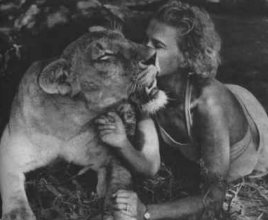
You might be thinking right now of the story of Elsa, the lioness portrayed in the book and subsequent movie Born Free. The woman's name was Joy Adamson, and yes, she rescued and raised a lion cub.
The lioness's name was Elsa, and ultimately the Adamsons (who lived in Africa) released her into the wild. The movie and the book touched my heart deeply when I was a child and also captured my imagination. What would it be like to have a lion as a pet?
The Adamsons knew what was true and what was important: Elsa was a lion, and she needed to be a part of a pride of lions. She needed to be living free and wild, where she belonged. However much they loved her and however much she was an addition to their family, in the end they had to let her go.
Joy Adamson did the difficult thing: She let go of something she loved because she loved it. If you truly love the animals you would like to keep as a pet, it might be best that you not keep them as a pet. There is some justification in animals that are born in captivity and which cannot be released into the wild (such as Burmese Pythons). However, to take a wild-caught animal into your home does both you and the animal a disservice.
I highly recommend watching Born Free if you have not yet seen it. Even better, the book is written by Joy Adamson herself and is a first hand account of what it was to live with Elsa.
Reader Poll About Exotic Pets
Would you consider an exotic pet?
Links About Joy Adamson
- The Father of Lions
George Adamson's site (the husband of Joy Adamson). Quite a comprehensive site that addresses the story from George's point of view. The book "Born Free" was largely written from George's notes and he is worth a second look as well! - Joy Adamson Biography
This is a brief biography about Joy Adamson, from her childhood to her murder in 1980. She lived a fascinating, if surprisingly mysterious, life which might be worth some further examination for those who are interested in conservation.