FUNCTIONS OF PROTEINS IN THE BODY

FUNCTIONS OF PROTEIN IN THE BODY
Protein is the fundamental life force. Proteins are necessary in initiating every biochemical process in the body as well as in providing us an invaluable source of energy. In the absence of protein, the body would simply shut down.
PROTEIN AS ENZYMES
Proteins are responsible for almost every chemical reaction that takes place in the body. These reactions are facilitated by enzymes, which are actually protein catalysts that increase the rate of reaction without themselves being changed in the process.
The amount of enzymes present in the body determines the rate at which a chemical event can occur. Thus if there is deficiency in enzymes, there will be a slower reaction.
Several thousand enzymes have been discovered to date and virtually every one is a protein.
TRANSPORTATION AND STORAGE
Proteins have a unique ability to transport substances across cell membranes that other molecules can't penetrate. Hemoglobin is a type of protein that is responsible for carrying oxygen in red blood cell. Myoglobin is responsible for carrying oxygen. Ferritin is a protein that assist in the storage of iron and stores blood in the liver. Without protein for transportation and storage, we would not have blood to nourish our bodies.
CELL AND TISSUE GROWTH
Continuous supply of amino acids needed by the body in order to build the proteins that create tissue. Throughout our everyday lives, we constantly manufacture new tissues such as hair, teeth, skin and nails. The blood cells and skin cells last about a month while the cells situated in our digestive system lining last only two weeks. When the cells die and slough off, our bodies need new healthy tissue to replace them. It is only through the regeneration of new tissue that we can become healthy again.
MECHANICAL SUPPORT
Collagen, the most abundant protein found in the human body is a type of structural protein that is fibrous in nature. Collagen is responsible for giving strength and support to tissues such as skin and bone that undergo continual wear and tear.
Athletes that work out two or more hours a day rely on the body' s ability to manufacture new collagen, which keeps their joints healthy and strong and prevents injury.
COORDINATION AND MOTION
Do you know that without protein we could not create life ?
Proteins are a major component in muscle contraction. Muscle contraction occurs when two fibrous protein filament glide across each other. On a smaller scale, sperms are propelled in motion by their flagella, which are made up of contractile units made of protein. Thus protein is mainly behind the movement of sperm.
IMMUNE PROTECTION
Antibodies are highly specific proteins that are responsible for detecting a foreign substance or known as "antigen". The body produces a specific antibody to respond to an antigen and inactivate it.
NERVE GENERATION AND IMPULSES
The nervous system is responsible for keeping the body in balance. When a certain stimulus triggers the nervous system, it responds with an appropriate reaction. This cannot occur without a receptor site awaiting the stimulus. These receptor sites are made of protein complexes and are responsible for transmitting nerve messages from cell to cell.
FLUID BALANCE
Prrotein have the unique ability to regulate the amount of fluid within a cell. The amount of protein within a cell will determine the cell's water content, as water is attracted to protein. When protein levels are low, fluid imbalances result. This type of system is important to prevent dehydration , as well as to enhance muscle and nerve cell function.
SOURCES OF PROTEIN
"Amino acids" is the name given to the basic structural unit of proteins. Nitrogen molecules are combined wit hydrogen molecules to make what is called an amino group.
Each amino acid has a carboxyl group which is madeup of carbon, oxygen and hydrogen. To date, more tan 300 amino acids have been described in nature. Out of this 300, only 20 are commonly found in mammals.
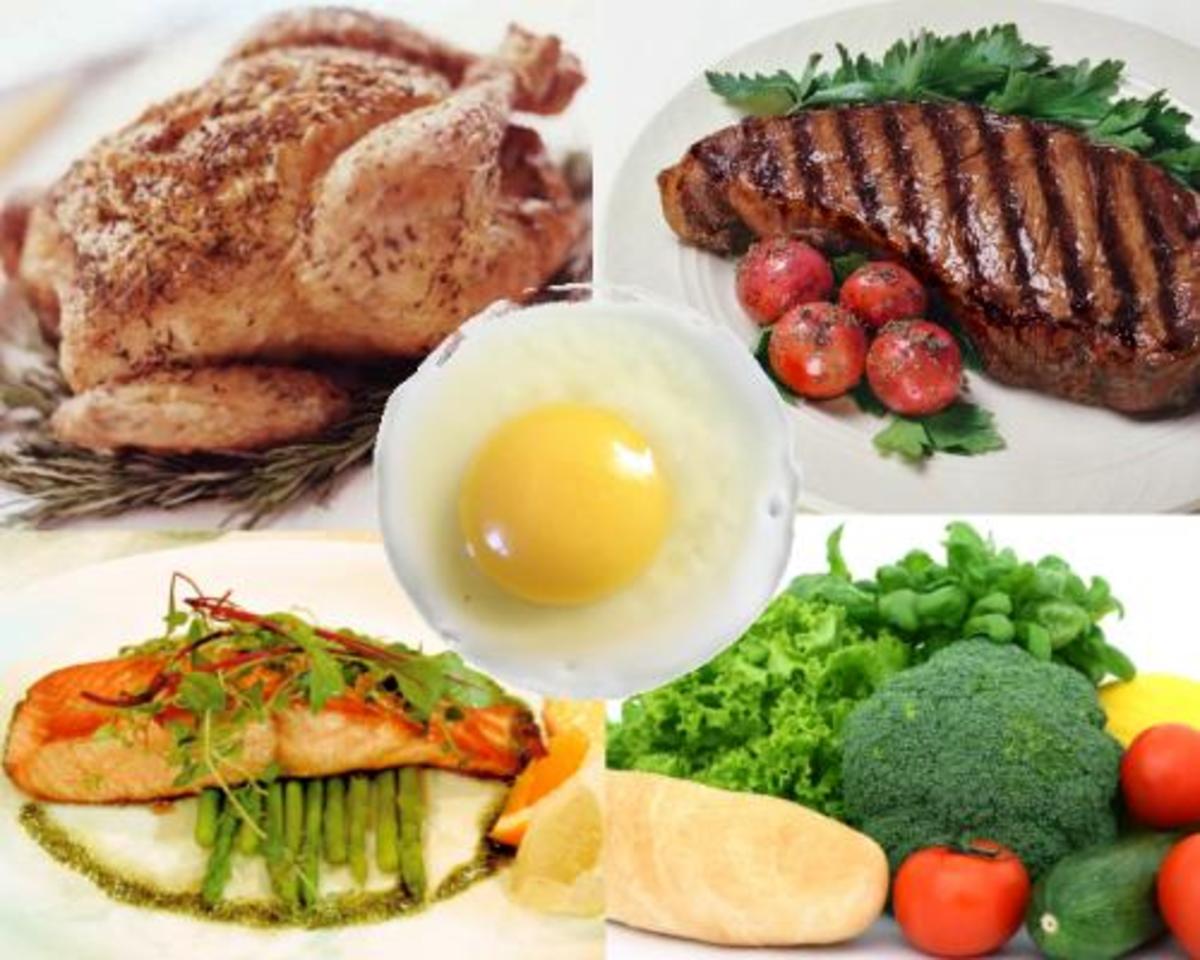
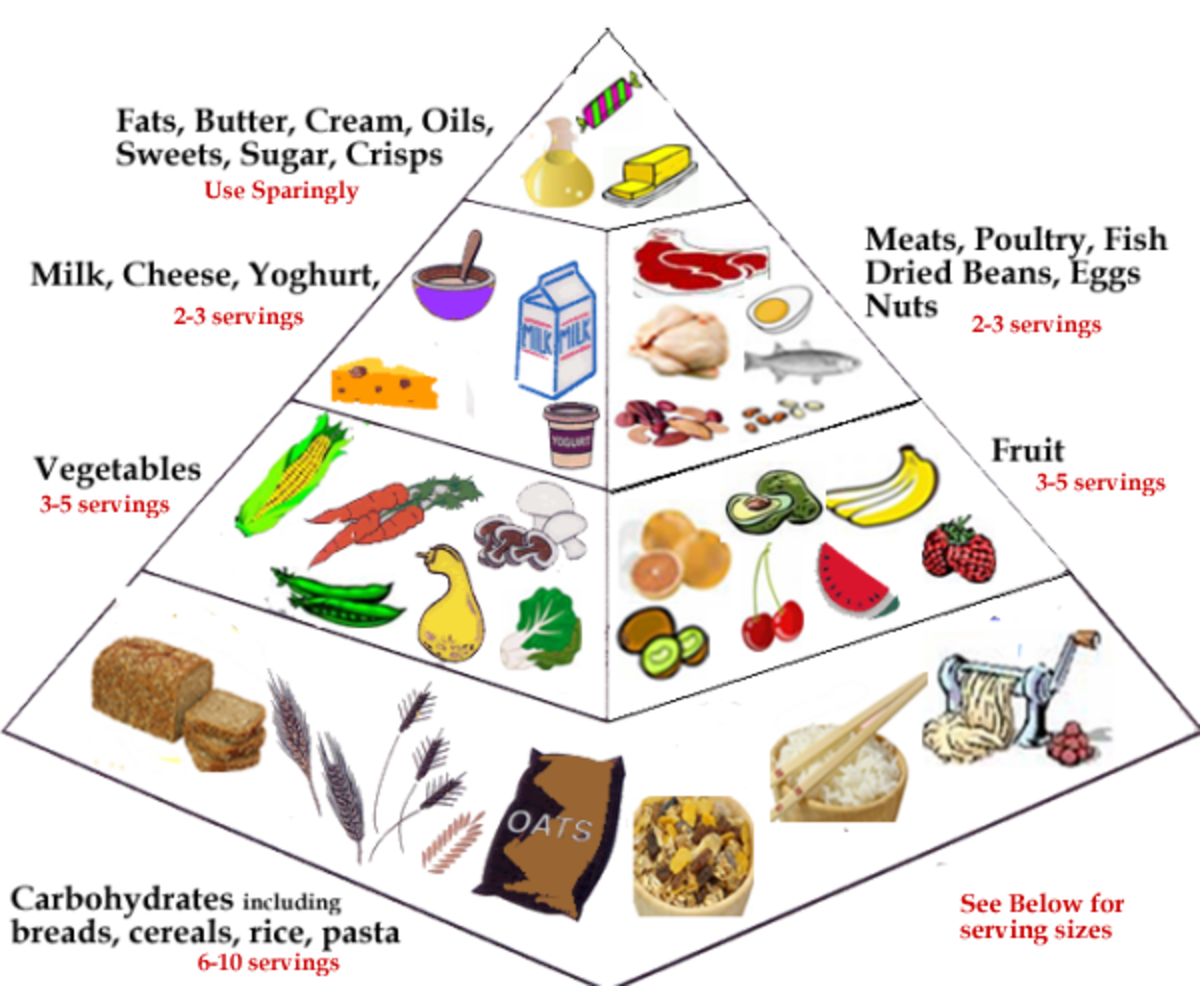
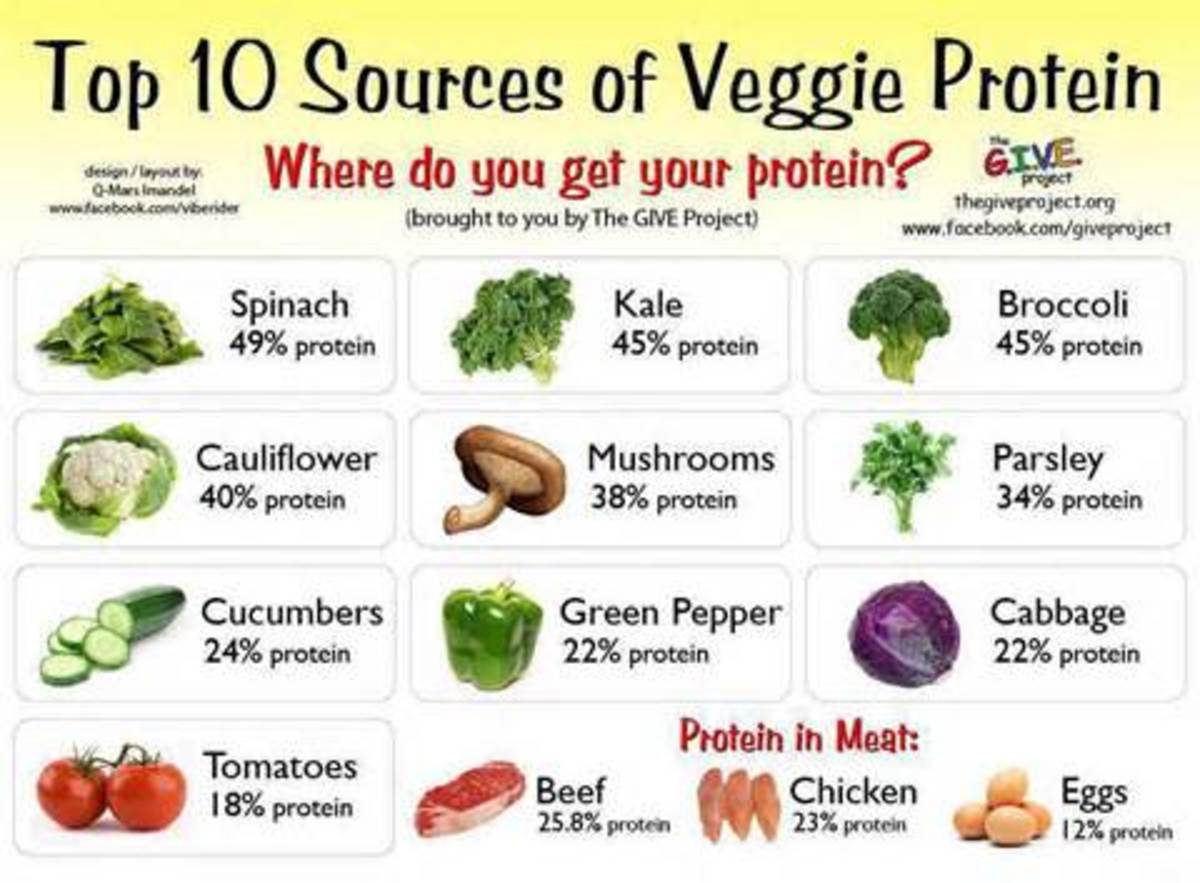
Foods high in protein are complete proteins in that they have sufficient quantity and variation of all twenty amino acids, Examples of complete proteins are animal-based foods such as fish, poultry, beef, pork. Eggs and dairy products also have ufficient amino acid composition and are considered complete.
SOURCE : USER's GUIDE TO PROTEIN AND AMINO ACIDS
Written by KERI MARSHALL
Published by: BASIC HEALTH PUBLICATIONS