12 Ways to Fall Asleep Naturally When You're Tired and Stressed

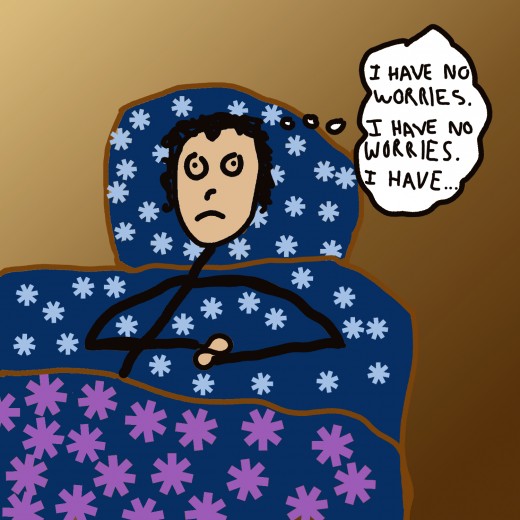
The less you sleep, the more you need it. The more you need it, the less you sleep. I came to that conclusion after my baby was born, and as weeks of shortened nights turned into months and years, I realized that not getting enough sleep created a vicious cycle. Then I researched what to do for insomnia and was surprised by how many people had the same problem and the diversity of the proposed solutions.
Whatever the cause of your insomnia - whether it's due to stress, anxiety, being overtired, pain, or overwork - adding fatigue on top of everything else is miserable. These tips are for when you find yourself in that zombie sleepless state where you just can't...relax...enough...to...sleep!
Here's to long and peaceful shut-eye!
1. Use Up That Cortisol
Cortisol is our morning hormone, our wakefulness hormone. When our levels of cortisol fall at night, we get sleepy. If we don't go with that and go to sleep right then, our bodies say, "Hey, we need more energy! Cortisol - activate!" And then you're up for hours.
If that's what's happened to you and it feels like it's going to be another night of lying in bed for hours, don't set yourself up for failure. Get up. Get out of bed and do something. Walk around. Watch TV. Surf the Web. Make a list of everything that's on your mind. Use that energy.
What you're looking for is a fall in your cortisol levels. Distract yourself until you start feeling drowsy again. Immediately stop what you're doing and go back to bed to try to fall asleep again.
Don't delay, or you'll get the dreaded "second wind" - another cortisol rush that could last for hours.
2. A Nice Cuppa
Sip from a warm glass of milk or a relaxing cup of hot herbal tea, unsweetened or only very lightly sweetened.
3. Avoid Caffeine.
And chocolate. For obvious reasons. The only exception to this in my experience is that coffee is a great palliative for my migraines and can actually relieve the pain and put me to sleep when I am lying in bed unable to sleep from a migraine.
4. Avoid Alcohol
Avoid alcohol. Alcohol might make you sleepy, but can have other undesirable side-effects and be habit forming. Don't go there.
5. Snack Judiciously
Snack on food that makes you sleepy, such as some leftover chicken or turkey or dairy products like a bowl of pudding.
These foods contain tryptophan, a substance that people used to think makes you sleepy, but that turns out to be a myth - apparently the latest research says tryptophan doesn't actually induce sleepiness. My experience, and that of many other people, says that for whatever reason, those foods do induce sleepiness, and I don't care whether it's the tryptophan or the higgley-wiggles in 'em that does it.
6. Avoid Histamine
Avoid foods high in histamine, or foods that are histamine liberators. Histamine is another wakefulness chemical in our bodies.
Foods to avoid at night that promote high levels of histamine in the body include fermented foods like olives, aged cheese, and sauerkraut, cold cuts, strawberries, tomatoes, chocolate, some nuts, salmon, and legumes.
7. Consider the Bed
Make sure your bed is comfortable and the bedding fresh. Your stress may be increased by discomfort caused by your bed. You may be so used to it that you don't even question that you have other options. If your bed is not comfy, try a different bed, try sleeping on the sofa, or even try the floor.
8. Relaxation Massage
Ask for a massage or do self-massage, and do it in bed. Use long, gentle strokes along your major muscle groups to relax the tight muscles.
Drink a full glass of cool water afterwards, making sure you have it ready to drink after the massage so you don't have to get up.
9. Epsom Salt Bath
Soak in a deep, very warm bath for at least 20 minutes, optionally adding Epsom salts.
Epsom salts is another name for magnesium sulfate, and both magnesium and sulfur can have a relaxing effect on the body.
After drying off, immediately crawl into bed.
10. Consider the Noise
Adjust the noise level of your bedroom to suit a peaceful night's sleep. This is an extremely individual thing.
For some people this means using earplugs to block out noises keeping them awake. For others who find low-level noise soothing, turning on a fan (you can direct it away from you) can provide white noise.
Some find that playing soft music or even keeping the TV on quietly can relax them enough so they can fall asleep.
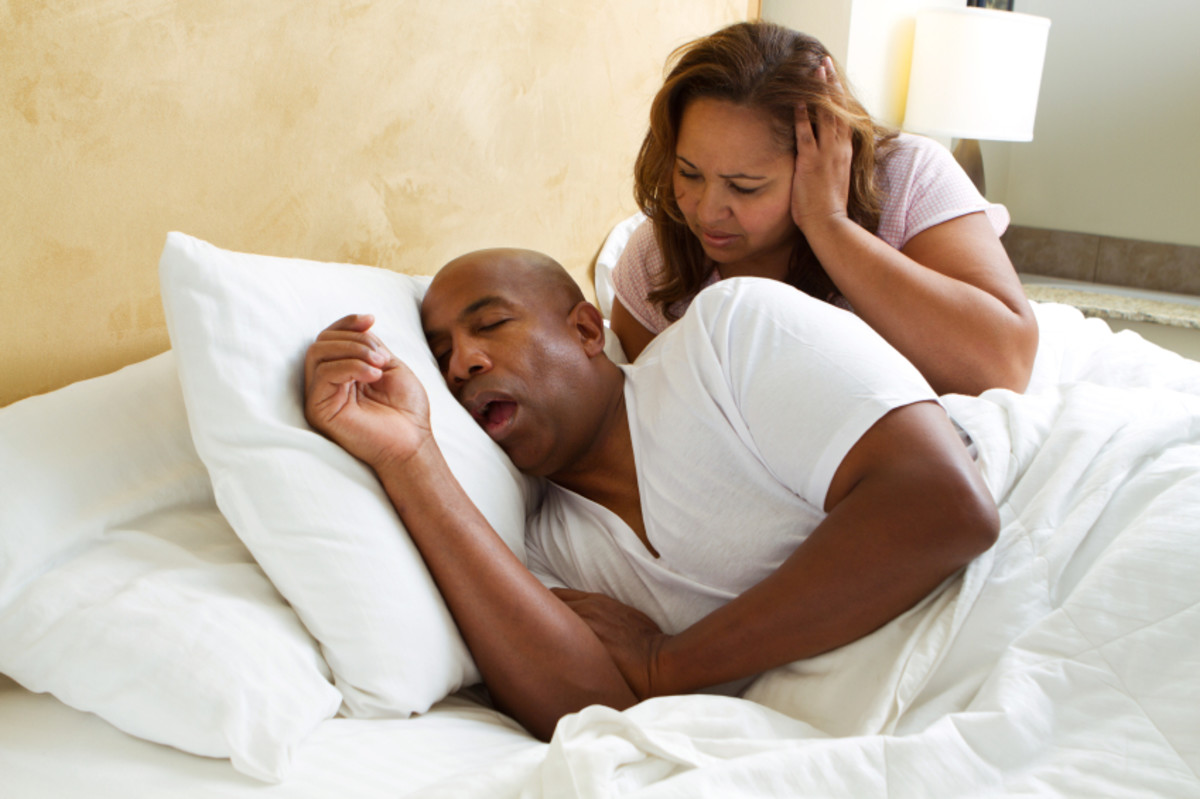
If you happen to sleep in the same room with somebody who doesn't have the same noise level requirements you do for sleep, look into having some long negotiations. Missing sleep is not the answer.
11. I Am Getting Very, Very Sleepy...
Try self-hypnosis, an effective and natural method for soothing yourself to sleep. This is one of my favorites.
Close your eyes and breathe deeply and slowly through your abdomen. While you slowly count backwards from ten to one, imagine yourself moving from a stressful position toward a peaceful, relaxing position in any setting you like. For example, you can imagine yourself as a string pulled tight. Start counting from ten to one, each time imagining that the string relaxes, until when you reach one, the string drops limply. And so do you. If not, rinse and repeat.
If this is all too technical for you, try this: Think back to a period in your life that you don't remember well. Think about it in more detail, trying to remember the little things - the details that you thought were lost. Keep trying to remember more and more details, moving forward in time. At some point, you'll get pretty relaxed with this exercise that's both hypnotic and good for your synapses.
12. But This is Boring!
Read something boring. Yes, I'm serious. Try to focus on tedious reading material for work, or a book about something you have little interest in.
The effort of trying to focus on dry reading material can actually be a form of self-hypnosis, and you'll hypnotize yourself enough to put yourself to sleep.
Facts About Sleep Disorders and Chronic Insomnia
- A good night's sleep is essential to learning and creative problem solving. If you don't sleep well, you don't think or function as well as you could.
- Statistically, trouble sleeping increases with age. It's a myth that older people need less sleep--they just tend to get less sleep.
- Women are known to have more trouble falling asleep than men.
- With chronic insomnia, you may have trouble getting to sleep, a hard time staying asleep, repeated or early episodes of waking up, or sleep that doesn't refresh you.
- If you suspect your sleep problems may be chronic, or this happens three or more times a week for several weeks on end, see your doctor. Sleep clinics exist; they might be able to help you.
Insomnia Resources
For help with sleep disorders, see:
- NHLBI Health Information Center
- Take this Sleep Quiz With the National Center on Sleep Disorders Research
- National Sleep Foundation