ArtsAutosBooksBusinessEducationEntertainmentFamilyFashionFoodGamesGenderHealthHolidaysHomeHubPagesPersonal FinancePetsPoliticsReligionSportsTechnologyTravel

How to Check the Oil in Your Car


Updated on June 25, 2011
Your dipstick might look like this

We all want to drive more and spend less. We can increase our miles per gallon by keeping track of the oil level in our vehicles. Don't assume that your car isn't using oil simply because you don't see a puddle on the garage floor. Check the oil in your car as part of standard maintenance.

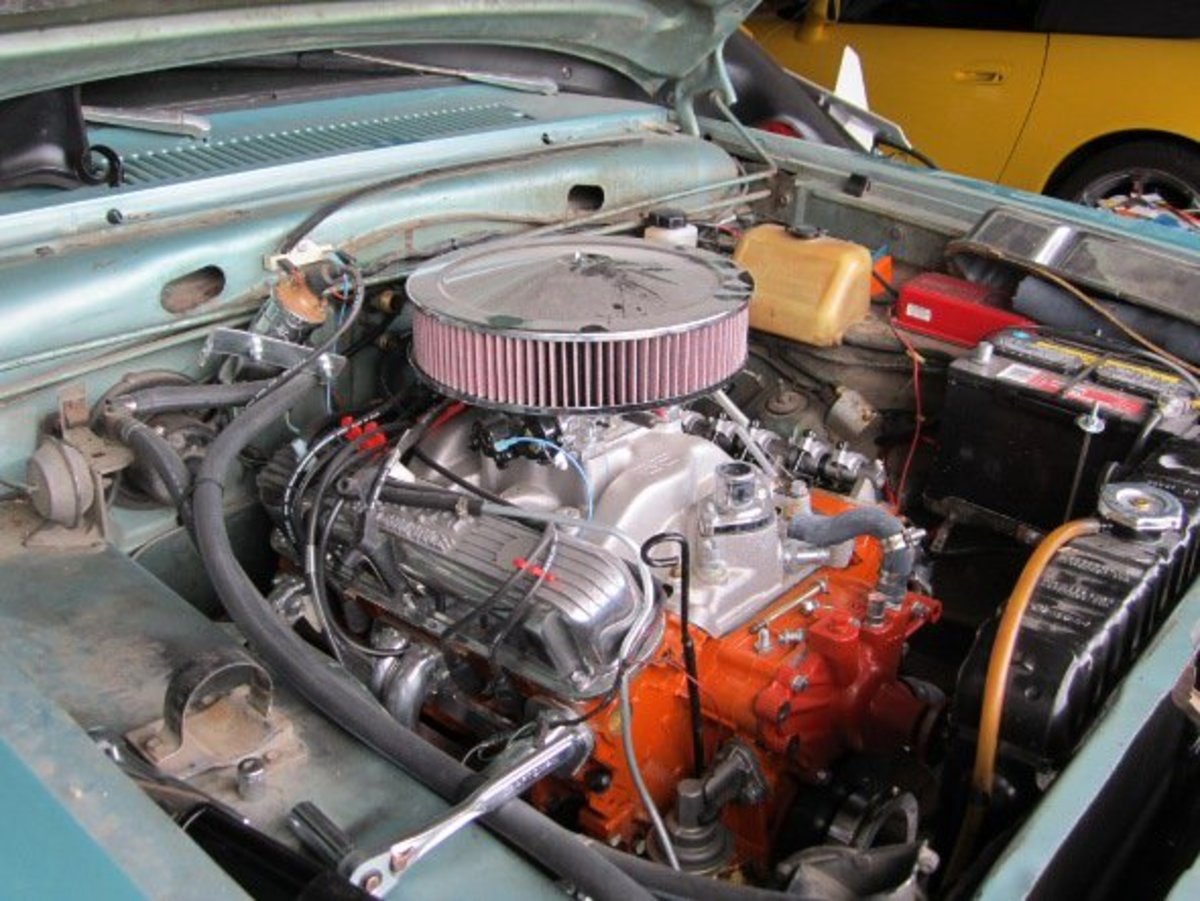
Keep the oil in your engine at an appropriate level. Internal combustion engines need oil for lubrication and cooling (If you're driving an all-electric vehicle, please continue reading so you can help your friends). Too little oil prevents the engine from cooling itself properly; every engine has an optimum operating temperature. Check your oil regularly even if your car just rolled off the showroom floor. Every car uses a little oil and most cars use quite a bit. Pop the hood and locate the dipstick. Try to check the oil level when your vehicle is on a level surface and has not been running for at least an hour. The dipstick measures the current oil level in the bottom of the engine; if the vehicle has been running very recently, the oil will still be draining back into the oil pan from where it was circulating. Yes, some vehicles are designed to run with a 'dry sump', but most cars on the road still have an oil pan.

Caution

Your engine will be hot if it's been running recently. The dipstick may feel cool enough to touch, but other stuff under the hood may not be cooled off. Be very careful where you put your hands as you brace yourself and as you reach for the dipstick. Don't put your elbow on the radiator or the engine shroud unless you're sure the surface is cool.

  • To check your oil level:

    1. Open the hood and look for the rod that props it up. The rod should be located very close to the top front of the engine compartment, either parallel to the grill or running along the top of the fender. Pivot the rod upward and insert it into the correct hole in the bottom of the hood. The hole should be labeled for this purpose. Don't guess; the hood might come down on your head if the rod isn't secure.

    2. Locate the dipstick. It may be near the front of the engine or on one side of it. It may have a yellow handle. Gently pull upward on it. It should come out of its' guide hole will only a little encouragement. Don't yank on it. Expect it to be at least 12 to 18 inches long.

    3. Clean it off with a shop rag or a paper towel. Don't get it dirty; any grit or dirt that ends up on the dipstick could find it's way into your engine.

    4. Take a close look at the markings on the far end, away from the handle. You should see a line labeled "Full" and possibly other markings as well.

    5. After cleaning, reinsert the dipstick back into the guide hole. This is the most difficult part of the process and usually involves two hands. It's difficult to poke the springy stick back in to the tiny guide hole without a little manual intervention. Gently slide the stick all the way back into the hole until it bottoms out.

    6. Remove the dipstick again to get a clear reading of your oil level. Read the bottom of the stick to learn how deep the stick extended into the oil reservoir. Hopefully the oil level is very close to the "Full" line but not over it.

    7. If you're not sure how to add oil, visit your local mechanic. On most cars oil is easy to add, but don't take a chance if you're not confident. I have seen novices add motor oil to the transmission reservoir by mistake.

    8. If you do chose to add oil, add it carefully so you don't overfill. It's OK to be a few ounces low, but it can be very bad to be too high. In some cars, an overfilled oil reservoir can cause frothing because mechanical parts will stir the oil and whip it up like cake frosting. Severe damage to your engine could result.

    9. Always be careful to replace the dipstick after you have taken your readings. Your engine will run without the dipstick but oil may spew out the guide hole if the stick has not been replaced properly. You will suffer an oily mess under your hood.

    Caveat

    Some modern care don't even have dipsticks any more. These vehicles require a trip to the mechanic simply to check the oil level. Ask your salesperson or a trusted mechanic before purchasing your next car. You might be surprised.

Caveat Redux

An all-electric car won't have a dipstick. Don't go pokin' around under the hood even when it's turned off. Read the manual thoroughly and find a high-tech mechanic who can show you how to perform common maintenance tasks.

I check my oil level regularly

See results
working

This website uses cookies

As a user in the EEA, your approval is needed on a few things. To provide a better website experience, hubpages.com uses cookies (and other similar technologies) and may collect, process, and share personal data. Please choose which areas of our service you consent to our doing so.

For more information on managing or withdrawing consents and how we handle data, visit our Privacy Policy at: https://corp.maven.io/privacy-policy

Show Details
Necessary
HubPages Device IDThis is used to identify particular browsers or devices when the access the service, and is used for security reasons.
LoginThis is necessary to sign in to the HubPages Service.
Google RecaptchaThis is used to prevent bots and spam. (Privacy Policy)
AkismetThis is used to detect comment spam. (Privacy Policy)
HubPages Google AnalyticsThis is used to provide data on traffic to our website, all personally identifyable data is anonymized. (Privacy Policy)
HubPages Traffic PixelThis is used to collect data on traffic to articles and other pages on our site. Unless you are signed in to a HubPages account, all personally identifiable information is anonymized.
Amazon Web ServicesThis is a cloud services platform that we used to host our service. (Privacy Policy)
CloudflareThis is a cloud CDN service that we use to efficiently deliver files required for our service to operate such as javascript, cascading style sheets, images, and videos. (Privacy Policy)
Google Hosted LibrariesJavascript software libraries such as jQuery are loaded at endpoints on the googleapis.com or gstatic.com domains, for performance and efficiency reasons. (Privacy Policy)
Features
Google Custom SearchThis is feature allows you to search the site. (Privacy Policy)
Google MapsSome articles have Google Maps embedded in them. (Privacy Policy)
Google ChartsThis is used to display charts and graphs on articles and the author center. (Privacy Policy)
Google AdSense Host APIThis service allows you to sign up for or associate a Google AdSense account with HubPages, so that you can earn money from ads on your articles. No data is shared unless you engage with this feature. (Privacy Policy)
Google YouTubeSome articles have YouTube videos embedded in them. (Privacy Policy)
VimeoSome articles have Vimeo videos embedded in them. (Privacy Policy)
PaypalThis is used for a registered author who enrolls in the HubPages Earnings program and requests to be paid via PayPal. No data is shared with Paypal unless you engage with this feature. (Privacy Policy)
Facebook LoginYou can use this to streamline signing up for, or signing in to your Hubpages account. No data is shared with Facebook unless you engage with this feature. (Privacy Policy)
MavenThis supports the Maven widget and search functionality. (Privacy Policy)
Marketing
Google AdSenseThis is an ad network. (Privacy Policy)
Google DoubleClickGoogle provides ad serving technology and runs an ad network. (Privacy Policy)
Index ExchangeThis is an ad network. (Privacy Policy)
SovrnThis is an ad network. (Privacy Policy)
Facebook AdsThis is an ad network. (Privacy Policy)
Amazon Unified Ad MarketplaceThis is an ad network. (Privacy Policy)
AppNexusThis is an ad network. (Privacy Policy)
OpenxThis is an ad network. (Privacy Policy)
Rubicon ProjectThis is an ad network. (Privacy Policy)
TripleLiftThis is an ad network. (Privacy Policy)
Say MediaWe partner with Say Media to deliver ad campaigns on our sites. (Privacy Policy)
Remarketing PixelsWe may use remarketing pixels from advertising networks such as Google AdWords, Bing Ads, and Facebook in order to advertise the HubPages Service to people that have visited our sites.
Conversion Tracking PixelsWe may use conversion tracking pixels from advertising networks such as Google AdWords, Bing Ads, and Facebook in order to identify when an advertisement has successfully resulted in the desired action, such as signing up for the HubPages Service or publishing an article on the HubPages Service.
Statistics
Author Google AnalyticsThis is used to provide traffic data and reports to the authors of articles on the HubPages Service. (Privacy Policy)
ComscoreComScore is a media measurement and analytics company providing marketing data and analytics to enterprises, media and advertising agencies, and publishers. Non-consent will result in ComScore only processing obfuscated personal data. (Privacy Policy)
Amazon Tracking PixelSome articles display amazon products as part of the Amazon Affiliate program, this pixel provides traffic statistics for those products (Privacy Policy)
ClickscoThis is a data management platform studying reader behavior (Privacy Policy)