Garden Tales: Sedums

sedums
They may go often unnoticed as they sit there quietly doing their job but they are also capable of putting on a great display. The Common Stonecrop or Sedum acre is an evergreen perennial that grows between 0.05m by 0.3m. The common stonecrop is hardy to zone 5 and can handle frost.
This plant will flower in June and July with the seeds ripening from July to August .The flowers are hermaphrodite (have both male and female organs) and are pollinated by bees, flies.
The stonecrop enjoys light (sandy), medium (loamy) and heavy (clay) soils, but must have soil that is well-drained. It will not grow in the shade but will accept soil that is acidic, neutral or alkaline.
The stonecrop deals well with drought and can endure either dry or moist soil.
The Plants for a Future database says the leaves can be eaten either raw or cooked and that they are rich in vitamin C, however, the is bitter and acrid taste.
Sedum is a survival food rather than a dish you would choose when serving dinner. Sedum grows wild in terrains where survival can become a critical issue. If consumed in large quantities sedum will upset the stomach.
The leaves are best dried first but die to their fleshy nature, this is not a quick task; then reduce them to a powder and use as a seasoning.
I planted a sedum Autumn Joy at a friend’s house in Ottawa, well several sedums actually as it was going to be a focal point in a small front yard. They were easy to plant and are still doing very four years later.
I have an inherited sedum, in the garden that runs along side our driveway, over the past 6 weeks it has doubled in size, not vertically but horizontally, which is perfect for its location.
The sedum has become a standard plant in green roof design.
Green roofs are a roof that allows plants, trees and shrubs to grow in a specially designed light-weight growing medium.
The three main types of green roof systems are:
- complete systems where all the different components including roof membrane are an integral part of the whole system
- modular systems that are positioned above the existing roofing system
- pre-cultivated vegetation blankets that consist of growing medium and plants that are rolled onto the existing roofing system with drainage mats and root barriers as required.
Sedums are one of the easiest perennial plants to grow. They prefer a well-drained soil but are not fussy and require little watering. You will find a wide range of sedums available through USDA gardening Zones 3 to 9 so the odds are high that you will find just what you need.
If you are considering a rock garden then the sedum is a great plant; you can also plant them along a stone pathway, for example.
You can propagate sedums readily through division; just grab your hand trowel and look for a spot in an established plant where it's nice and thick. Next just dig down in and separate the plant being sure to take enough root with you. You can backfill the hole that is left and the sedum will grow to fill it.
This may be the perfect plant for the new gardener; the odds of success are high as long as you remember the old adage, right plant, right place.
beside driveway
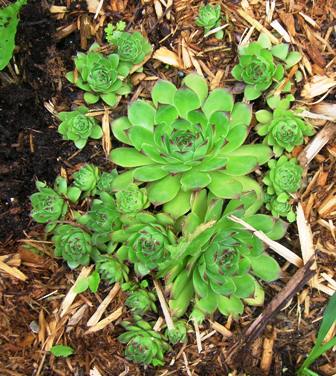
growing sedum
photos
- Sedum Photos
This site has over 1600 photos of more than 600 different kinds of sedums and related genera. Many of these varieties can’t be seen anywhere else on the internet. We hope that this site will aid in correct identification of sedums and other succulent
sedums plus
growing sedums
- Growing Sedum|Sedum Autumn Joy|Sedum Autumn Fire|Succulent
Looking for a cold hardy, water wise, late-season bloomer to carry your garden from summer into winter year after year? Search no further! Gorgeous tall sedums will keep your garden alive with four seasons of interest – and all with very little water