Grammar Mishaps: dash, hyphen, ellipsis--which to use?

Em dash, en dash, hyphen. . . what's the difference?
This is another commonly misunderstood grammar rule. What is most commonly referred to as a "dash" is more accurately called an "em dash" and is used in a very different way than the hyphen. You type an em dash on a standard keyboard by striking two hyphens in a row, with no spaces on either side--that's right, just like this. It is used to indicate a break in syntax: for a clarification on the previous portion of the sentence, or in the place of parenthesis. It should *not* be used simply to indicate a pause in the sentence (that job is reserved for commas and ellipses--see below).
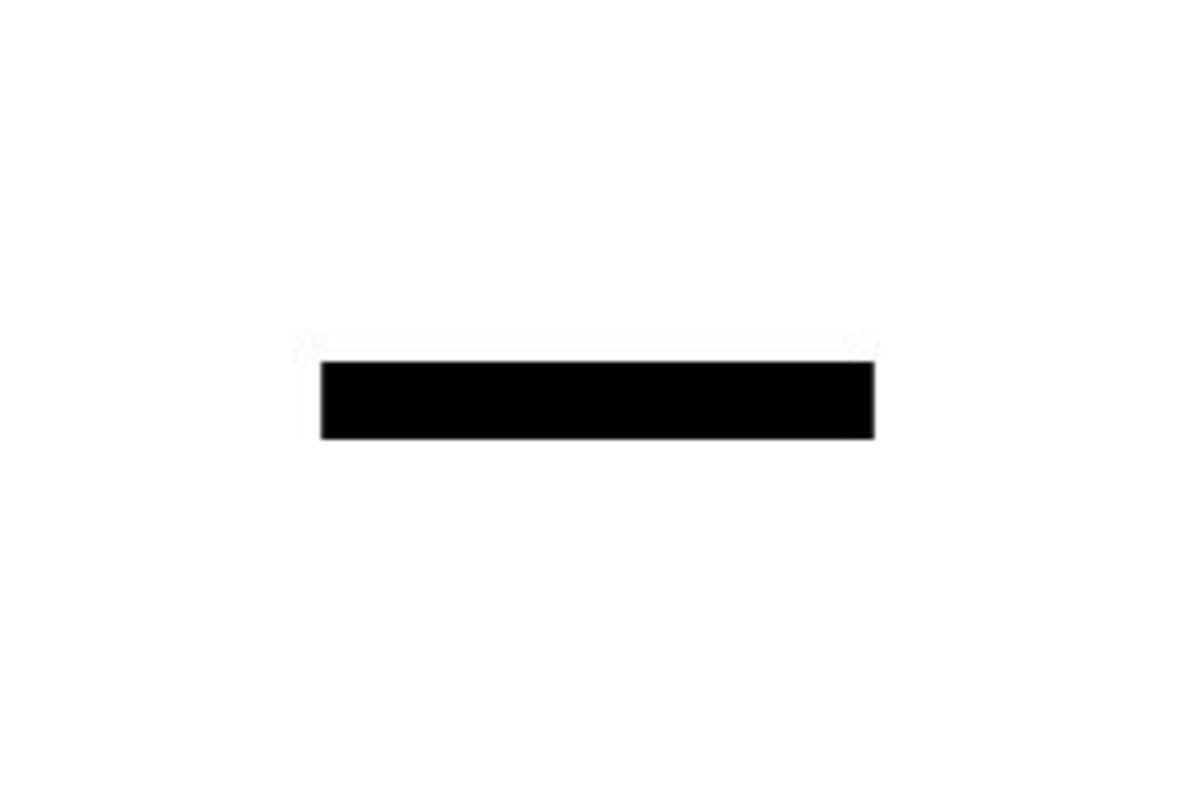
The "en dash" is a confusing beastie indeed. Is it so confused with the hyphen (even by experts) that there is little point in distinguishing between the two. It is typed on a standard keyboard as a single hyphen. It is used in showing a numerical or chronological range. You can find the en dash showcased somewhere in paragraph 1-3 in this article. You may also see this displayed from 12 a.m.-5 p.m. at this website (or any other time you choose to read it).
The en dash can also replace the hyphen to add clarification, as in mid-day or post-war era. The hyphen is similarly used to attach compound words, and is falling out of use in recent times. Any further distinguishing between en dashes and hyphens is fruitless: they look and smell the same, why don't they share the same name?
_______________________________________________
Like this writer? Like adventure? Try:
http://tinyurl.com/c6tktgm
http://Terreldor.net
_______________________________________________
The ellipsis is also misused quite a lot . . . don't you think? Technically, you would use a standard keyboard to create an ellipsis by typing three periods with spaces between each of them . . . and before and after the ellipsis. This is a moot point unless you are using a typewriter and typing papyrus. Most document programs (like MS Word) will suck up your dots, nicely framed in spaces with care, and replace them with a single *special character* ellipsis (also called a *coded* ellipsis). With modern fonts and document programs, it's hard to tell who's following this silly *extra spaces* rule and who isn't.
You should use an ellipsis for showing a missing piece of text, or a pause in speech. When you put an ellipsis at the *end* of a sentence, skip a space and then add your period. If you have skipped one or more sentences from a quote *before* a new sentence, leave your period from the previous sentence, type a space, then make your ellipsis, and begin your new sentence (after the skipped sentences). If you only skip part of the beginning of a sentence, it is considered incorrect to begin the sentence with an ellipsis . . . but I won't tell if you don't. Most readers won't know this obscure rule . . . or the even lesser known rule that you *can* use an ellipsis to begin a sentence if the sentence is in a blockquoted fragment of text.
_______________________________________________
Like this writer? Like adventure? Try:
http://tinyurl.com/c6tktgm
http://Terreldor.net
_______________________________________________