Best Guitar Amps

Overview of guitar amps
The development of guitar ampis traceable back to the 1950s, when many classic Fender designs came on to the market. In an odd reversal of the usual trend, this valve based technology is preferred by many players, and consequently many older amps are now very valuable.
TYPES OF AMPLIFIER:
- Valve (AKA tube amp )
- solid state electronic
- digital modelling
Sometimes these types are combined to form a hybrid, where two different technologies are used together.
The speaker, usually 8", 10" 12", or multiple speakers is a vital component in the sound. Sometimes there is a separate speaker cabinet, sometimes amp and speaker are together in a combo amp. Speakers are often upgraded to improve the sound, and this is a relatively simple job in many cases.
Power ratings: common output in watts - 30w , 50w, 60w, 100w. A practice or recording amp for home or studio use could be 10w or 15w. I find most gigs only need about 30w amps, maybe 50w if there is a drummer. Interestingly, the world's best selling valve amp seems to be the Fender Blues Junior, which is only 15 watts. This is also very well priced, and I'm thinking of getting one myself.
If you use a combo amp and need more volume another option is to add an extra speaker cabinet, although you should check the impedance or ohm rating of both the amp and the new cabinet.
Amp manufacturers
The high end of amps in terms of sound quality and durability include:
Fender, Marshall, Vox, Matchless, Bad Cat, Cornford, Mesa Boogie.
Boutique amps are often hand-wired: Carr and Victoria are two of the most highly rated. This is one area of music where it definitely pays to buy the best. I'm currently using a Victoria 5112, which is kind of a Fender Champ style design. There is no extra circuitry, and just one control knob for the volume and this also turns the power on. It sounds great. More importantly, the little power on light is purple!
Fender amps from the 1960s or Blackface (from the control panel) are highly regarded, Silverface (1970s) less so, but they are still very well built.
The quality of valves used is very important, and these are now cyrogenically treated to improve the sound in some cases. Speakers are also upgraded from the original factory models in some cases. In the UK there are companies such as Watford Valves, who supply spares and upgrades.
There has always been a thriving industry in modifying and upgrading amps, which is how Mesa Boogie started in business. Some cheaper Chinese-made valve amps are improved by tweaking components in this way - although, a word of caution: Valve amps contain lethal voltages!!! - leave it to an expert.
Acoustic guitar amps
A separate category, typified by the AER combo amps. Acoustic guitars need a different approach in terms of sound, and using a normal valve amp won't work that well. The solid state nature of these amps means less maintenance is needed - and they can often be used with a microphone as well, making them ideal for small gigs in a cafe environment. The downside is a very clinical and unresponsive nature, with none of the warmth of valve amp tone.
For the acoustic / folk performer, this is the preferred option. The less sound coloration the better. Bose L1 line array systems are well regarded too.
Schertler make good acoustic amps - at the moment I'm using a Unico amp. It's good for vocal mics too.
Both AER and Schertler amps are very well engineered and designed, built in Germany and Switzerland respectively. Just as a Mercedes typifies German solid design, an AER is a very reliable amp, though expensive initially.
Interaction with guitar
The type of pickups on different electric guitars is also important, and getting the amp and guitar to complement each other is a really complex issue. For this reason, many famous guitarists use multi-amp rigs, using different tones from a number of amps.
To get a rock or blues tone some distortion is common, and this can be created with a gain control. Gain helps create a musical sustain and distortion. Many valve amps work best when the output valves are working hard, as well as the preamp valves. This means a low -powered amp is often preferable,as it can be driven hard in situations where a 100-watt amp would be too loud.
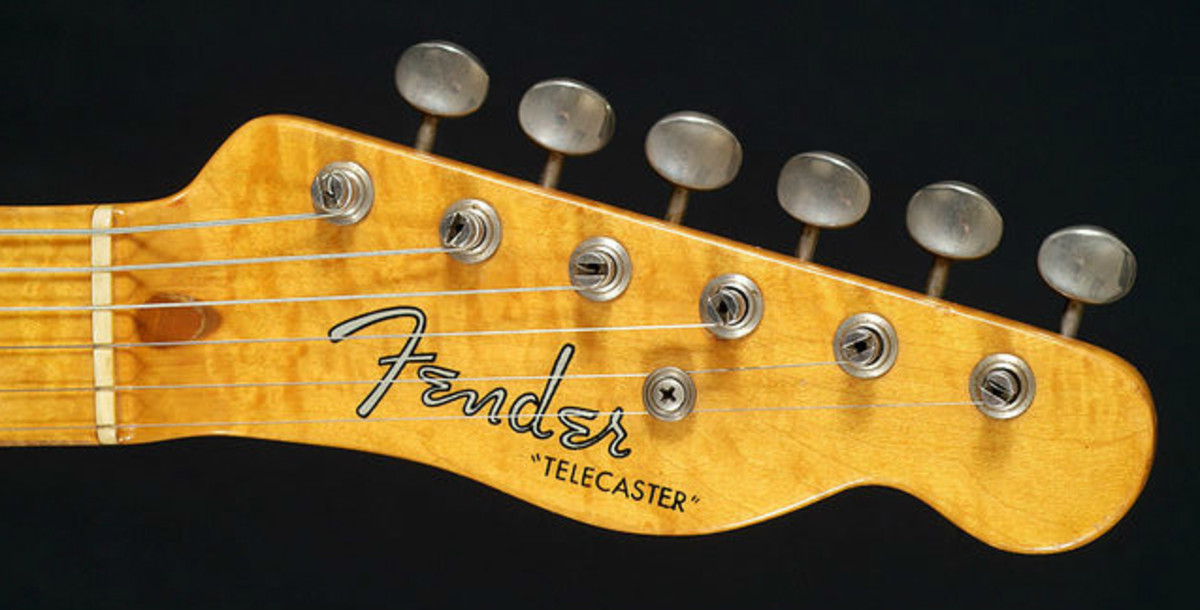
A classic combination would be the Hendrix sound - Marshall amp and Fender Stratocaster together, or the Eric Clapton Les Paul and Marshall combo sound. A Fender Telecaster works great with Fender Twin, Blues Deluxe, Deluxe Reverb amps, among others. Associated with many country players.
Carlos Santana uses a PRS guitar with Mesa Boogie amps to get great sustain.
Amp Reviews
Guitar Player magazine (USA) is very good for amp reviews.
In the UK Guitarist magazine also does very in-depth reviews.
Personally, I like Fender Blues Deluxe, Deluxe Reverb amps for affordable good tone and projection - partly because they suit blues and jazz styles well.
Youtube is also a great resource for amp info.
Upgrading amps
There are two main ways of improving valve amps, and they are both easy - part of the appeal of the whole design.
- Change the valves - a matched set of new valves is sometimes very effective. Chinese-made valves are not highly regarded, in fact that is being polite! Replacing them with high quality valves by Groove Tubes etc. can work wonders.
- Change the speaker - many cheaper amps use substandard speakers. Replace with Celestions or JBL etc and the sound can be dramatically improved.
Practical issues
One of the most important practical issues is weight. Many of the best amps are also ridiculously heavy, to the point that you may not feel like using them! The solid construction of a Mesa Boogie or Matchless amp is great, but not so great when you are lugging it up a flight of stairs to a gig, or even lifting it in and out of a car. In fact, I recently sold my Matchless amp because of this, though it did sound fantastic, it wasn't getting much use. If you are doing a lot of gigs, it may be a good idea to have a few amps of different sizes, and maybe a battery-powered amp, to cover all the situations.
Recent upgrades to the fender classic amps in the Tonemaster range seem to retain most of the tone while greatly reducing the weight, the Deluxe reverb has some great reviews.
Carr amplifiers
Carr Amplifiers are built in the USA, currently my favourite amps, and they are sturdy as well as great sounding! The Rambler is a really top amp, though I wouldn't fancy a ramble of more than a few yards!