The Compleat Gardener: Fundamentals of Growing Hibiscus

Hibiscus Show Winners
Hibiscus
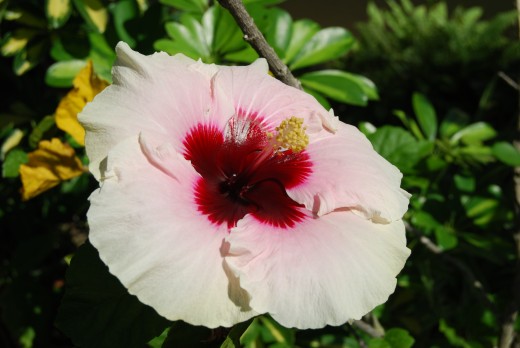
The hibiscus (Hibiscus rosa-sinensis) is probably the most widely cultivated domestic landscape/pot plant in the world. It most likely is native to China and southeast Asia but was distributed to the Polynesian Islands over the centuries and to the rest of the world in the last couple hundred years. It has become so much a part of Polynesia that Hawaii has made it their State Flower. It is found all over the Caribbean Islands, but birds outside of SW Asia cannot pollinate the flowers so seed is rarely produced. It was originally described by Linnaeus, but by that time it had already been developed into many different hybrids (results of mutations and intraspecies breeding). Today, there are thousands of cultivars (named varieties); so many that between the hybrids and cultivars, you may not be able to find a genetically original plant, whatever that might have been, anywhere in the world.
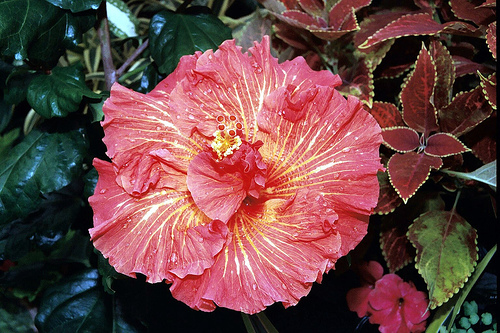
Characteristics
Landscape Uses
1. Informal hedges or screens: Sheared hedges are a little difficult to control, but the plants need to be trimmed to obtain optimal flowering.
2. Foundation plants, solitary show plant, or background for other garden plants: Many varieties can be trained into a solitary 2-3 foot trunk with a ball of foliage/flowers on top. They can grow up to 15-20 feet but most hybrids are smaller; some varieties can grow into a small tree and make a spectacular flowering tree.
3. Growing in pots: Most varieties will grow well in a 10 to 14 inch pot with sufficient light.
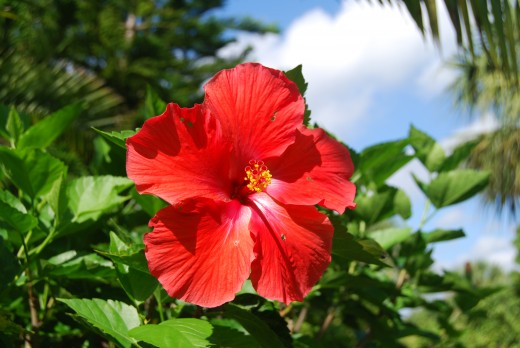
Flowers
1. Most flowers last only a day, but a few varieties last 2 or 3 days.
2. Size of flowers vary with varieties and can be from 3 inches across to 10 inches in some special cultivars.
3. Some varieties attract hummingbirds to their colorful flowers, but most are are odorless (a few have slight fragrances).
4. Colors: red, pink, orange, and yellow; lavenders, bluish tones, whites, browns, golds, and almost black (very dark red), grays, and silvers.
Environmental Conditions
1. USDA Growing Zones: 9-10 for year round normal outdoor plantings
2. Light: bright sunlight.
3. Temperature: 35(60-90)100 degrees; plants often are killed back to the ground during freezes, but established plants usually grow back from roots in the spring.
4. Water: They should be heavily watered (12 to 18 inches deep) every three days in summer and once a week in winter.
5. Trimming: Trim to virtually any shape or size most any time except in cold weather but best in spring and through summer. Flowers bloom only on new growth so plants need to be trimmed to encourage branching.
6. Soil: pH-5.5 to 6.5; sandy, rich in organic matter with mulching. In pots, they grow best in soilless mixture or sand mixed with compost-laced topsoil.
7. Fertilizer: High nitrogen in spring to jump start plants and high potassium in summer to encourage blooming; water soluble slow-release fertilizer with minor elements. I've found that palm fertilizer works great.
Propagation
Seed, cuttings, air layering, budding, or grafting. Propagation of hybrids is usually done through grafting to good rootstock. Some hybrids can be induced to re-hybridize and thousands of spectacular varieties are the result. Seedlings can live 50 years or more, but many cuttings and air layered hybrid varieties have problems making it to 10 years.
Diseases
Many diseases are found on hibiscus--aphids, thrips, whiteflies, spider mites, a few bacterial and viral problems, pink mealy bug, caterpillars, grasshoppers, snails and slugs, beetles, cutworms, and leaf miners; however, a well-maintained, healthy plant seldom has problems that it can't overcome on its own.
Associations
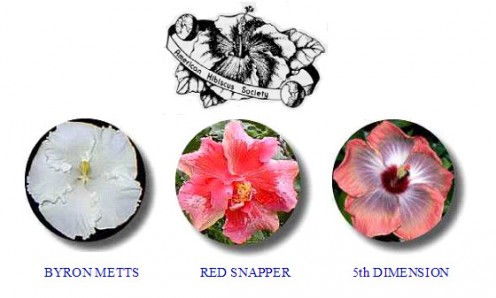

"The purpose of the American Hibiscus Society, one of the larger specialized plant societies, is to encourage and promote the development and improvement of hibiscus and to collect, record and pass on information concerning hibiscus. It is a non-profit organization with headquarters in Venice, Florida."

"The IHS differs in that it is an internet association. Instead of monthly meetings at a fixed geographic location, we talk 24 hours per day via the IHS mail list, which is a searchable, photo capable channel of written communication. Combined with this web site, which incorporates many different possibilities for members to participate, we have an original medium that provides us new ways to enjoy hibiscus."
Trusted Sites For Learning more
- University of Florida
Excellent article by Edward F. Gilman, a botany plant researcher at the University of Florida Environmental Horticulture Department - Questions On Hibiscus
An excellent question and answer site by Ron Smith, master horticulturist from the North Dakota State University Extension Service
Recommended Links
- Fancy Hibiscus
Virtually every flower color in the rainbow - Exotic Hibiscus
Great plants and good service - The World of Hibiscus
Another excellent site - The Tropical Hibiscus, Queen of the Tropics
Great site for information and pictures