How Safe Are Your Sanitary Products? The Hazards of Using Pads and Tampons


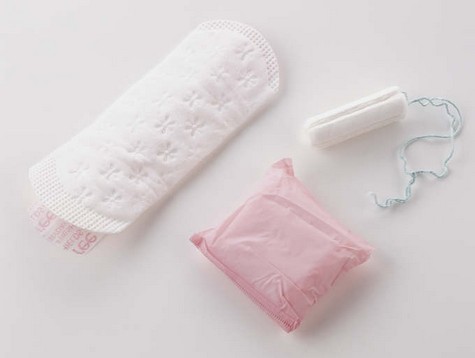
When i came to know about the dangerous facts about the product almost every women in the reproductive age group uses, i got the shock of my life.The product is nothing other than the sanitory pads and tampons.
The average woman may have as many as 400 periods in their lifetime, and can use up to 15,000 tampons during this time. This is a very large number, and it is important to consider the health implications involved in the products that women use to capture the blood during their periods. It is also interesting to note that the testing for the safety of these products is usually conducted by their manufacturer and not by an independent body. The vast majority of women will opt to use either sanitary pads or tampons, or a combination of both methods.


TAMPONS
The tampons that we get in the market is made from the cotton which is grown using the modern day technology.
DIOXIN
We like the stuff which is sparkling white .We think that if the product is pure white it is clean.But the assumption is proved wrong in the case of tampons.The cotton that is received after harvesting is half white in colour.The manufacturers use a chemical called DIOXIN to bleach the cotton.Unless the tampon is specifically labeled as non-bleached you must assume it has undergone this process.Although the levels of dioxin in tampons are quite small (and the tampon companies will readily point this out) they are still dangerous as dioxin accumulates in the fat stores of the body and can add up to very dangerous residual levels over time. When you consider the average number of tampons used by a woman in her lifetime, you can start to imagine that the buildup of dioxin in the body tissue will actually be quite significant.. Dioxin is linked with the following effects in the body:
Endometriosis
Pelvic Inflammatory Disease
Breast cancer
Ovarian cancer
Estrogen dominant conditions
Birth defects in offspring
Immune system damage
Sarcoma, non-Hodgkin’s lymphoma and Hodgkin’s lymphoma
Hormone dysfunction
Miscarriage
Impaired fertility
Lowered concentration ability
Diabetes
Impaired thyroid function
RAYON
Apart from cotton,Rayon is yet another synthetic polymer that is added to the tampons to enhance the absorbing capacity .Rayon also has dioxin in it.
PESTICIDES ,HERBICIDES AND DEFOLIANTS
These are the chemicals that are used to spray on the cotton crops.A chemical named FURAN stays on the cotton long after it has been harvested,which is a potential danger which might cause harm. These have been linked with the following effects in the body:
Birth defects of offspring
Low birth weight
Infertility
Hormonal disruption
Thyroid malfunction
Diabetes
Endometriosis
Depression
FRAGNANCES AND DEODARANTS
These substances are added to the tampon product during processing. Although they can also enter the bloodstream in a similar way to the pesticides and dioxin, they can also have an effect locally in the vagina and cause allergies and skin reactions.
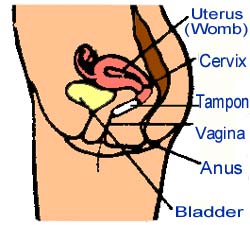

Toxic Shock Syndrome
Toxic shock syndrome is not caused by the chemicals discussed above, but rather from an overgrowth of staphylococcus aureus bacteria in the vagina which causes a release of toxins and poisonous substances into the bloodstream. These toxins can cause a sudden fall in blood pressure and death. The presence of the tampon in the vagina for prolonged periods of time can encourage the growth of the staphylococcus bacteria, as can the use of synthetic fibers in tampons. The occurrence of these symptoms in conjunction with tampon use may be a sign of toxic shock syndrome:
Diarrhea
Vomiting
Sunburn-like rash
Dizziness
Confusion
Cold and clammy skin
Fever
PADS
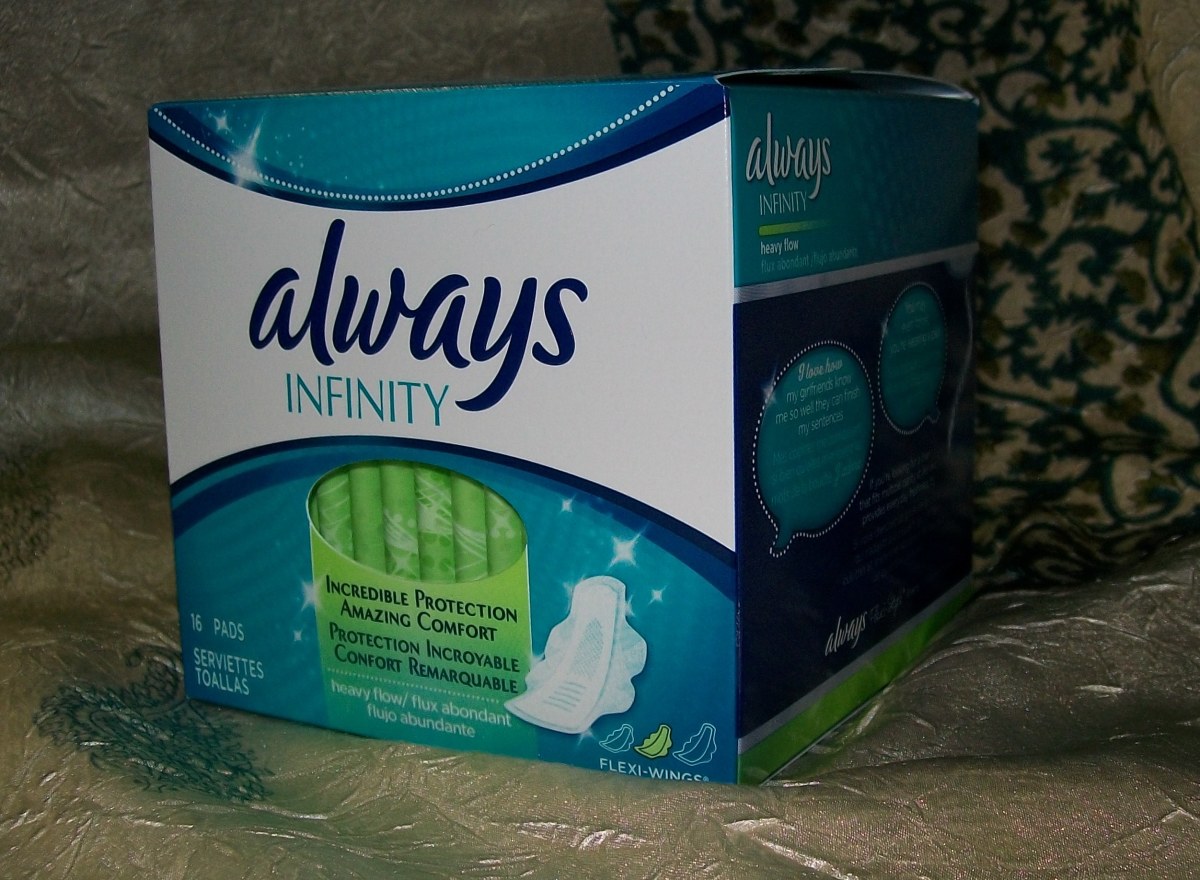
Sanitary pads are subject to the same considerations above in terms of the chemicals in the cotton used, the bleaching process, and the use of fragrances. Although they are in less contact with the internal vaginal wall they are still in contact with the external mucous membrane and chemicals on them can enter the bloodstream this way. Pads are also often made with a dry-weave plastic cover which can cause irritation and localized allergic reactions.
In INDIA the manufacturers do not point to the composition of chemicals that is present in these products.There are no government norms to regulate these issues.Creating awareness will caution the users not to buy these products . Hence help to Propagate these facts.