Handfastings and Commitment Ceremonies

A Brief History of Handfasting
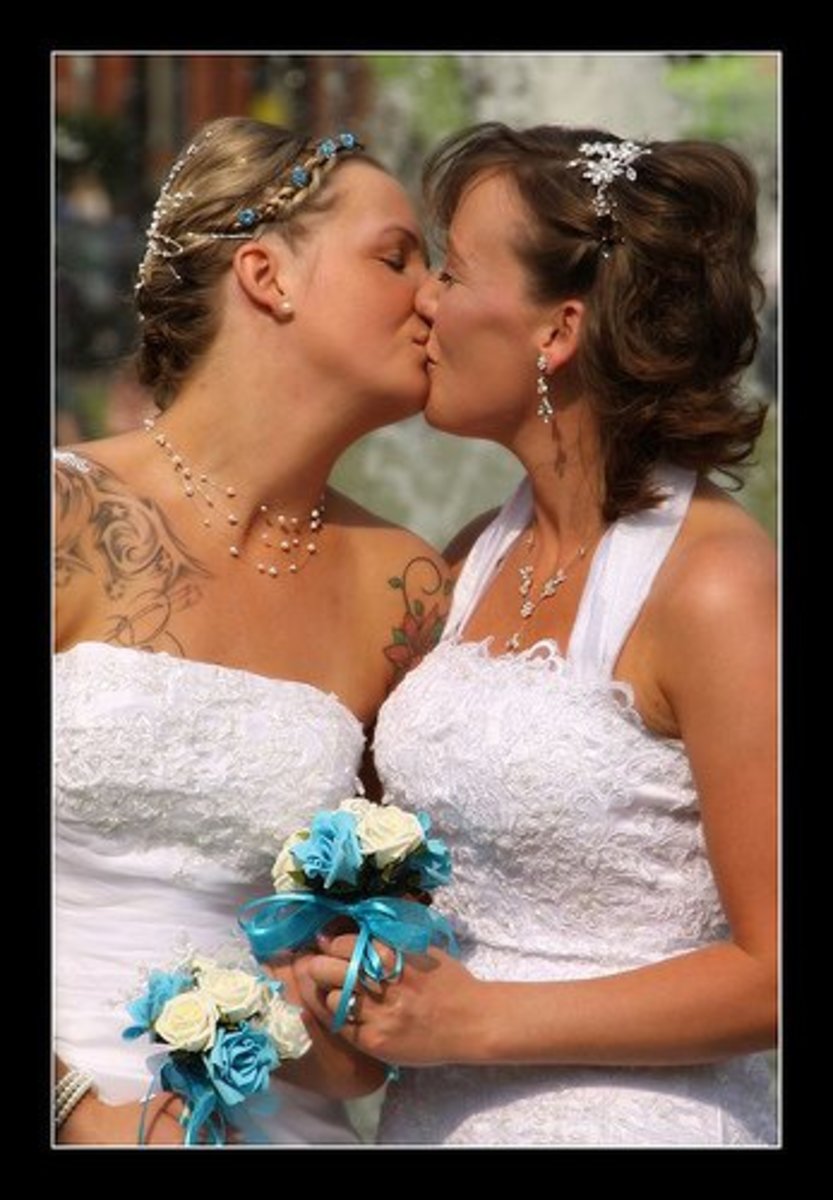
The ancient custom of handfasting has had many forms over the years and can serve either as an engagement ceremony or as a marriage ceremony proper in contemporary Neo-Pagan wedding rituals. The custom of handfasting has also gained popularity with non-Pagans in the places like the gay and lesbian community, with many of the rites and rituals serving well for commitment ceremonies and civil unions.
In one of the original forms, handfastings were betrothal periods for a couple, often lasting a year and a day. This practice is derived in part from ceremonies of the ancient Celts. This time period allowed a couple to better get to know one another and see if the match was a good one, and, in instances were it was part of the marriage exchange, it allowed the man time to earn or gather the dowry price or gifts given to the bride’s family.
If the trial period did not work out, the couple could rejoin and dissolve the union, simply and peacefully. Some traditions made note of the couple returning to the place where they were first betrothed. From this location, they would turn and stand so they were back-to-back and then part, walking away in different directions. If the trial period was considered a success, the couple would then hold a formal wedding ceremony with further rituals and feasting.
Handfasting Ceremonies
There are conflicting claims that handfastings either are or aren’t traditionally done in the month of May, or around Beltane. In modern Paganism, they tend to happen at a time that is significant to the couple. People who are involved in SCA recreations or Renaissance fairs often chose handfastings as part of their betrothals and marriages, and will hold the handfasting ceremonies during group events or fairs to take advantage of having their shared community and the period atmosphere all in one.
A modern handfasting can also be a full legal marriage. The ritual itself is not the issue, just the satisfactory completion of the requirements of the state or location of the wedding. If the person conducting the handfasting has the appropriate credentials and the proper marriage licensing is handled, the handfasting will be a legally recognized wedding ceremony.
What elements form the handfasting ritual might vary widely from couple to couple. As with most weddings, the ceremony and altar could be short and to the point, or a long, elaborate ritual. If the couple practice different facets of Paganism, it’s a good idea to spend some time working out what pieces of both practices you want to combine in the ceremony.
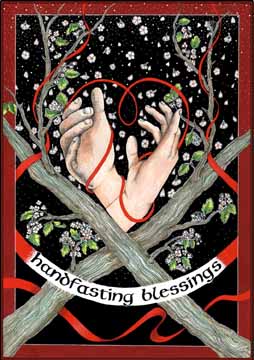
About Handfasting
- CELTIC/NEOPAGAN HANDFASTING
A Celtic/Neopagan handfasting ritual - Circle Sanctuary - Handfastings
A Guide to handfastings - Handfasting - Wikipedia, the free encyclopedia
Handfasting is a betrothal or wedding ritual in which the couple's clasped hands are tied together by a cord or ribbon — hence the phrase "tying the knot". - Handfasting Info - Pagan Weddings, Celtic Ceremonies, Wiccan Marriage and more.
Resources and Rituals for Pagan handfasting - alternative weddings, Wiccan marriage rites and Celtic wedding ceremonies. - Llewellyn Journal - Handfasting
August has now surpassed June as the most popular month in which to get married. But what about those for whom a traditional wedding or civil ceremony does not fit? Begin your new bond with the most spiritually and personally meaningful handfasting c - Historical Handfasting
In order to understand historical handfasting, one must first understand marriage.
Rings, Cords and other Rituals
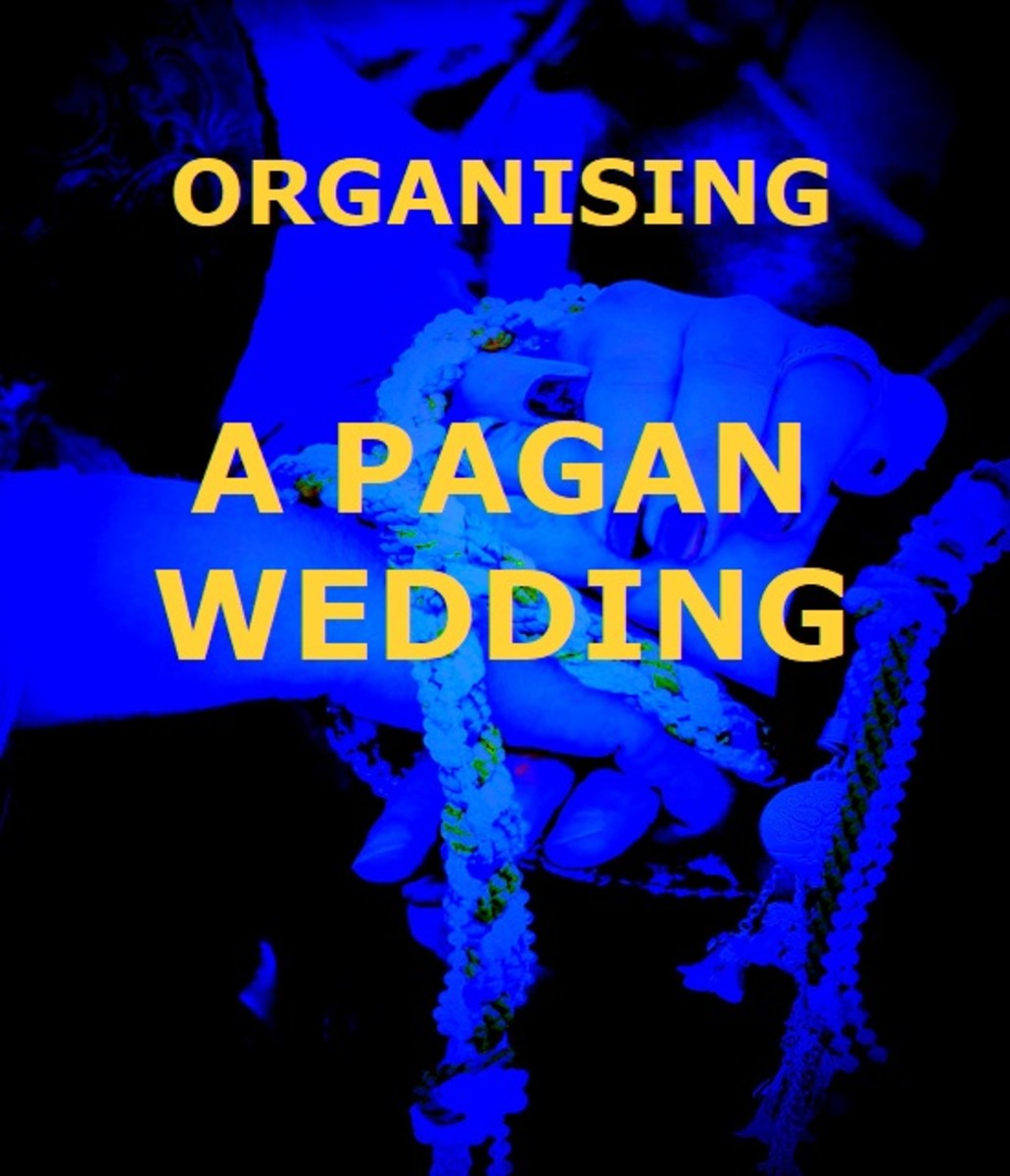
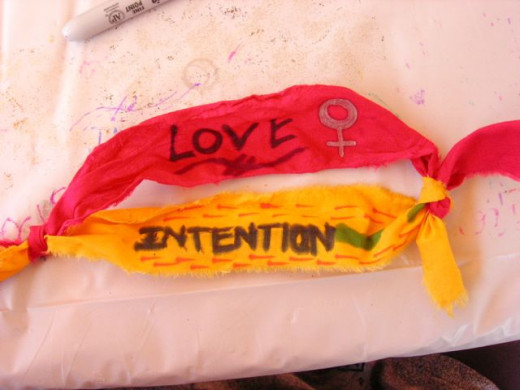
The ritual of handfasting can include whatever sort of symbolic actions you and your partner would like to add to the ceremony. Rings are often exchanged. Many cultures had an actual binding take place during handfasting whereby a special decorative cord was wrapped and tied around the hands of the couple, knotting their lives together.
Incorporating customs like Victorian flower symbolism for bouquets and corsages can add a further magickal touch to the ceremony. Many couples add personal touches to the events, reading each other meaningful quotes or statements, exchanging customized vows and enacting both solemn and silly personal rituals as a way of expressing commitment, solidarity, transition and new beginnings.