Health Benefits of Vitamin C

You may already be familiar with the various benefits you can get from vitamin C, as its popularity mostly stems from our childhood years. I can clearly remember how our mother used to tell us to eat fruits and vegetables as they’re rich in vitamin C. When asked why we need this vitamin, she would just say that it would help build our resistance against diseases.
And how right her answer was – although she could not exactly explain how and why this vitamin could help prevent certain diseases.
So, what is vitamin C?
Otherwise known as ascorbic acid, vitamin C is a water-soluble vitamin that is essential for growth and development. As a water-soluble vitamin, it readily dissolves in water, making our body incapable of storing large amounts of this essential substance over extensive periods. Any leftover vitamin C concentrations are eliminated by the body through the urine. And because of that, we need a continuous supply of this vitamin in our daily diet.
What it does in the body
Vitamin C plays a vital role in the growth and repair of tissues in all parts of our body. It is required in the formation of collagen, an essential protein component of skin, scar tissue, tendons, ligaments and blood vessels. Vitamin C is needed by the body to facilitate wound healing, as well as repair and maintenance of tissues such as cartilage, bones, and teeth.
Vitamin C is also considered as an antioxidant, along with vitamin E and beta carotene. Antioxidants are substances that block the harmful effects of metabolic by-products known as free radicals.
The accumulation of these free radicals over time is considered to be mainly responsible for the aging process. It is also a contributing factor in the development of certain diseases such as heart problems, cancer, and various inflammatory conditions like arthritis. Moreover, antioxidants help minimize the damage to the body caused by toxic cigarette smoke and other toxic substances and pollutants.
Recently found benefits of vitamin C
1. Lower blood pressure
A new study suggests a link between high vitamin C levels and lower blood pressure in young women.
In the Nutrition Journal, Dr. Gladys Block and her colleagues, of the University of California, Berkeley, report that studies in the past have linked high plasma levels of vitamin C with lower blood pressure in middle age to older adults, usually those with above optimal blood pressure readings.
The present study though involved 242 black and white women with ages ranging from 18 to 21 years old, with normal blood pressures, who took part in the National Heart, Lung and Blood Institute Growth and Health Study. The subjects participated in the clinical trial when they were between 8 and 11 years of age. And their vitamin C plasma levels and blood pressure were monitored over a period of ten years.
On the tenth year, the researchers found that both the systolic and the diastolic components of the girls’ blood pressure had an inverse association with their vitamin C concentrations.
When compared with women who had the lowest vitamin C levels, women with the highest vitamin C concentrations showed an approximately 4.66 mmHg drop in systolic and 6.04 mmHg in diastolic blood pressure. Even after the differences in body mass, educational attainment, race, and intake of dietary fat and sodium had been accounted for, this difference was still noted.
Block said that further analytical assessment of ascorbic acid and blood pressure alterations over the past year also provide a strong indication that the people with the highest blood level of vitamin C had the least increase in blood pressure."
However, as these results suggest a probable link between ascorbic acid and blood pressure in healthy young adults, Block and her team recommend that further research be done in this particular group.
2. Lower risk of gout
The findings of a new study reveal a 45 percent reduction in men’s risk of having gout with 1,500 milligrams of vitamin C intake.
Out of the almost 47,000 men participants who were studied for over 20 years, 1,300 developed gout. The researchers found that compared with men who took in less than 250 milligrams of ascorbic acid a day, the risk was lower by 17 percent among those who had a daily vitamin C intake of 500 to 999 milligrams; 34 percent below for men who consumed 1,000 to 1,500 milligrams a day, and 45 percent lower for those whose ascorbic acid intake was at least 1,500 milligrams a day.
From the findings you could observe that the higher the amount of vitamin C intake the participants took, the lower their risk of developing gout. The researchers estimated that for every 500 mg increment in ascorbic acid intake, gout risk dropped 17 percent.
Dietary Sources of vitamin C
The body does not produce its own vitamin C, and neither does it have the capacity to store this essential nutrient. Thus it is vital that we incorporate vitamin C-rich foods in our daily diet.
But that is quite easy to do as all fruits and vegetables contain certain amounts of vitamin C. Among the foods that are rich in ascorbic acid include:
- green peppers
- citrus fruits and juices
- strawberries
- broccoli
- tomatoes
- turnip greens and other green leafy vegetables
- cantaloupe
- sweet and white potatoes
The following are also considered rich sources of vitamin C:
- mango
- papaya
- brussels sprouts
- watermelon
- cabbage
- red peppers
- raspberries
- winter squash
- pineapples
- blueberries
- cranberries
- cauliflower
Side effects
Because ascorbic acid is a water-soluble vitamin, the body cannot store excessive amounts of this vitamin. Thus, vitamin C toxicity very seldom occurs. However, it is not advisable that you take more than 2,000 mg/day of this vitamin as it can lead to digestive problems and diarrhea.
On the other hand, insufficient vitamin C levels in your system can cause your body to experience the following symptoms of vitamin C deficiency:
- Hair dryness with split ends
- Inflammation of the gums (gingivitis)
- Gum bleeding
- Rough, dry, scaly skin
- Slow healing of wounds
- Easy bruising
- Nosebleeds
- Weakened tooth enamel
- Swelling and pain in the joints
- Anemia
- Weak resistance against infection
- Weight gain may result due to decreased metabolic rate
Scurvy is a condition characterized by impaired collagen synthesis occurring as a result of severe vitamin C deficiency. This condition usually affects older adults who are malnourished, although it can also occur in infants (infantile scurvy). It is characterized by pathologic changes in organs and tissues that contain collagen such as skin, cartilage, teeth as well as capillary blood vessels. Bone involvement though is typically seen in infantile scurvy, as pathologic changes are usually manifested during periods of rapid growth of the affected tissues.
Recommendations
To get the daily requirement of essential vitamins including vitamin C, eat a well-balanced diet containing various food groups from the food guide pyramid.
Since vitamin C is water-soluble, and therefore cannot be stored in the body for future use, it should be taken everyday to replenish our body’s supply of this important vitamin.
The Institute of Medicine’s Food and Nutrition Board issues the recommended dietary intake of vitamin C for the following age groups:
Infants and Children
- 0 - 6 months: 40 milligrams/day (mg/day)
- 7 - 12 months: 50 mg/day
- 1 - 3 years: 15 mg/day
- 4 - 8 years: 25 mg/day
- 9 - 13 years: 45 mg/day
Adolescents
- Girls 14 - 18 years: 65 mg/day
- Boys 14 - 18 years: 75 mg/day
Adults
- Men age 19 and older: 90 mg/day
- Women age 19 year and older: 75 mg/day
Pregnant or breastfeeding women and people who smoke need to take greater amounts of vitamin C. To know what’s best for your specific needs, be sure to seek your doctor’s advice.
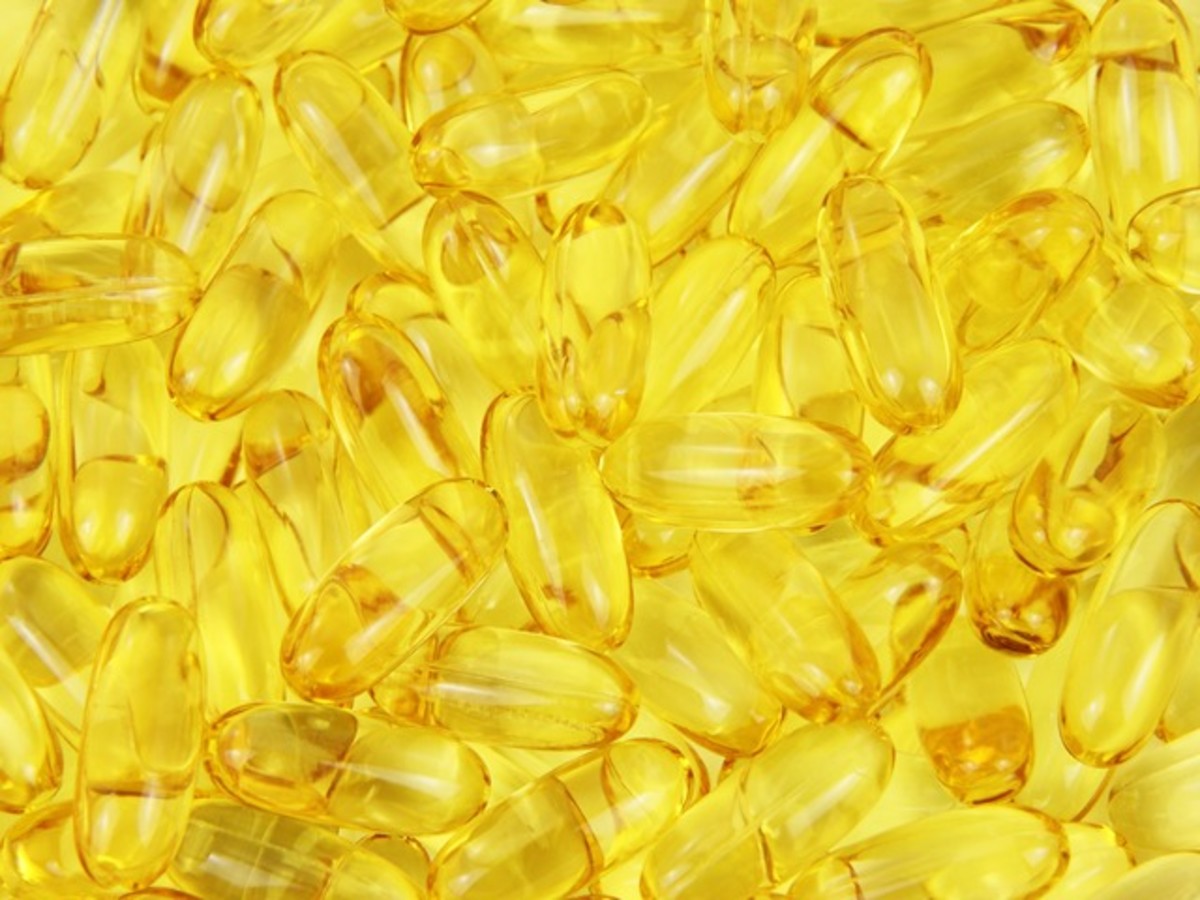
Vitamin C supplements can also be taken to ensure that you get sufficient amounts of vitamin C. Adults can take around 500 mg everyday and kids can usually do better with at least 100 mg of daily ascorbic acid supplement. These doses are often increased by doctors during illness, after surgery, or recuperation, pregnancy, or breastfeeding.