- HubPages»
- Health»
- Diet & Weight Loss»
- Healthy Diets
Some Simple Steps To Lower High Blood Cholesterol

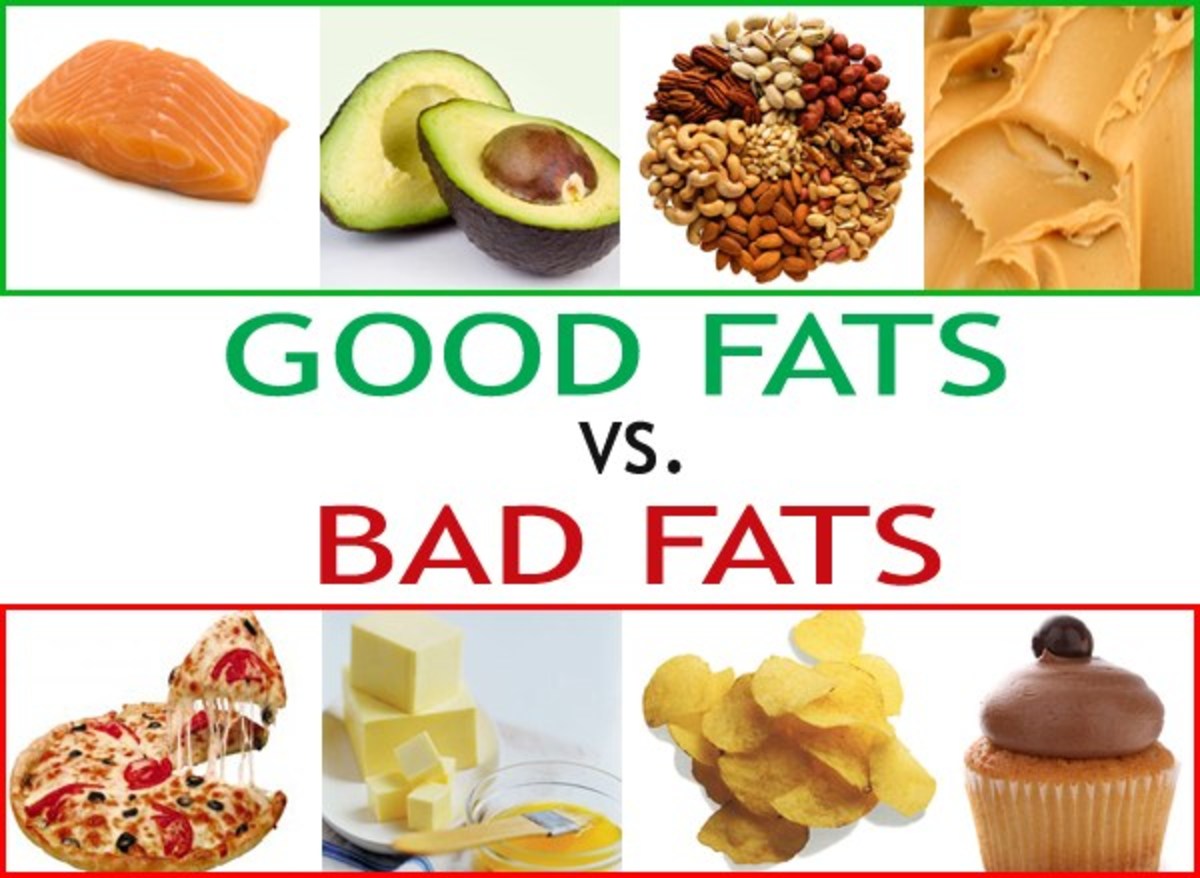
For decades we’ve been told to watch our diet for high cholesterol. We were warned to avoid fatty foods, and stay away from high cholesterol foods at all costs. We diligently said no to the cholesterol laden foods like shrimp, eggs and butter. We weren’t wrong to do so, but in recent years there have been new ideas on the subject of the best diet for high cholesterol.
The new line of thought is that dietary cholesterol isn’t the gastronomical villain it was once thought to be. That’s not a green light to go crazy, by any means. You still have to watch out for high cholesterol foods, but the updated data suggests that saturated fats and trans fats will raise your serum cholesterol levels far more than the actual cholesterol content in the foods we eat.
Here Comes The Catch
It's true that some people can eat high cholesterol food without fear, while others need only one small bite to send their lipid levels to the moon. If you're one of the lucky few, you shouldn't start your happy dance just yet. There's a great equalizer here, and its name is saturated fat. Cholesterol is only found in animal based foods, which is also where the majority of saturated fat comes from. That means if you're one of the lucky cholesterol resistant folks, the saturated fat is still right there waiting for you.
If you're one of those who have to be careful about fatty food, high cholesterol and saturated fat can team up and deliver a double whammy. You still need to read labels and try to strike a healthy balance in creating your diet for high cholesterol.
Saturated Fat and High Blood Cholesterol
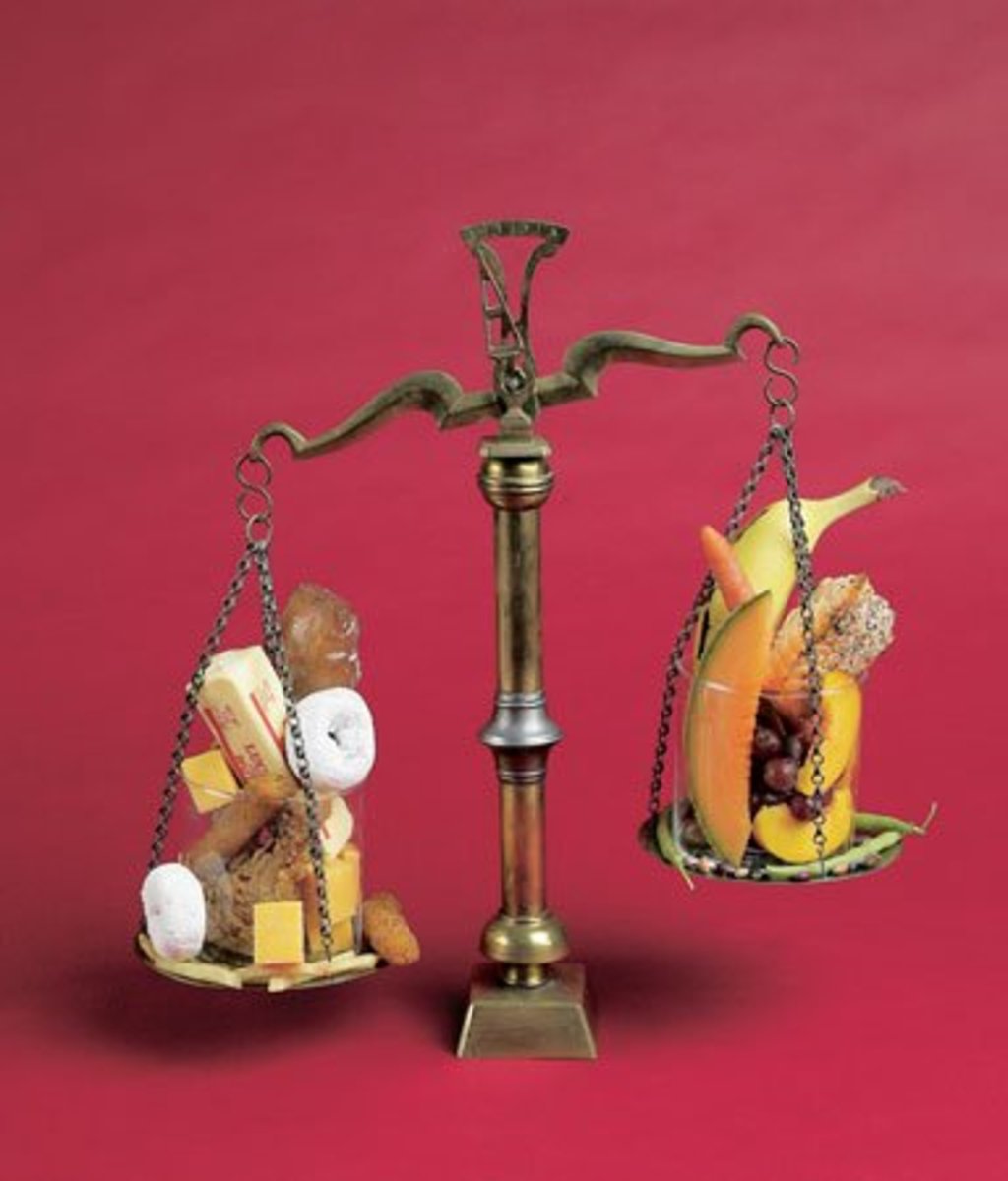
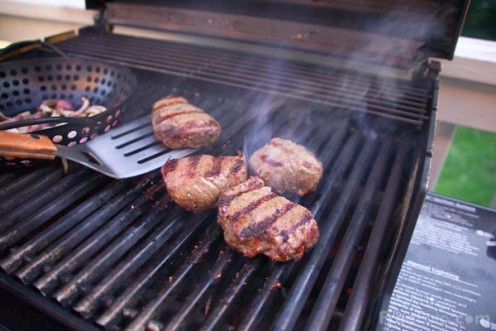
Your diet for high cholesterol should limit saturated fat. You can avoid a lot of the saturated fats and high cholesterol with a little knowledge and by making wiser choices. You don't have to completely eliminate red meat, for instance. You should, however, eat it less often and select leaner cuts. Watch those serving sizes, as well. That piece of roast beef shouldn't cover half of your plate. A more heart friendly serving is about the size of a deck of playing cards. If that seems small, there's no harm in taking an extra serving of veggies, as long as they're not swimming in butter. In fact, a healthy diet for high cholesterol will lean heavily toward the vegetable portion of the nutrition pyramid; and no, french fries don't count as veggies.
The Skinny On Trans Fats
Trans fats have been getting a lot of bad press lately, and rightly so. They're not new, but a lot of people still don't know what they are, how they affect their health, and why trans fats have no place in a diet for high cholesterol.
To understand why they're so bad, you need to understand a little bit about how blood cholesterol works. You should already know that there is good cholesterol (hdl), and bad cholesterol (ldl). You probably also know that your hdl should be above a certain level, usually 40 mg/dl; and your ldl should be below 100 mg/dl. It doesn't end there, though.
For optimum health, these two numbers should remain within a certain ratio. All of these numbers are easily determined by a blood test called a lipid panel. It's a quick and easy test that you should have done about every five years. More often if you already have a problem with high cholesterol. Your doctor will discuss your test results, go over the numbers, and explain your ratio to you in detail.
Here's where it gets interesting. Saturated fat will raise both your hdl and ldl cholesterol levels. Your lipids will still be elevated, but your ratio may stay intact. It's not healthy, but it could be worse.
Trans fats, on the other hand, will raise your ldl, and lower your hdl. That's why there's so much hype. If your good cholesterol and bad cholesterol numbers get too far out of ratio, you're at much greater risk for a heart attack or stroke.
How To Find Trans Fats
A lot of products claim to be low in trans fat, but you can't always believe the claims. You need to read the labels carefully. You're not going to see the words "Trans Fat" in neon, with circles and arrows, but if you know what to look for, trans fats are clearly listed in the ingredients. If you see the words "hydrogenated" or "partially hydrogenated", you're looking at a trans fat.That doesn't mean you should run away in fear. Armed with this knowledge, you can see at a glance which foods fit into your diet for high cholesterol and which ones to eat in moderation.
Diet For High Cholesterol
We all know that high cholesterol causes heart disease, coronary artery disease, strokes and plenty of other scary issues; but that's no reason to live in fear. A healthy diet and a little common sense will do a lot to lower cholesterol without having to resort to cholesterol lowering drugs. As a rule of thumb, a healthy diet for high cholesterol includes 7-10% calories from fat, unless you already have high cholesterol. If you do, then you should keep it below 7%.
Fiber also plays a crucial role in keeping your numbers in ratio. The specific requirement varies, depending on your age and gender, but the average recommended fiber intake for a healthy diet for high cholesterol is in the range of 20-40 grams a day.
Quit Smoking!
Yup, you've heard it a thousand times. Smoking is bad for you; but it's even worse if you have high cholesterol. Smoking narrows you blood vessels and raises your blood pressure, creating a deadly combination when you add high cholesterol to the equation. Smoking is not healthy under any circumstances, but if you have high cholesterol, you should definitely quit smoking now.
Good Luck With Your Diet For high Cholesterol!
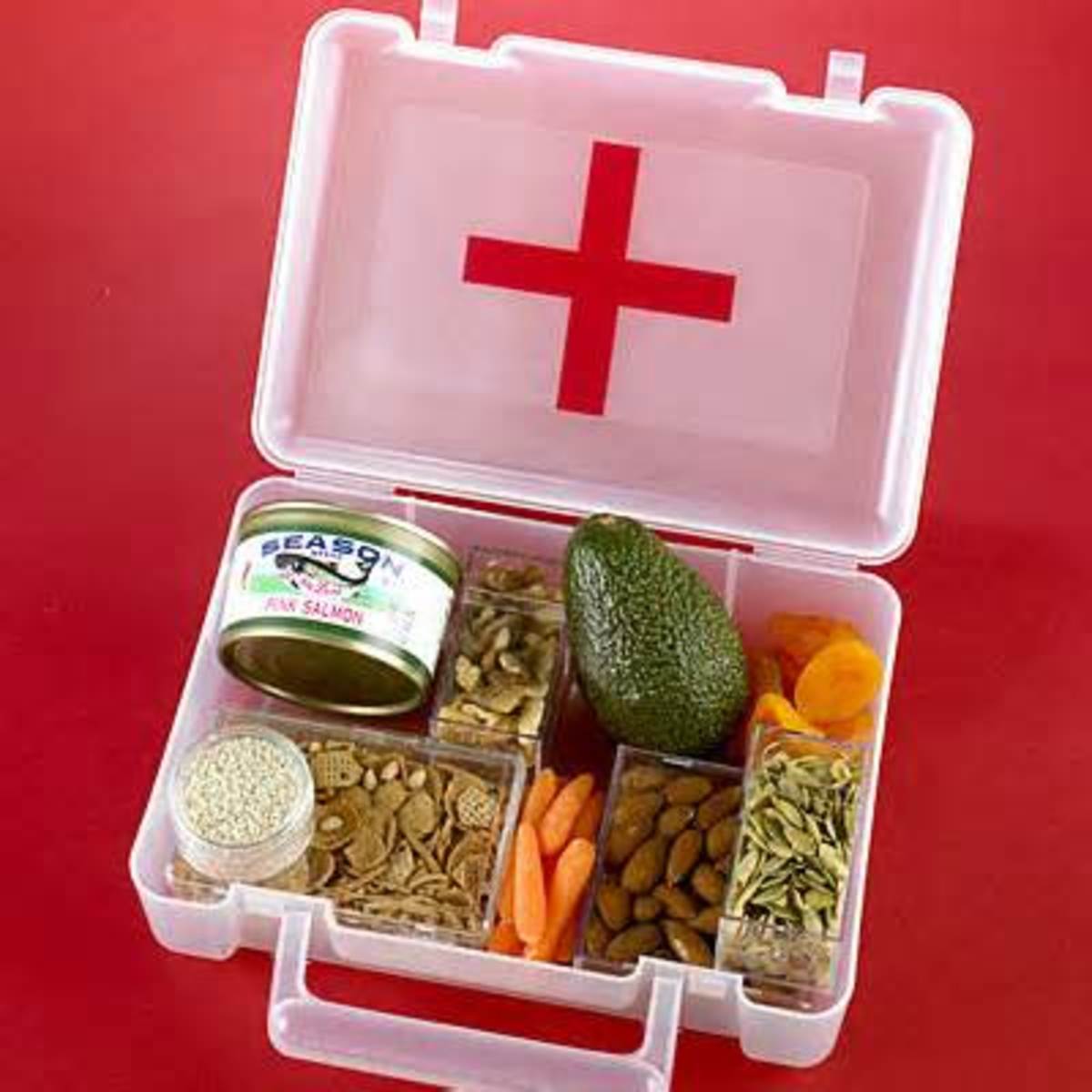
Creating your diet for high cholesterol can sound overwhelming at first, but it's not as scary as it sounds. Unless you're in immediate danger, or have already had a heart attack, try not to make big, sweeping changes to your diet. Chances are you'll get frustrated and quickly give up. Your best chance for success at following your personal diet for high cholesterol is to make small, manageable changes to your diet and your lifestyle; slowly introducing exercise and healthier foods, and replacing foods high in cholesterol with some of the known foods that lower cholesterol. By following these simple rules, and your doctor's advice, you can naturally keep your bad cholesterol low and your good cholesterol high without giving up the foods you love.
For More On Cholesterol And Other Important Issues:
- Health Benefits Of Peanuts-Peanuts and Diabetes, Cholesterol, Triglycerides and Cancer
Whether you like them in the shell, dry roasted, or as peanut butter,peanuts are a healthy snack. They are packed with protein, as well as vitamins and minerals essential to your good health. - Lower Triglycerides For A Healthy Heart
While the evil specter of high cholesterol is busy grabbing headlines, triglycerides quietly claim thousands of unsuspecting victims each year. In recent years, science has determined that high triglyceride... - Dangers of High Triglycerides: Things my doctor never told me
Everyone talks about cholesterol, but you don't hear much about its equally important counterpart. Triglycerides make up a significant portion of the fat that occurs naturally in your blood. If yours are too...