Home Studio Microphones

Home Studio Microphones On a Budget.
If you're a musician and have thought about recording some of your music, you've probably been wondering what's the best home studio microphone for you. Their are plenty of options ranging from the really cheap to insanely expensive. If you're like me, you're on a budget and want to get a good sound without spending a huge amount of money on your microphone. Luckily, with proper microphone technique you can buy a home studio microphone for under a hundred dollars and get a good clean recording. Microphone placement and the quality of your room can can contribute greatly to the audio quality of your recording.
Don't imagine that you're going to buy a $20 Logitech USB microphone and get a super clean, professional sounding recording. You'll need to know a lot about mic placement and acoustically treating your room. It's easier to buy a little more expensive mic, because it gives you a little more "wiggle room" with mic placement and room quality.
Don't worry if you're not a professional, I'm not going to make this hub overly technical, I'll keep the language simple for those that don't know what polar pattern, or DAW means. I'll try to explain, in layman's terms what are some of the things you should look for and expect from your microphone.
Using Your Computer As Your Studio
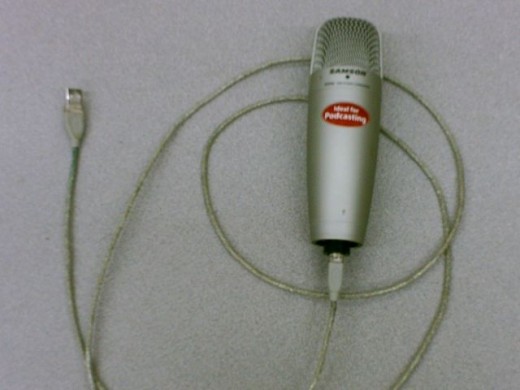
I'm going to assume that you'll be using your computer for recording. Most people have one, and there's no need to buy dedicated audio hardware if you can use a tool you already have. I'll just go ahead right now and tell you what I recommend if you're going to buy only one microphone and you want to keep things under $100. I recommend that you look for a USB condenser microphone like the Blue Snowball, Samson C01U, or the MXL 990. The MXL retails for $99 online with case and desktop stand, the Blue and Samson, are between $70 - $90 online depending on sales/promotions. The USB mic is basically a plug and play microphone for home recording.
Setting Up a Condenser Microphone
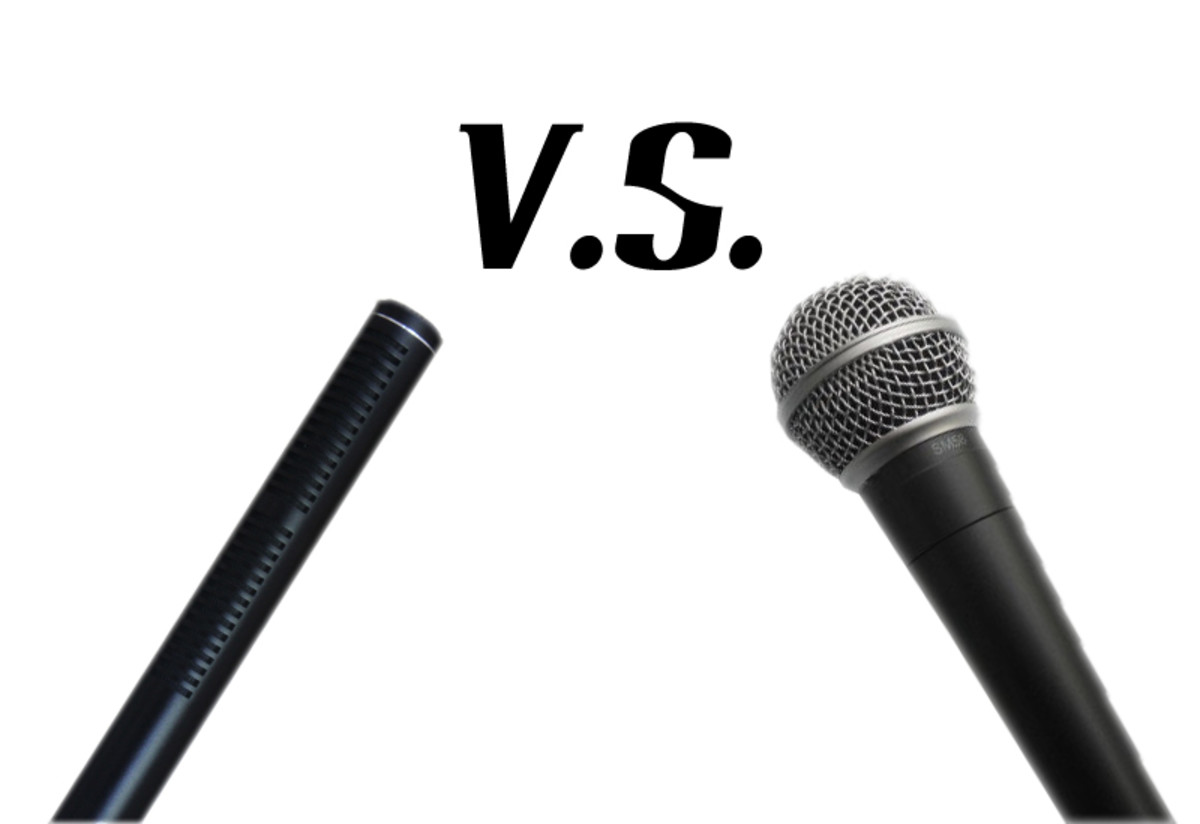
Dynamic Microphones vs. Condenser Microphones
Dynamic microphoness are well suited to recording in many live situations because they can handle loud audio signals, and are good at rejecting sounds that are off axis. This simply means that they pick up what is directly in front of them, and not sounds coming from the side or back. You'll hear it referred to as off axis rejection. That's useful when you're a vocalist on stage and you're standing next to a loud electric guitar or drums. Dynamic mics are also a common choice in the recording studio for electric guitar, drums or other loud sources . Many times the mic will be placed against the grill of a guitar amp, just inches from the speaker cone or a few inches from drumhead.
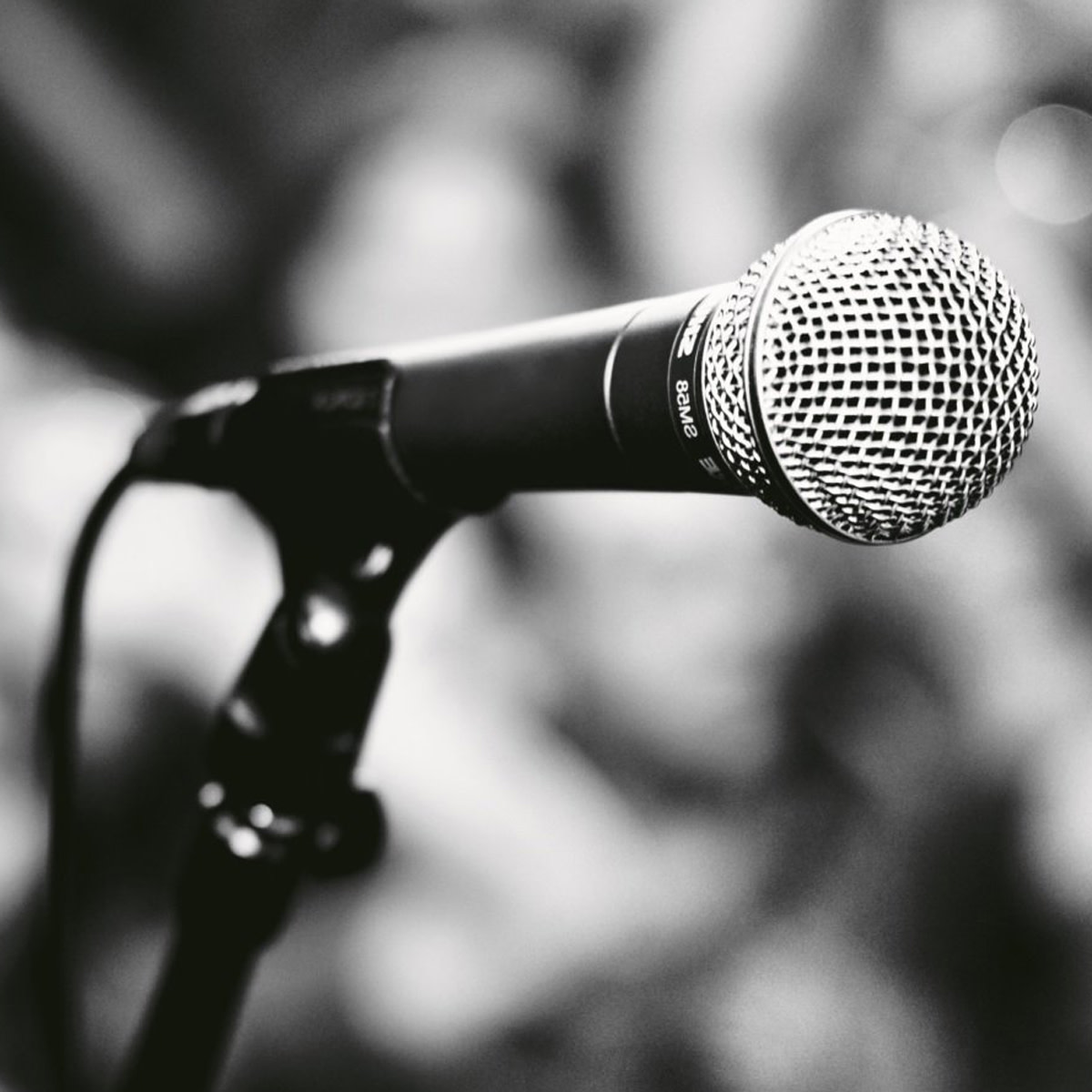
Dynamic mics are not as well suited for soft instruments when you want to capture a more delicate instrument like acoustic guitar. I've heard recordings of acoustic guitar with a Shure SM57. They sounded ok, but they didn't have all the nuances a guitar makes, pick noises, finger slides, etc. For that a condenser mic is a better choice. A lot of studio vocals get recorded with a Shure SM57, it's good for a vocalist with a powerful voice. You can also use the Shure SM58 it's just a 57 with a pop filter. I was told that by a Shure rep.
Condenser mics tend to be more expensive are more delicate, but can capture softer sounds, and sound more realistic. Condenser mics come in different forms, some of the directional condensers look like dynamic mics, like the one pictured, others look more like what you think of when you think of a recording studio, or radio broadcast studio. One way in which dynamic mics differ is their sensitivity, they are able to pick up more nuance in an audio source, something you might not want on a loud stage. However there are manufacturers starting to make condenser mics that are able to handle loud sounds and have more of the characteristics of a dynamic mic, like the ability to handle louder sounds, and reject off axis signals.
Because of their sensitivity, condenser mics will tend to distort at sound levels that dynamic mics can easily handle. That doesn't mean that they can't be used for loud sounds, many are designed to handle higher sound levels, and for those that can't judicious placement will allow them to perform well. I've recorded drums with a condenser, it's worked well with careful mic placement.
USB Condenser Microphones: Why I Recommend Them For Beginners.
A lot of people will give you good advice when you ask them what sort of home studio microphone to buy. I've seen lots of people say right off the bat "get a Shure SM57". It's a great mic to be "sure", but it won't do the job by itself. You'll need some sort of digital audio interface to make it work with your computer - the same goes for any other non-USB microphone. So here's why I think USB condenser microphones are the best choice for a home studio microphone on a budget.
- You don't need any extra audio hardware
- They're sensitive enough to pick up the nuances of vocals or guitar.
- They interface with most computers and recording software.
- They're all under $100
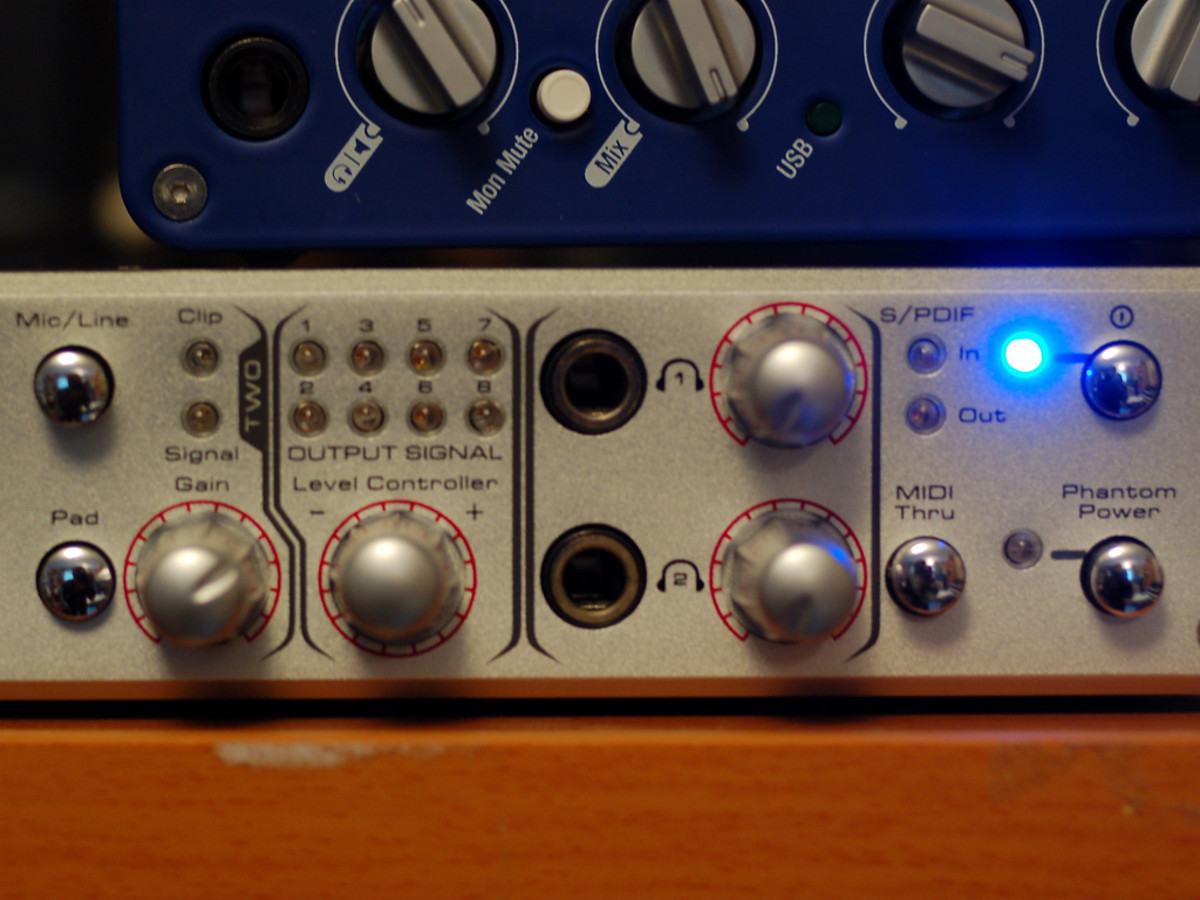
USB microphones are plug and play, that means there is no additional cost. You won't need any sort of converter. Your computer sound card is more than likely not up to the task. You'd need a professional audio sound card or external digital audio workstation that features low recording/playback latency, XLR and 1/4 inch outputs and studio grade fidelity. With a USB you won't need any of that.
A condenser microphone is sensitive to quiet instruments like acoustic guitar. They can also pick up the sound of your room to give a "natural" sound. If you'd like to record yourself singing and playing guitar, they're great for that. The Samson and Blue, both have switchable polar patterns. That means you can set them to pick up sounds directionally (those straight in front of them), or sounds from all sides. Polar patterns in microphones is a whole other hub so I won't get into the technical side of it here.
Now I haven't really gotten into what software to use, or computer specifications, microphone placement or anything like that. All of those are things that can affect the sound of your recording (microphone placement especially), but each deserve their own hub.
Just to show you what a sub $100 home studio microphone can do, here is a song I recorded with a friend of mine. It's recorded entirely with the Samson C01U and Garageband. Warm Embrace