- HubPages»
- Pets and Animals»
- Dogs & Dog Breeds»
- Dog Health
How do pets get worms?

There are more than a dozen different types of worm that can infect your cat or dog: roundworms, tapeworms, hookworms and whipworms, ranging in size from just 5mm to a frightening 5 metres.
If that makes you squirm, imagine how your pet would feel!
Parasitic worms infect most cats and dogs at some time in their lives. They can damage you pet's health - and worse still, your family's!
Some worms can infect people, and their larval stages can cause a number of health problems - with children being most at risk. That's why every responsible pet owner should make regular worming part of their pet-care routine.


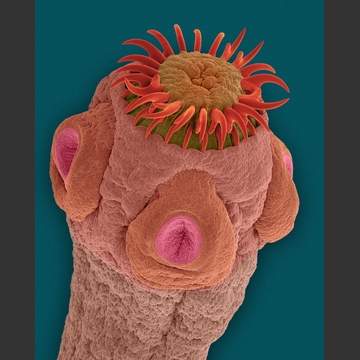
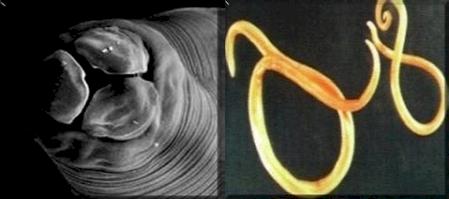
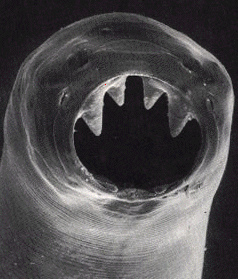
How do pets get worms?
Contaminated soil
Worm eggs and larvae are passed in the faeces of infected animals, and some can survive in the soil for a year or more.
Foxes are particular worry. They can spread worms if dogs come into contact with their drippings.
From fleas
Fleas can be infected with tapeworm larvae, and pets can easily swallow fleas while grooming themselves.
By hunting
Cats and dogs can be infected with tapeworm as a result of eating small mammals, such as mice and rabbits. Roundworms can also be transmitted in this way, including when cats eat birds.
By scavenging
Some tapeworms infect grazing animals such as sheep and they can be dangerous to human health. Never let your dog off the lead in sheep-farming areas, as they will be at risk if they find a carcass upon which they may feed.
How often should we treat for worms?
It's difficult to prevent worm infection, so it is a good idea to treat your cat or dog regularly for worms.
If you worm at least 3 months, it will help keep your pet healthy, and importantly, vastly reduce the number of worm eggs shed into the environment.
Hunting cats are especially susceptible to tapeworm infections because of the animals they catch, such as mice and birds.
Tips
- A few ways to reduce your pet's chances of getting a worm infections:
- safe disposal of dog or cat faeces.
- Rigorous kennel hygiene.
- Routine flea control, including the animal's environment.
- Worming of all newly acquired pups and kittens.
- Preventing scavenging of carcasses.
- Correct feeding (ie. avoid unsterilised pet food)