How to Improve a Dry Landscape

When the Land is Dry
Having lived in some erratic weather conditions and seeing the yards and parks dry up and die for 6 months/year, I looked into Nevada landscaping trends that could be applied to the Midwest as well.
Not all of the techniques used around the Las Vegas area can be tranferred to the eastern half of the US, but many work quite well in bringing and holding additional moisture and shade to our homes and gardens.
Interestingly, some roses will grow in hot, dry climates - Modern Roses for 21st Century Gardens
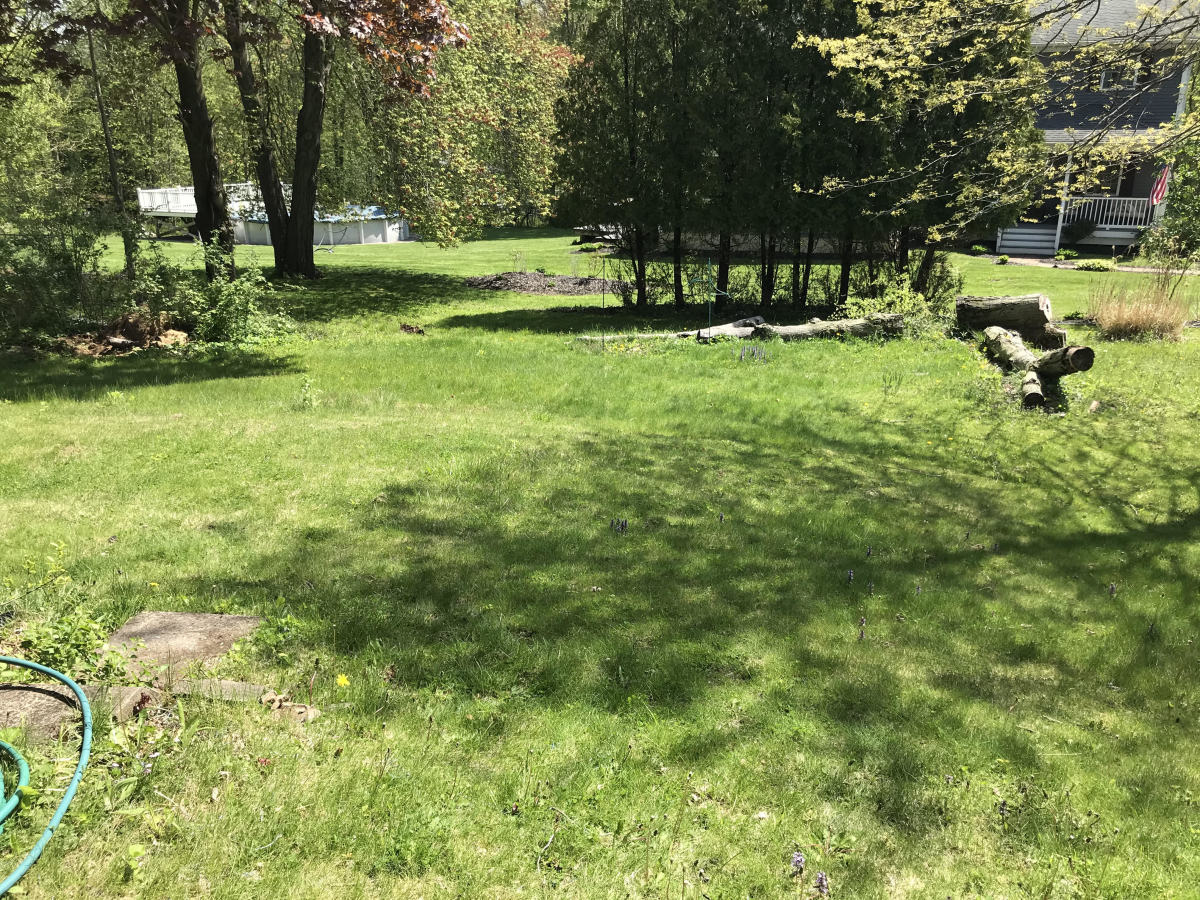
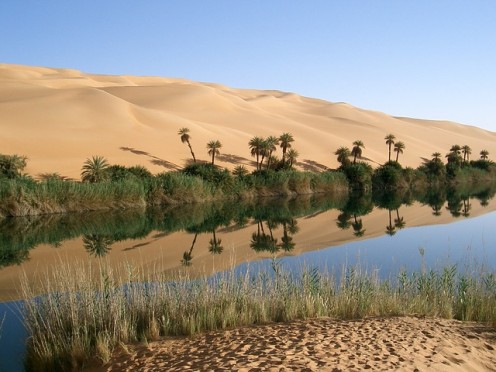
Does your yard look like this?

Planning for a Better Yard and Garden
If your landscaping is dry much of the year, or at least throughout the summer, you can use native plants to beautify your yards awhile attracting and holding moisture and creating much needed shade. To purchases the correct plants and trees for your local climate conditions, consider these ideas:
- Know your local climate – temperatures, rainfall, etc.
- Know your soil – Is it acid? Sandy? Rocky? Clay? Loamy?
- Know your local water situation and be aware of the likelihood for summer prohibitions of watering yards and gardens.
- Choose plants bred for your local climate and soil, preferably native plants.
- Choose plants that conserve water and fight soil erosion.
- Plant correctly and provide enough appropriate follow-up care.
Next, think about ways to plan shade and moisture reserves for the times in which watering may be prohibited:
- Porous materials soak water into the ground, so you can use bricks, mulched pathways, and porous stepping stones and driveway materials.
- Plant shade trees and use trellises and vines on west and south sides of your house.
- Dig plant beds lower than lawn surfaces and mulch to hold water.
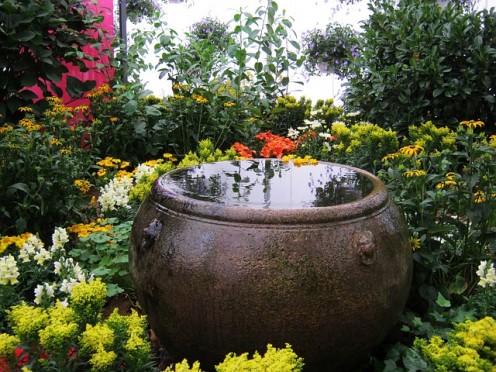
- Use rain barrels -a spring or summer storm can produce a lot at once. Moreover, short rain barrels can be attractive and you might float a water lily or even floating candles for warm nights.
- Keep water accessories practical, such as recirculating fountains that conserve water.


What Plants and Trees Should I Choose?
After all of this though and planning, walk around your property and have a good look. Draw a sketch of the landscape and how you’d like it to look, including trees, plants, and barrels to catch water runoff form rain on roofs. Remember to leave room between plants to grow. Mulch is manufactured in earth tones and porous stones come in gray, brown, red and black. Repeat your colors in a bench and a patio table top of granite, marble, tile or artificial stone for a cool place to enjoy your landscape.
Choose fast-growing shade trees that thrive in full sun and a variety of soils. The American Sycamore is good for its visual splendor and growth rate up to 6’ per year. Adaptable to most soils and climates, its large green leaves turn golden brown in autumn, reaching up to 70’ tall and 50’ wide at maturity. Producing white bark in the winter, it is attractive throughout the year and at about $20-25, it is a good buy. Find a nursery that has a replacement guarantee on its trees and you can plant with confidence.
Other good choices include the brilliant Red Rocket Crape Myrtle that will reach 30’ by 15’. It produces dark red blooms for 100 days a year and is highly drought resistant. Red Maples are adaptable to many soils and climates, with red blooms in spring. They reach 60’ x 40’ and grow up to 3’ per year. Royal Paulownia is the fastest growing tree, with up to 12’ growth the first year. Its fragrant lavender spring flowers are fresh and beautiful. Another good choice is the Empress Tree that can grow in drought and thrive in even diseased soils. Reaching 50’ x 40’, it is almost impossible to kill. If you like yellow, choose the Tulip Poplar with its yellow blossoms and fragrant nectar to bring aroma to your landscape. It reaches 90’ x 50’. All of these are similar in price to the American Sycamore.
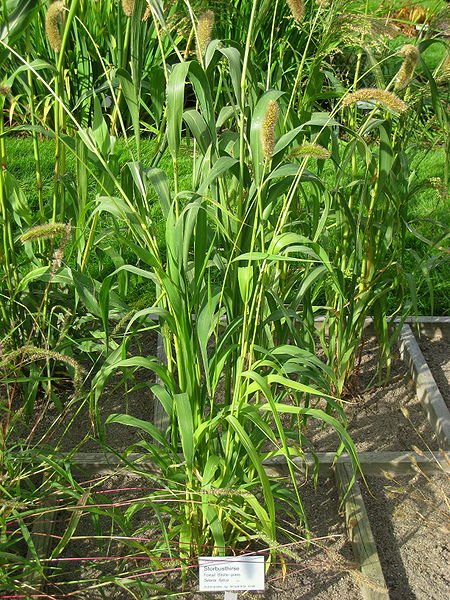
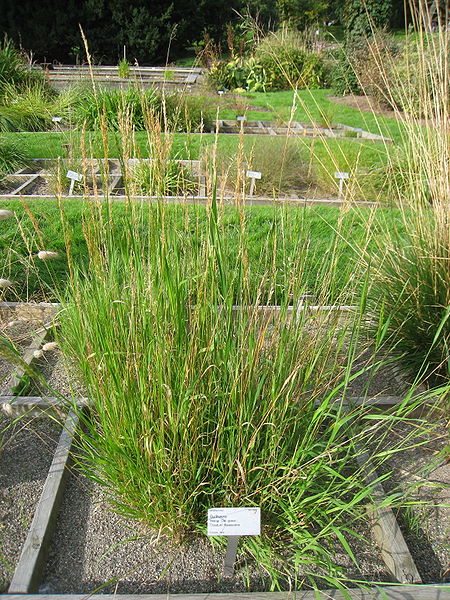
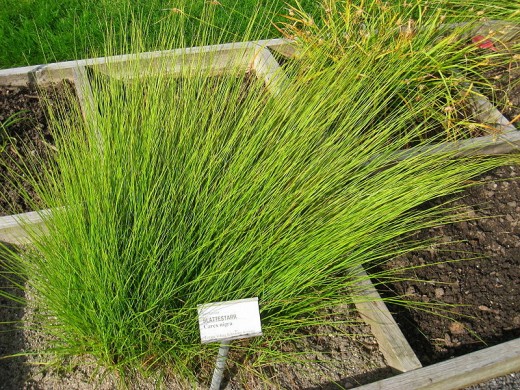
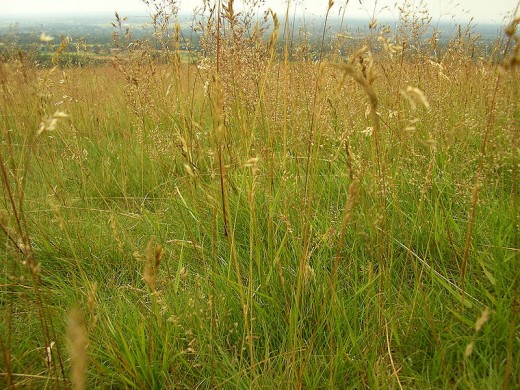
Prairie grasses add interesting visuals as well as shade. Easy to maintain perennials, they crowd out weeds and like hot, dry weather; so watering is unnecessary except when young. Attracting birds and butterflies, some choice grasses in blues, greens, and burgundies reaching 2’ to 20’ high are Little Bluestem, Shenandoah Switch Grass, Variegated Miscanthus (Morning Light), Northern Pampas Grass (and other pampas grasses), Indian Grass, and Heavy Metal Switch Grass.
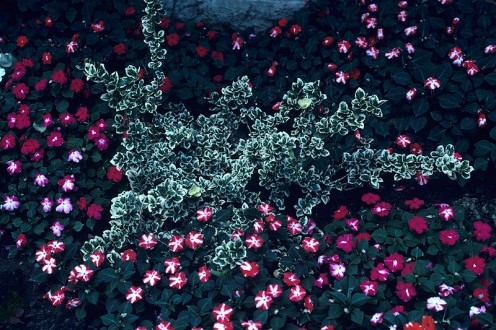
Finally, water-holding ground cover spreads 2’ and more and includes the greens, yellows and purples of Oriental Limelight Artemisia Hybrid, Silver Mound Artemisia schmidtiana, and Purple Wintercreeper Euonymus (20‘ spread). They are similar in cost to prairie grasses.
Planting Suggestions
Trees
- Koelreuteria paniculata Golden-rain tree
- Maclura pomifera - Osage-orange
- Robinia species - Locust species
- Sassafras albidum - Sassafras
- Sophora japonica - Japanese pagoda tree
- Ulmus pumila - Siberian elm
Shrubs
- Barberry
- Flowering quince
- Broom type species
- Russian olive
- Common witch-hazel
- St. Johns Wort
- Juniper
- Bayberry
- Sumac
- Prairie rose
- Yucca species - especially Adam's needle
Solar Accessories

Plants and Watering Techniques to Use in Dry Landscapes
When landscapes become too dry for your plants to thrive, it is usually because of a specific soil texture or the fault of inadequate rainfall and/or a dry climate. Considering soil textures, elevated sand content increases soil drainage, resulting in the loss of moisture because water is no absorbed as much by the sand as the surrounding soil. Silt loam soils naturally retain water, while clay loams can alternate between too dry and even too wet. Boosting landscape soils with organic material helps both silt and loam based soils to hold moisture. In order to boost the soil for water retention, mulch around plants with peat moss, various types of bark and/or compost, whether commercial or homemade. Applying mulch just after planting shrubs and trees to a depth of at least 2 inches will also help to retain more water for your plants needs.
When rainfall is unpredictable, infrequent, and/or light for prolonged periods, landscape plants land grasses need extra water to prevent desiccation, in which the amount of water lost by a plant exceeds that absorbed by the roots. In short, the plant dries out in the heat, withers and dies.
Water should be added to completely hydrate the root areas of your landscape plants; the amount depending on sizes and species of plant. At least one inch of water is needed weekly and if it fails to rain for several weeks, that amount will increase and you can call your County Extension Office to find out how much water to add to your own specific plants.
As an option to the garden hose, the watering can, and the bucket brigade, various sizes of irrigation systems are good for dispensing water. A garden hose is not usually best for applying water to woody stems, because the high pressure can break the stems and result in large surface water run-off as well from an overly fast flow. One effective system is called drip or trickle irrigation that uses the operation of a slow trickle over a longer period of time to allow for absorption, rather than the strong, quick flow from hoses that is lost before it can soak into the soil.
Garden centers stock home garden irrigation systems that connect to your outside faucet and dispense low water pressure. They use plastic lines that are set among the plant and flower beds with an emitter placed by each large plant. An attached timer turns on the trickle and causes water to seep into the surrounding soil for a selected time period and then automatically shuts down, saving water and work, along with your plants.
Local Advice
Check with your local garden center and County Extension Office on your plant and tree selections and ask their advice for your landscaping needs as well.
County Extension services are free for the asking and many of these offices are associated with local universities and colleges, providing websites that offer free fact sheets.
© 2008 Patty Inglish MS MPH