How to Use Bitter Melon (Bitter Gourd)

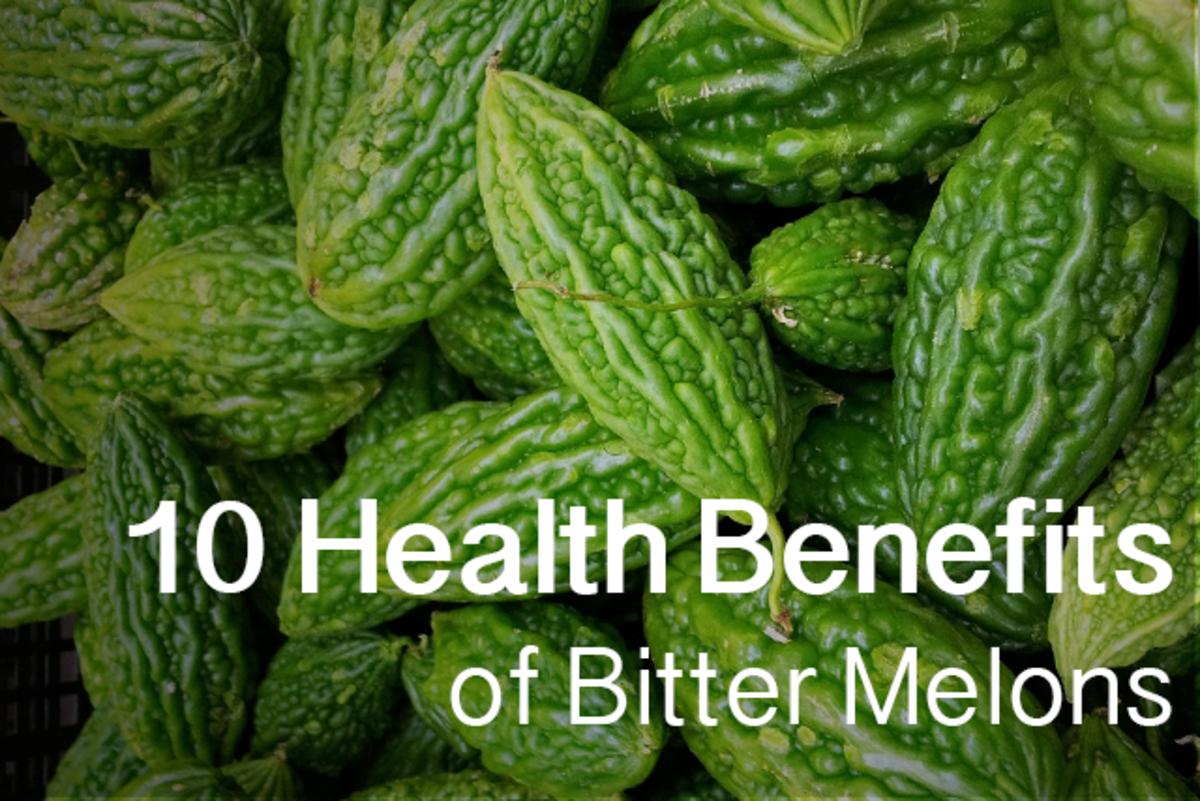
Fresh bitter gourds
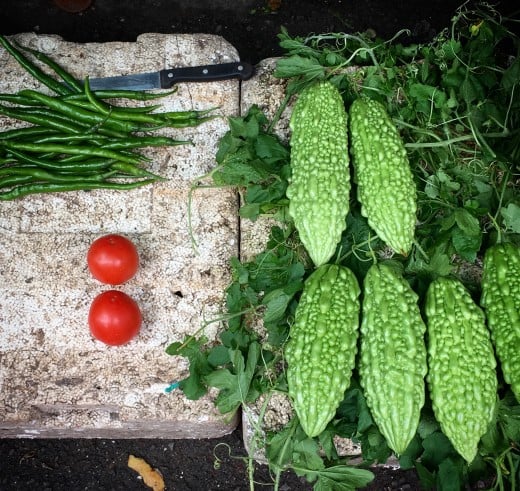
What is Bittergourd
India is a land of Ayurveda. Bittergourd (Bitter melons), a vegetable bitter in taste, is widely used by Indians. It is also called as Karela, and some parts it is called as Parkka Pitla. It belongs to the same family of squashes and usually before ripening.
The scientific name of bitter gourd is Momordica charantia. It is among the most bitter of all vegetables with seeds covered in bright red pulp. Apart from India, it is also cultivated in Srilanka, China, Malaysia and the Caribbeans.
This bitter vegetable contains essential minerals such as calcium, potassium, copper, iron, and also vitamins A, B1, and B2.
How to use Bitter melons
Bitter melons are used for cooking and also for therapeutic purpose. Juice of bitter melons is better for medical uses.
Varieties of Bitter gourd (Bitter melon)
There are 8 varieties of bitter gourds in the market and all of them are used for consumption.
1. Pusa Do Mausmi - This variety of bitter melons are dark green with long medium thickness.
2. Coimbatore Long - This variety of bitter gourd fruits are long, tender and white in colour.
3. Akra Harit - This variety of bitter melons are glossy green in colour, and spindle shaped.
4. Vk-1-Priya - This type of Bitter gourds are white and long.
5. Phule Priyanka - These fruits are long with tubercles and dark green in colour.
6. Phule Green Gold - These are dark green in colour with tubercles.
7. Phule Ujwala - These are dark green in colour with tubercles, 18-20 cms. in length.
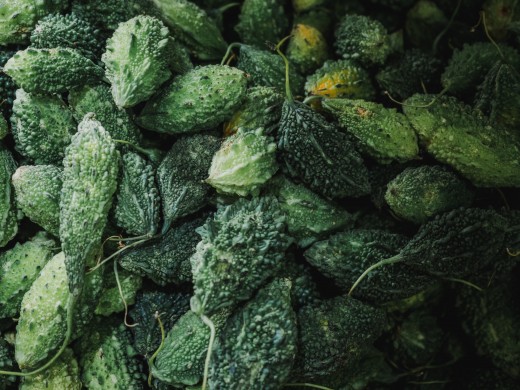
8. Pride of Gujarat - This variety of bitter gourds are small, round and whitish green in colour.
Small variety of Bitter gourd
Therapeutic Uses of Bitter gourd
Bitter melon has many therapeutic properties. It is packed with nutrients and many health benefits.
1. Diabetes mellitus - Due to the nutrients in the bitter gourd, bitter melon is quite widely used in the treatment of Diabetes mellitus. Research studies have shown that bitter gourd contains hypoglycemic principles in it and thus it helps to lower the blood sugar levels just like insulin.
2. Hypertension - It is useful in reducing hypertension,
3. Eye disorder - Since they contain Beta carotene and Vitamin A bitter melons are good for preventing cataracts, a disease usually affect the older people.
4. Cough
5. Enhancing digestion, metabolism and immunity.
6. Constipation - The juice of bitter guard is used for relieving constipation.
7. Rheumatism and Gout - Bitter melon is noted to be an effective component in herbal medicine, and the fruit is known to help treat, or alleviate the symptoms of rheumatism and gout and ailments of the spleen and liver.
8. Blood purifier - Bitter gourd is a good source of blood purifier, activates spleen and liver.
9. For glowing skin - The powerful anti-oxidants contained in the bitter gourd juice is helpful in preventing acne, eczema and psoriasis and protects the skin from ultra violet rays.
Recipes with Bitter gourd
For cooking, it is better to choose fresh young, bitter gourds as the old ones taste even more bitter.
Bitter melons are seldom mixed with other varieties of vegetables due to its strong bitter taste.
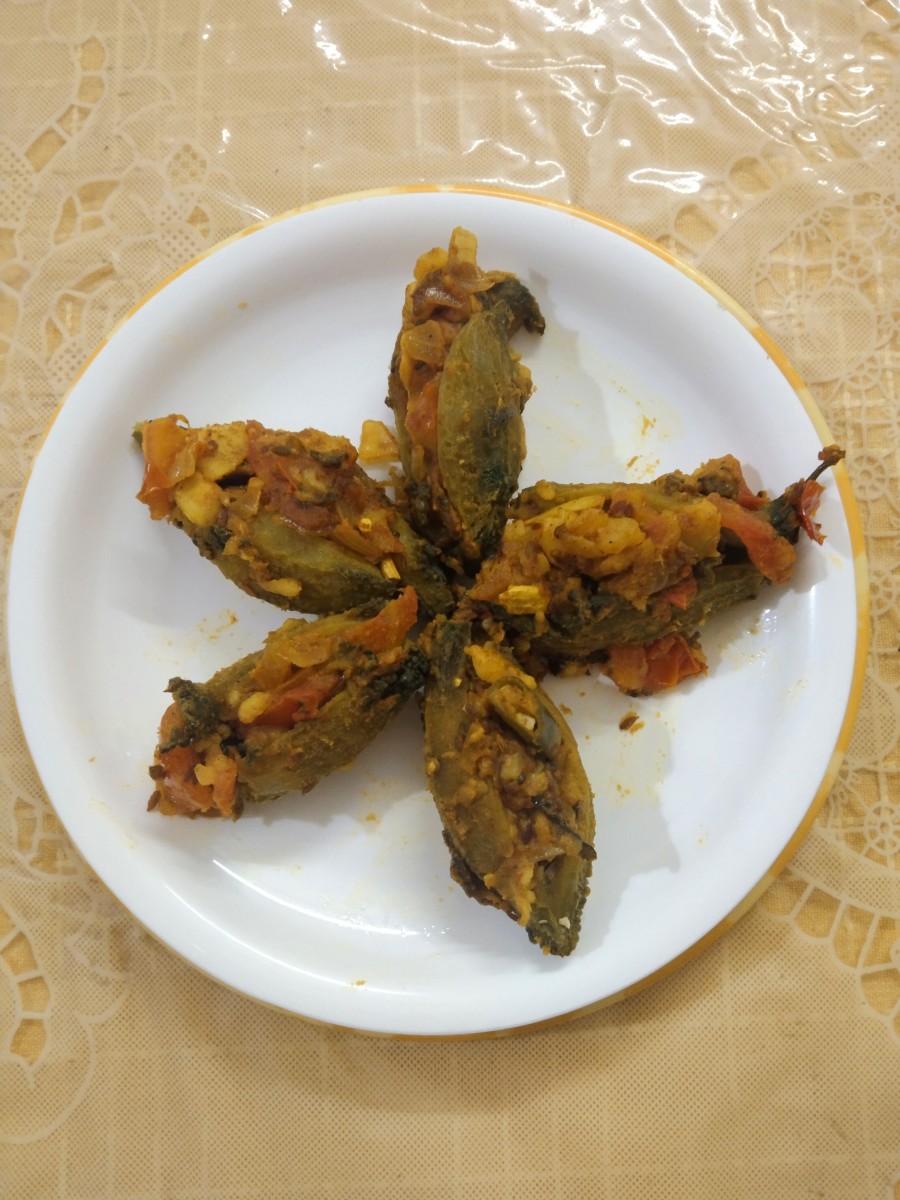
In South India, various tasty dishes are made from it, such as pavakkai theeyal, pavakkai fry, pavakkai upperi, pavakkai kolumbu, pavakkai thoran, pavakkai pacchadi, pavakka pickle, pavakka stuffed etc.
To reduce its bitterness of Bitter gourd
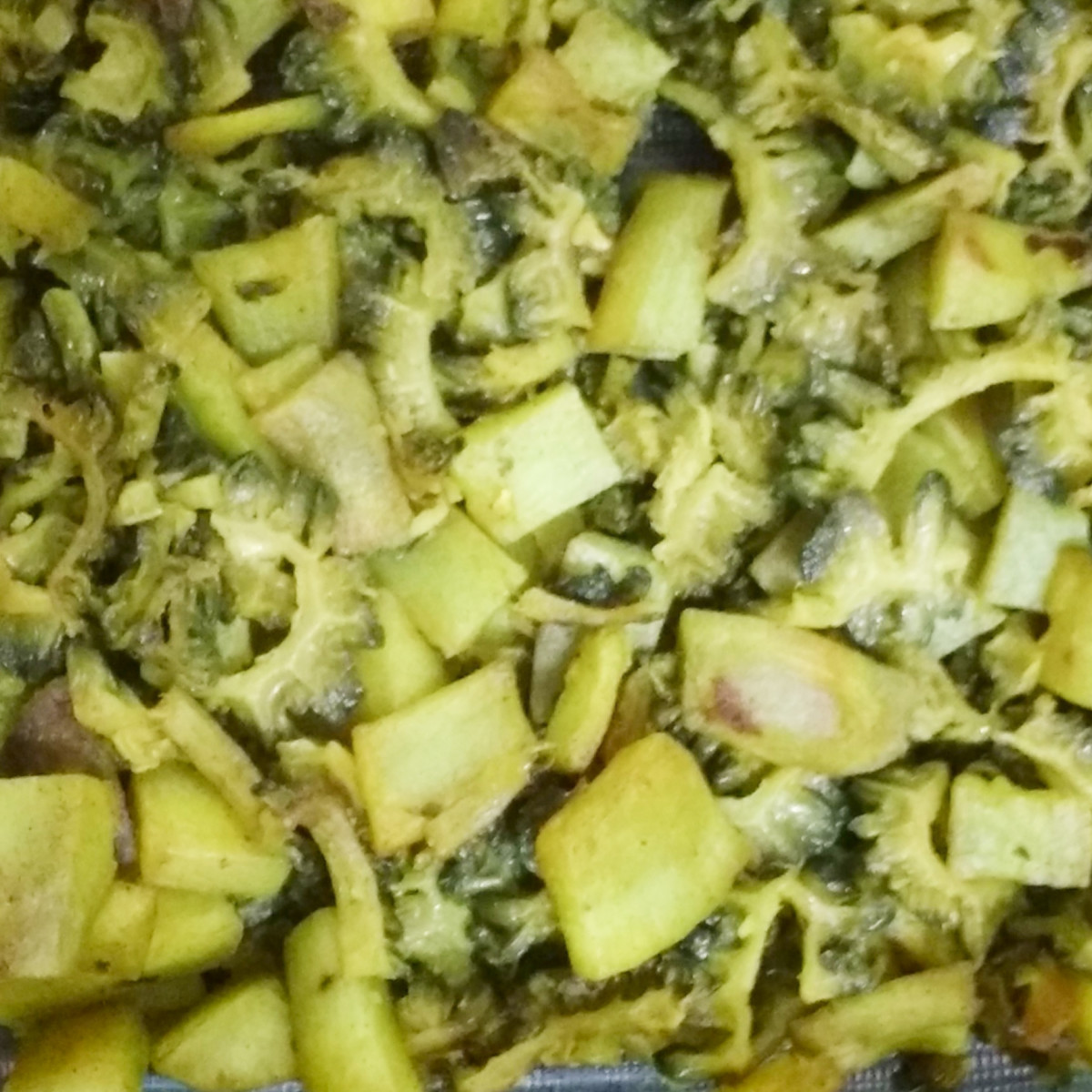
1. The bitter melons can be cut into small slices, and blanch for 3-4 minutes in boiling water to which a little salt has been added. Then drain it and use for your recipes.
2. They can be cut into small slices and immerse them in salt water for sometime. Drain and use for the desired recipe.
Removing bitterness from Bitter gourd
Availability in the Market
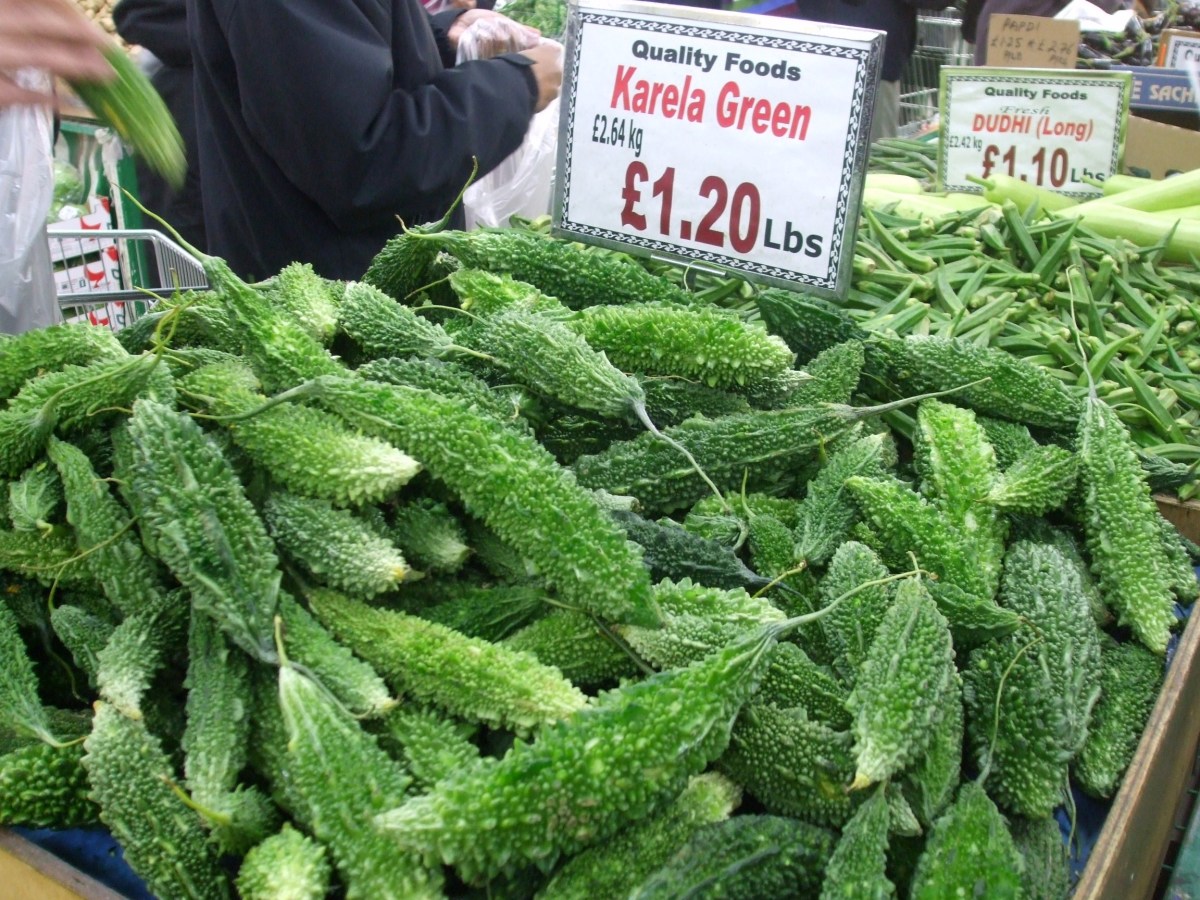
There are about 8 varieties of Bitter gourds in the market. Some of them are in white colour, some in green colour and some are small in size which yields more numbers a year.
Bitter Melons are available fresh from April to September in most Asian markets and can occasionally be found in larger supermarkets. They are also available as ayurvedic capsules in the market.
For Preservation of Bitter gourds
During the season, bitter gourds can be bought in bulk and preserved for future use.
Cut the vegetable into half lengthwise, and remove the seeds.Then cut them into thin pieces, and steam for 3-5 minutes. Dry them in the hot sun.
It may take 2-3 days for proper drying.Once dried well, they can be preserved in airtight bottles, and can be used for various dishes as and when required. They can be also fried in the oil and use, with or without adding any spices.
Sources
http://www.revolutionhealth.com/articles/bitter-gourd/ns-bottomline-bittergourd
http://www.ayurvediccure.com/bittergourd.htm
http://www.ayurvedic-medicines.com/herbs/bitter-melon.html
http://www.nutrition-and-you.com/bitter-gourd.html
https://food.ndtv.com/food-drinks/7-health-benefits-of-bitter-gourd-karela-juice-1423896
http://agropedia.iitk.ac.in/content/bitter-gourd-varieties-and-their-characteristics
Disclaimer
The information provided in this hub is not a substitute for professional medical advice. Please consult your physician, or health care provider before taking any home remedies.