INDUS VALLEY SCRIPT

INDUS VALLEY SCRIPT
2600 BC– 1900 BC
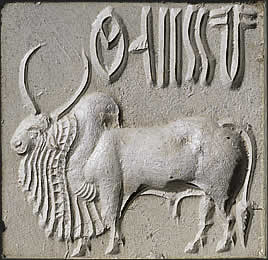
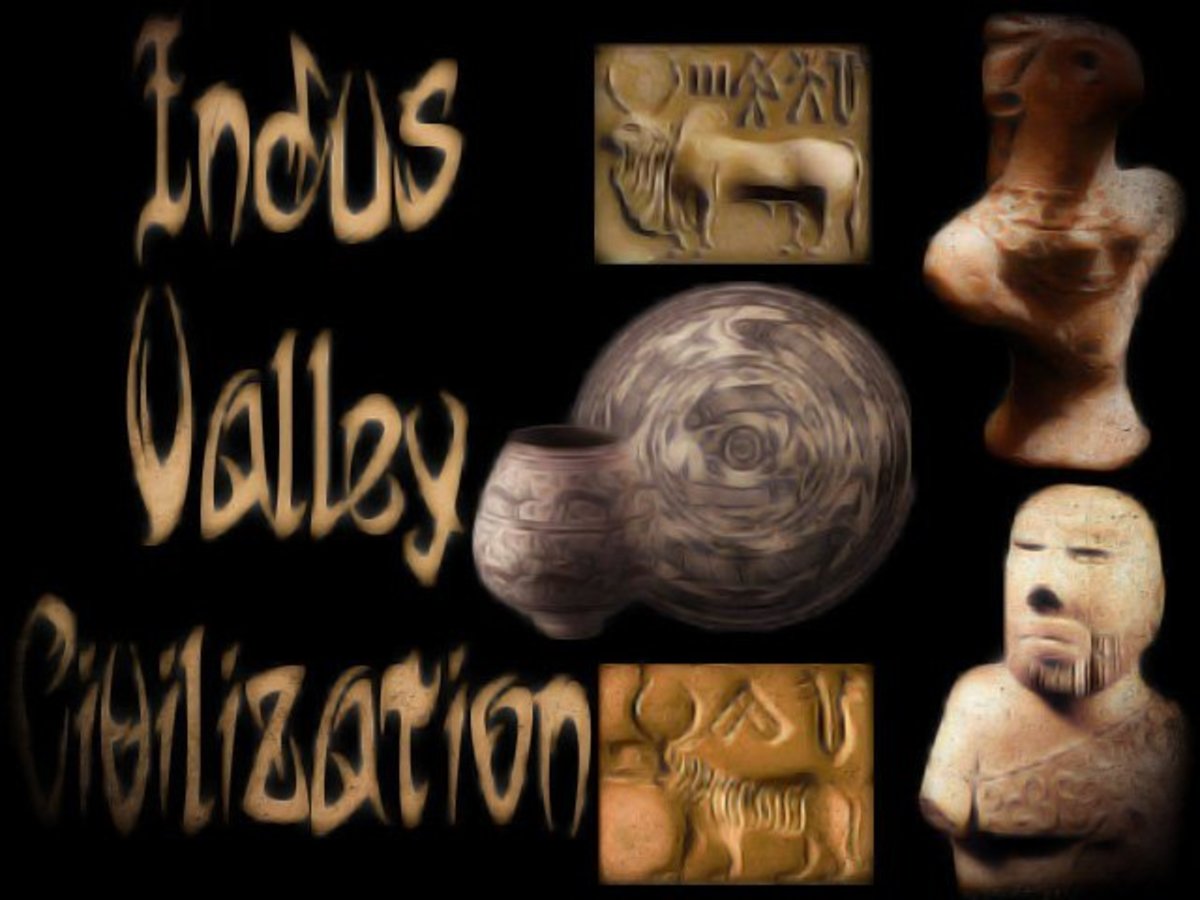
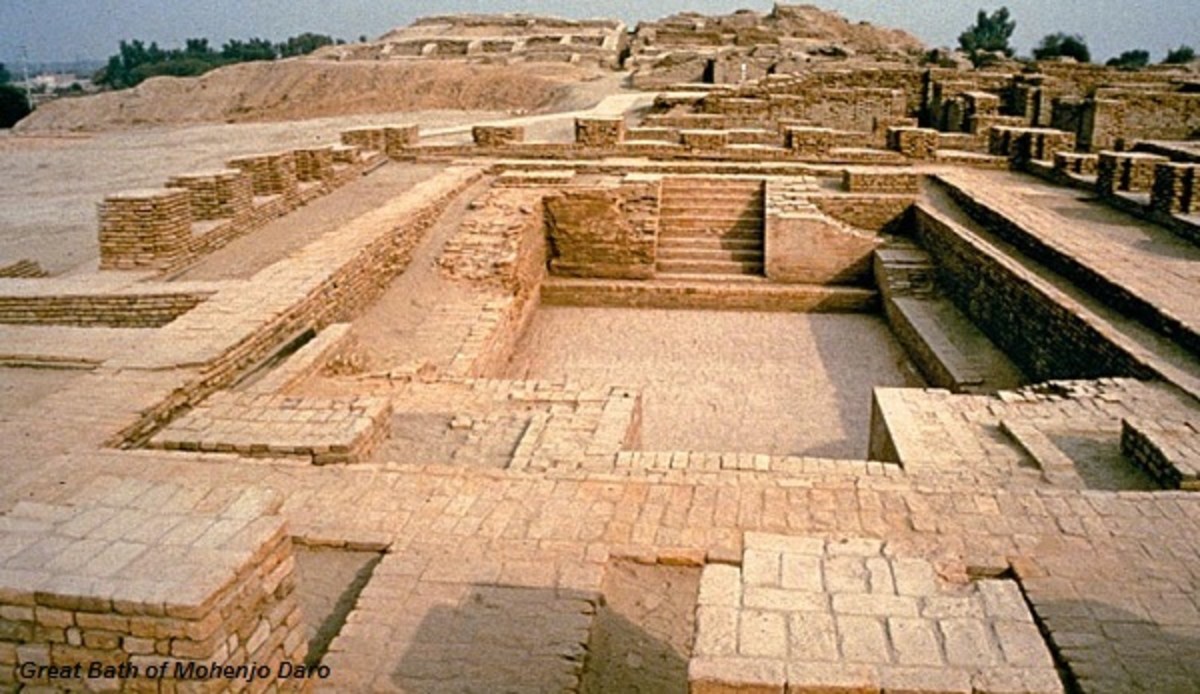
Two thousand inscribed seals were found in the ruins of Mohenjo-daro and Harrapa, and though it was known to scholars for more than 70 years they were unable to decipher it. The reasons are basically threefold;
· The texts are very short and brief
· Detail contents are in an unknown.language.
· There are no bilingual texts.
One theory that is propounded is that the language may be an isolate; however this theory is rather implausible.
A second view is that language could be "Aryan”; but the hitch is that, in none of the seals found in Indus valley, there are images of horses. Moreover in Aryan culture, horses played a very important role and were found to have existed only after 2000BC. So the theory that Indus valley script wer of Aryan origin does not hold water.
According to a third theory, Indus valley scripts were said to belong to the Munda family of languages spoken in Eastern India but there are no tangible evidences to substantiate this theory.
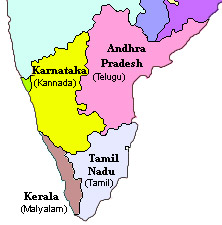
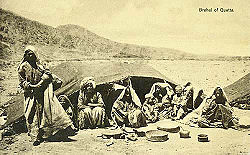
The fourth theory is that the script could be of Dravidian origin. Brahui which is a Dravidian language is spoken in modern Pakistan, and similar Dravidian languages like Tamil, Telugu, Kannada and Malayalam are still spoken in South India. In fact A Neolithic stone celt with the Indus Valley script has been discovered by a school teacher, in a village called Sembian-Kandiyur near Mayiladuthurai in Nagapattinam district, Tamil Nadu. According to Mr.Iravatham Mahadevan, a leading expert in Indus valley script, this discovery provides very strong evidence that the Neolithic people of Tamil Nadu and the Indus Valley people "shared the same language, which can only be Dravidian and not Indo-Aryan." Before this discovery, the southernmost occurrence of the Indus script was at a place called Daimabad, in Maharashtra on the Pravara River in the Godavari Valley
A possible indication of Dravidian in the Indus texts is from structural analysis of the texts. The maximum number of Indus script symbols is 400, of which 200 are basic signs .Indus script is probably logophonetic, in that it has both signs used for their meanings, and signs used for their phonetic values/
There are scholars who hold the view that these signs are purely ideographical and contain no information of the languages spoken. Steve Farmer, Richard Sproat, and Michael Witzel hold this view and this probably explains the brevity of the script .
:
.
http://www.ancientscripts.com/indus.html
http://www.hinduonnet.com/2006/05/01/stories/2006050112670100.htm
http://www.harappa.com/script/index.html
http://asnic.utexas.edu/asnic/subject/peoplesandlanguages.html