- HubPages»
- Arts and Design»
- Crafts & Handiwork»
- Textiles
Indian Embroidery Kasuti
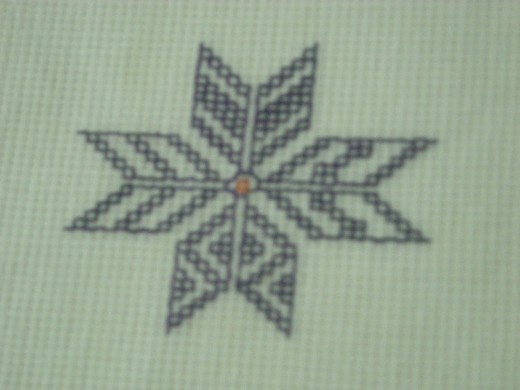
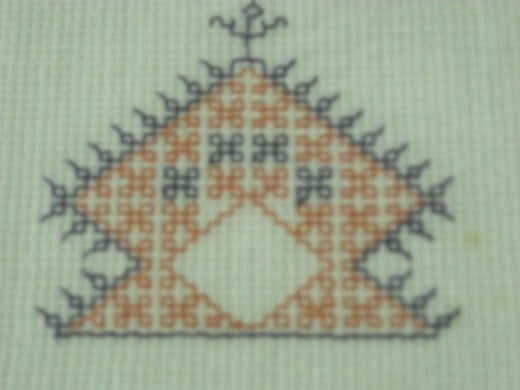
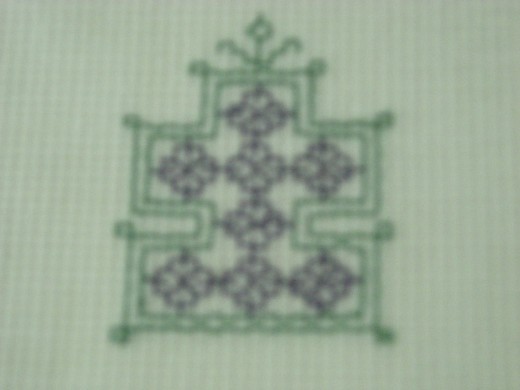
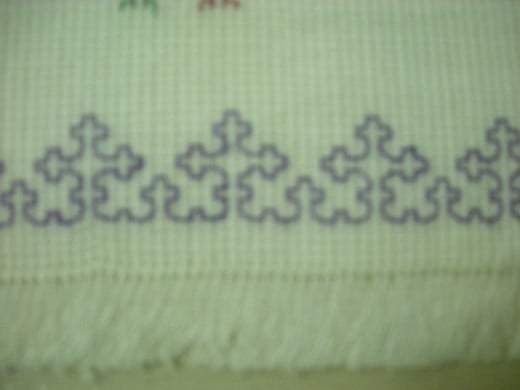
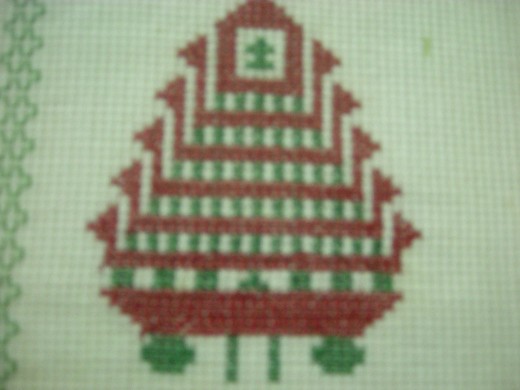
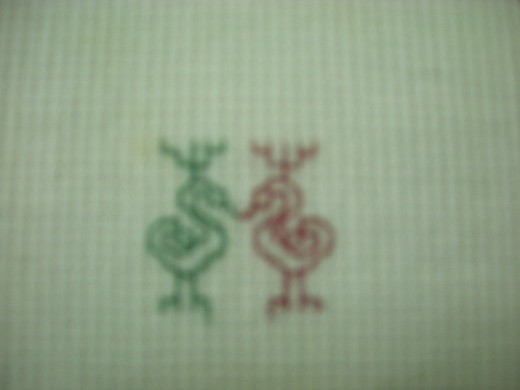
Kasuti
Kasuti is a form of embroidery that comes from the state of Karnataka in India. It resembles the embroidery of Austria, Hungary and Spain. It is a domestic art that has now taken on commercial forms. Kasuti means embroidery in Kannada, the language that is spoken in Karnataka. Kasuti is also known as Kashida.
The Chalukya dynasty played an important role in the revival of art, culture and learning. They encouraged cults of lord Shiva and built temples all over the south; the prominent among these are the cave temples of Badami, temples of Madurai, Thanjore and Kanchipuram. The women who witnessed these building operations gave expression to their artistic urge through some colorful artwork such as Kasuti.
Hindu motifs are predominant in kasuti, muslim influence is completely absent. Factors influencing choice of motifs are religion, architecture and objects of daily use. They are taken from gopuram (temple tops) lotus flower, palinquin, cradles, birds and animals like- swans, peacocks, squirrels, elephants, nandi or sacred bull. One rarely finds lions, tigers and horses, but dogs and cats are never seen.
The stitches used are:
Gavanti: a double running stitch, the name is derived from the word gaonti which means knot. The design appears identical on both sides. Patterns are mostly geometric, stitches are worked in vertical, horizontal or diagonal directions only.
Murgii : appears like steps of a ladder, the design appears same from both sides of the fabric, the distance between two stitches is the same and looks quite like the gavanti.
Negi: this is an ordinary running or darning stitch, it has an all over effect of a woven design. The name comes from the word “ney” which means to weave in Kannada.
Menthi; this is the regular cross stitch. The name is derived from the word ‘fenugreek seeds’ in Kannada.
The threads used for embroidery were drawn from the fabric itself or they used silk thread from Mysore.
Colors used predominantly are orange, purple, green and red.
Women embroidered sarees, bonnets, skirts and blouses.
Related
Crafts & Handiwork - Ribbon Embroidery, Counted Cross-Stitch, and Stumpwork Stitches
7 Indian Craftsmanship Traditions at Risk of Disappearing—And How You Can Help Preserve Them

Hand Embroidery! Hobby, Passion or Obsession???
Sewing on Paper-Tips and Ideas
Will India Ever Create Its Own Louis Vuitton or Gucci?