Buy a Knee Splint Online

What is a Knee Splint Used For?
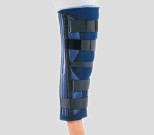
A knee splint is also known as a Knee Immobilizer. It is a simple device used to keep the knee fully extended ( or completely straight to the person not speaking medical jargon).
Knee splints can be used following trauma but are also utilized after certain types of orthopedic surgery. In the E.R. they can be used as a temporary support until the full extent of the injury is known, but in other cases they are used as a definitive treatment and can be in place for 6 weeks or longer.
Knee splints do the same job as a plaster cast but have the benefit of being removable. This can be an advantage when there are wounds that need checking or when range of motion exercises are permitted at various stages of recovery.
Knee Splint
Choosing a Knee Splint
The first consideration to be taken when choosing a knee splint is the length of time you expect to be in it. The main difference between knee splints is not the function of them, it is the comfort.
Just about every knee splint on the market keeps the knee safely in full extension as the requirements are fairly simple. The difference comes when you need to wear the splint 24/7 for the next 8 weeks.
If you know this in advance, getting a quality splint is money well spent.
The Economy Knee Splint
Before you choose a knee splint check the sizing information. Some work on length and some on width. As a basic rule, a 20 inch length fits short to average height people and a 24 inch fits above average to tall people.
This 20" knee splint is around $20 and comes with 3 straps above and below the knee. It comes with a large amount of padding that can be trimmed to fit the thinner leg.
Simple and functional, this splint has a variety of uses.
3 Panel Knee Splint

Adjustable Width Knee Splint
A 3 panel knee splint allows a set length to fit any sized thigh circumference. The ability to instantly adjust the width ensures consistent comfort throughout the period of an injury as the level of swelling changes over time.
Simple Velcro width adjusters enable more or less accommodation as required.
Knee Splint for Patella Fractures
Knee Splints are often used following a Patella fracture as bending the knee can cause harm.
In these cases, the kneecap is tender and direct pressure can cause discomfort. If you have the chance to choose your own knee splint, opt for one like this with an opening at the front of the knee to relieve pressure on the effected area.
When you are going to be wearing it for the next 6 weeks, little factors like this are easily worth the extra $20.

First Aid Knee Splint
Knee Splint
More Information on Knee Conditions
- The Normal Knee X-Ray, What are the different views?
Understanding the features of a normal knee x-ray helps you idnentify problems. Includes multiple knee x-ray views - Knee X-ray - Understanding the signs of Arthritis
Arthritis can be seen on a knee x-ray if you know what to look for. This article shows multiple knee x-ray views and points out the signs of arthritis - The Arthritic Knee
A comprehensive source of information on all aspects of knee osteoarthritis. Includes both the surgical and non-surgical treatment options and the benefits and risks of each procedure. - Unloader Knee Brace
Information on the use of the Unloader Knee Brace to treat osteoarthritis of the knee. Unicompartmental knee arthritis can be treated with the latest generation of unloading knee brace. It is possible to delay the need for major orthopedic surgery. - Knee Splint Immobilization following injury or surgery
For easy to understand information and advice on the use of knee splints to protect the knee following injury or surgery. Before you buy a knee splint make sure you understand the different features and how they change the user experience.