Native Prairie Plants for a Rain Garden

Rain gardens are a beautiful way to solve drainage problems and reduce stormwater runoff from your property.
Most rain garden designers recommend using native plants in rain gardens because they are better adapted to local conditions than exotic and naturalized plants. Most native plants of the prairie and plains regions, however, prefer well drained soil and do not tolerate standing water even for a few days.
Fortunately, there are some beautiful exceptions. This hub will introduce you to a few beautiful native prairie plants that are suitable for use in a rain garden.
Native Prairie Wildflowers for Rain Gardens
All plants prefer full to partial sun.
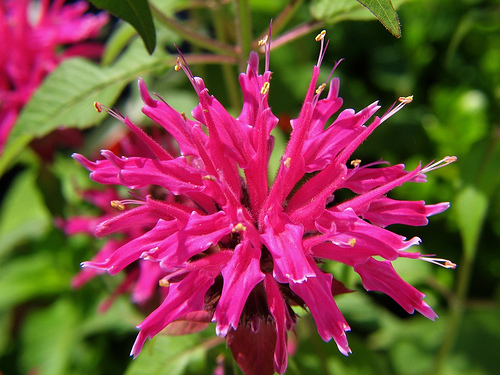
- Bergamot (Monarda fistulosa). Bergamot, sometimes known as bee balm, has uniquely shaped lavendar, pink, or red flowers that bloom profusely in summer and are popular with butterflies and hummingbirds.
- Ironweed (Vernonia fasciculata). Ironweed's bright red or purple blooms are perfect for adding color to the late summer rain garden, and are a favorite of many butterflies.
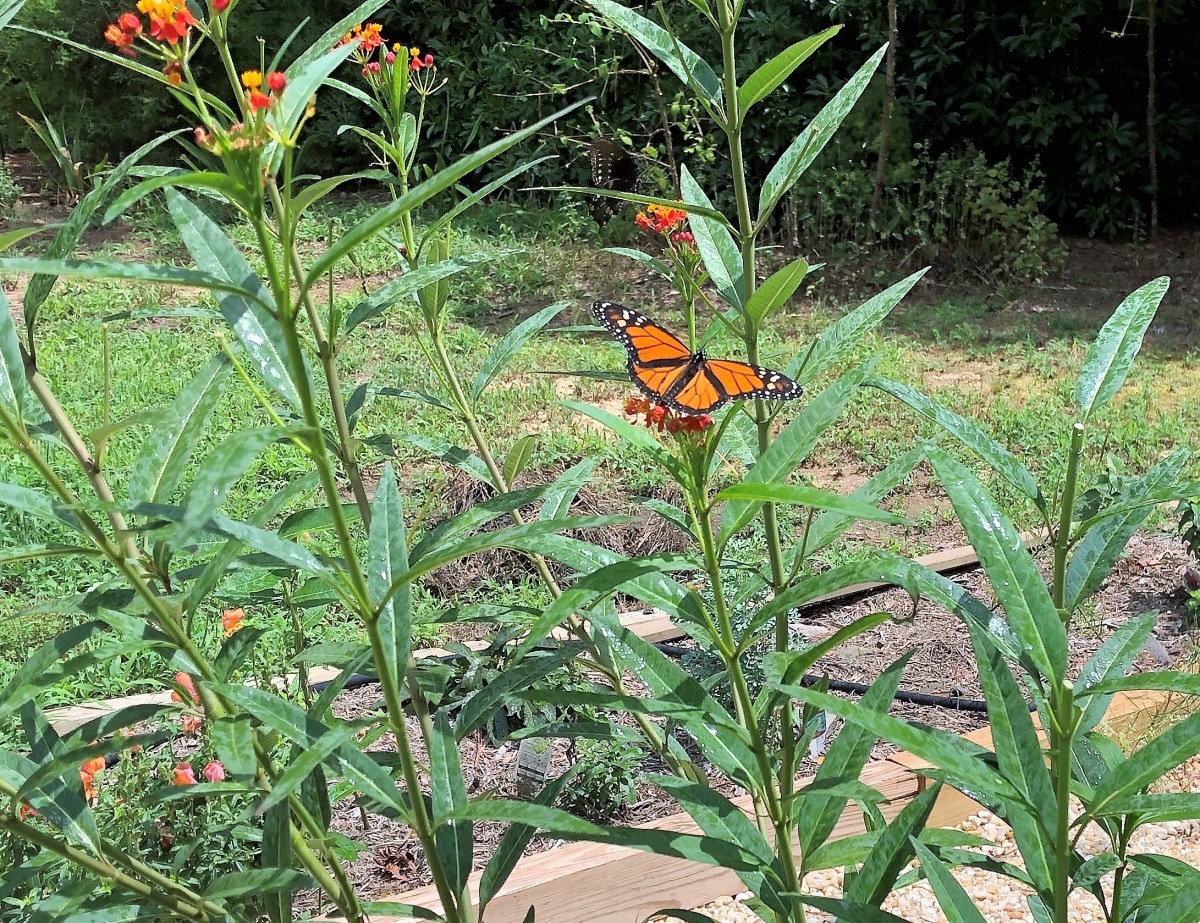
- Red milkweed (Asclepias incarnata). An attractive milkweed with red flowers that thrives in moist conditions, red milkweed is also a favorite of the beautiful monarch butterfly, which uses the plant as a host for its caterpillars and returns as an adult to drink the nectar.
- Marsh phlox (Phlox glaberrima). This handsome pink phlox blooms profusely throughout much of the summer months and is popular with butterflies and hummingbirds.
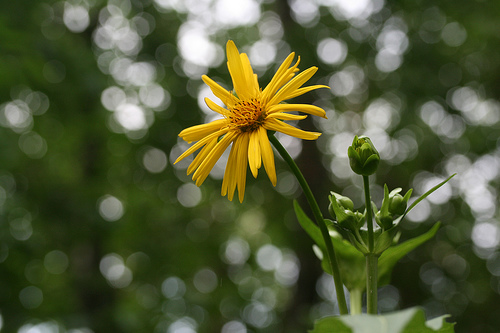
- Cupplant (Silphium perfoliatum). By far the tallest of the plants listed here at 6-10 feet, Cupplants are one of the finest wildlife plants in existence. The large, cup-shaped leaves of the plant collect rainwater after storms and are used by butterflies and other small animals as drinking fountains. The leaves and thickly growing stems also provide shelter, and the profuse yellow, daisy-like flowers produce nectar for butterflies and tasty seeds that draw birds in autumn.
- Ohio goldenrod (Solidago ohioensis). A showy yellow goldenrod that provides great late summer color and is popular with butterflies and birds.
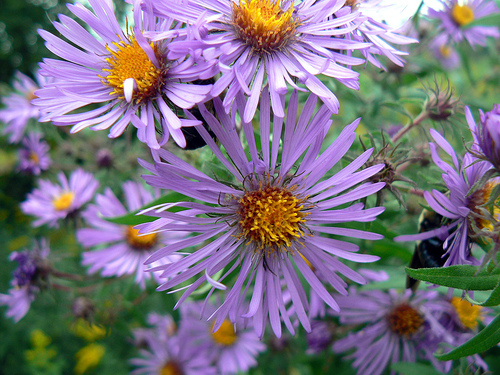
- New England aster (Aster novae-angliae). Another excellent wildlife plant, the New England aster blooms spectacularly in late summer and autumn with hundreds of tiny purple, blue, or pink flowers. Extremely popular with butterflies, especially monarchs, the seeds are also a tasty treat for birds.
- Great Blue Lobelia (Lobelia siphilitica). One of the rare prairie plants that does well in damp clay soil, Great Blue Lobelia produces attractive spikes of deep blue flowers in late summer and early fall. Popular with hummingbirds.
Native Prairie Grasses for Rain Gardens
All grasses prefer full to partial sun.
- Switchgrass (Panicum virgatum). Switchgrass is gaining popularity as an ornamental grass in the United States and its versatility makes it perfect for rain gardens as well. The grass is blue green in summer and an attractive pale gold in winter, and it produces beautiful, lacy seedheads in late summer or early fall.
- Indiangrass (Sorghastrum nutans). This attractive grass produces beautiful golden, plume-like seedheads in fall.
- Fox sedge (Carex vulpinoidea). This sedge has interesting spiky seedheads and grows well in damp and wet soils.