Permaculture: An Introduction

An Introduction
Permaculture was coined from the words permanent and agriculture by Bill Mollison and David Holmgren in the 1970s. Both men, Mollison, the professor, and Holmgren, the grad student, where concerned about the environmental damage that industrial agriculture was causing.
Together, they sought to develop a method which would create a self-regulating and therefore sustainable food production system which nurtured the land rather than harming it. Permaculture designers observe and work with Nature rather than attempting to force Nature to fit into a mechanized production system.
Today, many designers, are applying permaculture design to developing communities, project governance and the urban environment.
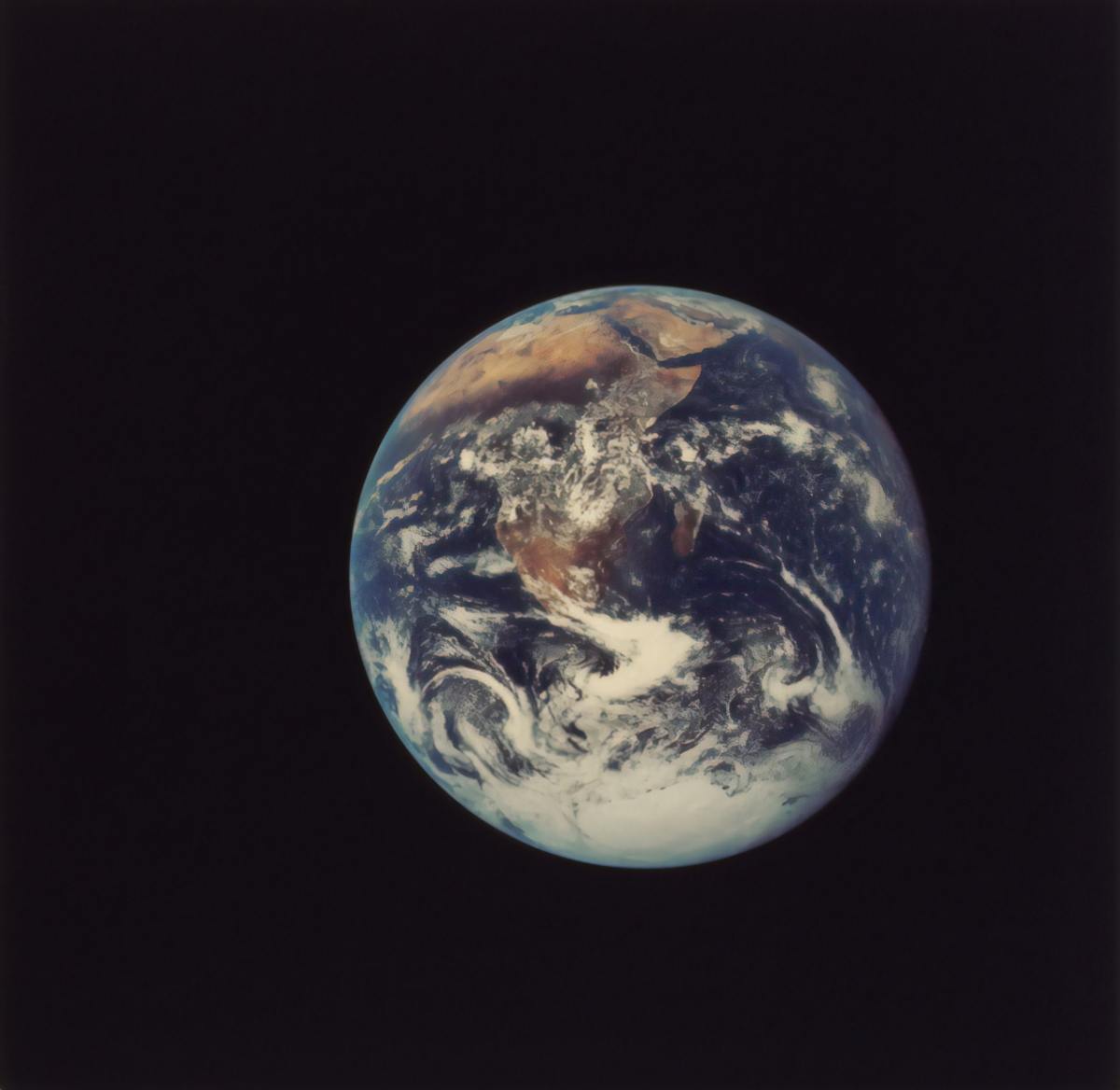
Permaculture is an ethically based design system for creating sustainable human environments. The permaculture ethics are:
- care for the earth
- care for people
- taking responsibility for personal consumption and production and sharing the surplus.
I was first attracted to permaculture when I read a piece about permaculture ethics. This statement in particular lead me to complete my permaculture design certificate program and is still driving my work: "take responsibility for meeting our own needs and the needs of future generations.
Just take a minute and imagine a world where people take responsibility for what they do and what they consume. Rather than buying items that are produced using toxic materials and tossing away whatever we cannot consumer after the items have been trucked hundreds and thousands of miles from where they were produced to where you bought, you buy food and clothing, for example, that was produced within a few miles of your own home or by you.
Now of course we cannot produce all we need by ourselves nor within our own community. We will have to trade with others but then that is where surplus and the concept of sharing that surplus enters the picture.
Simply put, permaculture is a system design tool. It is a way of
- 1. looking at a whole system or problem
- 2. seeing connections between key elements (parts)
- 3. observing how the parts relate,
Permaculture is a holistic approach that understands that the whole is greater than the sum of the parts. Close observation of Nature provides us with many insights about the design process. Nature can educate us if we take the time to watch and interact rather than staying indoors with the curtains drawn.
When we employ the ethics and principles of permaculture design to our daily lives we set out on the pathway to freedom and sustainabilityand we can do so in harmony with all around us.