Rolex Watches: A History
Today Rolex is still manufactured in the Bienne area of Switzerland, is headquartered in Geneva, and is sold all over the planet. Wherever you may be in the world, chances are rolex watches are associated with impeccable quality, prestige, and luxury. Hans Wilsdorf, its founder, would, no doubt, be very proud.
Rolex is founded in London in 1905
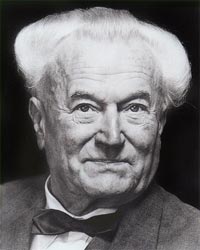
Hans Wilsdorf founded the company we now know as Rolex in 1905. Ironically, the father of what has over the years become the irrefutable symbol of Swiss watches was born in Kulmbach, Germany, and his firm was initially based in London, not Switzerland. He did, however, purchase watch movements and work closely with Swiss watchmakers in the Bienne region, which, to this day, remains the "watchmaking capital" of Switzerland.
By 1908 Wisdorf's firm became one of the leading watch companies in the UK. It was that year that he coined the name Rolex. Rather than immortalising his own name on the watch face as many other Swiss watchmakers had done, Wilsdorf made one up. It is said (though it has never been confirmed) that he chose "Rolex" by drawing this name from the French phrase 'Horlogerie Exquise' (exquisite watchmaking). Whether this story is true or not, the fact is that it would grow to become one of the most recognised brands of all time.
In 1910 official recognition for Rolex watches was gained from the 'Bureau Officiel' in Bienne, an organisation whose praise was well regarded in the watch industry. It wasn't until four years later, though, on July 15, 1914 that the first 'Kew A Chronometer Certificate' was awarded to Rolex after 45 days of rigourous testing at the Kew Observatory in London. The watch was tested in various positions and temperatures, including inside a refrigerator and an oven. Wilsdorf now insisted that all his watches must pass these tests before being sold.
The Release of the Rolex Oyster and Perpetual Rotor
During the First World War, the British government levied a heavy import duty, and this decision forced Wilsdorf to transfer the export of his watches to his office in Bienne, which he had opened in 1912.
In 1926 the Rolex Oyster was released. Wilsdorf reportedly came up with the name at a dinner party when he had a hard time opening an oyster. He apparently said to other guests that he hoped his new watch would prove to be as resilient as the oyster. True to his word, the Oyster was indeed sturdy. It was the first wristwatch to be considered waterproof, which was proven the following year when a British woman, Mercedes Gleitze, wore it in her successful bid to cross the English Channel. She emerged from her fifteen-hour swim with the watch functioning perfectly. This was great publicity for Wilsdorf, who had sponsored the event and gained considerable worldwide exposure for his new Oyster Watch. The timepieces were displayed prominently in jewelers' shop windows, inside a fish tank totally submersed in water.
Wilsdorf's next triumph came in 1931 when the Perpetual Rotor was created, a mechanism that was the basis for self-winding movements. So Wilsdorf had invented not only the first truly waterproof wristwatch but also one that relied on just the simple movement of the wrist to power itself.
Rolex Releases
In 1945, Rolex received its 50,000th certificate from the official testing office in Bienne. That also year saw the creation of the Datejust, the first watch to have the date display, magnified two and a half times by a cyclops lens.
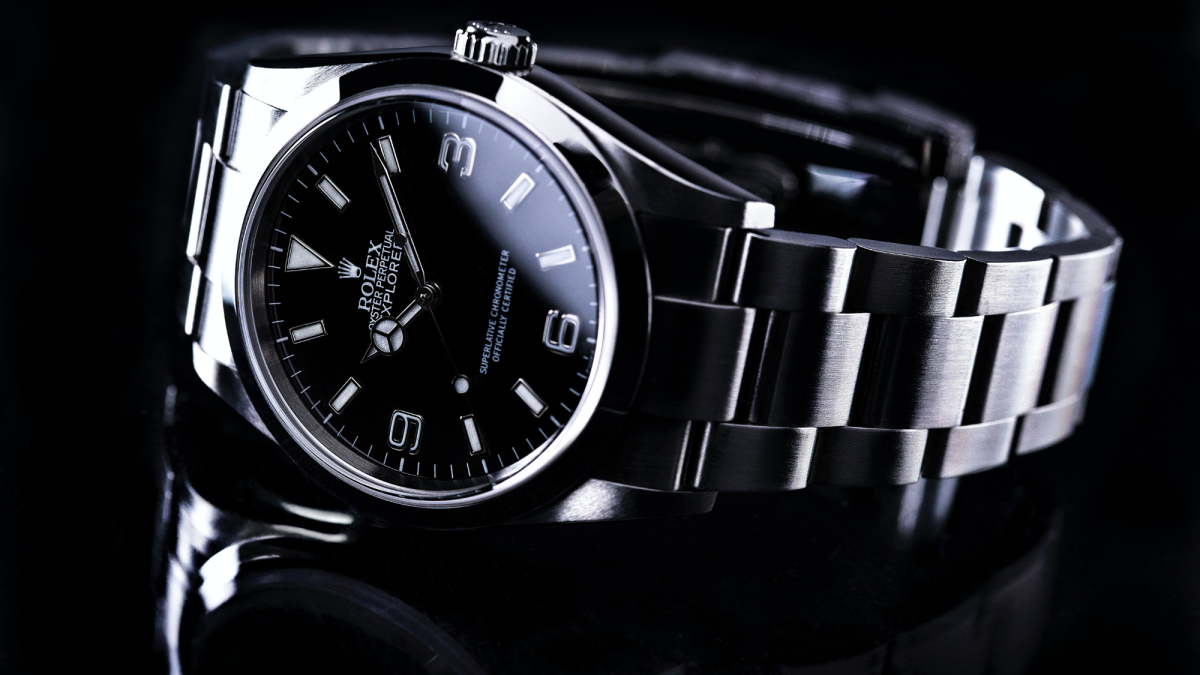
In the following years Rolex released the Explorer (1953), the first Oyster Perpetual Lady-Date (1954), the GMT Master with dual time zone function (1955), and the first Day-Date, also known as President (1956).
Hans Wilsdorf passed away on July 6, 1960 leaving the running of the company to the various appointees stated in the Hans Wilsdorf Foundation, which also funded numerous educational projects, such as a watchmaking school.
Rolex continued to invent and innovate in terms of technical skill, style and design throughout the second half of the 20th century. The Sea-Dweller (1967) was certified as reaching depths of up to 4,000 feet (1,220 metres), making it the choice watch for professional divers. The Explorer II (1978) and Cosmograph Daytona (1988) were also released and added to the list of the world's most prestigious watch brands. By 1985, more than 4.1 million movements had been awarded the official 'Chronometer' title.
The founder of Rolex, Hans Wilsdorf, has changed the history of watches forever.
Timeline of Rolex Events
Since Hans Wilsdorf founded the company we now know as Rolex in 1905, rolex watches have become synonymous with prestige, luxury and sophistication.
Let's have a look at the watchmaker's major milestones over the past century:
- 1905 - German-born Hans Wilsdorf founds a London company specialising in the manufacture and sale of watches.
- 1926 - Rolex develops and patents the first airtight, dust-proof and waterproof watch and names it the Oyster.
- 1927 - The Rolex Oyster crosses the English Channel unscathed on the wrist of a young swimmer named Mercedes Gleitze
- 1931 - Birth of the Perpetual Rotor, a self-winding mechanism that revolutionises watches with the first automatic winding mechanism later found in every modern automatic watch.
- 1945 - The Oyster Datejust, the first watch to display the date automatically, is created.
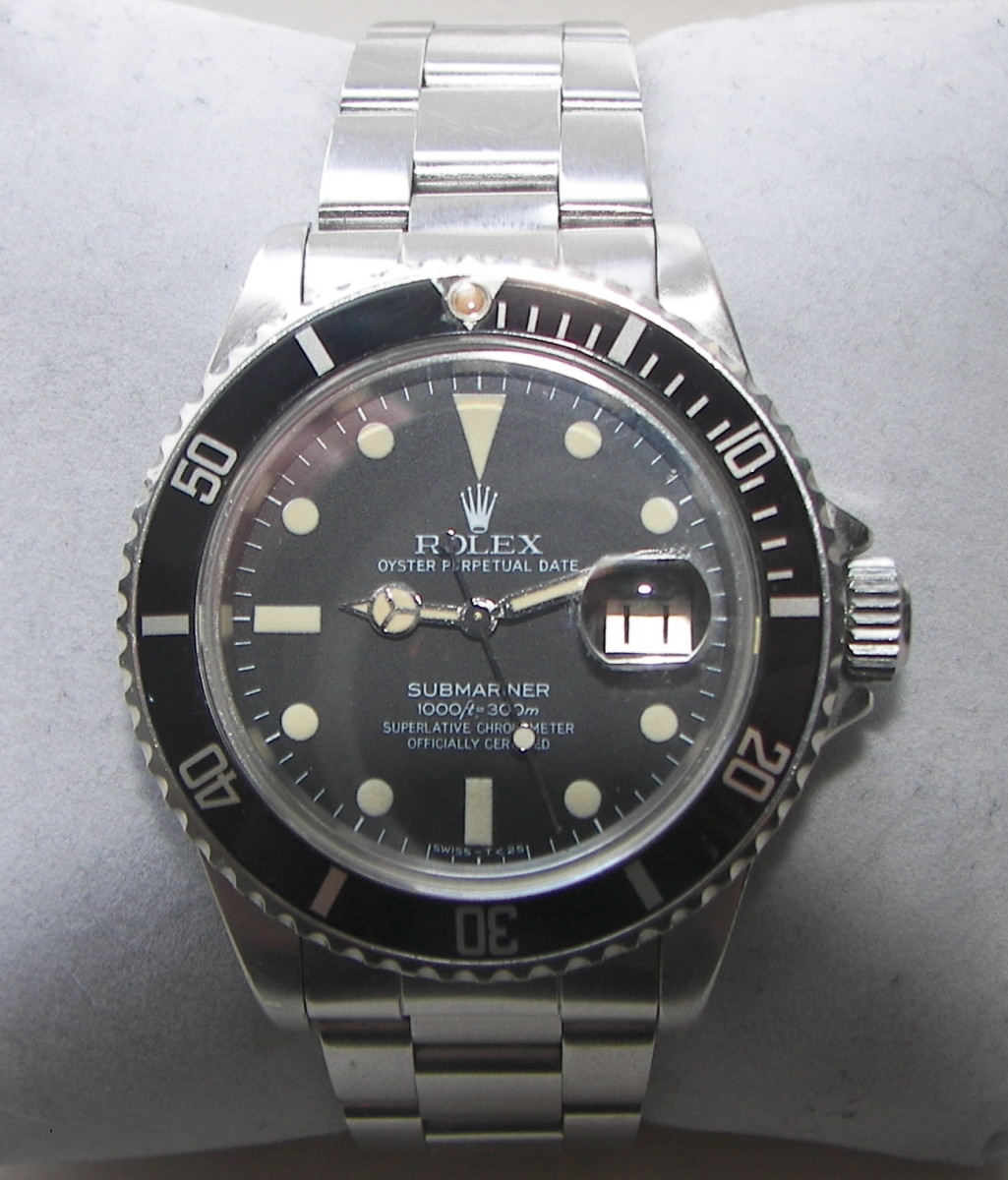
- 1953 - Rolex creates the diving watch - the Submariner.
- 1954 - The oyster perpetual LadyDate is introduced.
- 1955 - The Oyster GMT Master is designed for Pan-Am pilots, making it possible to read time in any two time zones.
- 1956 - The Oyster Day-Date is created.
- 1960 - Rolex "Deep Sea Special" is plunged 35,787 feet (10,910 metres) into the mariana trench in the Pacific Ocean.
- 1967 - The Oyster Sea-Dweller, waterproof to a depth of 2,000 feet (600 metres), is introduced.
- 1971 - The Oyster Explorer II is designed.
- 1978 - The Oyster Perpetual Date Sea-Dweller is tested waterproof to a depth of 4,000 feet (1,220 metres)
- 1988 - The first Cosmograph Daytona is fitted with a perpetual rotor.
- 1992 - A new model is added to the Oyster Professional range - the Yacht-Master.
- 2003 - Submariner celebrates its 50th Anniversary. Rolex marks the occasion with a special commemorative model with a green bezel and black dial.
- 2005 - Inspired by an original 1920s model, the Rolex Prince debuts.