Seizure Medications: Keppra, Topamax, Depakote, Lamictal, and Cannabidiol (CBD or Cannabis Oil)

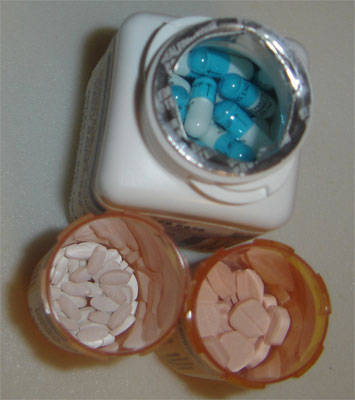
Types of Seizure Medications
There are various different medications that one can take for seizures, but before choosing which is the best for you or your child, talk to you neurologist first.
Below are some of the more commonly prescribed medications for patients who suffer seizures or epilepsy.
Note: my son has partial seizures and has had one or two grand mal seizures in the past. The following four medications are those that my wife and I have tried in the past or currently have him on.
Currently, my son is on, Topomax, Depakote, and Lamictal. We took him off of Keppra because of extreme mood swings and occasional aggressive behaviors.
This and other information can be found at Merck.
Keppra
(caused mood swings and aggressive behavior in my son)
Symptoms that indicate use: Partial onset seizures
Symptoms that indicate not using: Hypersensitivity
Metabolism: 66% excreted unchanged by the kidneys; some metabolism by the liver
Use Cautiously in:
- Lactaction.
- Renal elimination decreased in geriatric patients
- Renal impairment (dose reduction recommended if CCr < 80 ml/minr.)
- Children under 4 years
- Use only during pregnancy if potential benefits justifies potential risk to fetus.
Potential Side Effects:
dizziness, fatigue, weakness, behavioral abnormalities, coordination difficulties (adults only)
Topamax
(increased Tonic Seizures, and some Status Epilepticus Seizures for my son.)
Symptoms that indicate use:
- Seizures including, partial-onset, primary generalized tonic-clonic, seizures due to Lennox-Gastaut syndrome.
- Prevention of migraine headace in adults.
Symptoms that indicate not using:
- Hypersensitivity
- OB: Lactaction.
Metabolism: 70% is excreted unchanged in urine
Use Cautiously in:
- Renal impairment
- Hepatic impairment.
- In geriatric patients, consider age-related decrease in renal/hepatic impairment, concurrent disease states, and drug therapy.
- Children are more prone to oligohydrosis and hyperthermia; use with caution with children under 2 yrs.
- Dehydration
- Pregnancy (use only if maternal benefit outweighs fetal risk).
Potential Side Effects:
increased seizures, dizziness, drowsiness, fatigue, impaired concentration/memory, nervousness, psychomotor slowing, speech problems, aggressive reaction, agitation, anxiety, cognitive disorders, confusion, depression, malaise, mood problems, abnomal vision, diplopia, nystagmus, acute myopia/secondary angle closure glaucoma, nausea, abdominal pain, anorexia, constipation, dry mouth, kidney stones, oligohydrosis (increased in children), hyperchloremic metabolic acidosis, leukopenia, weight loss, hyperthermia (increased in children), ataxia, paresthesia, tremor, suicide attempt, fever
Depakote
(My son uses in combination with Lamictal)
Symptoms that indicate use:
- Simple and complex absence seizures
- Partial seizures with complex symptomatology
Symptoms that indicate not using:
- Hypersensitivity
- Hepatic impairment.
- Some products contain tartrazinel avoid in patients with known hypersensitivity.
- Suspected urea cycle disorders (may result in fatal hyperammonemic encephalopathy)
Metabolism: Mostly metabolized by the liver; minimal amounts excreted unchanged in urine
Use Cautiously in:
- Bleeding disorders
- History of liver disease
- Organic brain disease
- Bone marrow depression
- Renal impairment
- Children, especially under 2 years, are at increased risk for potentially fatal hepatotoxicity.
- Use during pregnancy is linked to developmental defects, low IQ, birth defects, congenital anomalies, and hepatic dysfunction in the neonate. Use with extreme caution.
- Lactation: Valproates pass into breast milk. Consider discontinuing nursing when valproates are administered to the nursing mother.
Potential Side Effects::
confusion, dizziness, headache, sedation, visual disturbances, hepatotoxicity, indegestion, nausea, vomiting, anorexia, constipation, diarrhea, hypersalivation, increased appetite, Pancreatitis, rashes, leukopenia, prolonged bleeding time, thrombocytopenia, hyperammonemia, ataxia, paresthesia
Lamictal
(My son uses in combination with Depakote)
Symptoms that indicate use:
- Adjunct treatment of partial seizures in adults with epilepsy.
- Lennox-Gastaut syndrome.
- Conversion to monotherapy in adults with partial seizures receiving a single enzyme-inducing antiepileptic drug.
- Maintenance treatment of bipolar disorder.
Symptoms that indicate not using:
- Hypersensitivity
- Lactation
Metabolism: Mostly metabolized by the liver to inactive metabolites; 10% excreted unchanged by the kidneys.
Use Cautiously in:
- Reduced renal function.
- Cardiac function impairment.
- Hepatic function impairment.
- Pregnancy or children.
- Prior history of rash to lamotrigine.
Potential Side Effects:
ataxia, dizziness, headache, behavior changes, depression, drowsiness, insomnia, tremor, blurred vision, double vision, rhinitis, nausea, vomiting, vaginitis, photosensitivity, rash (higher incidence in children, patients taking VPA, high initial doses, or rapid dosage increases), arthralgia, allergic reactions including Stevens-Johnson syndrome
Cannabidiol (CBD or Cannabis Oil)
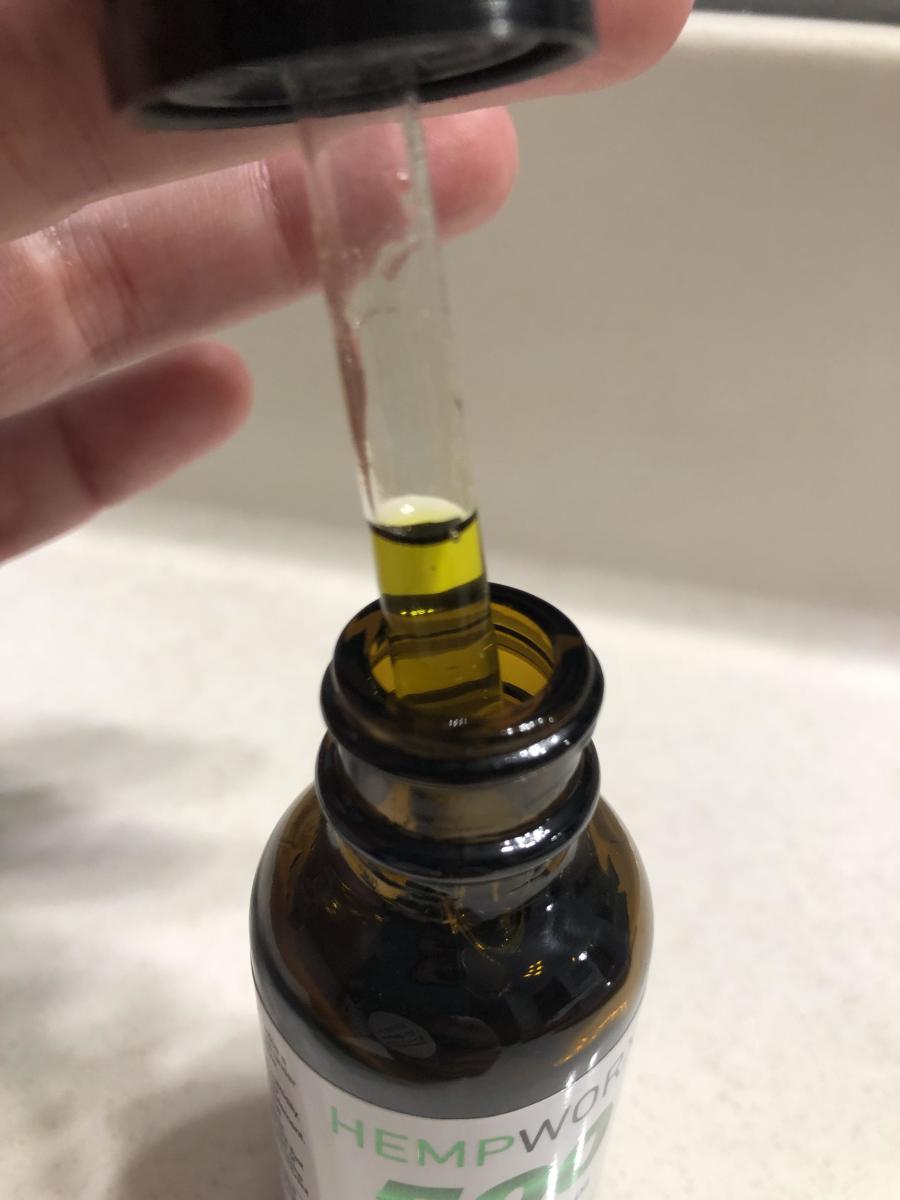
My son was part of a research program for at least the last 3-4 years. This research program was for Cannabis Oil, also known to us as CBD Oil. The research program finally ended, with the FDA Approval of CBD on June 25, 2018. However, there were still challenges to get Insurance or medicaid to cover the cost or part of the cost. Finally, Medicaid stepped up and covered the cost of CBD, due to the DEA changing cannabis from Schedule 1. This change in Schedule, meant that Epidiolex can be distributed through the traditional pharmaceutical processes. We currently receive our CBD via UPS from a Pharmacy on a scheduled basis.
Basically, My son is still on Banzel, Lamactal, and now CBD oil. There has been a drop in his seizures, but not 100%. I would estimate, at least a 60-75% drop in seizures.
With the proper dosage, we have not noticed any side effects. He currently takes 5ml, twice a day.
Disclaimer
I am not a doctor, physician, or specialist. The information that I have provided is from personal research. For more information, always ask your neurologist for help.