Should We Mourn for the Dead? How Long After Death is Too Long, When Mourning Becomes Unhealthy

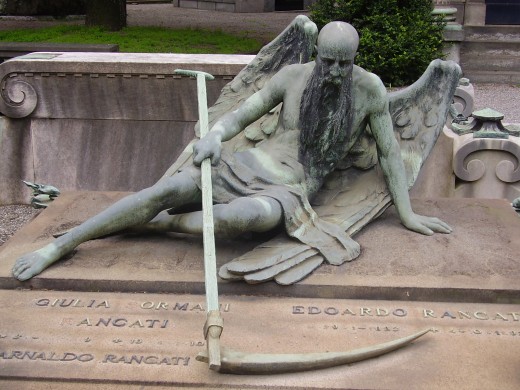
Should we mourn for the dead? On the surface, this seems to be a very complicated question, though in reality it's very easy to know what we should do - though what we should do and what we can do may be very different things when the death is fresh.
Mourning is a natural human reaction to death. Someone you love dearly has died, they will no longer be a part of your life, and you will never see them again in this world. It's hard not to mourn, isn't it? However, there are some who seem to hang on to the mourning phase after a death out of a feeling of obligation. Perhaps the thought is that if we stop mourning too soon, we didn't really love the person who has passed on. The lack of the desire to mourn or to continue mourning is no reflection on the amount of love you bore the deceased, and being able to stop mourning is a sign of healing.
There is no way for us to definitively know what comes after life on this earth. Depending on your personal beliefs, perhaps solace can be found in their ascent to a paradise beyond this world, in their transition to a new life, or in final peaceful rest. If the loved one has lived a full life, then looking on everything they have accomplished, the friends they have touched or helped, or the children they have raised may help through the grieving process.
No, we should not mourn for the dead. In fact, in most cases people mourn more for the gap the person's death left in their own life or the lives of living loved ones than for the one who is gone. Did the deceased love you? If they loved you, they would not want you to hang on to the pain associated with their passing. Past the mourning phase is the phase of remembering. Remembering is the time to reminisce on all the wonderful times you had with the deceased and the good things they brought into your life. Some people are remembered in good works, beautiful gardens, or just as a warm feeling in the chest of the one remembering.
This is where the line between what we should do and what we can do may be difficult. Especially if the person was very close to you, their absence is felt daily. For those who need to mourn for a while, it is fitting and healthy that they do so. This can be especially difficult in the death of a child where the deceased did not have a chance to live what we consider to be a full life. Whether you mourn or not does not depend on what you show on the outside, and if you hold the pain in then it will not go away. Allow yourself to go through the grieving process and don't be afraid to reach out to people who can help and are willing to support you. In your own time, you'll get past the mourning phase and be able to revel in the memories.
Mourning is only unhealthy if it is allowed to persist far past the grieving stage. At this point, it may become necessary to examine exactly why you're mourning. Do you feel an obligation to keep the person's memory alive through perpetual mourning? Does guilt at things you didn't do during the person's life keep you in mourning? If you remain in mourning for anything other than a sense of grief, it is neither healthy nor beneficial as this is part of the grieving process. Past grieving, mourning can be destructive to everyday life and your day-to-day mood. Allow the grief for deceased loved ones to run its course, then continue on with your life and remember them in any way you see fit.