Stock Market Bubbles - What, Why and When They Form

Definition
Before going into why stock market bubbles are so prevailant throughout the history of the equity-, and money markets. It is vital that the term “market bubble is defined”. Market bubbles usually occur in one specific sector of the publicly traded financial instruments. Although bubbles can be characterised by a single economic sector in which companies operate, the effect of these limited number of companies’s excessive growth is that the majority of the markets also rise considerably, although not so much as the bubble sector, this is due to momentum, and the general optimism of investors. In general stock market bubbles are characterised by a fast and large increase in the value of the shares, usually close to double during a number of consecutive years. Towards the middle of the period of growing bubble the appreciation speeds up, and the the fundamental value of the underlying company does not reflect the markets valuation of the company.
Why Stock Market Bubbles Form
There are two primary reasons why bubbles form; through the vast and continuous purchases of an invistor, or group of investors, and also through general market purchases. General market purchases are the result of a positive market sentiment, that is, optimism of the market that the price of the stocks of companies within a certain industry or sector is going to rise a lot higher preferable in a short period of time. The reason for this is mostly the phsycological characteristics of the market and the average member of the public. Most often and during sudden rises or fall in stock prices a widely researched characteristic of the general investors are especially relevant. What this phsycological characteristic is, that investors follow the signals of the market. Whe stock prices are rising, they do not want miss the opportunity, and want to earn higher and higher profits, even if more and more analysts and investors observe and voice their opinion of the overvaluation of the stocks. On the other hand, when the price of a share start to fall considerably (above 10 per cent) for a couple of consecutive days, stockholders start to sell everything they have.
Famous Historic Examples for Stock Market Bubbles
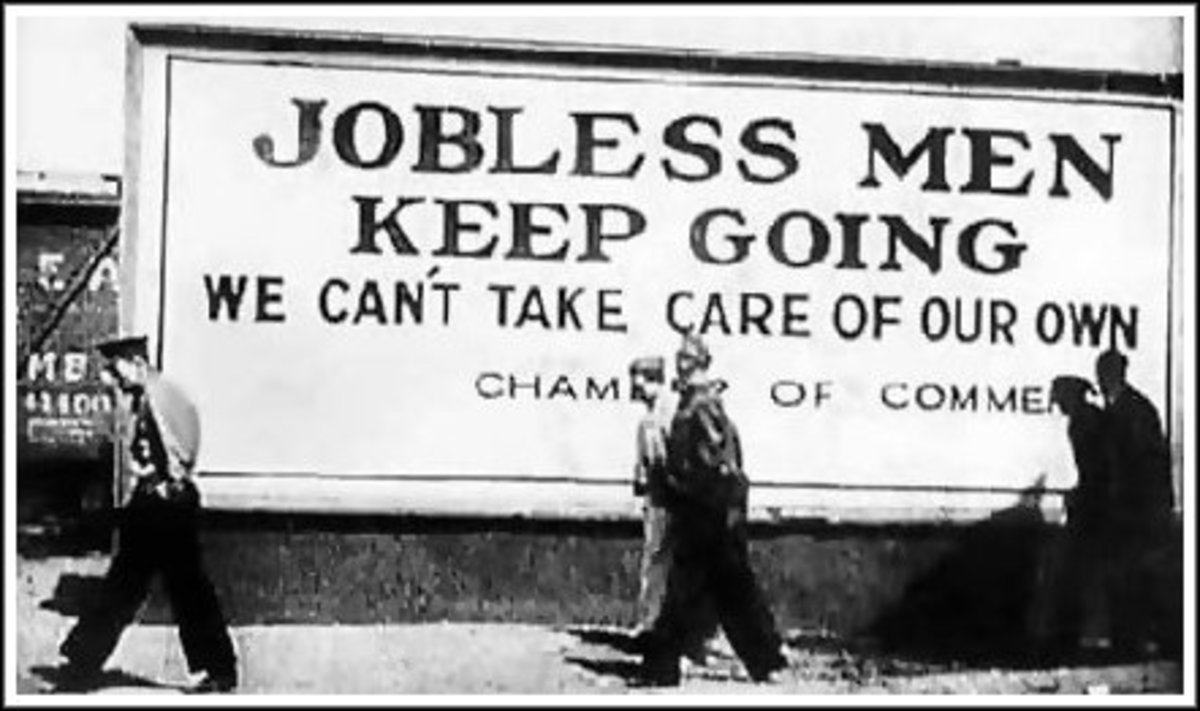
There were two highly notable, the bubble of the 1920s ending in the storck market crash causing the Great Depression, and the Dot Com Bubble of the 1990s. Other famous bubbles were the Railway Mania of England in the 1840s, the Tulip Mania in Amsterdam, the Netherlands, and the Poseidon Bubble in Australia at the turn of the 1960s and 1970s , the Nifty Fifty stocks in the early 1970s, Taiwanese stocks in 1987 and Japanese stocks in the late 1980s. The Tulip mania occured in the first half of the 1630s
Related
How to Trade Stocks - Plot Semi Log Graph in Excel – and Logarithmic Scale in Excel

Back-Testing the Robert Lichello Automatic Investment Management (AIM) System for Timing the Stock Market

Lessons from Warren Buffett's Letters: 1957 - Buffett Partnership Ltd. and the Foundations of Value Investing

Manipulate the Stock Market in "Grand Theft Auto V" ("GTAV")
The Great Depression, "Black Tuesday"