The Fascinating History of Boats
How do boats float?
All about Boats
Seems like a silly question, but what actually are boats?
Boats are the vehicles we use for travel over water. Because their shape cups air away from the water, they float! We have all seen how bubbles of air burst upwards through water in a bath or pool towards the surface. Well, this very same philosophy is what keeps boats afloat.
Of course this is not always the case, as some materials, such as coniferous wood, do float naturally. However, if it doesn't have the classic boat shape, then it's a RAFT, not a boat.
Although boats are traditionally made of biological materials, such as wood, bark, and animal skin, they are now manufactured from resin, fibreglass, and on the largest scale, metal (usually iron). Having said that, not only the largest boats are metal: traditional european narrowboats (used on the british and french canals) are traditionally made from iron and steel.
Of course, before the invent of the steam engine, there were just three main forms of boat propulsion: Wind, Man Power, and Horses. Large sails on boats catch the wind to push the boat along, however, before the invention of the keel plate, boats could not sail into the wind. Therefore man power was an essential factor of Roman, Greek and Viking Boats. Huge oars would extend from the side of the ships, and pulled by men, would painstakingly give motion to the vessels.
The invention of the Steam Engine was an important factor for boating. First used in naval ships, and then commercially, most famously with the tragic boat "Titanic". A race between propellers and screws in the 19th century decided that the propeller was most fit for boating, and so the modern powered boat was born.
Steam soon became petrol, petrol became diesel. Modern ships run on thick fuel oil.
Small yachts and narrow boats run on petrol and diesel however, as they do not require a thicker burning fraction of the crude oil.
The most advanced engine mounted on a boat was probably the Jet turbine engine, which famously powered Donald Campbell's Bluebird in which he died on Lake Conniston, England, whilst attempting the world waterspeed record.
Ancient Canoe
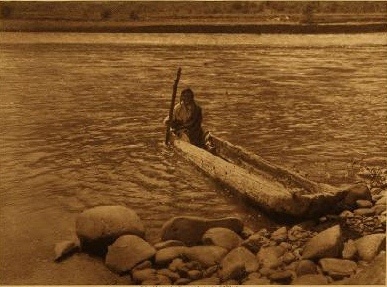
History of boating
The oldest kind of boat to be recognised by archaeologists and boats have served as a method of transport over water since the earliest times of humankind. Findings from Crete can be dated back 130,000 years ago, suggesting that boats have been in use since prehistoric ages. It is thought that these were all logboats, crafted from hollowed out trees.
In ancient civilization, boats would have played an integral role in trade between Mesopotamia and the Indus Valley Civilization, showing it has always been a huge part of the development of society.
Boats have been found in the records of ancient historians such as Herodotus, and Pliny the Elder. Truly boating was an evolutional eventuality of which the human race has fully embraced and taken in a staggering number of different directions.
Modern Recreational Boats
There are a huge number of boat types. People all over the world are using boats for different reasons, with different purposes. Recreational boat use is common throughout the world, with so many glorious seas to explore, activities to enjoy and sights to see. Some of the recreational boat types include Narroboats, Kayaks, Canoes and Yachts, of which we will find out more about below.
Barge picture
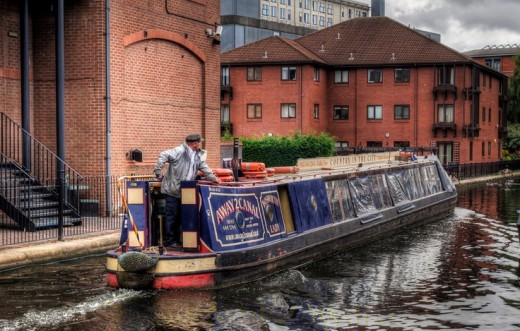
Narrowboats
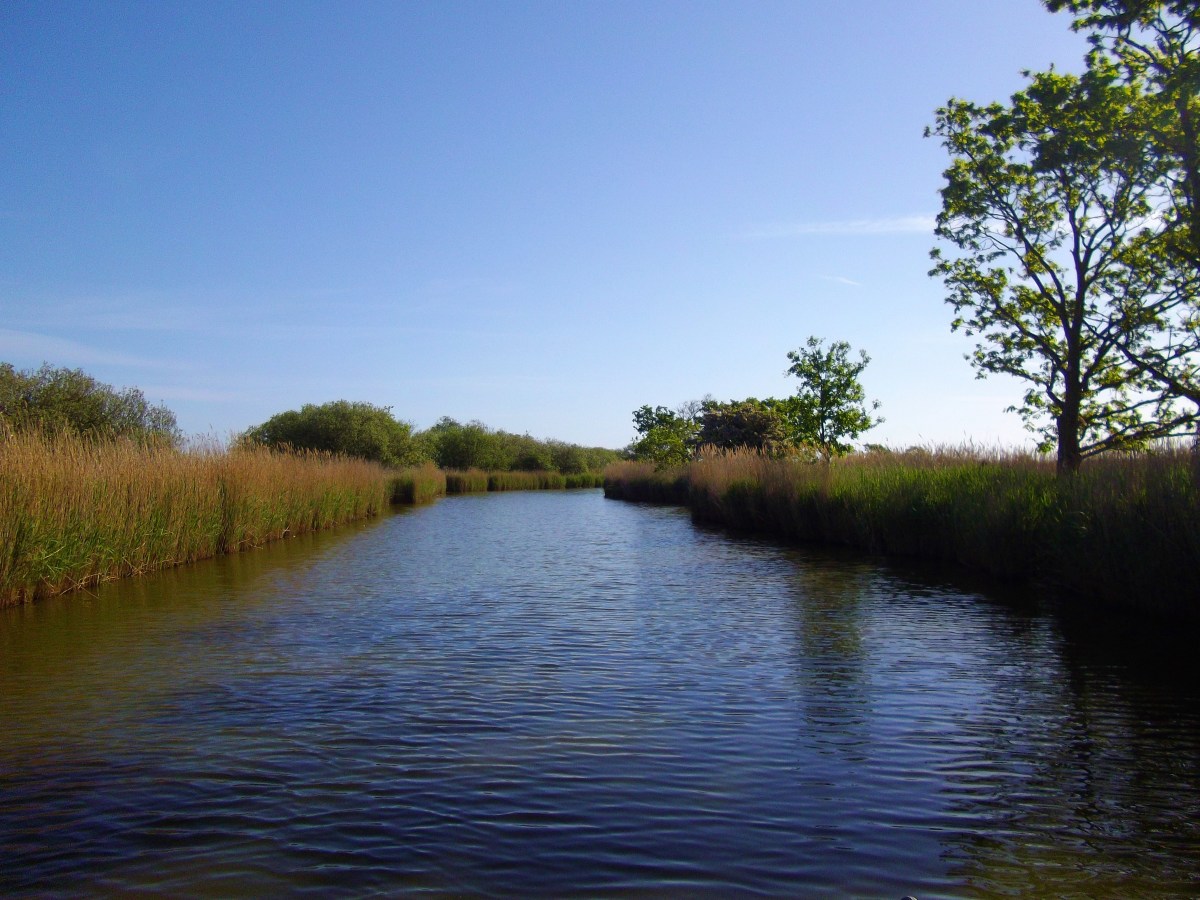
Once Great Britain's most important method of industrial transport, narrowboats made their home on the specially constructed British Canal Network, a maze-like series of waterways which stretch from central Scotland all the way down to the south coast. They do not carry fresh running water, like rivers, but in fact store water between locks, a contraption for raising boats onto a lower or higher section of the waterway between two heavy wooden gates.
The main area of a traditional narrowboat was decidated to storage of goods, with only a tiny cabin for living and virtually no back deck. They were pulled by horses which walked along a path at the side if the canal called the "towpath". Their top speed was 4 miles an hour. What's more, with the towpath being at only one side of the canal, every time two boats pased each other, ropes would have to be uncoupled etc., and the rigmarole was unbelievable. Which meant that with the advent of the train, and later, the lorry, the narrowboats and the canals fell into an EXTREMELY rapid decline. By the 1940's, most of Britain's canals were only used for fishing.
The canals decayed and silted for the next thirty years, but were finally saved by British Waterways, a new company designed to preserve and maintain the canal network in the UK. Boats are now dedicated entirely to living space, with a large back deck, and a diesel/petrol engine. But sorry to all you racers, top speed is still between 4 and 5 miles an hour (thats slightly quicker than walking). They are now an extremely popular way of taking through the water, with the thought of manouvering
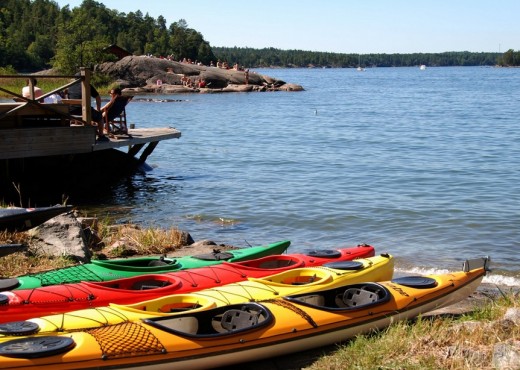
Kayaks
An ancient vessel, which has withstood the test of time in both its construction and authentic use, the kayak is originally of Arctic birth, traditionally used by Eskimos, Ainu and Aleut. It is propelled by a double-bladed paddle in the hands of the rider, which strokes in the water intermittently with alternate strokes of the paddle.
Although the tradional use for a kayak is to aid life in the arctic, such as fishing and harpooning, modern day kayakers take advantage of not just a small section of the globe, but indeed the whole globe. White water kayaking through America's rapids, sea kayaking, canal kayaking, lake kayaking and river kayaking are just a few of the new uses which kayaks have found over the last fifty years. They are a cheap way for many people to take to the water and stay dry, and are an essential item for some photographers.
Traditionally, kayaks were constructed from a light wooden frame stretched over and made watertight by seal skin. When the idea was taken to Europe, however, the seal skin soon became canvas and tar. Today all framed kayaks are sealed by a plastic material, such as polystyrene, as it is cheap and reliable. Many kayaks are, however, manufactured as a single non-framed 'shell' out of plastic, resin or fibreglass.
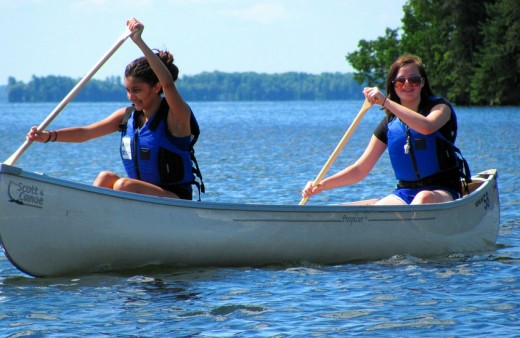
Canoes
The term 'Canoe' is a relatively broad and general term for a variety of different boats, but which all carry a number of passengers, and have pointed ends.
Constructed of wood, hollow log, birchbark or other materials, canoes are an ancient type of boat, the earliest recorded canoe having been found in the Netherlands, radio carbon dated at c.8000 BC.
Canoes are nowadays a popular way to boat, being both for white water and relaxation purposes. Although much less portable and more expensive than kayaks, canoes offer a superb method of travelling in a group along water.
Many outdoor pursuits and those that enjoy adventure watersports are frequent users of kayaks, as they make for not only an effective transport method, but a thrilling experience, whether on a calm lake or viscous river!
Most Expensive Yachts Ever Built
Yachts
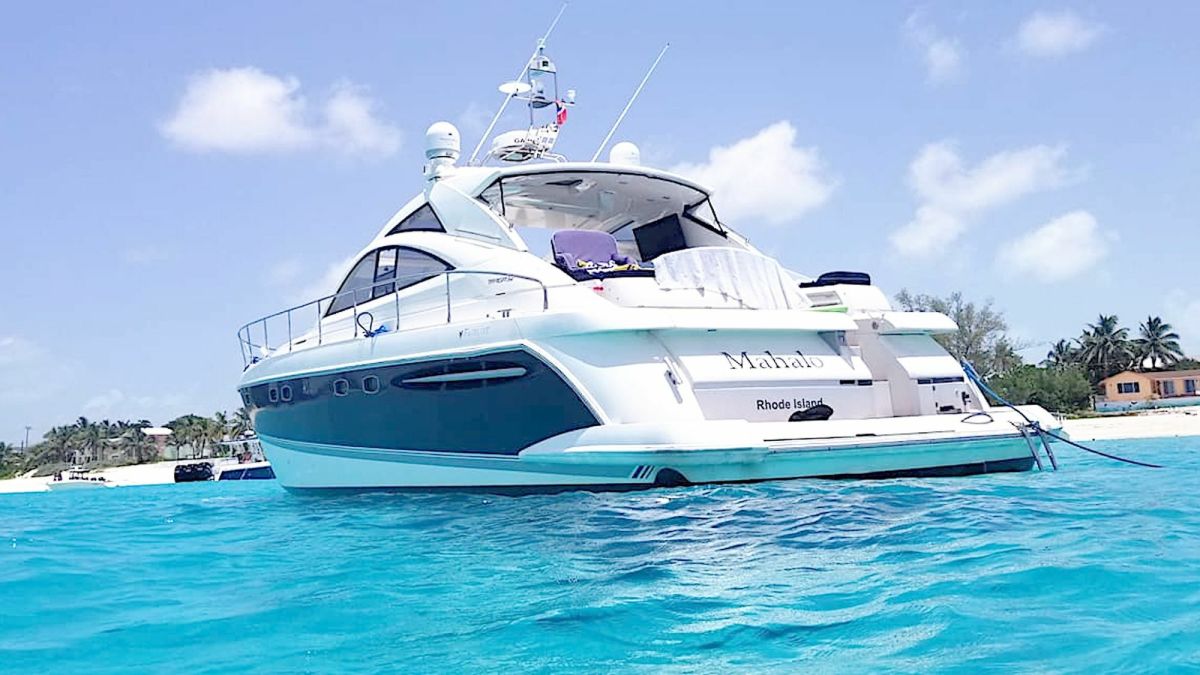
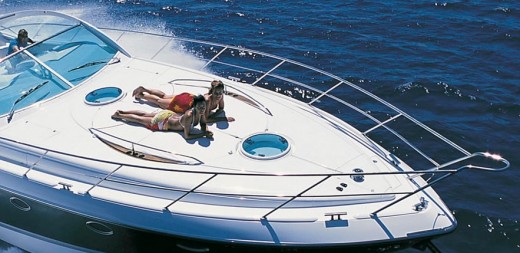
A classic boat, the yacht is purely recreational. With either sails or motors or both, yachts are the boats bought to impress and to exemplify luxury.
Yachts Range from 10 metres to over 100, and generally are seen in the colour white. The use of sails on some yachts makes them extremely eco-friendly, and motor sailing yachts go a step further as they are eco-friendly and can sail in windless conditions
The larger and more luxurious yachts are exclusively for the rich. They can cost tens of millions of pounds or more, and have included freshwater swimming pools, lounges, bars, and more.
However, the smaller yachts tend to be much more affordable, with a small cabin and only basic features. For a beginner who wishes to stay aboard a vessel at sea overnight, a cabin yacht is ideal. Owning a yacht opens up a huge range of opportunities in life, from completely transforming your typical holiday plans, to opening you up to endless new hobbies - such as fishing, wakeboarding, swimming and much more.
Boat Lifestyle
People admire boating because it allows access to a previously unaccessible portion of the earth, that's the 71% of the earth's surface which is covered with water! The boat lifestyle means you have the ability to get on the water and enjoy yourself, whether it's cruising on the ocean, saltwater fishing, coastline tours, traveling or just relaxing, sail and power boats have loads of applications which appeals to a great number of people.
However, many people aren't in a position to be able to own such a boat, and therefore boats are considered a luxury which only the successful can afford, becoming a symbol of status. It's largely forgotten that for many people sailing is in-fact a lifestyle choice.
Kayaking Lesson
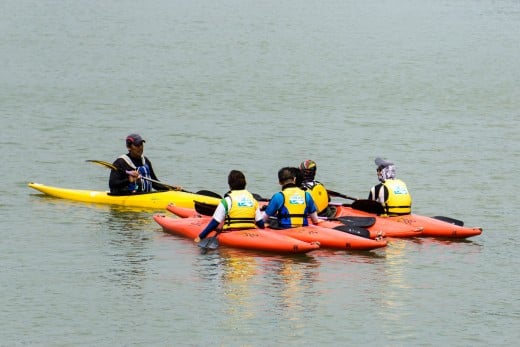
Get involved with boating
Now, depending on what kind of boat you are looking to get in control of there are countless options on how you can get to grips with seafaring.
Kayaking
If you're interested in small scale boats such as kayaks, you'll probably find that there is a kind of kayaking society at your local swimming pool where you can learn the basics, you can also purchase a kayak for a relatively small amount of cash.
Power-boating
Power-boating is a little harder to get into, it requires you passing a powerboat course/qualification. Level 2 Power-boating is a 2 day course in which after no prior experiecne you can become a self-sufficient power-boater in the right conditions.
Yachting
It's a similar story with yachting, albeit in order to become a master of yachting it will take years of practise and dedication. There are several levels of qualifications that you can achieve to increase your proficiency.When you start to consider this variety of boat it becomes also becomes more of a commitment, however with the added benefit
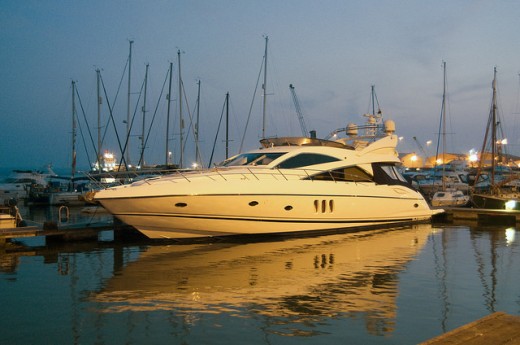
Yacht Brands
At this stage, it would be helpful to point you towards a couple of trusted brands of boat for those seeking further information.
Sunseeker
In some ways considered the ultimate yacht brand, with a large selection of leisure and sport yachts, with humble beginnings as a Poole boat manufacturer, and the Sunseeker brand is now something of an international icon. Whether you are seeking a large yacht, sports yacht, or specifically the predator, Manhattan or San Remo class of boat, you are bound to be pleased with the results.
Jeanneau
Perhaps one of the most exciting brands of yacht there is on the market today. Their Sun odyssey range of cruiser models are proving extremely popular with today’s boat enthusiasts, available in a plethora of different sizes from large family-sized yachts to smaller varieties suited to a couple of passengers, there is one to suit nearly any function.
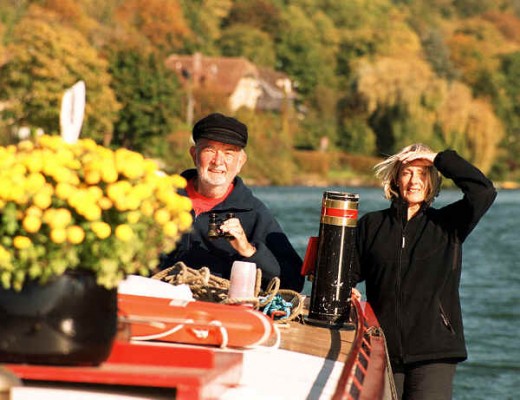
Amazing boating stories
In 2004 a retired couple actually succeeded, for the first time sailing a narrowboat across the english channel.
Despite being called suicidal, they modified their barge to withstand the exposed ocean channel, picked the calmest day they could, and embarked across the channel. When arriving into Callais, France they faced their biggest challenge yet; a 70ft sea-cat ferry leaving the port for dover.
The ferry threw up a six foot wall of water of which the narrowboat had to drive straight into otherwise they definitely would have capsized! Thankfully they made it into port, despite the turbulence of the ocean (and the upset dog in the boat below), and took a pleasant canal journey to Carcassonne.
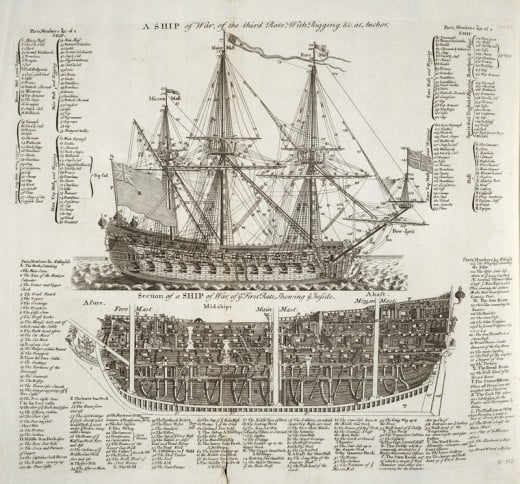
A side-view of a warship
Boating Poll
Would you be interested in trying boating?
Boating Basics
Summary
All in all, boats are finding themselves as a more and more regular part of our lives, and continually evolving into different shapes and sizes. Boats are becoming more and more accessible for anyone to learn and buy. If this hub has peaked your interest in boating, then that is wonderful news, and you should decide on what capacity you would like to be involved with.
Use the links provided to look at brands of boats, kinds of boating and anything else you can think of.
Thanks for reading! Below is a glossary of boating terms, incase you get confused.
Glossary of Boating Terms
Adrift: Boat not anchored or moored, loosely floating.
Aground: In contact or stuck on the bottom/sea bed.
Alee: Upwind, into the wind
Bilge: The hull inside eg. beneath floorboards of deck.
Boat: Please see description at beginning of page
Boot Top: A painted line which indicated the position of the waterline.
Bridge: The "Driving Room" or control centre of a vessel.
Buoy: A floating but anchored indicator of shallow waters, rocks, or wrecks.
Burdened Vessel: Must allow the vessel with privellage to pass before itself.
Cabin: The Living area for passengers and crew.
Capsize: For the boat to turn over in the water.
Cast off: To let go of the vessel.
Catamaran: A boat with two hulls, side-by-side.
Cuddy: A small shelter section in a cabin boat.
Current: The movement of water (horizontally).
Deck: A permanent covering of a hull or compartment, which is walked upon.
Dinghy: A small open boat - sometimes inflatable.
Dock: A protected area in which craft are moored up.
Fathom: Six feet.
Flare: A distress signal, in the form of a firework sent up to the sky.
Galley: A boat's kitchen area.
Gangway: The area in which passengers and crew board and leave the vessel.