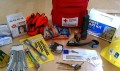
Survival Kits: List of Supplies Needed for Emergency Preparedness - Items for Your Checklist

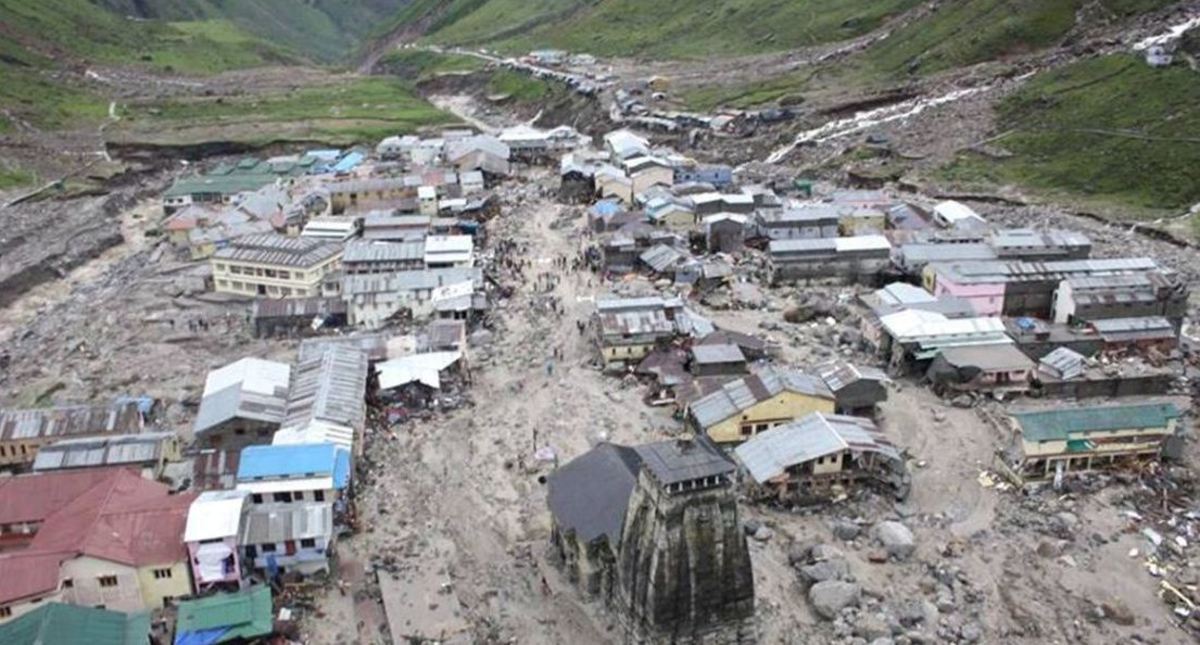
In my house, checklists are not only for grocery shopping. As survival-conscious folk, we try to be prepared with everything we'd need in the event of a disaster. The time to plan is now, when there's no emergency going on. To be ready for disaster you need one or more survival kits equipped with food, water, first aid, and other necessary emergency supplies. Survival kits help you prepare for the event of a power outage, an earthquake, a life-altering pandemic, a natural disaster like an ashfall or any life-altering event you can't foresee that can cause people to lose power or access to food and water. Here I discuss what supplies should go into these kits so you can make your own checklist customized to your living situation.
What goes into your personal kit depends on:
- What kind of disaster you're preparing for
- Your geographical location
- Your personal situation
If you've just moved to a new area, before you start, you'll want to find out the official procedures and advisories for disasters likely to occur in your area. Sometimes even a small move can mean a completely different disaster potential, as we well know from our travails moving around the Pacific Northwest.
The information below covers what is generally needed in most emergency situations. You'll find a checklist for survival preparedness in the event of hurricane, winter storm, tornadoes, volcanoes and other natural disasters and potentially life-threatening events. A list of helpful emergency and disaster preparedness links is included.
I wish you good luck getting ready for a disaster - and here's hoping you never need to use your survival kits.
How Many Emergency Survival Kits Should I Have?
Assemble a disaster survival kit for:
- each place of residence
- each workplace or "day" address
- each car
Storing Your Survival Kits
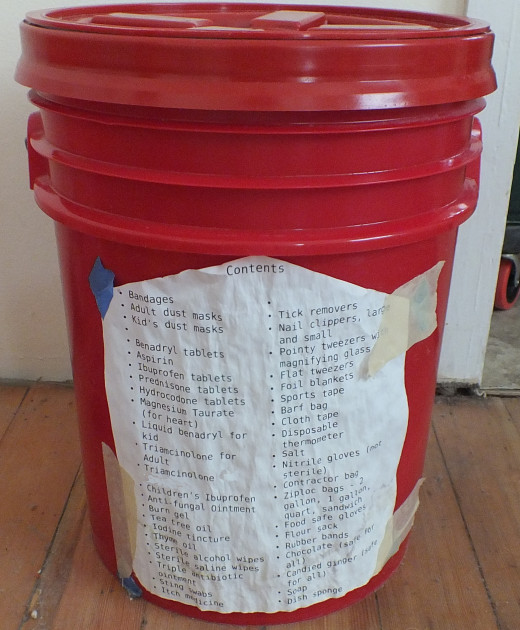
Store your disaster kit where it's easily accessible to all - for example, not on a high shelf where it's hazardous for some members of the household to access it - in a portable container, such as:
- duffel bag
- trunk
- large backpack
- clean trashcan
SUMMARY: Checklist of Supplies Your Emergency Disaster Kit Should Have...
Below is a quick list for your convenience. Further down on the page, you'll find more details about the essential items to include.
- emergency preparedness manual
- CPR / first aid manual
- first aid kit
- dust mask
- ABC fire extinguisher
- carbon monoxide sensor (installed in your home, not as part of a kit)
- drinking water (bottled at the factory in long-term storage containers) - 1 gallon per day per person
- paper or plastic cups
- heavy or warm blankets (not light cotton, not electric)
- gloves
- numerous pairs of socks
- comfortable walking shoes
- raincoat
- waterproof hat
- waterproof boots
- extra clothes
- paper plates
- plastic utensils
- 3 day's supply of emergency food rations
- can opener (manual)
- plastic sheet
- duct tape
- rope
- extra set of keys
- soap
- toilet paper
- hydrogen peroxide and rubbing alcohol disinfectant
- disinfectant wipes
- diapers and diaper wipes (if you have kids)
- pet supplies
- garbage bags
- plastic bucket with lid
- any prescription medications needed and the doctors' written prescriptions
- battery powered radio
- extra radio batteries
- signal flare
- whistle
- battery powered flashlight and extra batteries
- battery powered lantern and extra batteries
- knife or multitool
- pliers or wrench or multitool
- vital records
- ID cards
- insurance records
- cash / cashier's checks
- telephone calling card
- glasses
- cell phone (but there may be no signal, so don't let this be your sole means of communication)
- telephone number list
- personal care item: toothpaste, toothbrush, towels, deodorant, etc.
- entertainment items
For the emergency kit for your car:
- Road maps (local and national) with travel route
- Known destination
- List of alternate routes and places to stop if traffic is prohibitive
- extra fuel
- signal flares
- jumper cable
Breathable Air: Essential
You need breathable air to live, period. Furthermore, some disasters make the air breathable, but hazardous, such as during earthquakes or volcanic ashfalls.
For your survival kit, keep protective dust masks designed to filter out the hazards likely to contaminate the air in your region. For more details on dust masks to protect you in cases of deteriorating air quality, see my article on what to do in the event of a volcanic ash fall.
Drinking Water: Essential
You need water to drink. Each person in your home needs one gallon of water per day - half is for drinking, and half is for sanitation.
The official advice is to have enough water to last your family and anyone staying in your home during an emergency for at least three days (72 hours). The recent New York Times article on the scale of the possible disaster should the "Big Earthquake" hit the coast in our lifetime has really brought home, though, that three days could be a vast underestimate.
- Make sure the drinking water is potable.
- Buy it bottled.
- Keep it sealed closed.
- Don't use tap water.
- Don't bottle it yourself--there are serious safety risks of contamination associated with this.
- Check the expiration dates and replace the water when they've passed.
Food: Essential
Store 3 days' worth of non-perishable food rations that don't need to be cooked or refrigerated in your preparedness kit.
Keep pet food and baby food on hand if you have pets or an infant.
All food preparation equipment - such as can-openers - should not run on electricity.
Your survival food rations can include:
- canned goods
- vacuum-packed food
- crackers
- beef jerky
- raisins and other dried fruit
Warmth: Essential
We were caught in the middle of a winter storm without power one year for several days. It was scary enough that now we're always prepared for a winter outage. Keeping warm is essential, as hypothermia can make people lose the ability to make bad survival decisions. (As my husband bluntly says, it makes people "stupid.") Even if it doesn't seem very cold, the cold can seep in, and this is dangerous.
One thing we made sure we had after that winter was these 
Other Warmth-Bringing Considerations
Protect yourself from chill by having clothes ready to be worn in layers. Having multiple layers instead of a single layer of insulation helps prevent you from overheating and then, a bigger mistake, overcooling when you remove the warm insulation.
An emergency shelter can be created from plastic tarp and duct tape.
Sanitation: Important
Sanitation items include those necessary to wash, disinfect, maintain personal hygiene and go to the bathroom. Handle wastes using plastic buckets and trash bags, if necessary.
Health Supplies: Important
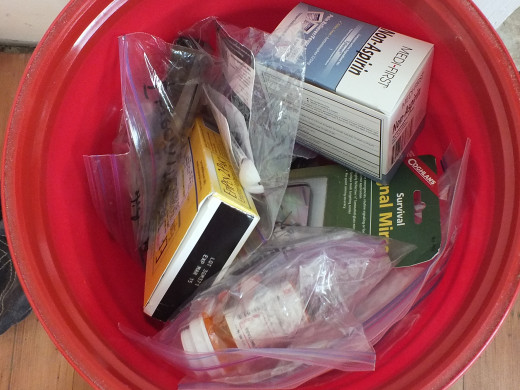
The health supplies you keep depend on the people in your household. Keep a supply of prescription and over-the-counter medications used by those in your household, including pets, in your survival preparedness kit. There are many items that can go into a fully outfitted first aid kit, but at minimum, always have a first aid kit handy that is stocked with
- medical tape
- bandages
- painkillers
- sterile pads
- gloves
- triple-antibiotic ointment
- first aid manual
Communication and Light: Helpful
Battery-powered light sources such as torches and flashlights are helpful in an emergency. (I use and highly recommend the LED Lenser flashlights.) So are a battery-powered radio and whistle. Keep multiple flashlights available. Make sure you stock spare batteries and regularly change the batteries.
A signal flare is especially advised in car emergency kits or in home survival kits where disasters that may make you difficult to spot occur.
Do not assume your cell phone will be operable--quite often in emergencies, cellphones cannot get signals.
Special Items
Keep an assembly of other supplies on hand for various functions, including:
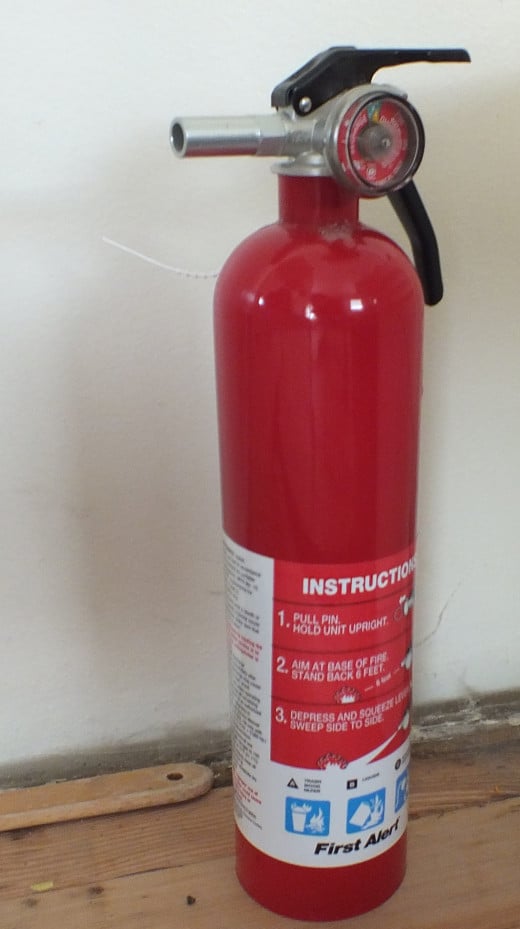
- ABC small fire extinguisher in case of fire
- Smoke alarms and carbon monoxide alarms
- Pliers or wrench to turn off any utilities (follow your public utilities safety guidelines)
- Cash, including change, as ATMs may not be within reach or functional
- Old pairs of glasses, if you have them
- Entertainment items for kids and adults may include paper, pens and books. While these may seem like a luxury, they can keep the members of your household from going stir-crazy.
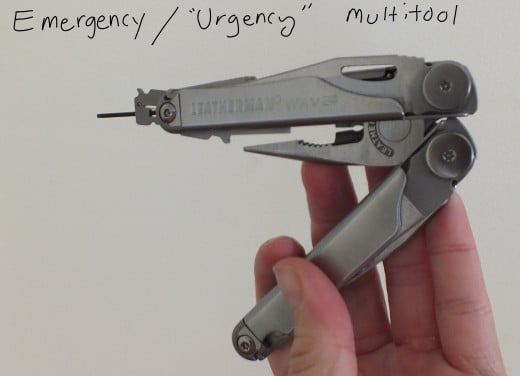
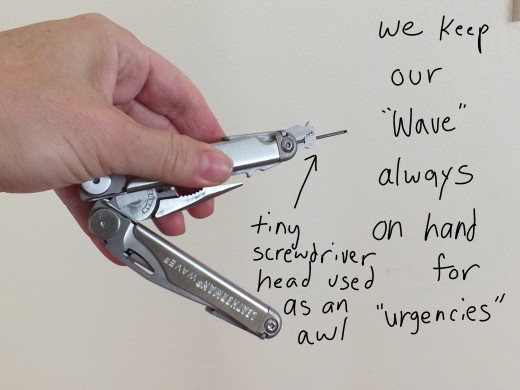
- Multi-tool for a multitude of uses. A "multi-tool" is several tools in one compact form. We use the very durable
Leatherman Wave both for non-urgent and urgent uses.
The members of your household may need unique items, particularly if they have a disability or health problems. Make sure they are well prepared for. It doesn't hurt to ask each person what they could not do without and try to include these items in your survival kit.
Emergencies and Pets
Survival Preparedness Tips
- FEMA recommends you stock your survival preparedness kits with enough survival supplies to last at least 3 days, and up to two weeks.
- Have an escape plan ready. Decide where your household members will meet in the event an emergency happens unexpectedly. Form a plan for where to go if people are out of the house, at work or at school. Form a secondary plan if the first one is not possible to implement.
- Have a communication plan ready. Make sure everybody knows not to risk their lives in order to communicate with loved ones. Lay out a strategy for restoring broken communication lines in case you're all separated.
- Train your household in emergency readiness through discussions, literature and drills. Review regularly.
- Learn first aid and CPR.
- Assume you'll be without electricity. Consider all the features of life you may take for granted, and plan for them. No Internet may be available, for example.
- Avoid dulling your alertness during a disaster. Don't drink alcohol or take tranquilizers--avoid antihistamines, if possible. If the environment is cold, stay warm to avoid hypothermia and the consequent mental disorientation. Keeping alert can be the difference between surviving and not surviving.
- Learn the safe way to shut off utilities--electrical circuits, the water valve, or natural gas--that may become hazards during certain types of emergencies. Contact the utility for instructions on how to safely turn off utilities.
- Replace batteries, food, water, and other supplies when they expire.
- Learn all safety instructions for all emergency equipment, such as gas generators.
- Keep any supply of gasoline away from children.
- Make sure your kids know how to safely handle any emergency equipment they may use.
Helpful Disaster Survival Kit Links
- How to Protect Yourself from a Volcanic Ash Fall and Its Health Hazards
Volcanic ash from erupting volcanoes such as Mount Redoubt, Mt. St. Helens or the Icelandic glacier volcano is an environmental danger as well as a safety and health hazard. Protect yourself from an ash fall by following these volcanic ash preparedne - CDC Emergency Preparedness & Response Site
- FEMA Disaster Survival Supplies page
FEMA lists emergency supplies to have on hand in the event of a disaster. - Occupational Safety and Health Administration: Emergency Preparedness and Response
Emergency Preparedness and Response
Disclosure
The copyright holder of this article may earn commissions on items bought through promotional links on this page. See my full disclosure statement.
Related

Essential supplies to stockpile in case of disaster.
Emergency Preparedness 72 Hr. Kit: Bedding and Clothing
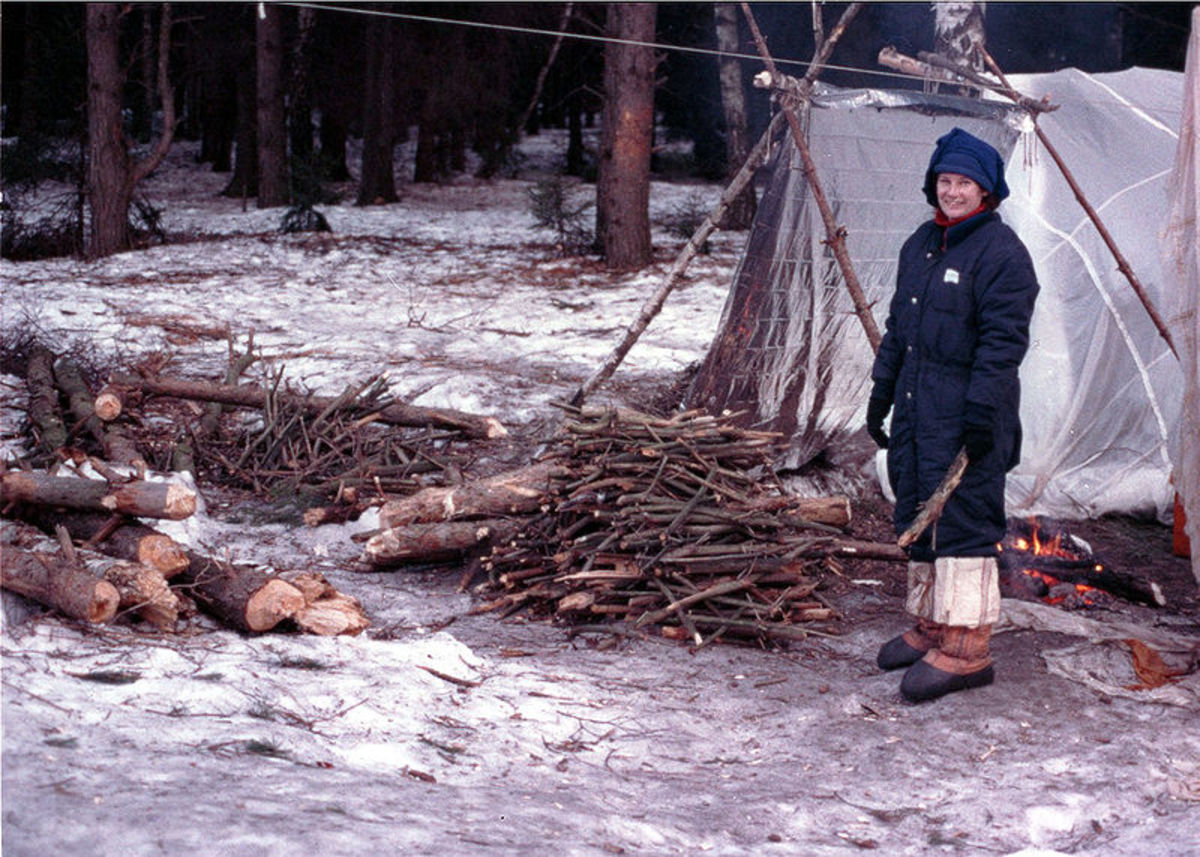
Top 10 Human Survival Stories: The Best Stories of Survival Legends!

For the Practical, not the Extreme: Practical Bug Out Bag at Home
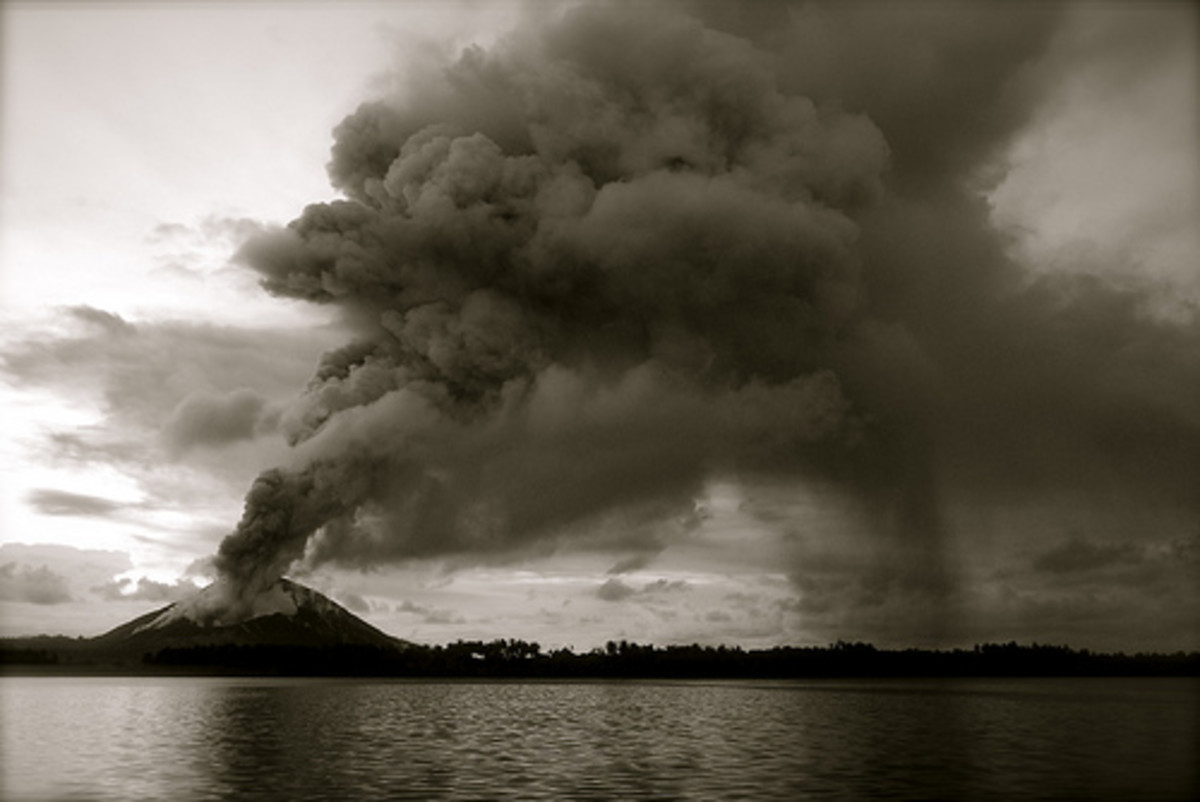
How to Protect Yourself from a Volcanic Ash Fall and Its Health Hazards