Tea tree oil - benefits, history (scurvy!) and uses
An introduction to tea tree
Many years ago, a secret lagoon hidden off the Australian coast reputedly had magical medical powers. The local natives would bathe in its waters to cure burns and wounds.
This lagoon, as it turned out, had several
native trees growing near its banks, and their falling leaves
transformed the pool into an antiseptic bath. The colour of the water was turned brown by the oil from the leaves, hence the "tea" name in English
Now we know that the melaleuca tree, also known as the tea tree, produces an oil with many healing properties.
Read on to discover the many uses of this
amazing essential oil, for skin, hair, and for use in and around the home.
History of the tea tree and tea tree oil
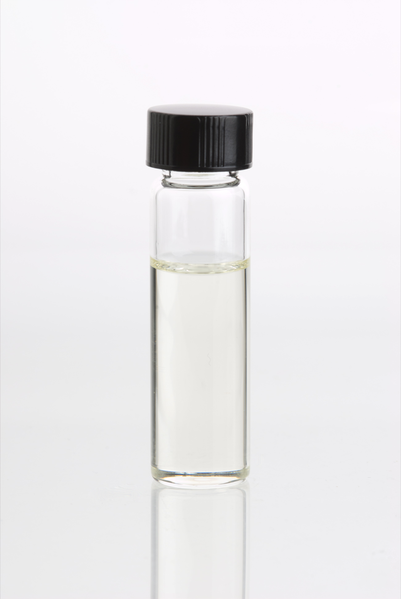
The tea tree, also known as Melaleuca alternifolia, produces a pale golden-colored essential oil obtained by steam distillation of the leaves.
The tree is native to Australia, and the aborigines of the region were the first to discover the healing properties of tea tree essential oil. They treated cuts, burns, and skin infections by crushing the leaves of the tea tree and applying them to the affected area.
In the 1770s, the British explorer Captain Cook noticed the native Australians brewing an herbal tea from the tree’s leaves.
He brewed
tea of his own from the plant and gave it to his crew to prevent
scurvy, coining the name “tea tree.”(Don't try this at home, it's not terribly good for you in general, although it does contain vitamin C which prevents and cures scurvy).
Australian scientists began testing the antibacterial properties of tea tree oil in the 1920s. A doctor found that tea tree oil was at least ten times more effective than the standard antiseptics in use at the time.
Soon, physicians and hospitals began using the oil to sterilize instruments and prevent infection. Australians then began to use the oil in household medicine kits as a common treatment for skin conditions and fungal infections.
During World War II, tea tree oil was standard issue in the first-aid kits given to all Australian soldiers and sailors.

- Tea Tree Oil Benefits and Uses - Melaleuca Oil Report
Tea tree oil can be use to alleviate many common ailments especially acne. - UWA Tea Tree Oil Research Group
The primary aim of the group is to investigate and characterise the medicinal properties of tea tree oil, in particular the antimicrobial properties.
Tea tree essential oil benefits
Today, many studies have proven what the aborigines knew about the oil.
One modern test proved that tea tree oil is effective against fifty-eight clinical pathogens.
Tea tree oil is effective against Escherichia coli and is showing promise of being a treatment for Staphylococcus aureus, including MRSA (an antibiotic-resistant type of staph).
Research also indicates that tea tree oil kills the germs that cause acne, warts, and boils, and that it inhibits infections from colonising first and second-degree burns.
Tea tree oil is also reputed to speed healing and to have a mild analgesic effect, effectively reducing pain and inflammation. For this reason, the oil is often found in burn ointments and sunburn lotions.
Other
tea tree oil benefits include:
Athlete's foot treatment: After twice daily applications for four weeks, tea tree oil solutions were found to be moderately effective against this persistent foot fungus.
Acne zapper: A recent study compared the effectiveness of tea tree oil gel with benzoyl peroxide lotion in people with mild to moderate acne. People in both groups had a significant reduction in acne lesions, and although the tea tree oil took longer to work initially, the patients who used it had fewer side effects.
Dandruff remedy: A study examined the use of tea tree oil shampoo in people with mild to moderate dandruff. After four weeks, the tea tree oil shampoo significantly reduced symptoms of dandruff.
Household uses of tea tree essential oil
Super disinfectant: Add a teaspoon of pure tea tree essential oil to a gallon of water when washing windows, floors, toilets, bathrooms and kitchen surfaces.
Laundry aid: Add two teaspoons of tea tree oil to your washing machine load for a fragrant, fresh wash.
Pest deterrent: Household ants and other pests avoid tea tree oil, so a few drops placed at the point of entry will deter them. Wipe cupboards with an oil and water solution to chase away cockroaches.
Magic eraser: Remove scuff marks from a linoleum floor by rubbing a few drops of oil on the spot, then wipe the marks away with a damp cloth.
Mildew help: Wipe walls and showers with a tea tree oil/water solution to prevent mildew growth.
Sticky saviour: To remove chewing gum from hair, apply tea tree plant oil. The gum will lose its stickiness and you can wipe it away.
Cloth nappy / diaper soak: Add 20 drops tea tree oil to approximately one gallon of water, stir, and soak the nappies overnight in the mixture.
Herbal Lore
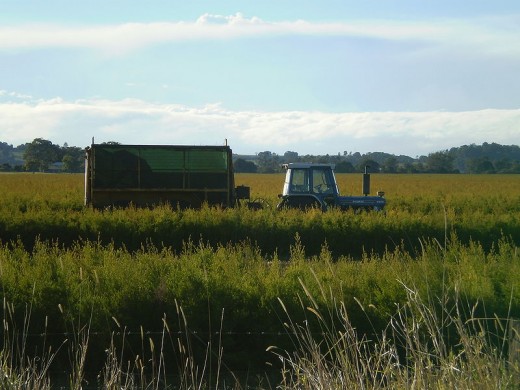
During World War II, workers in Australian munition factories used tea tree oil to heal cuts on their hands from metal filings and machinery. The antiseptic balm was called “cutting oil.”
Cautions and side effects of tea tree oil use
Tea tree oil should never be taken internally, even in small doses. It can cause impaired immune function, diarrhea, and potentially fatal central nervous system depression.
The tea tree oil in commercial toothpastes and mouthwashes is generally considered to be acceptable because it is not swallowed.
According to studies, tea tree oil may alter hormone levels. There have been three reports of topical tea tree plant products causing unexplained breast enlargement in boys. People with hormone-sensitive cancers should also avoid tea tree oil.
Don't use tea tree oil if you are pregnant or breastfeeding, and keep tea tree oil out of the reach of children and pets. Occasionally, people may have allergic reactions to undiluted tea tree oil, ranging from mild contact dermatitis to severe blisters and itching.
Related
Comparing Australian Essential Oils: Fragonia, Kunzea, and Tea Tree

Is Tea Tree Essential Oil an Effective Remedy for Skin Problems and Infections?
Essential Oils Are Shapeshifters
Aromatherapy Therapy - Essential Oils
Essential Oil Ingestion: Side Effects, Interactions and Warnings for Lemon Essential Oil