The Ultimate Leopard Gecko Manual

“Who else wants to have the Coolest and Healthiest Leopard Gecko ever-- and one that lives twice as long as any others!!" ASAP!!!
Dear Friend of Leopard Geckos: My name is Phoenix Hayes Simmons and I've been caring for Leopard Geckos for over 10 years. It started as a hobby, taking care of my son's pet, and In that time, I have gained a huge amount of knowledge about Leopard Geckos. As a Gecko enthusiast, I have done extensive research and talked to numerous Leopard Gecko owners and experts. I'd like to share my knowledge with you, free of charge. Feel free to browse the links on this site for more information about geckos,
Where Leopard Geckos can be purchased safely to ensure a healthy Gecko and what do you look for to ensure that you do not buy a sick pet?
The importance of the correct substrates in the tank.
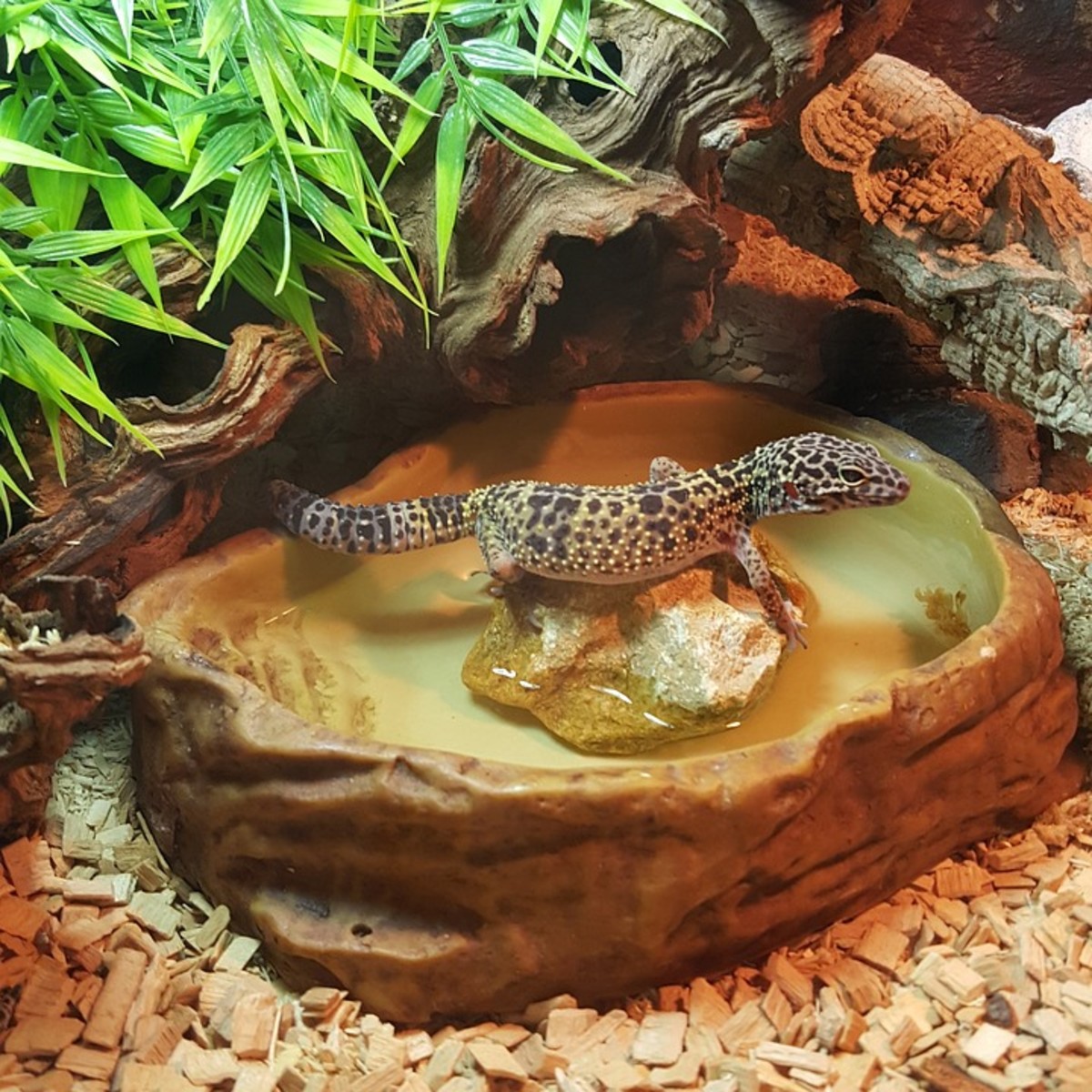
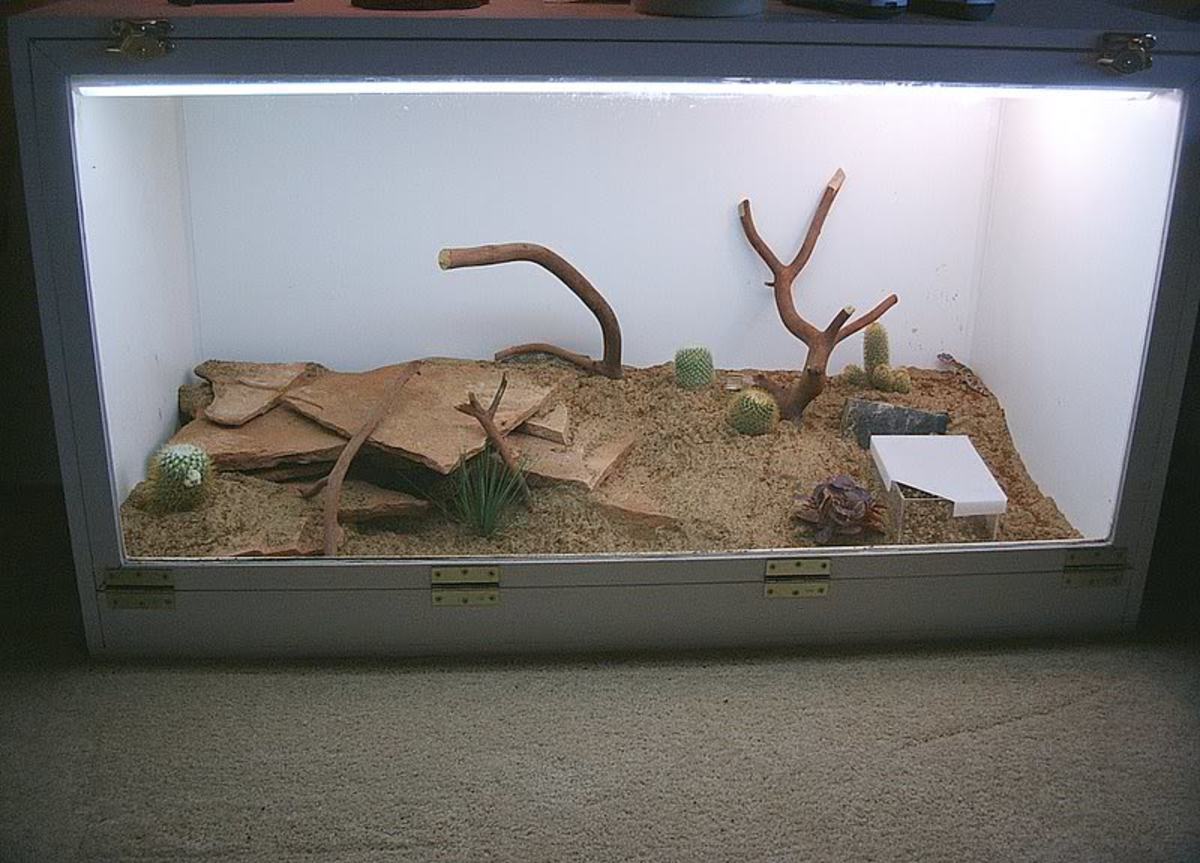
Tips for setting up a beautiful terrarium that your Gecko will love and be the envy of all other gecko enthusiasts!
What is gut loading when you feed your gecko? What do you feed your gecko?
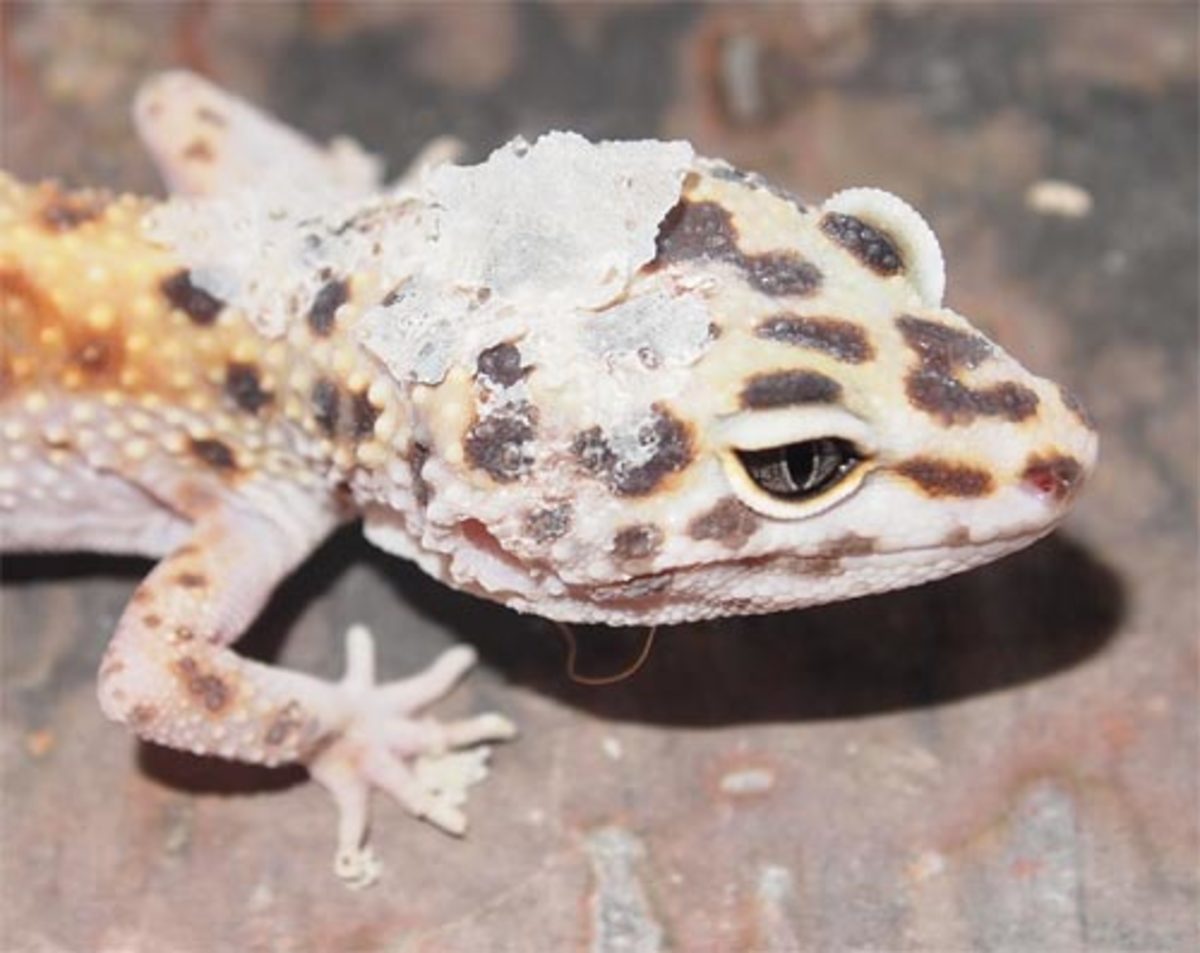
What are some common sicknesses that can afflict Leopard Geckos? How can you learn to identify a sick gecko before it is too late?
What is a Vivarium and why do some people house their Leopard Geckos in them?
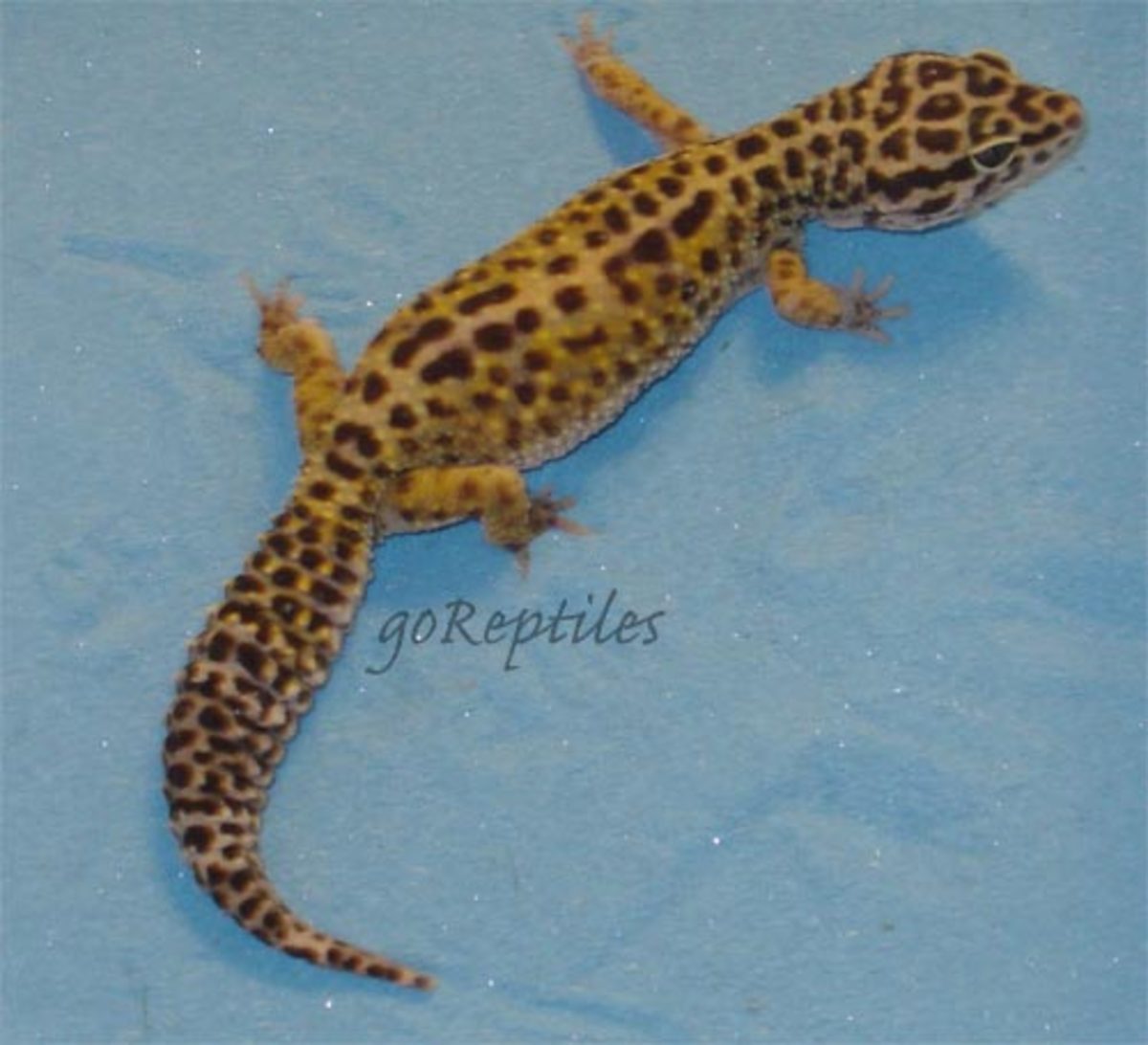
What are some of the various types and subspecies of Leopard Geckos and which one would you want to own?
What is involved in breeding Leopard Geckos?
Only $4.99-Learn all about your Gecko
Leopard Geckos
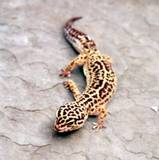
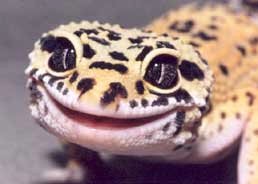
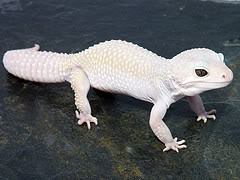
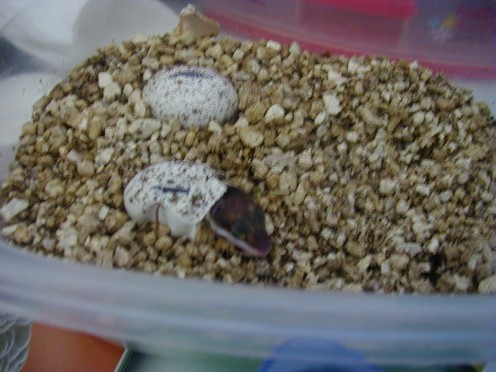
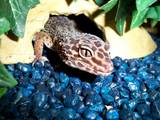
Substrate is a significant concern, as well, and a point of great contention in the leopard gecko community.
Leopard Gecko Substrates
Substrate is a significant concern, as well, and a point of great contention in the leopard gecko community. Some substrates are considered to be safer than others, while some are downright dangerous. There are a few that people have varying viewpoints on, such as sand.
Your lizards will not do well on bare glass, so it's a good idea to provide them with something to live on. There are many different options available, from newspaper to sand to stone to wood chips. You can find many of them in your home or local pet store. However, don't assume safety.
Some are more convenient than others, and some are actually hazardous to your lizard and can cause significant health problems. Don't assume that just because a substrate is offered in the pet store, it will be safe. Even bedding labeled for leopard geckos may not be a good idea.
Leopard geckos should never be housed on cedar or pine, as these aromatic woods are poisonous to them, and to nearly every other small animal kept as a pet. The substances that keep these wood chips smelling good are also toxic when inhaled in large quantities or when eaten.
Remember that there is a good chance your pet will consume some of its substrate when it catches insects, or in an attempt to increase its calcium levels. Choose a bedding that will not block its digestive system or be poisonous.
This tendency is one reason that some people choose to bed their lizards on special calcium-rich sand, as it provides a calcium supplement when ingested, and will not be poisonous. However, there is some debate about the digestibility of this substrate, as well as concern
over the use of other types of sand, as they can cause blockages of the digestive tract.
Health problems may occur with sand beddings, most commonly in young geckos. Aquarium gravel and walnut shells may also be dangerous, as they are small enough to eat, but not large enough to pass successfully through the digestive system.
If sand is chosen, make sure that it's the finest sand you can find, rather than a coarser builder's sand, and provide regular and copious calcium supplementation to discourage your lizard from eating it. Many people successfully keep their animals on sand without problems, but they must pay careful attention.
If using paper, such as newspaper or paper towels, make sure that it is blank, or that any inks used are non-toxic. This substrate has the advantage of being extremely easy to clean. Just remove the paper and add new substrate whenever it's dirty. It's not a very natural looking option, however.
Bark is usually a poor choice, being hard to clean and easy to ingest. Reptile carpet, specially made for use with snakes and lizards, is a washable, easy to clean substrate that comes pre cut to the most popular tank sizes, but does not offer a natural appearance.
Some people also choose to use slate or ceramic tiles, since these are relatively natural in appearance (unglazed ceramic is better for this than glazed) and provide flat basking surfaces without the danger of substrate ingestion.
No matter what substrate you decide to use, make sure that it's clean and free of dangerous objects or substances before placing it in your terrarium. Decide whether you want to simply be able to clean it, or if you'll need to replace it when its dirty, and whether a natural look is a big priority. This will tell you the best bedding for your geckos.