How to Make a Good Collage

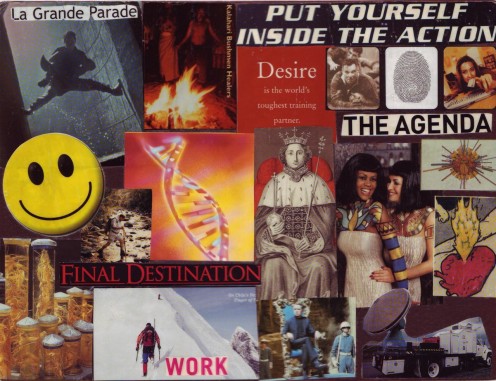
I was introduced to the art of collaging when I was thirteen-years old. A friend of mine was spending the night at my house and asked if I had any old magazines I wouldn't mind cutting up. Of course, at that age, I had dozens of periodicals such as "Seventeen", "YM" and "Jane". She explained to me that she had recently seen a collage beneath the glass surface of a coffee table and had become fascinated with this art form. Enthralled by anything crafty, I quickly caught on to her enthusiasm and we spent the evening collaging shoeboxes, then posterboard, then notebooks and binders. It was an activity that would keep me busy for the next ten years, well into my twenties.
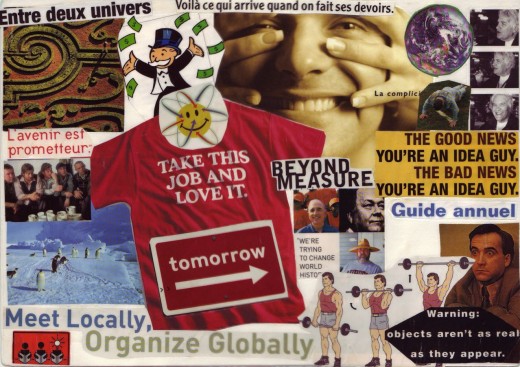
Collage is defined as a technique of composing a work of art by pasting on a single surface various materials not normally associated with one another, as newspaper clippings, parts of photographs, theater tickets, and fragments of an envelope.
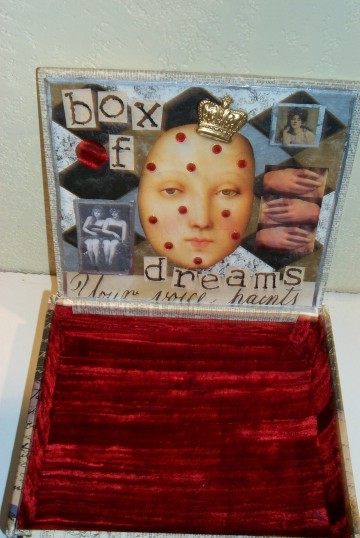
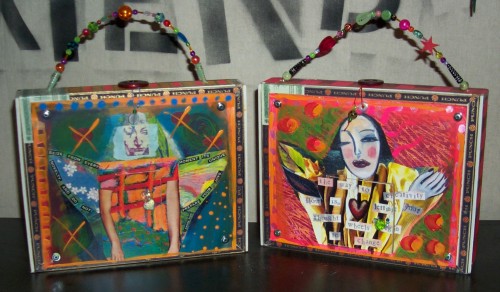
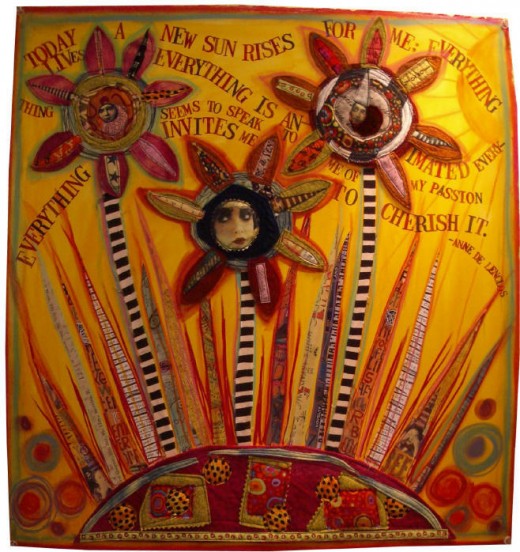
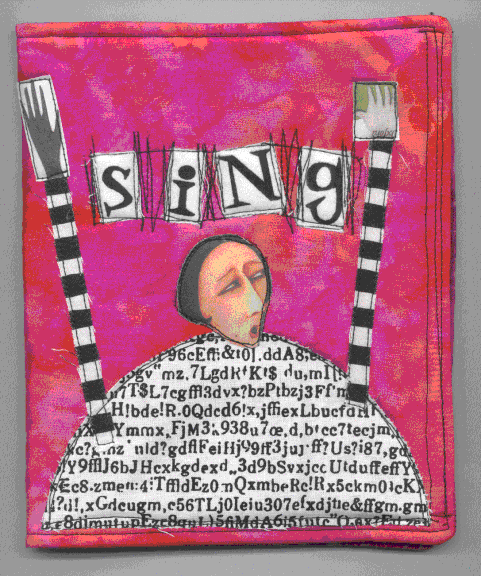
COLLAGES
Click thumbnail to view full-size


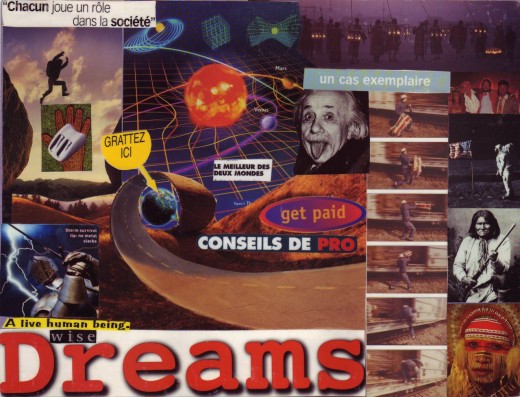
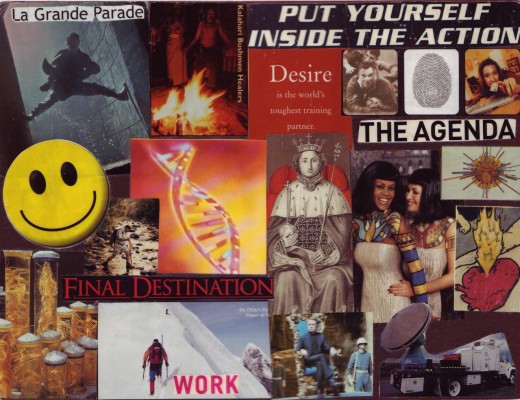
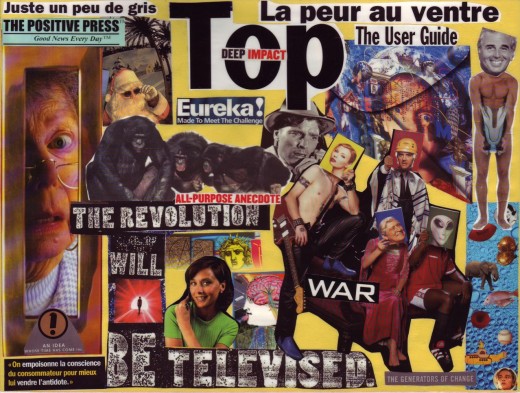
MATERIALS LIST
- Any printed material such as old magazines, newspapers, advertisements, brochures
- Scissors, the smaller the better as you will sometimes need to cut out very tiny words
- Glue -- I recommend Mod Podge because it's a glue, sealer and finisher all-in-one, and you can choose between a matte or glossy finish
- A usable surface. Virtually anything can be collaged--a shoebox, the cover of a book, a picture frame, a wall. One of my favorite things to do was to go to either IKEA or the local craft store and purchase wooden picture frames, magazine racks, desk organizers and keepsake boxes for a couple of bucks and collage them.
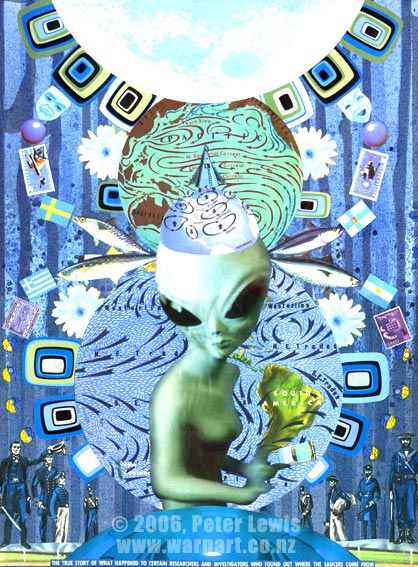
HOW TO COLLAGE
Sometimes it's a good idea to have a theme in mind, such as "summer", "love" or "friendship" to help get you started. Flip through the magazine and clip anything that catches your eye--an image, a phrase, an advertising slogan, etc. Don't worry about cutting them out neatly (you'll trim them up later) just get them out of the magazine and put them to the side. Once you've got about 50 snippets, you're ready to start trimming them to scale. Cut off any jagged edges and trim as close as you can to the actual image, trying not to leave any blank space around the perimeter. You can either cut them into square and rectangles, or round the edges for a softer look.
50 snippets is a good starting point, but you'll most likely have to cut out more as you go along. I usually like to start with one main image, whichever one speaks to me the loudest, and place it at the center of my surface. This will become the main focal point, and all the other clippings will circle around it. Using a paintbrush or sponge applicator, apply a thin coating of glue to the surface and then adhere the clipping. Arrange the other clippings around it, overlapping the edges so there is no white space. After you've finished pasting all the different elements, use Mod Podge to apply an additional thin layer of glue over top of the entire surface. This will smooth down any stray corners, protect the surface by sealing the collage in place and create a nice, polished finish.
THINGS TO COLLAGE
- BOXES -- shoeboxes, trinket boxes, index card holders, keepsake boxes
- PICTURE FRAMES -- wooden frames, metal frames, or collage a piece of paper that goes inside the frame
- CLOCKS
- LIGHT SWITCH COVERS
- BOOK COVERS -- sketchbooks, journals, binders
- BOOKS -- make an altered book by collaging not only the cover, but the inside pages of the book as well

OTHER METHODS
A photomontage is a combination of several photographs joined together for artistic effect or to show more of the subject than can be shown in a single photograph. It is arranged in the same style as a regular collage, just do NOT apply any glue over the photographs once you are finished as this will smear and blur the ink on the pictures and ruin your design. In addition to making great gifts, photomontages are also customarily seen as memorials honoring the life of someone who has passed, or creations celebrating a marriage, birth or graduation.
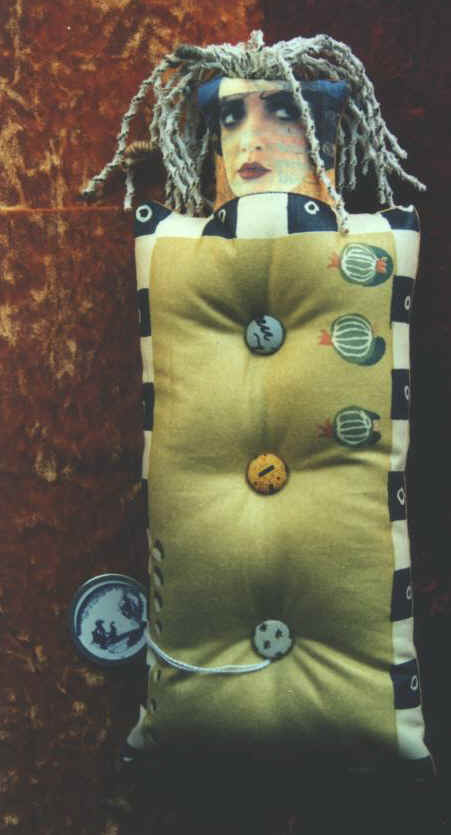
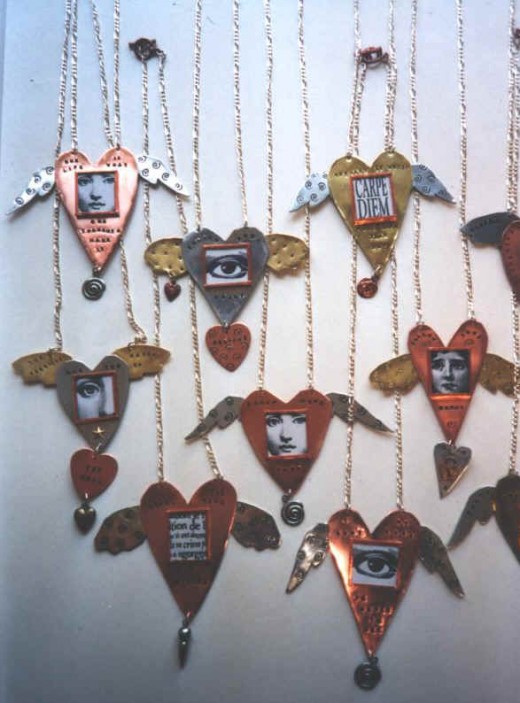
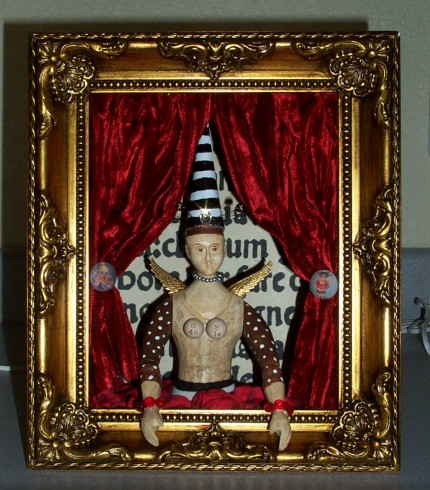
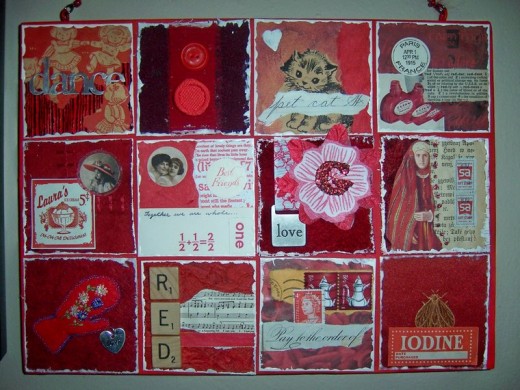
An assemblage is another type of altered art that uses flat, one-dimensional images and cut-outs along with 3-D objects to enhance items such as a spice rack, picture frame or napkin holder.
ASSEMBLAGES
Click thumbnail to view full-size