A Guide On Time Travel

Mine Eyes Have Seen The Glory
I am a frequent time traveler. These eyes of mine have gazed upon the past in awestruck humility. I can view objects and events as recent as a few seconds ago up to an unimaginably long gone scene, thousands upon thousands of bygone years past.
These tableaus I view in a very real way, not through imagination but with true sight. The past is in the present and it is there for you to see right now. It's very simple on the surface, yet to think of it deeply is to rack your brain to the point of pure exhaustion, though I will teach you how to do it.
It's an extremely easy one-step process...you just have to look up.
Visions of the Recent Past
The Moon
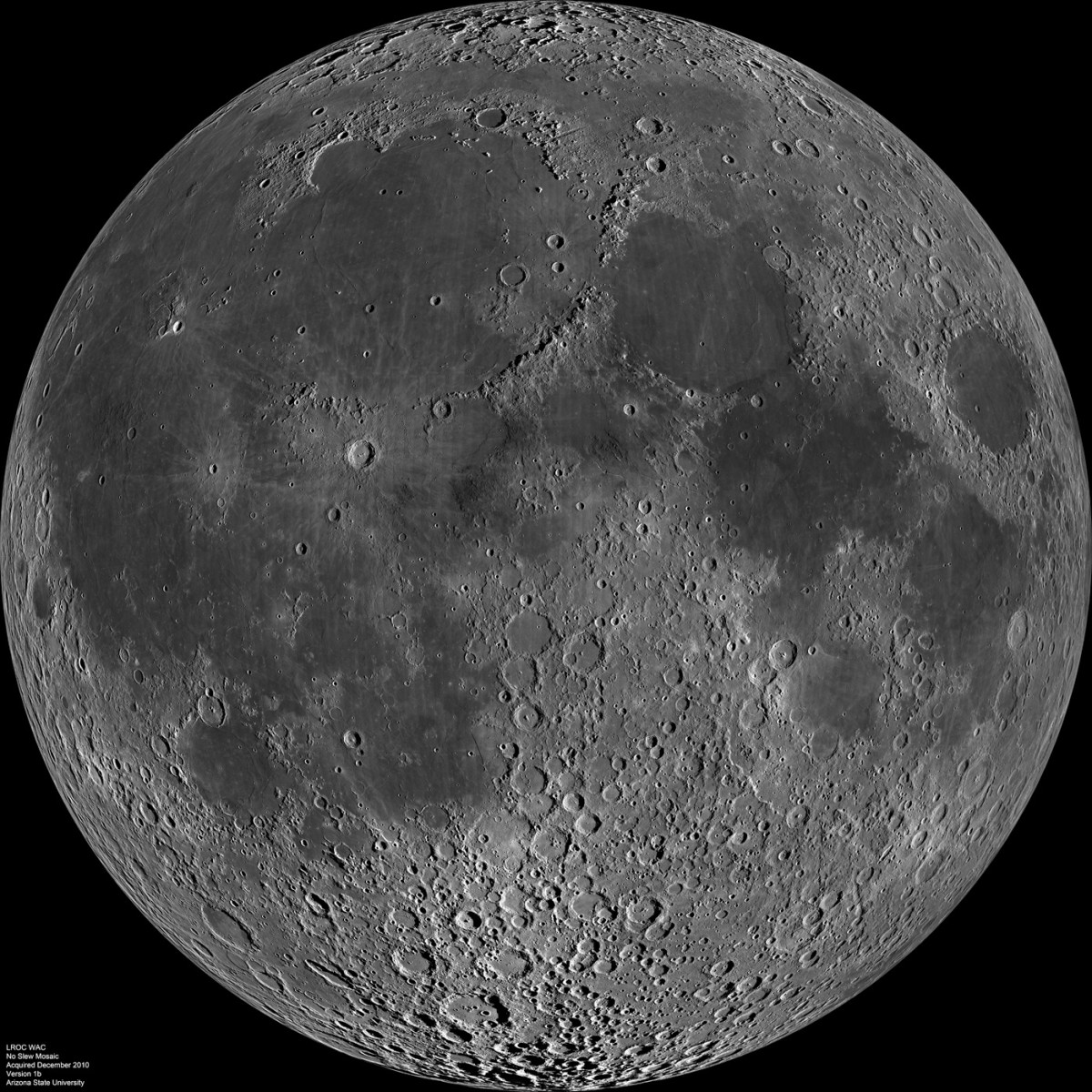
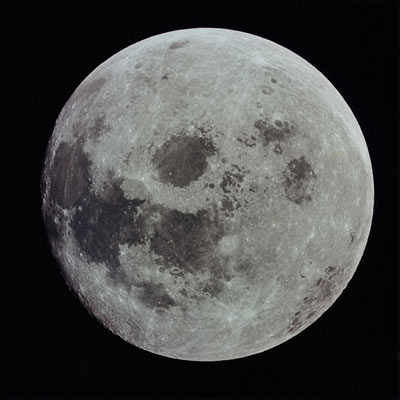
Look up at the Moon. The method of sighting the Moon is by reflection. The Moon does not produce its own light but reflects the light from the Sun. This reflected light takes 1.25 seconds to travel to Earth. Therefore, the Moon that you see is 1.25 seconds in the past.
The Sun
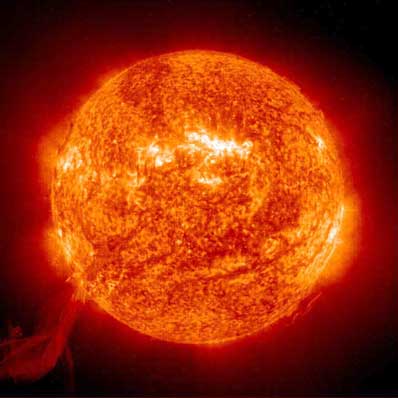
Look up at the Sun (not for very long or you will burn your retinas). Our very own life-giving yellow dwarf star produces its own light by nuclear fusion. That light travels an average distance of 92,960,000 miles (149,600,000 km) to get here to Earth. That is an average distance because the Earth's orbit is not a perfect circle but more elliptical. Therefore the distance between the Sun and Earth vary throughout the year. So, the average time it takes for light to reach the Earth is 8.23 minutes. The Sun that you see is over 8 minutes in the past.
Closer (Recent) Neighbors
Alpha Centauri
The nearest visible star to our Sun is not actually a single star at all but a binary star system. Alpha Centauri A and B and their companion Proxima Centauri appear as a single star to the naked eye. They are approximately 4.3 light years away. Of course, this means you are looking over four years in the past when you gaze upon them. George W. Bush was being inaugurated for his second term at that time (this is written in March 2009).
Andromeda Galaxy
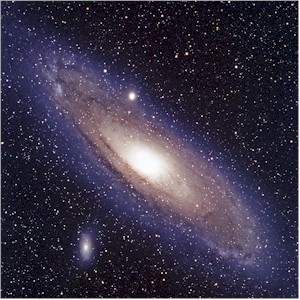
Andromeda Galaxy (M31) is the farthest heavenly body visible to the naked eye. It consists of over one trillion stars and is about 220,000 light years in diameter. At approximately 2.3 million light years away, it is the closest galaxy to our own Milky Way. So when you look up at the fuzzy image of Andromeda, you are looking 2.3 million years into the past. When that light first started it's trek to our curious eyes the mammoth, saber-tooth tiger and Homo habilis (an early form of human) roamed the Earth.
Alas, our sister galaxy is not so friendly. It is on a collision course with the Milky Way. We only have 3-5 billion years to prepare for our doom.
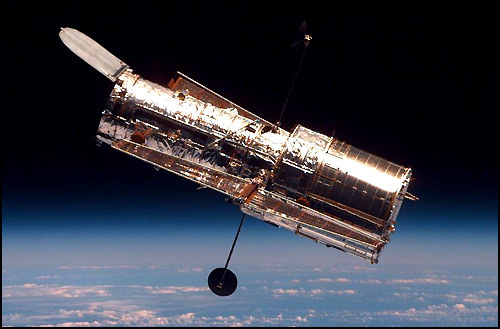
With a Little Help from Hubble
This is where is gets complicated; where space and time merge, turning your mind into mush when trying to compute the astronomical data. Here is the end result though:
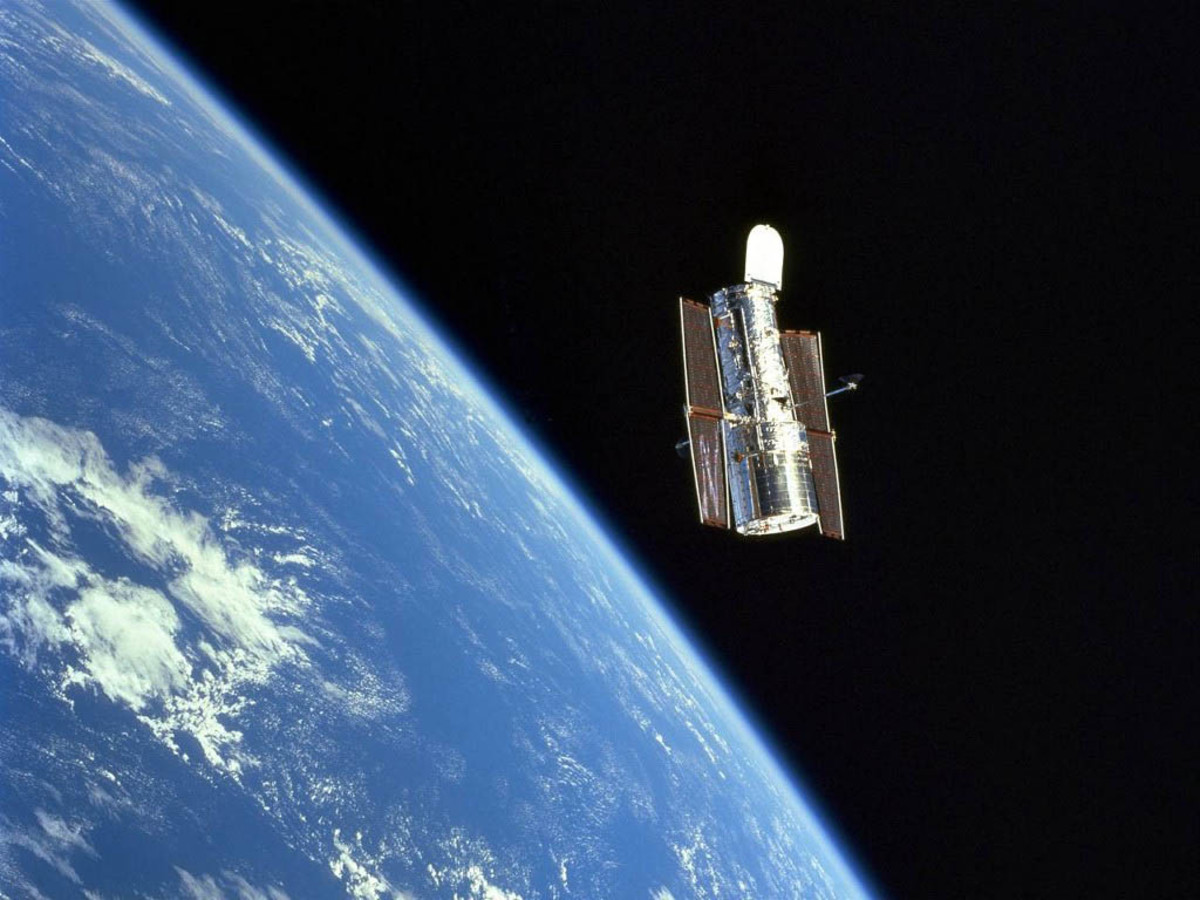
With the help of Hubble, you can view the very beginnings of the universe which we currently reside; thus taking us on a journey billions of years into the past.
Yes, it is possible to see the universal afterbirth of the Big Bang.
Interesting Facts
- One Light Year = 5,878,630,000,000 miles (9,460,730,472,580 km)
- Light travels at 186,282 miles per second (299,793 kmps)
- To go from one edge of the Milky Way to the other would take 100,000 years traveling at light speed.

In the Beginning...
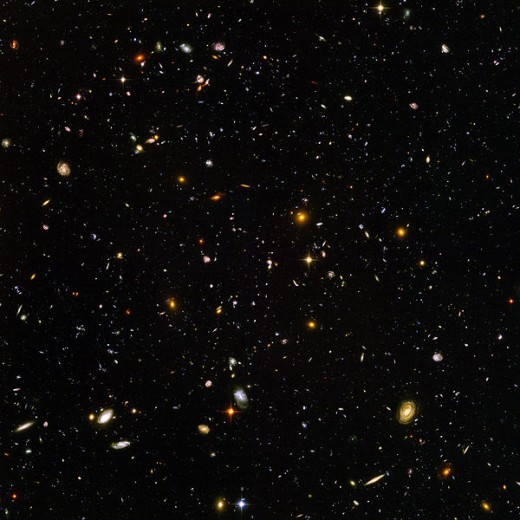
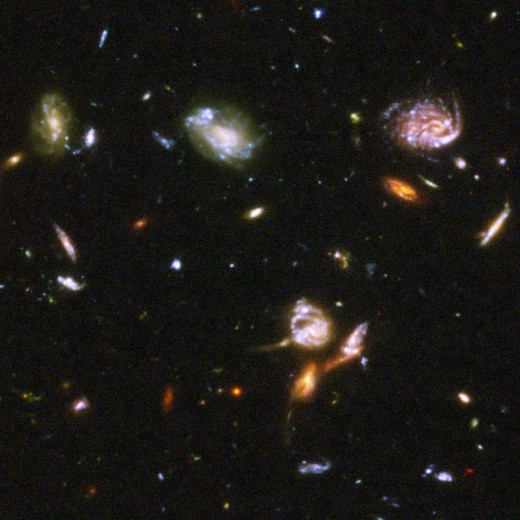
The deepest images ever taken of the universe were shot by the Hubble back in 2003.
The Hubble focused its lens on a small portion of the night sky (13 millionth of the whole) and opened its shutter, creating a time exposure. The results of the Hubble Ultra Deep Field (HUDF) were spectacular. Over 10,000 galaxies are visible in just that one small portion of the sky.
The images take us on a time travel expedition of 13 billion years in the past, 400 million years after the Big Bang (the relative infancy of the universe). Through these Hubble images we can observe the formations of stars and galaxies, bringing us to the brink of the very beginning of time and space. Simply amazing!
Read More
- Warp Speed, Hyperspace and Wormholes
- The Hubble Ultra Deep Field Image
The Hubble Ultra Deep Field is an image of a small region of space taken by the Hubble Space Telescope between 24th September 2003 and 16th January 2004. The image required 800 exposures taken over the course... - Hubble Ultra Deep Field