Brazilian Jiu Jitsu Techniques and Aikido - Ukemi (The Art of Falling) Can Help You Throw More Effectively

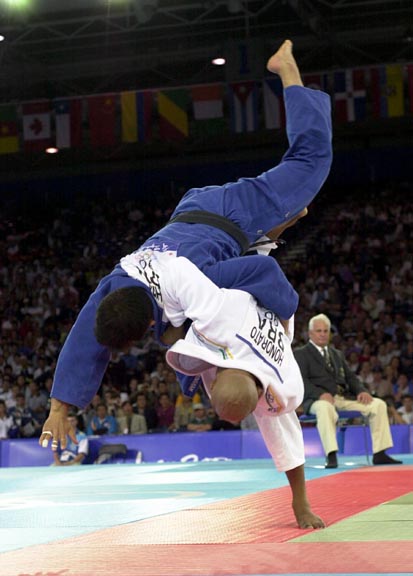
Uchi Mata Judo Throw
Ukemi – A Common Thread Joining Brazilian Jiu Jitsu Techniques and Aikido
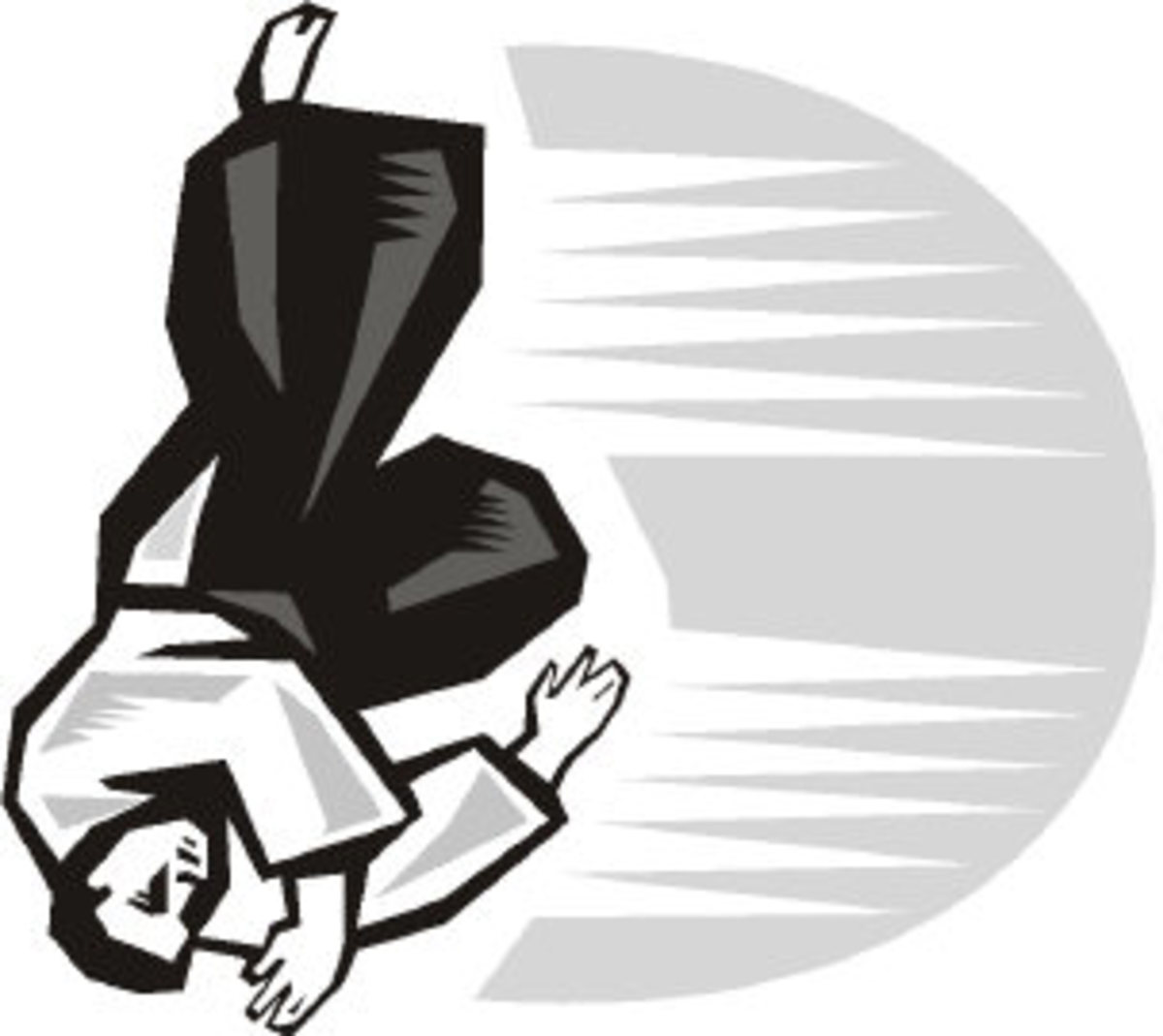
Ukemi is the art of falling or being thrown and is an integral part Brazilian Jiu Jitsu techniques and those of Aikido. This article examines the following concepts:
-Ukemi is a key factor in the training of these arts.
-Learning to fall properly minimizes the potential for injury
-Learning Ukemi can also improve your throwing technique
Koshinage: A Basic Aikido Technique
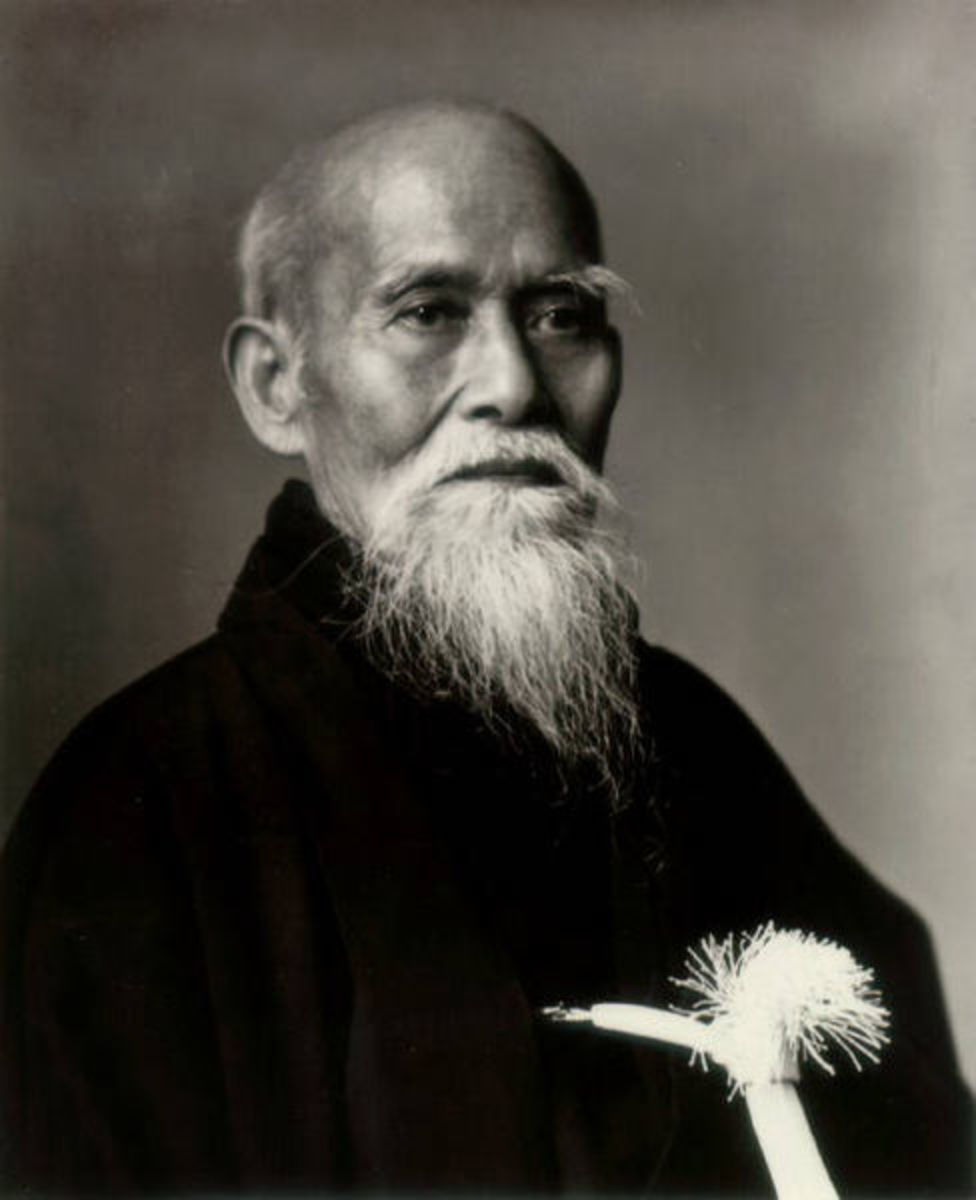
Aikido: A Martial Art Which Combines Sprituality with Defense Techniques
- Aikido Techniques and Philosophy - Aikido411.com
Learn how "True victory is victory over one's self". Aikido is a martial art which combines focuses on mastery over emotional responses, permitting a calm, focused, and powerful response to aggression.
Spectacular Demonstration of Uchi Mata - The Most Popular Judo Throw
BJJ Items on Amazon

Aikido Techniques Demonstration
Ukemi– A Common Thread Joining Brazilian Jiu Jitsu Techniques and Aikido - Continued
While most beginners would love nothing more than to start right in learning to throw someone, learning to take ukemi (falls) is critical to learning a desired technique.
I began my training in Judo in the 1960's learning "old school" by being continually thrown by a series of more experienced students. So, before learning a single throw, I became proficient at being thrown. I learned quickly that those most skilled at being thrown are typically injured less. This is because they relax through the fall and position the body so as to maximize the even dispersal of energy. The tension created when one is anxious or fearful of being thrown results in an uneven or focused release of energy causing uke pain and frequently injury.
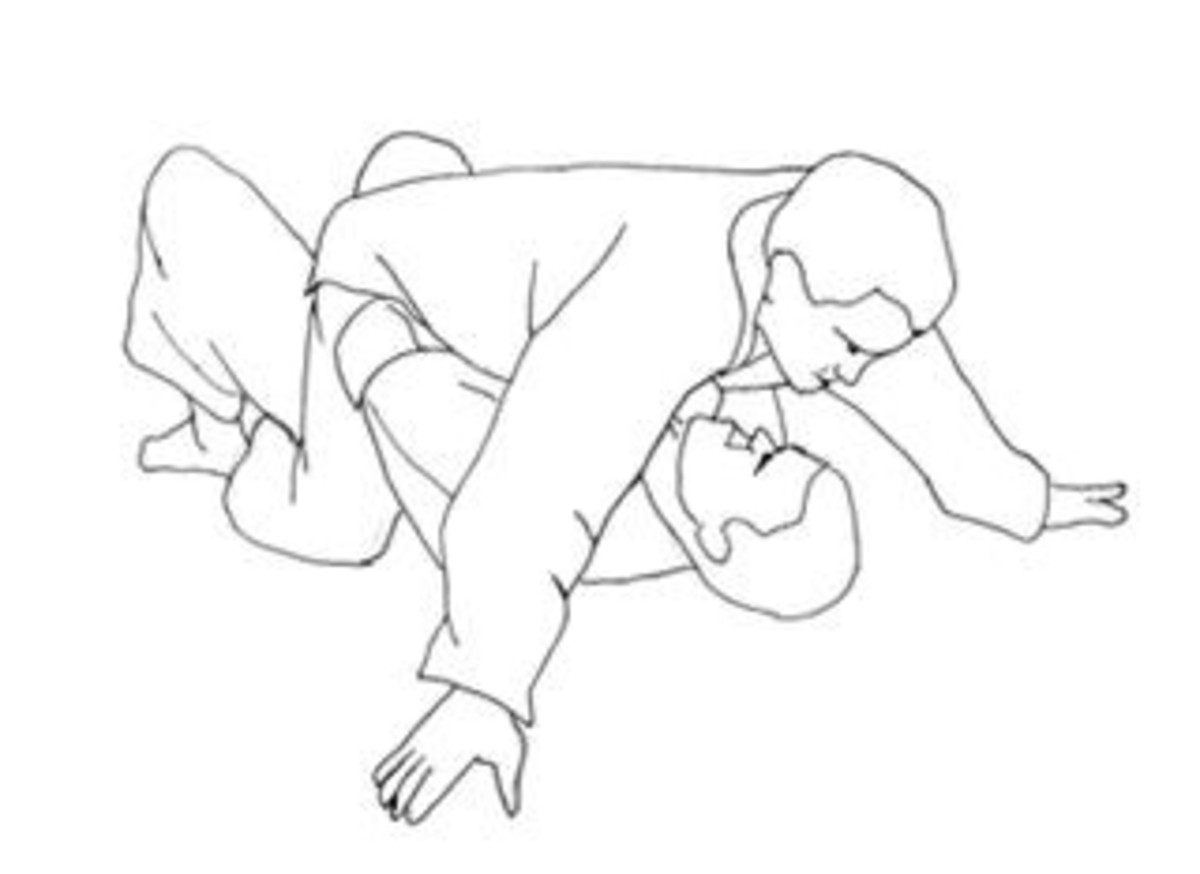
So it is in Judo, BJJ and Aikido that one of the most effective ways to learn how to take one's balance is to have your own balance taken from you (learning from the "University of Hard Knocks"). One of the most popular hip throws in Judo and Jiu Jitsu is called Uchi Mata (Inner Thigh Throw) in which the balance is broken by positioning the hip below the opponent's center, floating him and following through with a reaping thigh motion between the legs. Learning this technique requires precise body position and timing. Although one can learn the mechanics of the throw with verbal instruction and demonstration it is often the development of the kinesthetic sense through ukemi that creates the effective throw.
In Aikido, nearly all techniques involve throwing or being thrown. Koshi nage (hip throws) are similar to those of Judo and Jiu Jitsu and require a nearly identical break fall. Breath or timing throws (kokyu nage) require uke to roll due to the high level of momentum and that the force is directed outward rather than down. As uke, feeling the near-effortless transfer of energy of a well executed aiki otoshi is both exciting and enlightening.
In conclusion, throwing and being thrown inseparable aspects of Brazilian Jiu Jitsu techniques and those of Aikido. The practice of falling is as important to good technique as learning the mechanics of the throw. Those that develop the skill of falling will tend to get injured less. Learning how a technique is done is as much kinesthetic as it is visual and intellectual so learning to fall well can help you learn to throw better.